Wedding Cake Safety Checker
Step 1: Where was the cake stored?
Select the primary location where the cake has been kept for the past year.
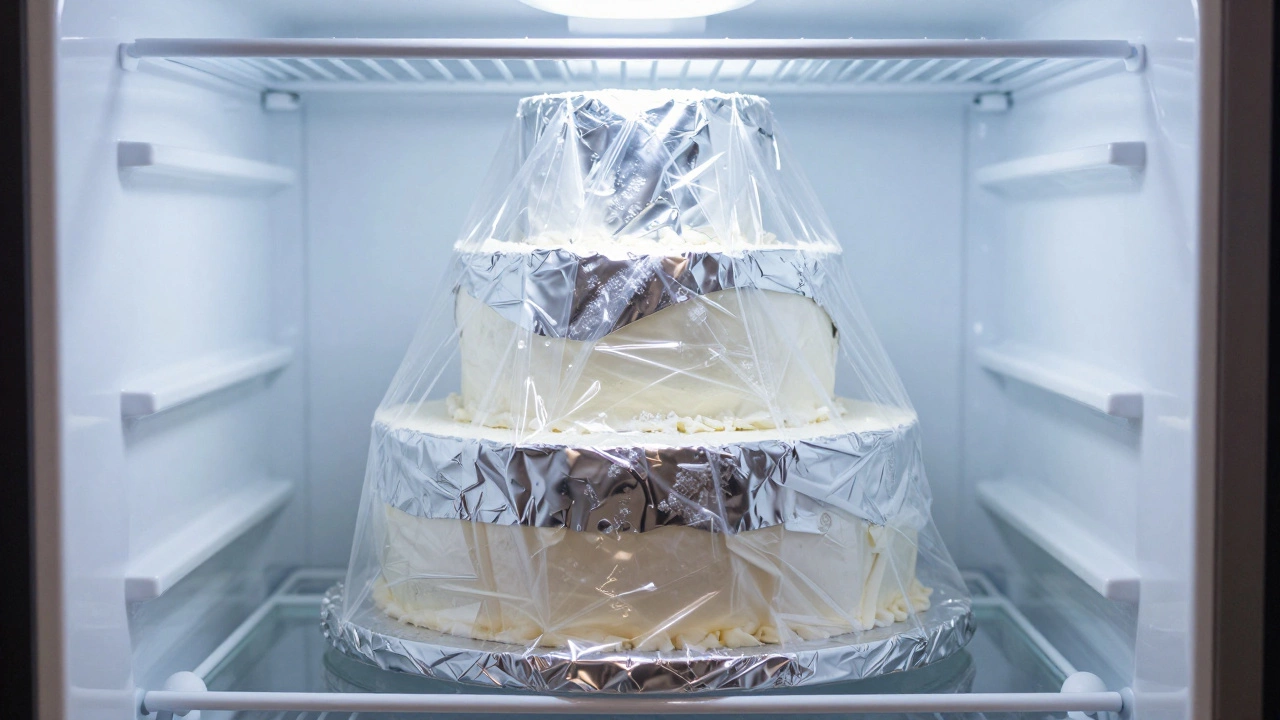
Imagine opening your freezer on your first anniversary. There it sits: the top tier of your wedding cake, wrapped in plastic wrap and aluminum foil, looking like a time capsule from your big day. It’s been exactly one year since you cut that cake with your new spouse. The question is immediate and visceral: can you actually eat it?
The short answer is yes, but only if you treated it right. If that cake has been sitting in your kitchen cupboard or even just your refrigerator for twelve months, throw it away immediately. That is not a souvenir; it is a biohazard. However, if you followed proper freezing protocols, that slice might still be safe-and surprisingly tasty-on your anniversary.
The Science of Spoilage: Why Time Matters
To understand why a year-old cake is risky, we have to look at what makes cake go bad. Wedding cakes are typically made of sponge, buttercream, fondant, or ganache. These ingredients contain moisture, sugar, eggs, and dairy. In a warm environment, bacteria and mold thrive on these nutrients.
If your cake was stored at room temperature, mold spores-which are everywhere in the air-would have colonized the surface within days. Even if you don’t see green fuzz, invisible mycotoxins may already be present. Eating this could lead to food poisoning, characterized by nausea, vomiting, and diarrhea. It is not worth the risk for a nostalgic bite.
Refrigeration slows down bacterial growth but does not stop it. A cake kept in the fridge for a year will suffer from "freezer burn" equivalents (drying out) and will absorb odors from your leftovers. More importantly, the texture will become rubbery or crumbly. While it might not kill you after a year in the fridge, it will likely taste like stale cardboard mixed with old milk.
The Only Safe Method: Deep Freezing
The only way a cake survives a year is through deep freezing. When you freeze food at 0°F (-18°C) or lower, microbial activity stops completely. The cake doesn't "spoil" in the traditional sense; it just degrades in quality over time due to chemical changes in fats and proteins.
For a wedding cake to remain edible after 12 months, it must have been:
- Properly Wrapped: Double-wrapped in plastic cling film to prevent air exposure, then wrapped tightly in heavy-duty aluminum foil. Air is the enemy; it causes oxidation and freezer burn.
- Frozen Quickly: Placed in the coldest part of the freezer immediately after the wedding. Slow freezing creates large ice crystals that damage the cake's cellular structure, leading to a mushy texture upon thawing.
- Stored Consistently: Kept at a constant temperature. If your freezer door opens frequently or the power went out for hours during summer, the cake likely underwent partial thawing and refreezing cycles. This promotes bacterial growth and ruins texture.
If you did all this, congratulations. Your cake is technically safe. But is it good? That depends on the filling.
Ingredient Risks: What’s Inside the Cake?
Not all wedding cakes are created equal. The type of frosting and filling plays a huge role in whether that year-old slice is palatable.
| Filling/Frosting Type | Freezer Stability | Risk Level | Taste Expectation |
|---|---|---|---|
| Buttercream | High | Low | Good, but may separate slightly |
| Fondant | Medium | Low | Poor texture; chewy and gummy |
| Ganache (Chocolate/Cream) | High | Low | Excellent if wrapped well |
| Fresh Fruit Compote | Very Low | High | Mushy, sour, potential mold |
| Custard or Cream Cheese | Low | Medium-High | Separates, grainy, unsafe if thawed before |
If your cake had fresh strawberries, lemon curd, or custard inside, I strongly advise against eating it. Dairy-based fillings like cream cheese or pastry cream often separate when frozen and thawed, creating a watery, unappetizing mess. More critically, if there was any chance the cake wasn't frozen solid immediately, these high-moisture, high-acid environments are breeding grounds for pathogens.
Buttercream and ganache are your best friends here. They are high in fat and sugar, which act as natural preservatives. Buttercream might lose some of its fluffiness, but it usually tastes fine. Ganache holds up remarkably well, often tasting almost identical to the original.
How to Thaw and Serve a Year-Old Cake
If you’ve decided to take the plunge, do not microwave it. Microwaving unevenly heats the cake, potentially killing bacteria on the outside while leaving cold spots in the center where they survive. Plus, it turns buttercream into grease.
Follow these steps for the safest thawing process:
- Move to the Fridge: Transfer the wrapped cake from the freezer to the refrigerator. Let it thaw slowly over 24-48 hours. This gradual change minimizes condensation forming inside the wrapping.
- Inspect Before Unwrapping: Once thawed, check the packaging for ice crystals or frost. Excessive frost indicates air leakage and potential freezer burn. Smell the cake through the wrap. If it smells off, sour, or like nothing at all (stale), discard it.
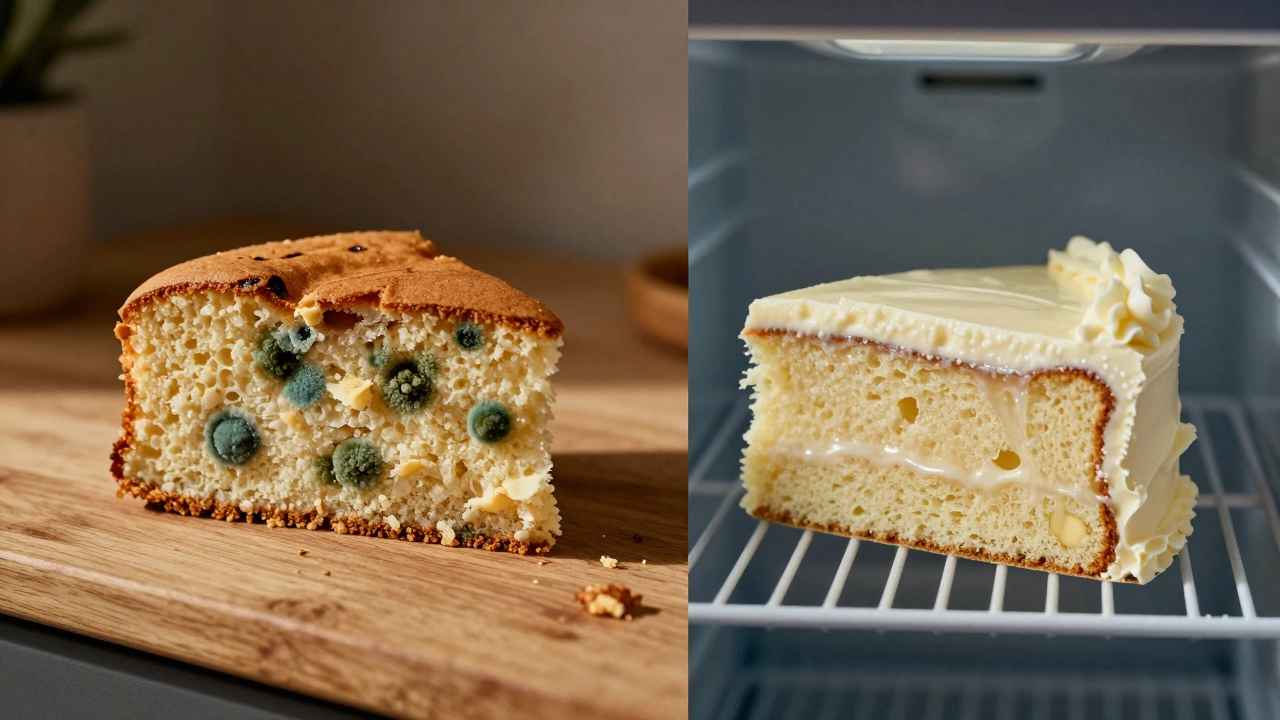
- Unwrap Carefully: Remove the foil and plastic. Look for any signs of mold, even tiny black or green specks. If you see any, throw the whole cake away. Do not cut around the mold; the roots go deeper than you can see.
- Bring to Room Temperature: Let the cake sit on the counter for an hour before serving. Cold cake mutes flavors. Room temperature allows the fats to soften and the aromas to release.
When to Walk Away: Red Flags
Sometimes, nostalgia isn't worth the stomach ache. Here are clear signs that your year-old cake is no longer safe:
- Visible Mold: Any discoloration, fuzz, or spots. Do not sniff it. Just bin it.
- Off Odors: Rancid butter smells like old paint or crayons. Sour smells indicate bacterial fermentation. If it doesn’t smell like sweet cake, it’s bad.
- Texture Changes: If the cake feels slimy, sticky, or excessively dry and crumbly, the structural integrity is gone. Sliminess is a sign of bacterial slime layers.
- Unknown Storage History: Did you move houses? Was there a power outage? If you aren’t 100% sure the cake stayed frozen solid for 365 days, assume it didn’t. The risk of Listeria or Salmonella is real, especially for pregnant individuals or those with compromised immune systems.
Better Ways to Preserve Your Wedding Memory
If your cake hasn’t been frozen properly, or if you’re hesitant about eating it, consider alternative ways to honor the moment without risking your health.
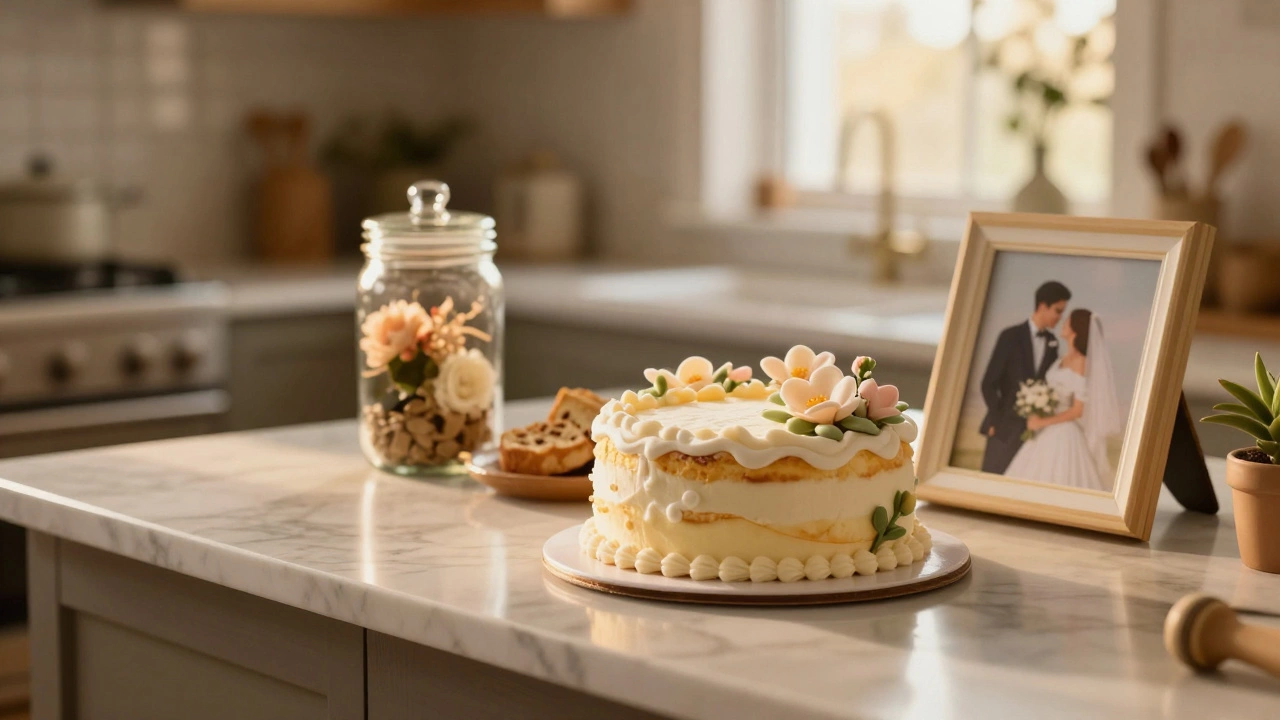
Bake a Replica: Hire a local baker to recreate a small version of your wedding cake. Many bakers offer "anniversary tiers" that mimic the design and flavor of the original. This gives you the sensory experience-the taste, the look, the celebration-without the food safety gamble.
Use the Decorations: If your cake had beautiful sugar flowers, pearls, or non-edible decorations, remove them before freezing. These can be kept in a shadow box or used in future crafts. Sugar flowers, in particular, can last for decades if kept dry and away from light.
Photo Documentation: Take high-quality photos of the cake before cutting it. Frame the best shot. Visual memories don’t spoil, and they don’t require a freezer.
Conclusion: Trust Your Senses
Eating a one-year-old wedding cake is possible, but it is not guaranteed. It requires perfect execution from day one: immediate freezing, airtight wrapping, and consistent cold temperatures. If any of those steps were missed, the cake is likely unsafe or unpalatable.
When in doubt, throw it out. Food poisoning on your anniversary is a memory you won’t want to keep. If you’re unsure about the cake’s history, opt for a fresh replica. It’s safer, tastier, and arguably more meaningful because you’re choosing to celebrate the present, not just cling to the past.
How long can a wedding cake last in the freezer?
A properly wrapped wedding cake can last up to 12 months in the freezer while maintaining good quality. After one year, the texture and flavor begin to degrade significantly, even if it remains safe to eat. For best results, consume it within 6-9 months.
Can you eat wedding cake left out overnight?
If the cake contains perishable fillings like cream, custard, or fresh fruit, it should not be eaten if left out for more than two hours. Dry sponge cakes with buttercream or fondant may be safe for one night, but the quality will decline. Always inspect for signs of spoilage before consuming.
What are the signs of a spoiled wedding cake?
Signs include visible mold (green, black, or white fuzz), off odors (sour, rancid, or chemical smells), slimy texture, or excessive dryness and crumbling. If the cake has been thawed and refrozen multiple times, it may also appear discolored or separated.
Is it safe to eat wedding cake with cream cheese frosting after a year?
No, it is generally not recommended. Cream cheese frosting is highly perishable and prone to separation and bacterial growth when frozen for extended periods. Even if frozen, the texture becomes grainy and watery, and the risk of spoilage increases if the freezing process wasn't perfect.
How should I wrap my wedding cake for long-term storage?
First, let the cake crust over if it has buttercream. Then, wrap it tightly in several layers of plastic cling film to eliminate air pockets. Follow this with a layer of heavy-duty aluminum foil. Place the wrapped cake in an airtight container or freezer bag for extra protection against odors and freezer burn.