Wedding Invitation Budget Estimator
Estimated Total
Quick Summary: What You'll Likely Spend
- Budget Options: $50 - $200 (Digital or DIY)
- Mid-Range: $200 - $600 (Semi-custom prints)
- Luxury: $800 - $2,000+ (Letterpress or Hand-made)
- Hidden costs to watch: Postage, envelopes, and RSVP cards.
You've finally nailed down the guest list, and it's sitting right at 100 people. Now comes the moment where you realize that sending a piece of cardstock through the mail isn't as simple (or cheap) as it sounds. If you're wondering why some sites quote you $40 while others want $1,500 for the same number of guests, you aren't alone. The price of wedding invitation costs varies wildly because you aren't just paying for paper; you're paying for design, weight, ink technology, and assembly.
Before you start scrolling through Pinterest and falling in love with gold-foiled vellum wraps, let's talk real numbers. For 100 invites, you are looking at a spectrum that ranges from a quick digital blast to a full-blown stationery suite that feels like a royal decree. The big question isn't just "how much," but "what am I actually paying for?"
The Budget Route: Digital and DIY
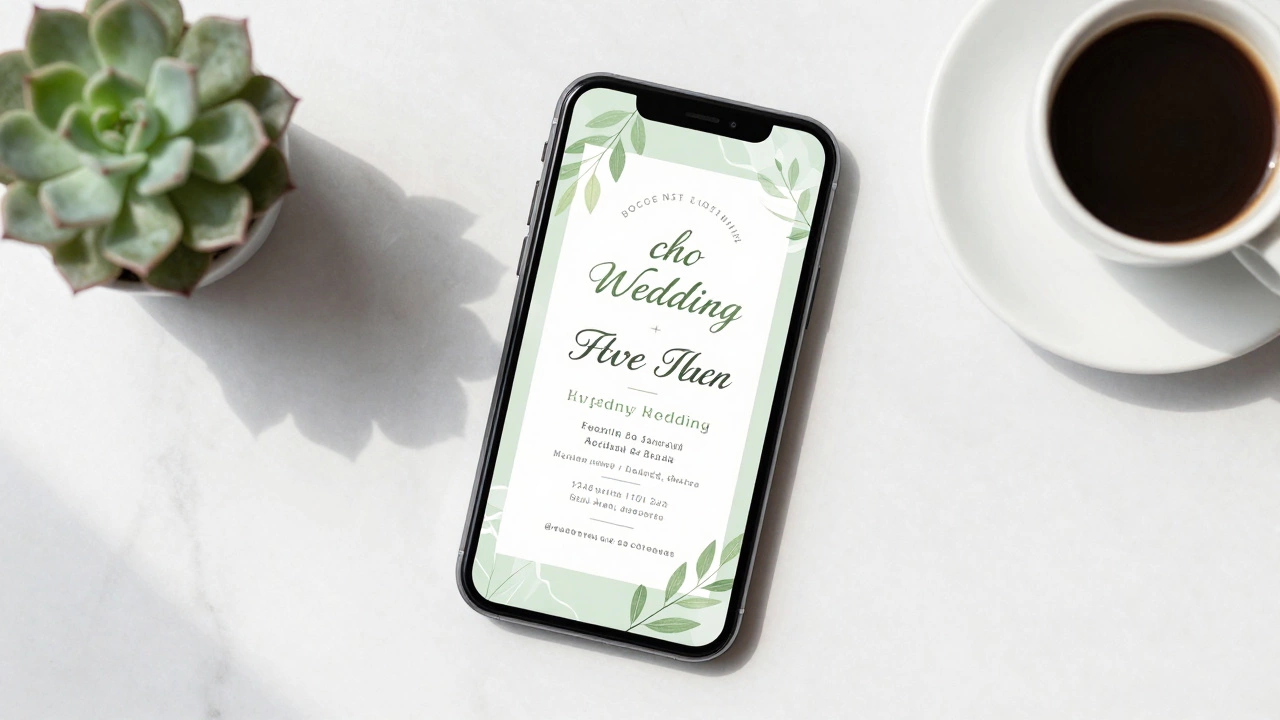
If you're trying to save every cent for the honeymoon, this is your lane. In 2026, digital invites aren't just "cheap alternatives"-they're often the preferred choice for eco-conscious couples. When you go digital, you're essentially paying for a subscription to a platform rather than physical materials.
Digital Invitations is a paperless method of sending wedding invites via email or specialized wedding websites. These usually cost between $0 and $100 for the entire guest list. You get a landing page where guests can RSVP instantly, which saves you from chasing down people via text three weeks before the big day.
If you still want something physical but have a tight budget, DIY is the way. Buying a high-quality cardstock pack from a craft store and using a home printer can bring your cost down to about $0.50 to $1.00 per invite. For 100 invites, you're looking at roughly $50 to $100. However, remember that your home printer might struggle with heavy cardstock, and you'll spend a whole weekend cutting paper with a hobby knife.
The Mid-Range: Semi-Custom Print Shops
This is where most couples land. You find a template you love on a site like Minted or Zazzle, tweak the colors, and let them handle the printing. You're paying for a professional level of ink and paper that you can't replicate at home.
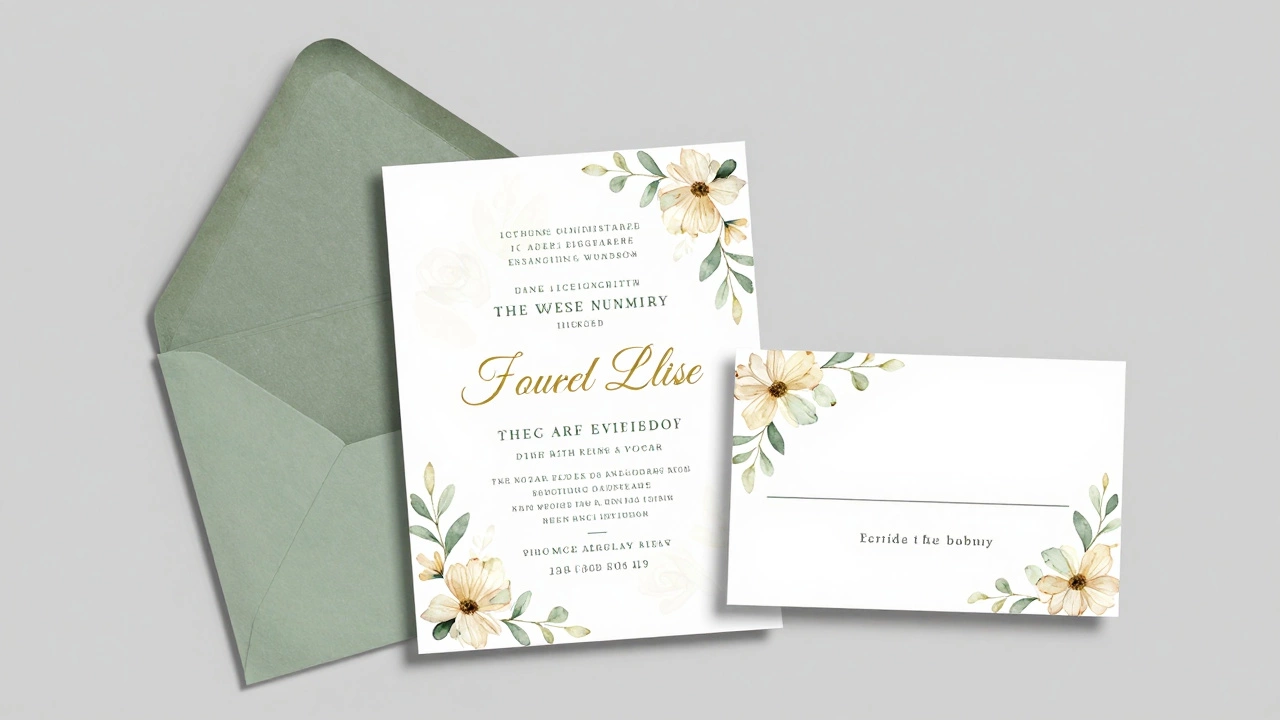
For 100 invites in this category, expect to pay between $2.00 and $5.00 per suite. A "suite" usually includes the main invite and an RSVP card. That puts your total between $200 and $500. The quality here is usually a standard 110lb to 130lb cover stock, which feels sturdy but isn't overly thick.
At this price point, you're getting the benefit of professional Digital Printing, which is a process where a digital file is printed directly to paper using toner or inkjet technology. It's fast, consistent, and allows for full-color photos without a massive price jump.
| Tier | Estimated Cost (100 pcs) | Price per Unit | Common Materials |
|---|---|---|---|
| Budget/Digital | $0 - $150 | $0 - $1.50 | Email, Home Cardstock |
| Mid-Range | $200 - $600 | $2.00 - $6.00 | Digital Print, Matte Paper |
| Luxury | $800 - $2,000+ | $8.00 - $20.00+ | Cotton Paper, Foil, Letterpress |
The Luxury Experience: Custom and Artisanal
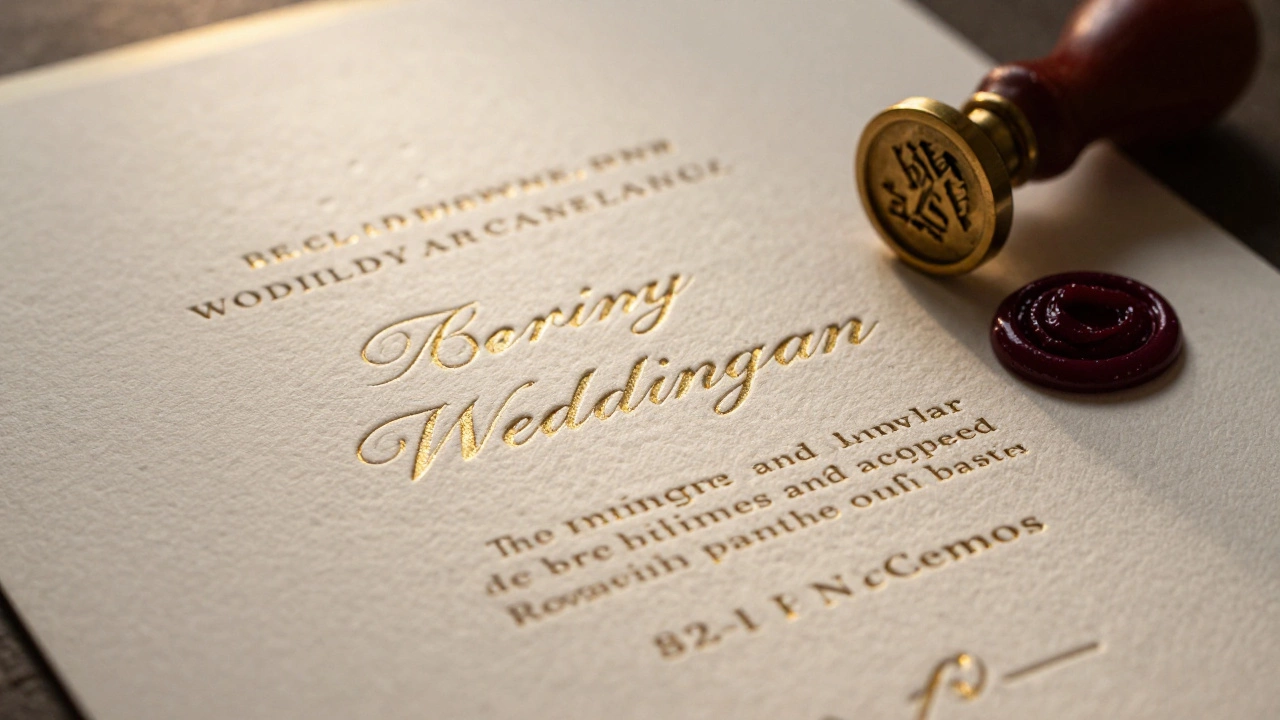
When you move into the luxury tier, you aren't just buying an invitation; you're buying a piece of art. This is where you find Letterpress, which is a printing technique where a raised surface is inked and pressed deep into thick, soft paper. This creates a tactile, debossed feel that screams "high end."
For 100 invites, a custom letterpress order can easily cost between $800 and $2,000. Why so much? Because the printer has to create a custom metal plate for your specific design. If you add Foil Stamping-where a heated die presses a metallic film into the paper-the price climbs further.
Luxury suites also often include more "extras." Instead of just an invite and RSVP, you might have a map, a details card, a belly band to hold everything together, and a wax seal. These small additions add up. A single wax seal might only cost $0.50 to produce, but when you're doing 100 of them by hand, it's a huge labor cost for the designer.
Hidden Costs That Kill Your Budget
Here is the trap: most people calculate the cost of the *card*, but they forget the *delivery*. If you're sending 100 invites, you're likely sending them to 60-70 households. Postage is not a flat fee. If you choose a heavy, luxury card or a square envelope, the post office will charge you a higher rate.
Take a look at these often-forgotten expenses:
- Envelopes: While some come with the invite, upgrading to a linen or metallic envelope can add $0.40 to $1.00 per piece.
- Postage: Standard stamps are fine, but if your invite is over 1 ounce or is an odd shape, you'll pay a premium. For 70 households, this could be an extra $100 - $200.
- Addressing: Writing 140 names and addresses (invites + RSVPs) by hand takes hours. If you pay a calligrapher to do it, expect to pay $3 to $7 per envelope.
- Mistakes: Always order 10% more than you need. You will lose some, spill coffee on one, or realize you forgot to invite your favorite cousin.
Choosing the Right Fit for Your Wedding
How do you decide which tier to go with? Ask yourself: is the invitation a reflection of the wedding's vibe, or just a tool to get people to show up? If you're having a black-tie gala at a historic hotel, a digital invite might feel too casual. But if you're having a backyard party with a taco truck, a $1,000 letterpress suite will feel out of place.
A great middle-ground strategy is the "Hybrid Approach." Use a high-quality printed main invitation for the "wow" factor, but put a QR code on the RSVP card that leads to a digital response form. This cuts your printing costs for RSVP cards and saves you the headache of managing physical mail-in slips.
Another tip is to focus on the paper weight. GSM (grams per square meter) is the measurement used to determine the thickness and weight of paper. A standard sheet of office paper is about 80 GSM. A wedding invite usually starts at 250 GSM. If you want that "luxury" feel without the custom price, look for 300 GSM+ cardstock in semi-custom shops.
Do I need to buy 100 invites for 100 guests?
No, you buy by "household." If you have 100 guests, you might only need 60 to 70 invitations because couples and families share one invite. However, you should always order 5-10 extra for mistakes or last-minute guest additions.
What is the cheapest way to send wedding invites?
The absolute cheapest way is using a free digital invitation service or a wedding website (like The Knot or Zola) to manage RSVPs. This removes the cost of paper, printing, and postage entirely.
When should I order my invitations?
Order them 4 to 6 months before the wedding. Custom and luxury options (like letterpress) can take 8 to 12 weeks to produce, while digital prints are much faster. You want them in your hands at least 8 to 12 weeks before the date to mail them out.
What is a wedding invitation suite?
A suite is a collection of cards. Typically, it includes the main invitation, an RSVP card, and a details card (for hotel info or maps). Some luxury suites also include a "Save the Date" and a thank-you card.
Is it cheaper to print at home or use a shop?
Printing at home is cheaper in terms of raw materials, but it's riskier. You may run out of ink halfway through or experience paper jams. A professional shop provides a consistent finish and higher-quality cardstock that doesn't bleed.
Next Steps and Troubleshooting
If you're feeling overwhelmed by the options, start by setting a hard limit on your stationery budget. If that number is $300, stop looking at custom calligraphers and focus on semi-custom sites. If you find that postage is eating up too much of your budget, consider digital RSVPs to save on a second stamp and a second envelope.
For those who want the luxury look on a budget: buy high-quality blank cardstock and a custom rubber stamp of your initials. This gives you a "branded" look without the cost of custom printing every single page. Just be sure to do a test run on a scrap piece of paper to make sure the ink doesn't smudge on the specific texture of your cardstock.