Wedding Floral Style Selector
Answer these questions to find the perfect floral choice for the mothers of the couple.
Pro-Tips for this Choice:
Picture this: The ceremony is about to start. The music swells. Everyone turns to look at the mothers as they take their seats. Do they walk down the aisle holding beautiful bouquets like the bridesmaids? Or do they sit quietly with a small pin on their lapel? If you are planning a wedding right now, this specific detail might be causing you some stress. You want your moms to feel special, but you also don't want them to upstage the bride. The short answer is yes, mothers of the bride and groom can carry flowers, but it is not a strict rule. In fact, most modern weddings lean toward corsages or boutonnieres for parents, reserving full bouquets for the bridal party.
The Traditional Role of Wedding Flowers
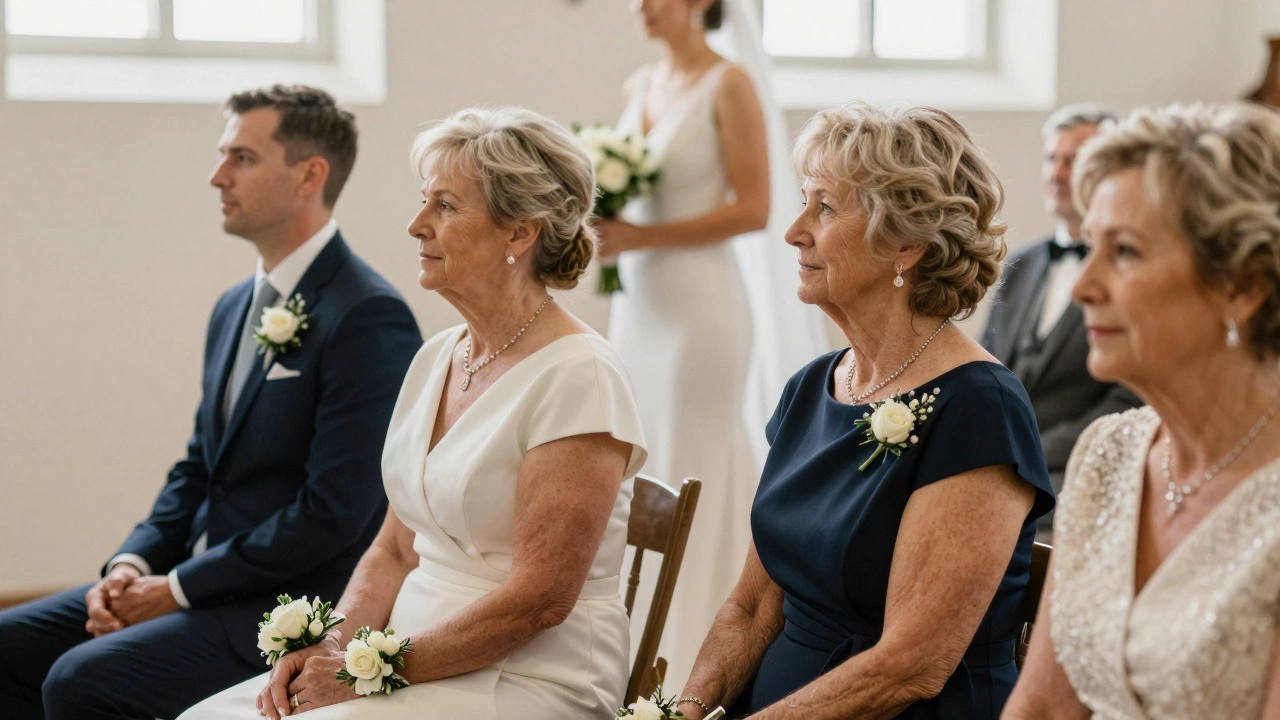
To understand what makes sense for your wedding, we first need to look at where these traditions come from. Historically, wedding flowers were used to ward off evil spirits and mask unpleasant odors before refrigeration existed. Over time, they became symbols of love, fertility, and new beginnings. In traditional Western weddings, the hierarchy of flowers was very clear. The bride carried the largest, most elaborate bouquet. Bridesmaids followed with smaller versions. Flower girls threw petals. Parents, however, typically did not carry anything in their hands during the processional. Instead, they wore corsages (for women) or boutonnieres (for men). This distinction helped guests immediately identify who was in the immediate family versus the general guest list.
Corsages vs. Bouquets: What’s the Difference?
If you are deciding between a corsage and a bouquet for the mothers, you need to understand the practical and symbolic differences. A corsage is a small arrangement of flowers worn on the wrist or pinned to the dress. It is subtle, elegant, and keeps the hands free. A bouquet is a handheld bunch of flowers, which is more prominent and visually striking.
| Feature | Corsage | Bouquet |
|---|---|---|
| Visibility | Subtle, close-up view | High visibility, focal point |
| Hands-Free | Yes | No |
| Cost | Lower ($30-$60) | Higher ($50-$100+) |
| Tradition Level | Very High | Moderate/Low |
| Best For | Traditional ceremonies, formal attire | Modern weddings, large floral themes |
The corsage has been the standard for decades because it complements the mother's outfit without overwhelming it. It signals "I am part of the family" without saying "Look at me." A bouquet, on the other hand, draws the eye. If both mothers carry bouquets, they may visually compete with the bridesmaids or even the bride, depending on the size and color of the flowers.
When Should Mothers Carry Bouquets?
There are specific scenarios where giving the mothers of the bride and groom bouquets is not only acceptable but recommended. First, consider the size of your wedding party. If you are having an elopement or a micro-wedding with no bridesmaids, the mothers often step into that role. Without a bridal party to carry flowers, the mothers become the primary floral participants alongside the couple. Second, think about the style of the wedding. Bohemian, rustic, or very relaxed outdoor weddings often encourage everyone to participate in the floral aesthetic. In these settings, a small, loose bouquet for the moms fits the vibe perfectly. Finally, if the mothers have expressed a strong desire to carry flowers, listen to them. Weddings are emotional events. If holding a bouquet makes one of the mothers feel more connected to the day, there is no harm in accommodating that wish, provided the bouquets are distinct from the bride's.
Etiquette Rules for Mother’s Flowers
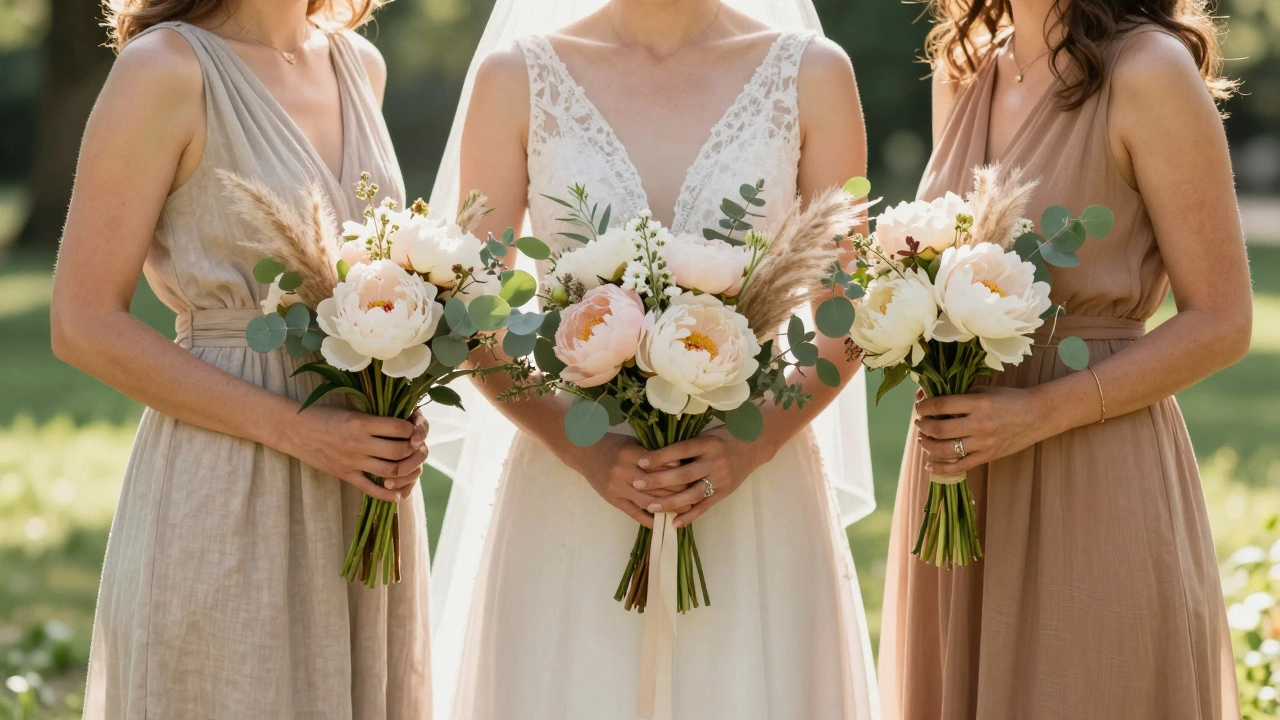
If you decide to go with bouquets, you must follow a few key etiquette rules to avoid awkwardness. The most important rule is coordination. The mothers' bouquets should complement the bridal party's flowers but never match them exactly. If the bridesmaids are carrying white roses, the mothers might carry blush peonies or greenery-heavy arrangements. Another rule is timing. Usually, the mothers receive their flowers after the ceremony, not during the processional. They might hold them during the recessional or while posing for photos. This prevents them from walking down the aisle with hands full, which can be clumsy and distracting. Also, ensure the colors align with the wedding palette. If the wedding is strictly black and white, give the mothers neutral-toned flowers rather than bright reds or oranges.
Alternatives to Traditional Florals
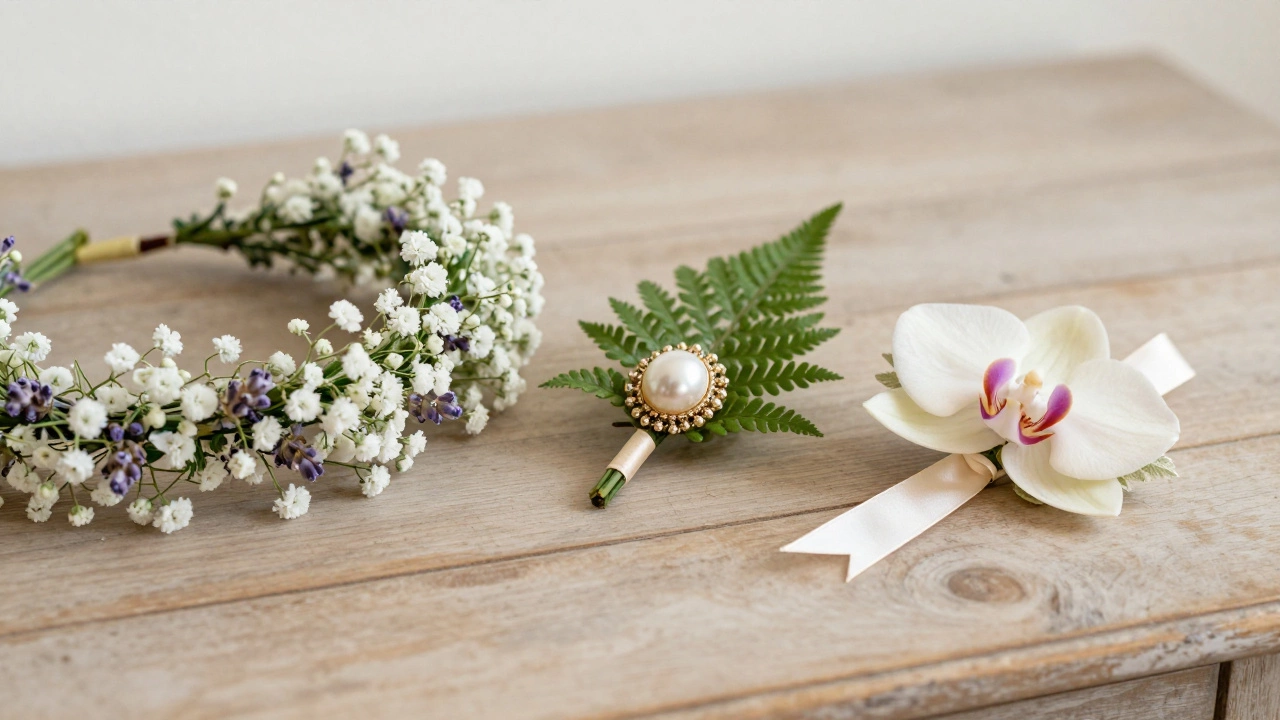
Not every mother wants or needs fresh flowers. Some prefer alternatives that last longer or fit their personal style better. One popular option is a flower crown. This works beautifully for beach weddings or summer celebrations. It adds a whimsical touch and keeps the face framed nicely for photos. Another alternative is a brooch or jewelry corsage. Many mothers have vintage brooches passed down through generations. Attaching these to a small sprig of greenery creates a meaningful, personalized accessory. You can also opt for a wristlet corsage instead of a pinned one, especially if the mother's dress has delicate fabric that cannot support pins. These options provide variety and allow the mothers to express their individuality while still participating in the wedding's floral theme.
How to Coordinate with Your Florist
When you meet with your wedding florist, be clear about your expectations. Show them pictures of the mothers' dresses so they can choose flowers that contrast well with the fabric. For example, if a mother is wearing a dark navy dress, light pastels will pop. If she is wearing a patterned dress, solid-colored flowers work best. Discuss the budget early on. Corsages are generally cheaper, but high-end blooms like orchids or rare roses can increase the cost significantly. Ask your florist about seasonal availability. Using in-season flowers ensures freshness and lower prices. For instance, in Sydney, Australia, spring brings abundant freesias and lilies, while winter offers vibrant proteas and banksias. Choosing local, seasonal flowers supports sustainability and reduces costs.
Common Mistakes to Avoid
Avoid making the mothers' flowers too large. Oversized corsages can look bulky and uncomfortable. Keep them petite and refined. Do not forget to ask the mothers about allergies. Some people are sensitive to pollen or certain scents like lilies or jasmine. Opt for hypoallergenic flowers like orchids or carnations if needed. Another mistake is mismatching the styles. If the bride has a sleek, modern bouquet, giving the mothers wild, messy field flowers might create a visual clash. Consistency in style, even if the flowers differ, maintains a cohesive look. Lastly, don't leave the decision until the last minute. Flowers require preparation time. Order at least two to three months in advance to ensure availability and quality.
Final Thoughts on Making Moms Feel Special
Ultimately, whether mothers carry flowers or wear corsages is less important than how they feel included in the day. The goal is to honor them without disrupting the flow of the ceremony. Talk to the mothers openly. Ask what they prefer. Some may shy away from attention and prefer a simple pin. Others may dream of holding a bouquet. By communicating clearly and planning ahead, you can create a beautiful moment that respects tradition while embracing your unique vision. Remember, the best weddings are those where everyone feels comfortable and celebrated.
Can the mother of the bride and groom have different flowers?
Yes, they can have different flowers, but they should coordinate in color and style. For example, one might have a pink rose corsage while the other has a peach rose corsage. This allows for personal preference while maintaining visual harmony.
Who pays for the mothers' flowers?
Traditionally, each family pays for their own mother's flowers. However, in modern weddings, the couple often covers all floral costs as part of the overall wedding budget. It is best to discuss this early to avoid misunderstandings.
Should stepmothers also get corsages or bouquets?
If stepmothers are playing a significant role in the wedding, they should receive similar floral accessories to avoid hurt feelings. Equality in treatment helps maintain family harmony during the event.
Can I use artificial flowers for the mothers?
Absolutely. High-quality silk or preserved flowers look realistic and last forever. They are also a great option for guests who want to keep a memento of the wedding day.
What if the mother doesn't want any flowers?
Respect her choice. She can simply wear a nice piece of jewelry or a hair accessory. The focus should be on her comfort and happiness, not on adhering strictly to floral traditions.