
Wedding Photo Deliverables Calculator
Configure Your Scenario
Adjust the settings and click calculate to see your estimated photo breakdown.
Imagine this: your wedding day ends. You’re exhausted, happy, and ready to see every single moment captured on camera. But when the photographer sends over the gallery, there are only 400 images instead of the 2,000 shots taken. Panic sets in. Did they lose them? Are they hiding the good ones? This is one of the most common questions-and frustrations-couples face after their big day.
The short answer is no. Most professional wedding photographers do not give you every single photo they take. They curate a collection of their best work. But why? And what does that actually mean for your final memories? Let’s break down how the industry works, what you should expect, and how to get exactly what you want from your contract.
The Difference Between Raw Files and Edited Images
To understand why you don’t get "all" the photos, you first need to understand the two types of files involved: raw files and edited (or processed) images.
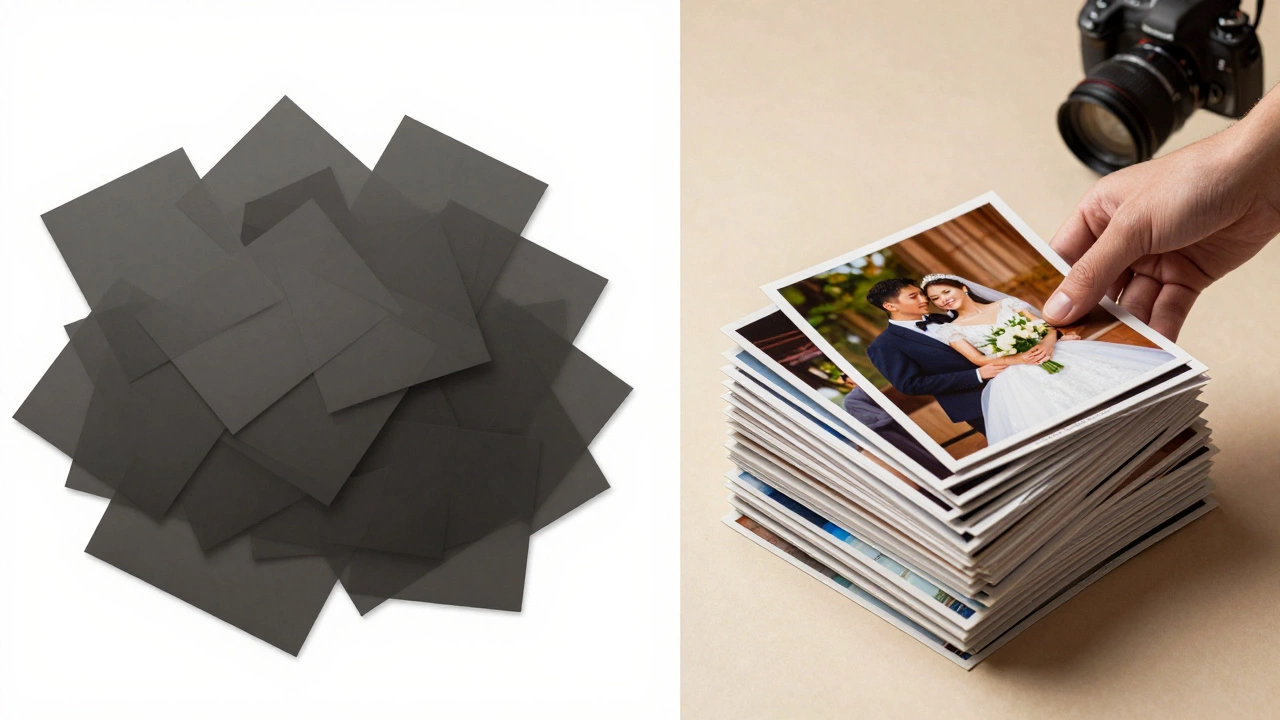
Raw files are the unprocessed data straight from the camera sensor. Think of them as digital negatives. They look flat, dull, and sometimes even blurry or poorly exposed because they haven’t been adjusted for color, light, or contrast yet. A professional wedding photographer might shoot thousands of these during a day.
Edited images are the final products. These are the photos that have gone through post-production. The photographer has corrected white balance, sharpened details, removed blemishes, balanced lighting, and applied a consistent aesthetic style. This is what you see in their portfolio, and this is what you pay for.
When couples ask for "all photos," they usually mean all the *good* photos. But technically, asking for "all photos" often means asking for the raw files too. Here is the catch: giving you raw files is like giving a home cook a box of unseasoned ingredients and telling them to make a five-star meal. Without the photographer’s specific editing skills and software, those raw files won’t look like anything you’d want to frame.
Why Photographers Curate Your Gallery
You might wonder why a photographer would withhold images. Is it greed? Control? Not really. It’s about quality control and artistic integrity.
- Duplicates: During key moments like the first kiss or the cake cutting, photographers burst-shoot. They might take 50 frames in two seconds. Do you need all 50? Probably not. You need the one where everyone’s eyes are open and the expression is perfect.
- Technical Flaws: Even pros miss focus occasionally. Or maybe someone blinked. Or a guest walked into the frame at the worst possible second. These photos exist, but they aren’t usable.
- Artistic Vision: A photographer builds a brand based on a specific look and feel. If they send you an image that doesn’t match their high standard, it dilutes the value of their service. They are protecting their reputation by ensuring every delivered image is exceptional.
- Efficiency: Editing a wedding album can take 10-20 hours. Sorting through 3,000 images to find the 600 keepers is part of that job. Sending you the rest adds zero value but creates confusion.
Think of it like hiring a chef. You don’t ask for all the chopped vegetables, burnt test batches, and spilled sauces. You ask for the finished dish. The curation process ensures you receive a cohesive, beautiful story of your day, not a chaotic dump of data.
What Does "All Photos" Actually Mean?
This phrase is slippery. In the wedding industry, "all photos" can mean three different things depending on who you talk to:
- All Edited Photos: Every single image that passed the photographer’s quality check. This is the standard deliverable for most packages.
- All Raw Files: The unedited, uncurated database from the camera card. Very few photographers offer this, and if they do, it’s usually an add-on fee.
- All Usable Moments: A subjective term. Some couples feel that "usable" includes candid shots of guests laughing with mouths full, while others think it excludes anything less than magazine-worthy.
If your contract says you will receive "high-resolution digital images," it almost always means option #1: all edited photos. It rarely means option #2. Always clarify this before signing.
Can You Buy the Raw Files?
Yes, in many cases, you can. However, it’s not automatic. Many photographers retain the copyright to the images until full payment is made, and some explicitly forbid releasing raw files in their contracts. Why?
It comes down to liability and brand consistency. If you hand a raw file to a friend who edits it poorly, or worse, posts it online with bad colors, it reflects poorly on the original photographer. To mitigate this, photographers who sell raw files often require a waiver stating that you will not edit them yourself or hire another editor without permission. They may also charge a significant fee-sometimes $500 to $1,500 extra-for the transfer.
If having the raw files is non-negotiable for you, discuss this during the booking phase. Look for photographers who advertise "full rights transfer" or "raw file inclusion." Be prepared to pay more, as this shifts the business model from selling a curated service to selling data access.
How to Ensure You Get What You Want
Don’t leave your expectations to chance. Use these strategies to protect your interests and ensure satisfaction.
1. Read the Contract Fine Print
Look for sections titled "Deliverables," "Copyright," or "Image Usage." Does it specify a number range (e.g., "minimum 400 images")? Does it mention raw files? If it’s vague, ask for clarification in writing.
2. Ask About Their Culling Process
Ask your photographer: "How do you decide which photos make the cut?" A transparent photographer will explain their workflow. They might say, "I select the best shot from each sequence, removing duplicates and technical errors." If they hesitate or get defensive, that’s a red flag.
3. Request a Shot List
Provide a list of must-have moments (grandparents’ portraits, ring exchange, etc.). While this doesn’t guarantee you’ll get every angle, it ensures the photographer prioritizes those scenes. It also gives you a checklist to verify against the final delivery.
4. Negotiate the Package
Some photographers offer tiers. A basic package might include 300 edited images, while a premium one offers 600+. Understand what drives the price difference. Is it just volume, or does it include a second shooter, engagement session, or album design?

Comparison: Standard vs. Full Access Packages
| Feature | Standard Package | Premium / Full Access |
|---|---|---|
| Edited Images | 400-800 curated photos | 800-1,500+ curated photos |
| Raw Files | Not included | Often included or available for fee |
| Copyright | Photographer retains; you get print license | Full rights transfer to couple |
| Editing Style | Consistent, professional finish | Customizable or varied styles |
| Cost | Standard market rate | 20-50% higher |
Common Pitfalls to Avoid
One major mistake couples make is assuming that more photos equal better coverage. In reality, a smaller set of perfectly edited images is far more valuable than a hard drive full of mediocre shots. Another pitfall is hiring a photographer based solely on price. Cheap photographers often cut corners by skipping the curation step, sending you unedited junk, or using automated filters that look unnatural.
Also, beware of the "second shooter" trap. Just because you hired two photographers doesn’t mean you’ll get double the photos. Often, the second shooter captures behind-the-scenes angles, but the lead photographer still curates the final gallery to maintain a unified look.
Final Thoughts on Your Wedding Memories
Your wedding photos are an investment in your future memories. The goal isn’t to hoard every pixel; it’s to preserve the emotion, the joy, and the beauty of the day. Trust your photographer’s eye. They’ve done this hundreds of times. They know which shots tell the story and which ones distract from it.
If you truly need every single file for archival purposes, negotiate it upfront. But for most couples, a well-curated gallery of 500-800 stunning, edited images is the sweet spot. It’s manageable, beautiful, and ready to share with family and friends without the hassle of sorting through thousands of duplicates.
Do wedding photographers keep the copyright to my photos?
In most cases, yes. Under US and Australian law, the creator of the image holds the copyright unless explicitly transferred in writing. This means the photographer owns the images, but they grant you a personal license to print and share them. If you want full ownership, you must negotiate a "copyright transfer" clause in your contract, which usually costs extra.
Can I edit the raw files myself if I buy them?
Technically, yes, but most photographers prohibit this in their contracts. They worry that amateur editing will ruin the aesthetic they worked hard to create. If you insist on buying raw files, be prepared to sign a waiver agreeing not to alter them or to credit the original photographer if you do. Hiring a separate editor for raw files is also often forbidden.
How many photos should I expect from a wedding photographer?
For an 8-hour wedding day, you can typically expect between 400 and 800 high-quality, edited images. This number varies based on the photographer’s style (documentary vs. posed), the size of the event, and whether a second shooter was used. Anything less than 300 might indicate poor coverage, while anything over 1,000 often includes unnecessary duplicates.
What if I’m unhappy with the number of photos delivered?
First, check your contract. If it guarantees a minimum number (e.g., "at least 500 images"), and they delivered fewer, you have grounds for a refund or additional work. If there’s no minimum, it’s harder to argue. Review the gallery carefully-are missing moments due to poor shooting or strict curation? Communicate openly with your photographer. Sometimes, they can retrieve deleted selects if requested quickly.
Is it worth paying extra for raw files?
For 95% of couples, no. Raw files are difficult to use without professional software and skill. They look dull and unappealing to the average viewer. Unless you are a professional designer or have a specific archival need, the extra cost ($500+) is better spent on a premium album or engagement session. Stick with the edited images for the best visual experience.