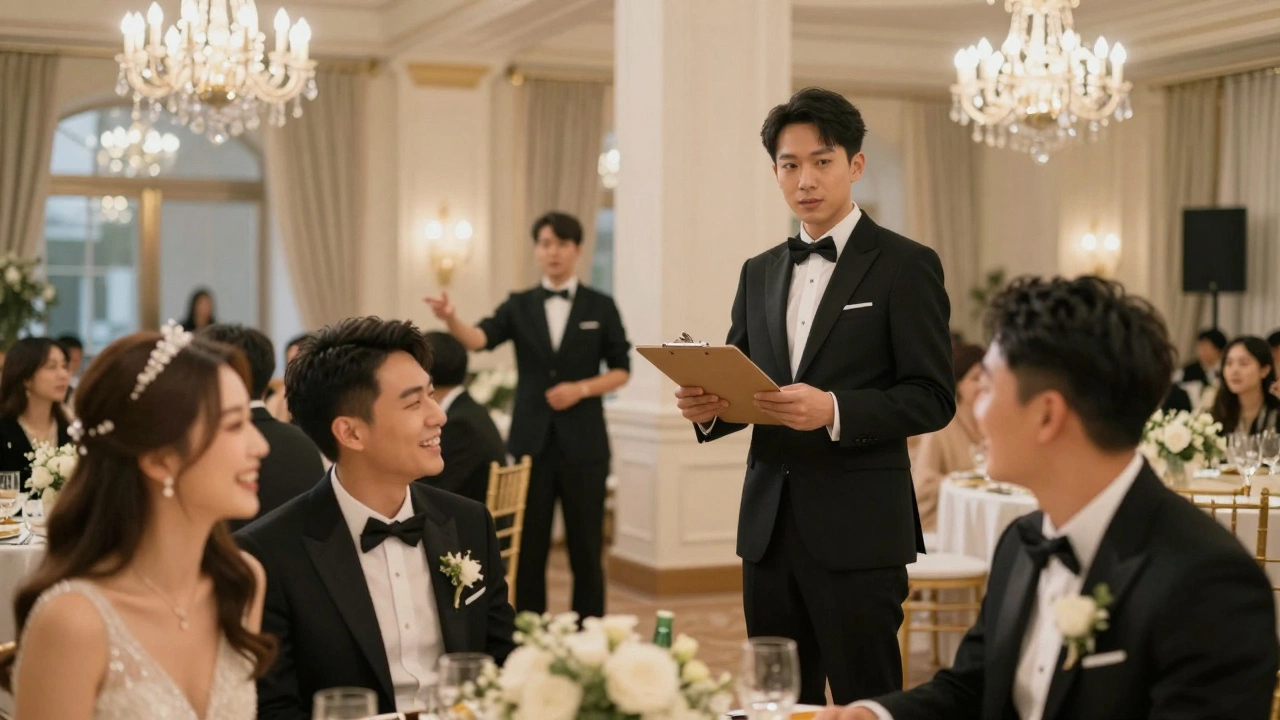
Wedding Planner Attendance & Role Simulator
Key Responsibilities During Event:
Timeline of Presence:
You spend months curating every detail of your big day, from the napkin folds to the playlist. Then comes the question that keeps many couples up at night: do wedding planners actually show up to the reception? It’s a fair concern. You’re paying for expertise, so you expect that expert to be there, right?
The short answer is yes-but with a major caveat. They are there to work, not to party. In fact, if your planner is dancing on the floor during the first dance or grabbing a drink at the bar while guests mingle, you might have hired the wrong person. Understanding exactly what their presence looks like-and what it doesn’t-can save you from awkward expectations and ensure your day runs smoothly.
The Distinction Between Planner and Coordinator Matters
To understand whether they attend, you first need to know who you hired. The industry often blurs these lines, but the roles are distinct in practice. A full-service wedding planner is a professional who manages the entire wedding process from concept to execution. They help you choose vendors, set budgets, and design the look. Because they built the foundation, they almost always attend the wedding to ensure their vision is executed correctly.
On the other hand, a day-of coordinator is a professional hired specifically to manage logistics on the wedding day only. They step in after the planning is done. Their attendance is guaranteed because that is literally their only job. If you’ve been DIY-ing everything and just hired someone to hold the timeline, they will be present from setup until teardown. However, if you hired a planner six months ago but didn’t retain them for the day itself (which is rare and risky), they won’t be there. Always clarify this contractually.
What Does "Attending" Actually Look Like?
When we say a planner attends the wedding, we don’t mean they sit at a table eating cake. We mean they are actively managing the event. Think of them as the conductor of an orchestra. You don’t see the conductor playing the violin; you see them directing the flow, ensuring timing, and fixing issues before they become disasters.
Here is what their presence typically involves:
- Vendor Management: They greet the caterer, confirm the meal count, and ensure the photographer knows the shot list. They are the point of contact so you aren’t.
- Timeline Enforcement: They keep the ceremony starting on time, ensure the speeches don’t run over, and cue the band for the recessional.
- Crisis Resolution: Did the groom lose his ring? Is the cake arriving late? Is a guest causing a scene? The planner handles these issues invisibly.
- Logistics Oversight: They manage the rental company breakdown, ensure the venue staff locks up properly, and handle the final payment checks.
This level of engagement means they are rarely seated. They might eat a quick meal in the back office or kitchen between the cocktail hour and dinner service. But they are working the entire duration of the event.
Why You Should Expect Them to Stay Until the End
A common misconception is that the planner leaves once the couple cuts the cake or exits the reception. This is a critical error. The most chaotic part of a wedding is often the teardown. Guests leave, tables get cleared, and vendors pack up. Without supervision, things can go missing or get damaged.
Your planner should stay until the last vendor has left and the venue is secure. They are responsible for returning rentals, collecting leftover alcohol, and ensuring your personal items (like the guest book or gifts) are safe. If they leave early, they are abandoning their post. Make sure your contract specifies "full day coverage" which usually includes 10-12 hours of active management.
Can You Hire a Planner Who Doesn't Attend?
Technically, yes, but it’s called "planning-only" services. Some high-end planners offer a package where they design the wedding, hire all vendors, and create detailed binders for you, but they do not attend the actual event. You then hire a separate day-of coordinator to execute their plan.
Is this a good idea? For most couples, no. Vendors change minds. Timelines shift. Weather happens. Having the person who designed the wedding also executing it ensures continuity. If you choose this route, you must ensure the day-of coordinator receives comprehensive briefings from the planner. Otherwise, you risk a disconnect between vision and reality.
| Service Type | Attendance Required? | Primary Focus | Best For |
|---|---|---|---|
| Full-Service Planner | Yes (10-12 hours) | Design + Logistics | Couples wanting total hands-off experience |
| Day-of Coordinator | Yes (8-10 hours) | Execution Only | Couples who planned themselves but need day-of support |
| Planning-Only | No | Vision & Vendor Selection | Budget-conscious couples hiring separate coordinators |
The Social Aspect: Do They Mingle With Guests?
Another question that arises is whether the planner interacts with guests. Generally, they should not. Their role is behind-the-scenes. While they may smile and wave, they shouldn’t be chatting with your aunt about her garden or dancing with your college friends. This maintains professionalism and allows them to focus on the couple.
If your planner is spending more time socializing than supervising, it’s a red flag. You paid for their attention, not their friendship. However, a good planner knows how to be invisible. They blend into the background, wearing neutral colors (often black or dark grey) so they don’t distract from photos. They move quietly and efficiently.
What Happens If Your Planner Shows Up Late or Leaves Early?
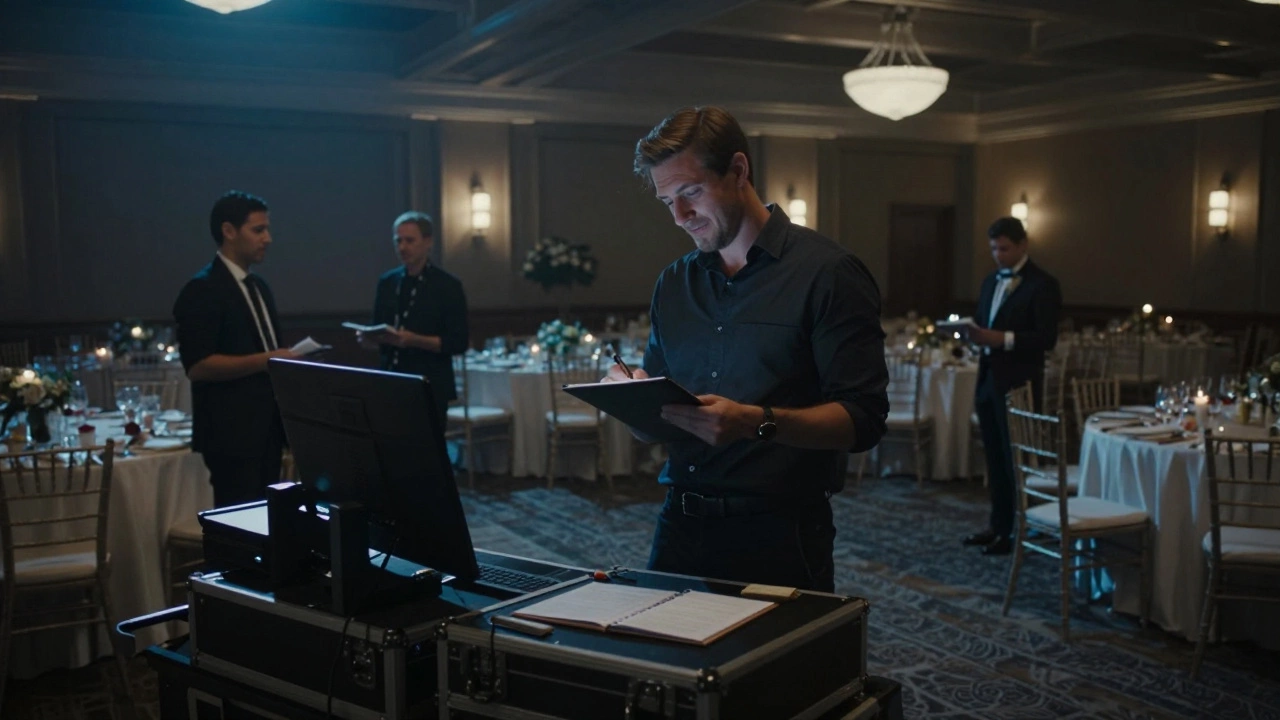
This is a breach of contract. Most reputable planners have strict clauses about arrival times. They usually arrive 2-3 hours before the ceremony to oversee setup. Leaving early without a valid emergency reason is unprofessional. If this happens, document it immediately. Check your contract for penalties or refunds. In severe cases, you may need to step in yourself or ask a trusted friend to take over logistics, which defeats the purpose of hiring them.
To avoid this, vet your planner thoroughly. Ask for references. Specifically ask past clients: "Did your planner stay until the end?" and "Were they attentive throughout the entire event?" Reviews online can also highlight patterns of behavior regarding attendance.
How to Ensure Your Planner Is Present and Effective
Start by defining expectations in writing. Your contract should include:
- Arrival Time: Specify when they must be on-site (e.g., 2 hours before ceremony).
- Departure Time: Specify when they leave (e.g., after last vendor departs).
- Staffing: If it’s a large wedding, does the planner bring an assistant? You may need multiple people on the ground.
- Communication Plan: How will they update you if issues arise? Text? Phone call? Discreet signal?
Also, discuss the "emergency kit." A good planner arrives prepared with sewing kits, stain remover, pain relievers, and extra buttons. This shows they are ready to handle physical needs, not just logistical ones.
The Emotional Value of Their Presence
Beyond logistics, having a planner attend provides emotional security. Knowing someone else is watching the clock, checking the cake, and calming nervous vendors allows you to breathe. You can enjoy your toast instead of worrying if the DJ knows the next song. You can hug your parents instead of running to the bathroom to fix a stain. Their presence buys you peace of mind.
They act as a buffer between you and stress. When a problem arises-and it will-they solve it so you never know it happened. That’s the true value of their attendance. It’s not about being seen; it’s about being effective.
Do wedding planners eat at the wedding?
Yes, but briefly. Most contracts include a meal for the planner, similar to other vendors. They usually eat quickly in a private area (like a kitchen or office) during the cocktail hour or between courses so they can return to work. They do not sit at a guest table for a leisurely meal.
Should I tip my wedding planner if they attend?
Tipping is optional but appreciated, especially if they go above and beyond. A common tip is 5-10% of their fee, or $100-$200 flat. Since they are working hard all day, a tip acknowledges their effort. However, unlike servers, tipping planners is not mandatory. Check if gratuity is already included in their contract.
What if my planner gets sick on the wedding day?
Reputable planners have backup plans. They should have an associate or assistant ready to step in. Ask about this contingency plan when signing your contract. If they don’t have a backup, consider finding a different planner. You cannot afford to have no one on site due to illness.
Do planners attend the rehearsal dinner?
Usually, yes. They attend the rehearsal to coordinate the processional order and explain the timeline to the wedding party. They may or may not attend the dinner portion depending on their contract and relationship with the couple. Clarify this expectation beforehand.
Can I ask my planner to take photos of me?
No. Your planner is not a photographer. Asking them to take photos distracts from their primary duty of managing logistics. If you want photos of specific moments, rely on your hired photographer. The planner’s job is to ensure those moments happen seamlessly, not to capture them.