Father of the Groom Attire Planner
Not sure what Dad should wear? Answer a few questions to get personalized style recommendations that balance tradition with modern comfort.
Recommended Attire Profile
--
--
--
--
--
Top Etiquette Tips for This Scenario
You’re deep in the weeds of seating charts and cake flavors when a sudden panic hits: What is Dad wearing? It’s a question that trips up more couples than you’d think. The short answer is yes, the father of the groom typically wears a suit or tuxedo to the wedding. But the real challenge isn’t just buying a jacket; it’s figuring out how much he should match the groom and what fits the vibe of your big day.
This isn’t just about looking good in photos. It’s about signaling his role in the ceremony. If he looks like a random guest, he might get confused for one during the reception. If he looks exactly like the groom, people might wonder who is actually getting married. Finding that sweet spot requires a bit of planning, some clear communication, and an understanding of modern wedding norms.
The Short Answer: Yes, He Needs Formal Attire
Gone are the days when fathers could show up in khakis and a button-down. Today, the father of the groom is considered part of the immediate family unit on display. His attire needs to reflect the formality of the event, whether that’s a black-tie gala in Sydney Opera House or a backyard barbecue in Byron Bay.
Think of it this way: The wedding party has a uniform. The couple has their outfits. The parents usually have a coordinated look. If the mother of the groom is wearing a floor-length gown, her partner can’t really show up in chinos. It would look disjointed in every single photo taken from the ceremony through to the last dance.
Why Matching Matters (But Not Too Much)
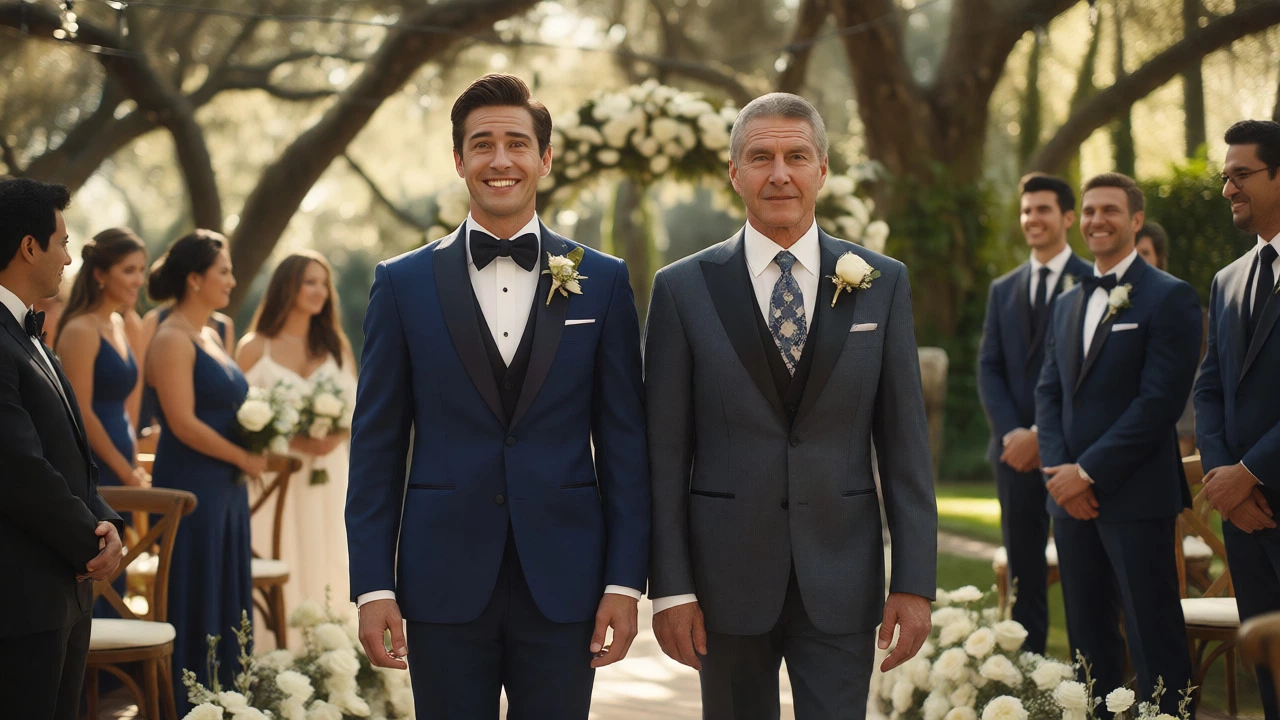
The goal is cohesion, not cloning. You want the families to look like they belong together, but you don’t want the father of the groom to be mistaken for the best man or the groom himself. This is where subtle differences come into play. Maybe the groom wears a navy tuxedo, and the father wears a charcoal suit. Or perhaps everyone wears grey, but the groom’s tie is silver while the dad’s is patterned blue.
Deciding Between a Suit and a Tuxedo
The dress code dictates everything. If your invitation says "Black Tie," a tuxedo is non-negotiable for both the groom and his father. If it says "Formal" or "Cocktail," a well-tailored suit works perfectly. Here is how to break it down based on common Australian wedding scenarios:
- Black Tie: Everyone wears tuxedos. The father’s tuxedo should match the groom’s in style (shawl vs. peak lapel) but can differ slightly in accessories.
- Formal / Semi-Formal: Suits are standard. Dark colors like navy, charcoal, or dark grey are safe bets. Lighter greys work for daytime weddings.
- Casual / Beach: Linen suits or blazers with trousers are acceptable. A full suit might still be expected if the venue is upscale, even if the weather is hot.
| Dress Code | Groom's Attire | Father of the Groom's Attire | Key Difference |
|---|---|---|---|
| Black Tie | Tuxedo | Tuxedo | Accessories (Bow tie color/pattern) |
| Formal | Dark Suit | Dark Suit | Lapel style or pocket square |
| Semi-Formal | Medium Grey/Blue Suit | Lighter Shade or Patterned Tie | Color tone intensity |
| Beach/Casual | Linen Blazer + Trousers | Matching Fabric, Different Cut | Shoes (Loafers vs. Oxfords) |
Who Pays for the Outfit?
This is often the most awkward conversation at the dinner table before the wedding. Traditionally, the groom’s family paid for the groom’s attire and the fathers’ outfits, while the bride’s family covered the bridesmaids and mothers. But let’s be honest: traditions are flexible, especially in 2026.
Most modern couples handle this in one of three ways:
- The Gift Approach: The couple buys the suits as a gift for both fathers. This ensures perfect coordination because the couple controls the purchase.
- The Split Cost: Each father pays for his own suit, but the couple provides a strict color palette or fabric sample to buy from.
- The Full Coverage: The couple covers all attire costs for the entire wedding party and parents. This is becoming increasingly common among younger couples who want total aesthetic control.
If you aren’t sure, ask him directly. Don’t assume he knows what to buy. A simple email saying, "We’d love for you to wear a navy suit to match our theme, and we’re happy to cover the cost if you’d like," clears up the confusion instantly.
Coordination With the Mother of the Groom
Your father doesn’t dress in a vacuum. He needs to complement the mother of the groom. If she’s wearing a bold emerald green dress, a bright orange tie on him might clash horribly. If she’s in a soft pastel, a heavy black suit might feel too severe.
A good rule of thumb is to start with her outfit. Once you know her color and style, pick a suit shade that acts as a neutral backdrop or a complementary accent. For example, if she’s in dusty rose, a light grey or beige suit for him creates a warm, harmonious pair. If she’s in midnight blue, a charcoal or navy suit keeps things sleek and sophisticated.
Don’t Forget the Other Side
While the focus is on the groom’s side, remember that the two families will be photographed together. The father of the bride and father of the groom don’t need to wear identical suits, but they shouldn’t look like they came from different decades either. If the father of the bride is in a sharp Italian-cut slim fit, the father of the groom showing up in a baggy, boxy cut from the 1990s will look outdated next to him. Share photos of potential outfits between both sets of parents early in the process.
Style Tips for the Father of the Groom
Now that the logistics are sorted, let’s talk style. Many older men haven’t bought a new suit in ten years. They might be stuck in styles that no longer fit their bodies or current fashion trends. Here is how to help them look sharp without making them feel self-conscious.
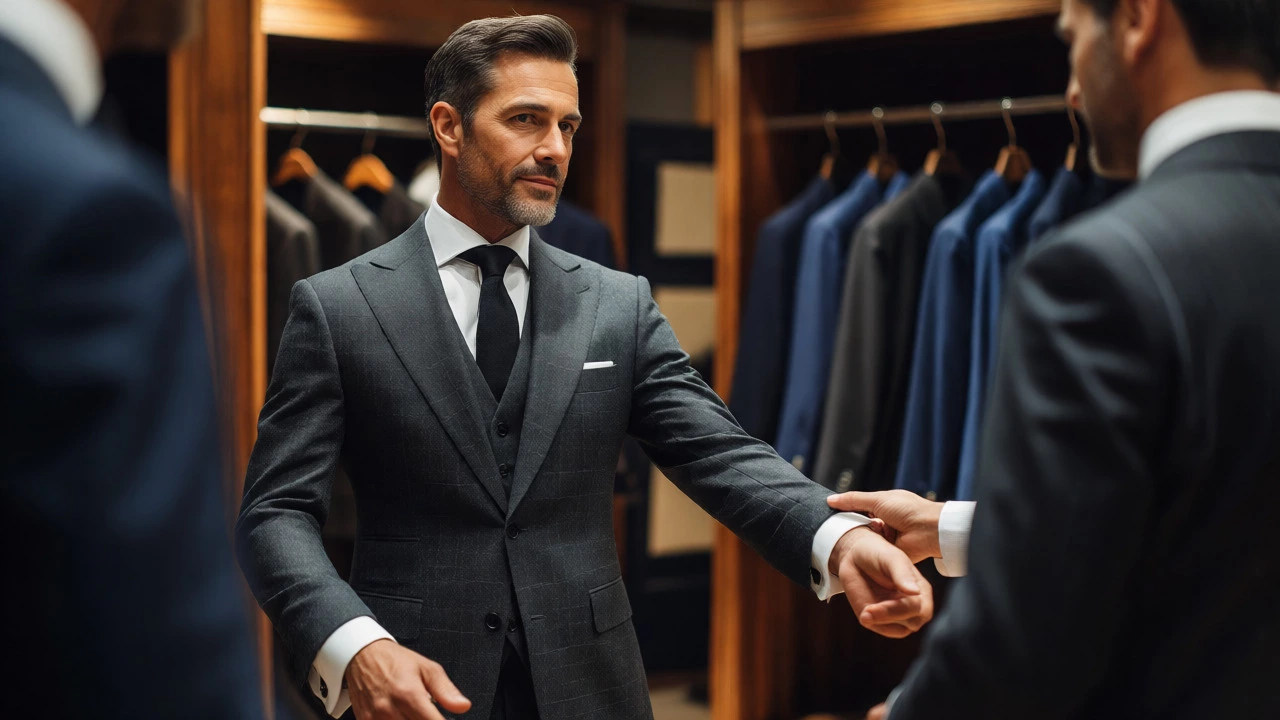
Fit is King: Nothing ruins a good suit faster than bad tailoring. Sleeves should end right at the wrist bone, showing about half an inch of shirt cuff. Jacket shoulders must sit flat against his own shoulders-no padding sticking out, no indentations. Pants should have a slight break at the shoe or no break at all for a modern look. If he’s hesitant to spend money on alterations, explain that a $50 alteration on a $500 suit makes it look like a $1,500 suit.
Comfort Counts: Weddings are long. There’s standing, hugging, dancing, and eating. Stiff fabrics and tight collars are enemies of a happy father-in-law. Look for suits with stretch blends or unstructured jackets that allow movement. In Australia, breathability is key. Wool blends or high-quality synthetics that wick moisture are better than heavy, pure wool if the wedding is in summer.
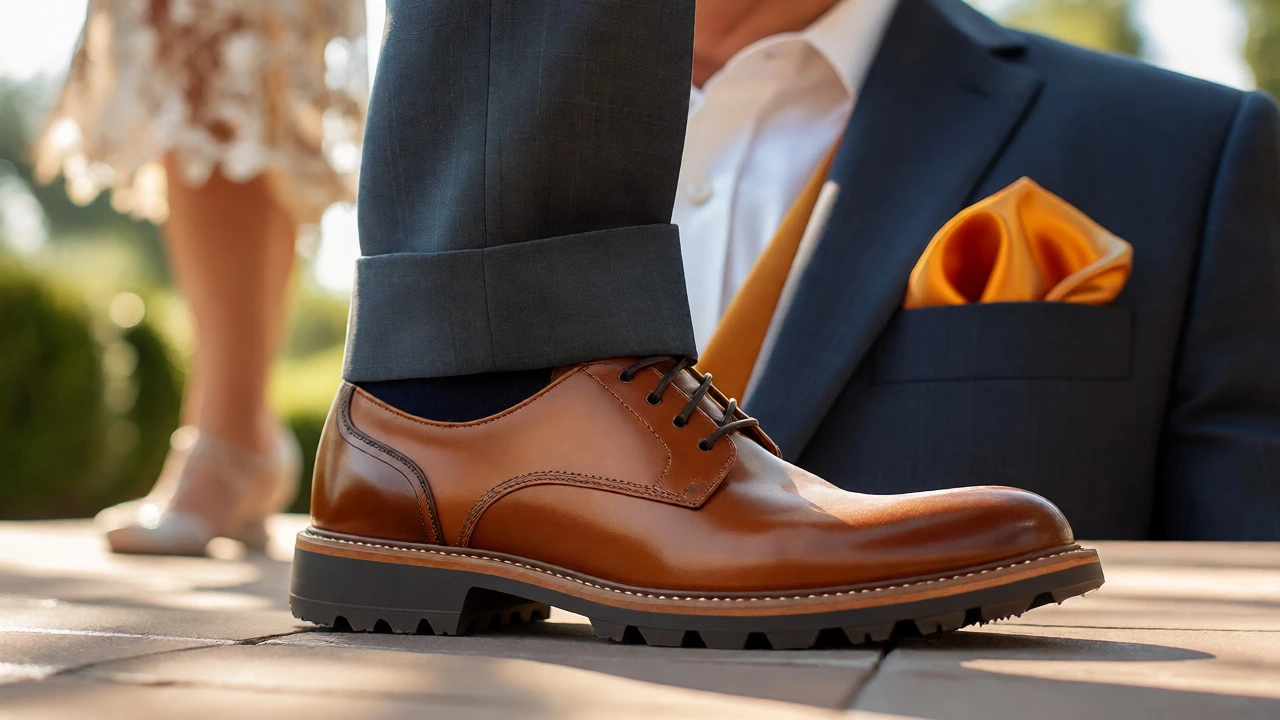
Accessorize Smartly: This is where personality shines. Pocket squares are easy to change and add a pop of color. Cufflinks are a great gift idea if you’re feeling generous. Shoes should be polished and comfortable. If the venue is grassy or sandy, avoid thin leather soles that sink into the ground. Rubber-soled loafers or brogues are practical and stylish alternatives.
Common Mistakes to Avoid
Even with the best intentions, things can go wrong. Here are the biggest pitfalls we see in wedding photos:
- Wearing the Same Suit as the Groom: Unless specifically styled for a minimalist look, this causes confusion. Guests won’t know who to congratulate first.
- Ignoring the Weather: A velvet tuxedo in January in Queensland is a recipe for sweat stains. Always check the forecast and season.
- Last-Minute Shopping: Suits take time to order and alter. Starting six months out is ideal. Three months is doable. One month is stressful.
- Mismatched Belts and Shoes: It sounds basic, but brown belt with black shoes is a classic faux pas. Keep leathers consistent.
What If He Doesn’t Want to Wear a Suit?
Some dads hate suits. They feel restricted, uncomfortable, or just "not them." If your father falls into this category, don’t force it. Work with him to find a middle ground. A high-quality blazer with dress chinos and a crisp shirt can look fantastic for semi-formal weddings. Just ensure it matches the level of effort the rest of the family is putting in. If everyone else is in tuxedos, a blazer might look underdressed. But if the vibe is relaxed, he’ll appreciate the comfort, and the photos will capture his genuine happiness rather than his discomfort.
Does the father of the groom have to wear the same color suit as the groom?
No, they do not need to wear the exact same color. In fact, it is often better if they don't. The goal is to coordinate, not match perfectly. For example, if the groom wears navy, the father might wear charcoal or a lighter blue. This helps distinguish the groom from his family members in photographs and avoids the "twins" effect.
Who traditionally pays for the father of the groom's suit?
Traditionally, the groom's family paid for the groom's attire and the fathers' outfits. However, modern etiquette varies widely. Many couples now pay for all wedding party attire, including parents, to ensure a cohesive look. Others expect each individual to cover their own costs. The best approach is open communication between the couple and the parents early in the planning process.
Can the father of the groom wear a tuxedo if the groom is wearing a suit?
It is generally recommended that the level of formality matches across the main family members. If the groom is wearing a suit, the father should typically wear a suit as well. Wearing a tuxedo when the groom is in a suit can make the father look overdressed and create a visual imbalance. Exceptions might apply for very specific stylistic choices, but consistency is safer.
How far in advance should the father of the groom buy his suit?
Ideally, 3 to 6 months in advance. Custom or made-to-measure suits can take 8-12 weeks alone. Even off-the-rack suits require alterations, which can take 1-2 weeks depending on the tailor's schedule. Buying late risks poor fit or limited availability, especially during peak wedding seasons.
Should the father of the groom match the father of the bride?
They do not need to wear identical outfits, but they should be on the same page regarding formality and style. Both should wear suits if the dress code calls for it, or both tuxedos if it is black tie. Sharing inspiration photos between both families helps ensure neither side looks significantly more dressed up than the other.