Wedding Decor ROI & Budget Calculator
Enter your details to see your recommended decor budget and priority list.
Recommended Decor Budget:
Top 3 Priority Investments:
Select a decor element below to see its impact on guest experience, photo value, and whether it's worth the cost for your specific situation.
Element Name
Impact Level:
--
Guest Awareness:
--
Photo Value:
--
Verdict: --
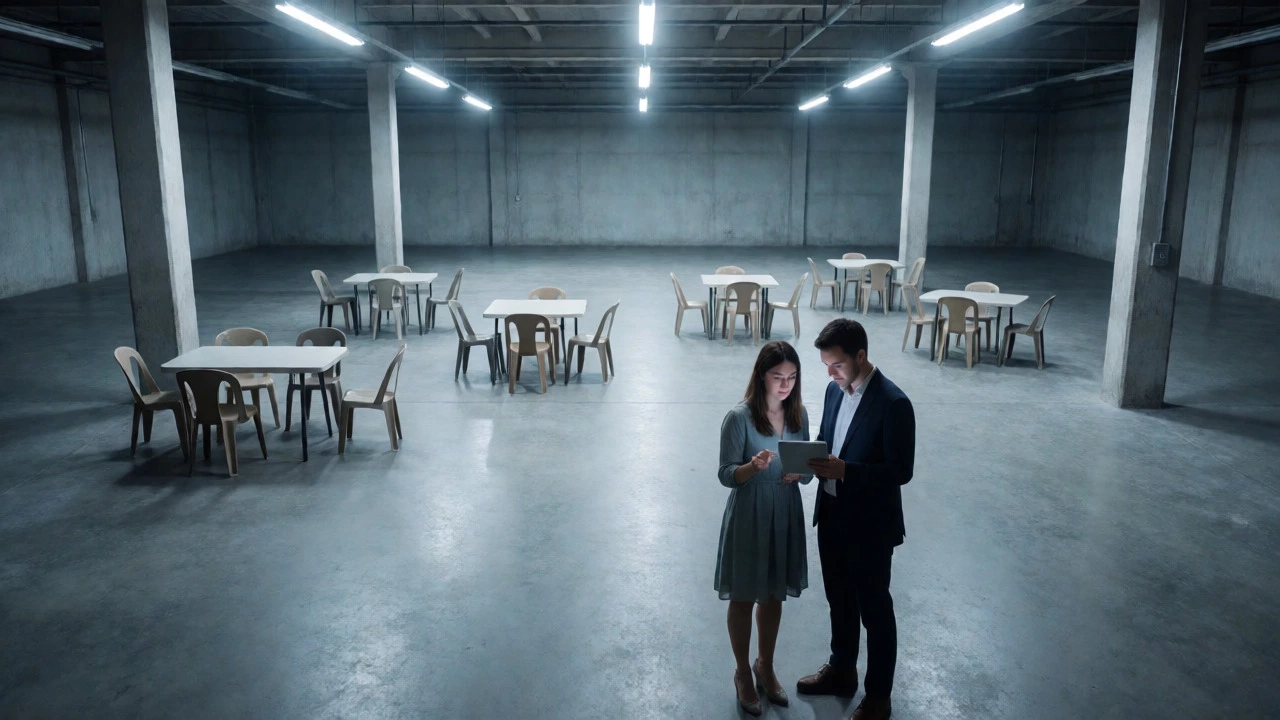
You’re standing in a half-empty warehouse space. The concrete is cold, the lights are harsh, and your bank account is looking at you with judgment. You have $5,000 left for wedding decor. Do you spend it on elaborate floral arches that will wilt by midnight, or do you put it toward better catering? This is the question keeping couples up at 2 AM. It’s not just about aesthetics; it’s about value. Does decor actually matter, or is it just expensive window dressing designed to make photographers happy?
The short answer: Yes, it matters. But not for the reasons Instagram tells you. It matters because of psychology, memory formation, and the basic human need for context. If you treat decor as a separate line item from "experience," you’ll waste money. If you treat it as part of the storytelling, it becomes one of the highest-ROI investments you can make.
The Psychology Behind Visual Context
Think about your last vacation. What do you remember most? Probably not the exact thread count of the hotel sheets. You remember the view from the balcony, the color of the sunset, the way the table was set for dinner. Human brains are wired to encode memories through visual cues. This is known as Environmental Psychology, which suggests that physical surroundings significantly influence mood and behavior.
When guests walk into a wedding venue, they are subconsciously asking, "What kind of event am I attending?" The decor answers that question before anyone says a word. A room filled with mismatched plastic chairs and bare tables signals "budget constraint." A room with intentional lighting, textured linens, and focal points signals "celebration." This isn’t snobbery; it’s cognitive framing. If the environment feels chaotic or unfinished, guests feel unsettled. If it feels curated, they relax. And relaxed guests drink more, dance more, and stay longer.
Where Your Money Actually Goes
Let’s break down where decor dollars go and whether they deliver return on investment (ROI). Not all decor is created equal. Some elements disappear into the background; others become the backdrop for every photo taken that night.
| Decor Element | Impact Level | Guest Awareness | Photo Value | Verdict |
|---|---|---|---|---|
| Ceremony Arch | High | Low (seen once) | Very High | Worth it if photos matter to you |
| Centerpieces | Medium | High (seen all night) | Medium | Keep simple, focus on height/lighting |
| Fairy Lights | High | Medium | High | Best bang-for-buck ambient tool |
| Custom Napkins | Low | Low | Negligible | Skip unless already owned |
| Signage/Wayfinding | Medium | High | Low | Essential for logistics, not style |
Notice the pattern? Elements that affect the entire room’s atmosphere (lighting) or serve as a primary focal point (arch) have higher impact than small, individual details (napkins). Many couples blow their budget on 150 custom napkin rings but skimp on lighting, resulting in a dark, unflattering reception hall. That’s backwards.
The "Instagram Tax" vs. Reality
We live in an era where weddings are documented instantly. Social Media has shifted decor from a personal preference to a public performance. Couples often feel pressured to create "Instagrammable moments"-specifically designed spots for photos. Is this vanity? Sometimes. But it’s also practical marketing for your own marriage. Those photos become the story you tell friends and family for decades.
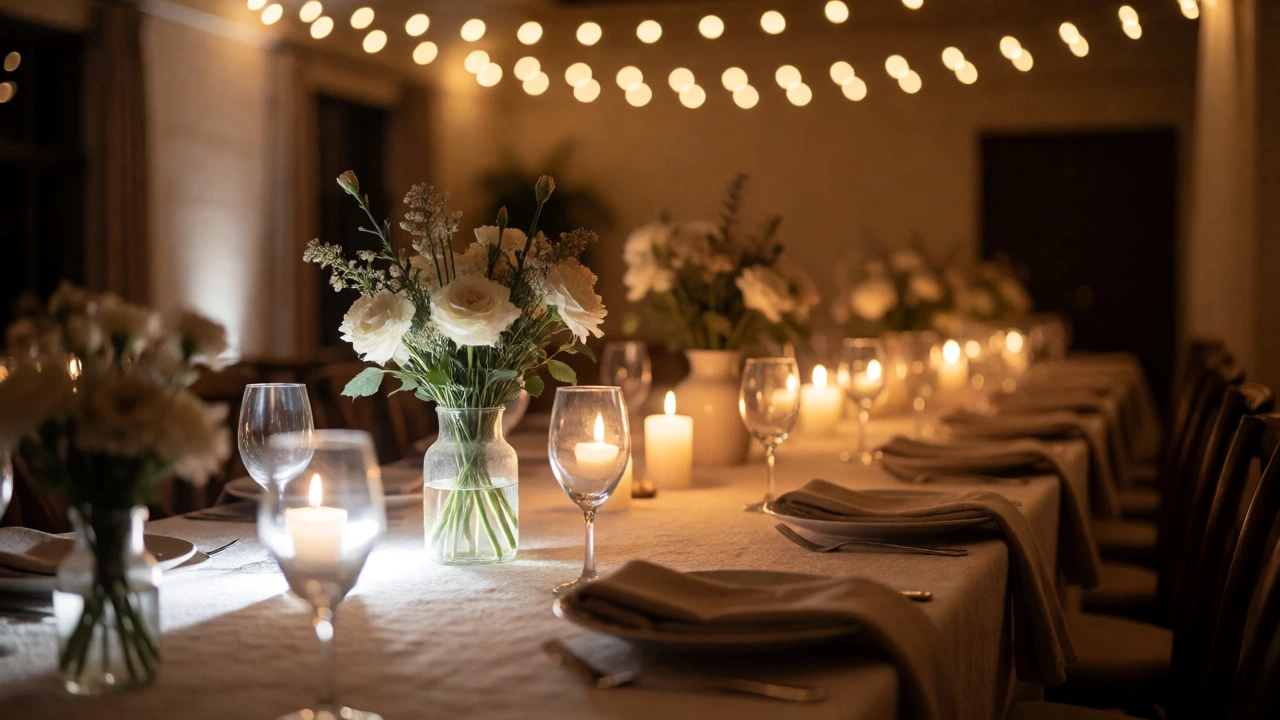
However, there’s a trap. If you spend $3,000 on a flower wall solely for two minutes of photo time, you might regret it when the bill arrives. A smarter approach is multi-purpose decor. For example, a beautifully styled head table doubles as a photo backdrop. A lounge area with comfortable seating serves as both a rest spot for older guests and a cozy corner for candid shots. Design for function first, aesthetics second.
Venue Constraints Are Your Best Friend
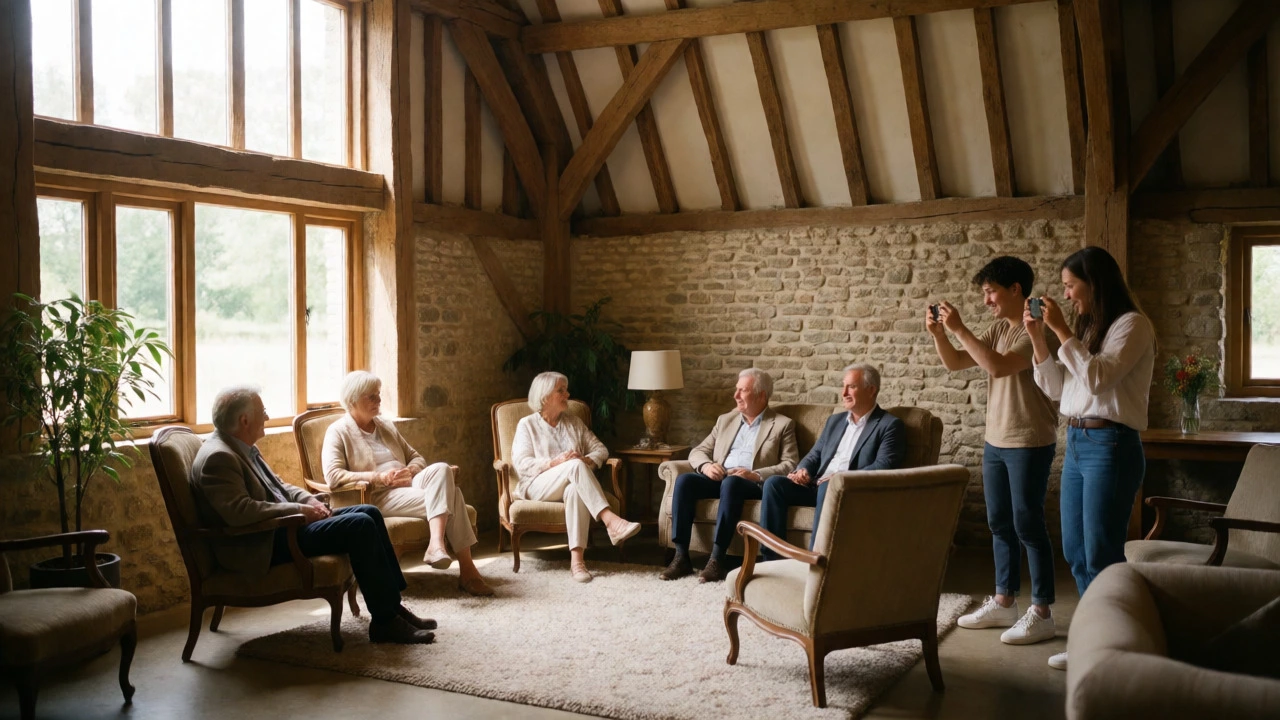
Here’s a secret many planners won’t shout loudly: the right venue does 80% of the decorating for you. A historic barn with exposed beams and natural light needs very little added decor. A sterile hotel ballroom requires heavy lifting. If you choose a venue based on its existing character, you save thousands.
In Sydney, for instance, venues like Carriageworks offer industrial chic spaces that require minimal embellishment. Conversely, a generic conference center demands draping, lighting rigs, and extensive florals to hide its institutional vibe. When touring venues, ask yourself: "Can I see my wedding here without adding anything?" If the answer is no, factor in a 20-30% premium for decor to transform the space.
DIY: Where It Saves and Where It Fails
Do-it-yourself decor is often touted as the great equalizer. But let’s be honest: DIY usually costs more than buying, thanks to hidden labor and material waste. Unless you have specific skills (like floral arranging or carpentry), DIY can lead to stress rather than savings.
- Good DIY: Personal touches like handwritten place cards, framed photos of grandparents, or repurposed family heirlooms. These add emotional value that money can’t buy.
- Bad DIY: Large-scale floral installations, complex lighting setups, or table settings for 100+ people. The time commitment is immense, and the result often looks amateurish compared to professional execution.
A middle ground is hybrid decor. Buy the structural elements (tables, chairs, linens) from the venue or a rental company. Create the soft goods (signage, favors, personal accents) yourself. This balances cost with control.
Lighting: The Invisible Decor
If you only read one section of this article, make it this one. Lighting is the most critical element of wedding decor, yet it’s frequently overlooked. Bad lighting makes beautiful flowers look dull and unflatters everyone in photos. Good lighting creates intimacy, directs attention, and hides imperfections.
Consider these three layers:
- Ambient: The base level of light. Overhead fluorescents are your enemy. Dim them or cover them.
- Accent: Spotlights on the cake, the bar, or the dance floor. This guides guest movement and highlights key areas.
- Decorative: String lights, candles, lanterns. This adds warmth and texture.
Invest in warm-toned bulbs (2700K-3000K). Cool white light (4000K+) feels clinical and hospital-like. If your venue lacks good lighting, renting uplighting or bistro string lights is one of the cheapest ways to completely transform a room’s vibe.
When Decor Doesn’t Matter
Are there scenarios where you can skip the fancy stuff? Absolutely.
- Elopements/Micro-Weddings: With fewer than 20 guests, the focus is entirely on the couple and immediate family. A scenic location beats any floral arrangement.
- Outdoor Daytime Weddings: Nature provides the best decor. Flowers in direct sunlight can wilt quickly, and large installations may block views. Focus on comfort (shade, seating) instead.
- Food-Centric Events: If your priority is a gourmet tasting menu, guests will remember the food, not the centerpieces. Allocate budget accordingly.
But even in these cases, "decor" still exists-it’s just minimal. A clean table setting, a nice chair, and good music are forms of decor. You can’t escape design; you can only simplify it.
Practical Checklist for Budget-Conscious Couples
Before signing contracts, run through this quick audit:
- Does the venue charge extra for bringing in outside vendors? (This kills DIY budgets.)
- Is the lighting included, or do you need to rent it?
- Are linens and basic furniture included in the venue fee?
- Do you have a photographer who specializes in low-light conditions? (If yes, you can get away with dimmer, moodier lighting.)
- Have you prioritized "high-touch" areas (where guests sit) over "low-touch" areas (ceiling decorations)?
Remember, decor is not about impressing your auntie. It’s about creating a container for your celebration. A well-decorated space holds energy better. It encourages conversation. It makes people feel special. That’s worth paying for-but only if you pay strategically.
How much should I spend on wedding decor?
Typically, 8-10% of your total wedding budget goes to decor and rentals. However, this varies wildly based on venue type. If your venue is plain, expect to spend closer to 15%. If it's naturally beautiful, you might drop to 5%. Always prioritize lighting and seating comfort over floral volume.
Do centerpieces need to be tall?
Not necessarily. Tall centerpieces can obstruct sightlines across the table, hindering conversation. A mix of heights works best: some tall pieces for visual interest from afar, and low arrangements so guests can talk easily. Avoid spiky flowers that force guests to lean back uncomfortably.
Is it cheaper to use seasonal flowers?
Yes, significantly. Out-of-season flowers often require air freight, increasing cost and reducing freshness. Ask your florist for local, seasonal options. In Australia, native blooms like Waratahs or Proteas can be stunning and cost-effective alternatives to imported roses.
Can I decorate the venue myself?
You can, but check your contract first. Many venues require certified installers for hanging items due to insurance liabilities. Also, consider the timeline. Setting up decor takes hours. Will you have help? If not, you'll be working while guests arrive, which is stressful.
What is the biggest decor mistake couples make?
Over-cluttering. Trying to fill every empty space leads to visual noise. Leave breathing room. Also, ignoring lighting is a major error. A beautifully decorated room with bad overhead fluorescent lighting will look cheap in photos and feel uninviting in person.