
Wedding Suit Timeline Calculator
You’re staring at the calendar. The wedding is six months away, and you haven’t even looked at a suit yet. Panic sets in. You know you need to look sharp, but the idea of navigating tailors, fittings, and alterations feels overwhelming. The real question isn't just "what should I wear?" but "when do I actually need to start this process?"
Getting your timing wrong can cost you hundreds of dollars in rush fees or leave you scrambling for a rental that doesn’t fit. Getting it right means walking down the aisle feeling confident, comfortable, and completely stress-free. So, how early should you get your suit? The short answer is: six to eight months before the wedding. But the long answer depends entirely on whether you are buying, renting, or getting something custom-made.
The Three Paths: Buying, Renting, or Custom
Before we dive into the specific weeks, you need to decide on your approach. This decision dictates your entire timeline. Most grooms fall into one of three categories, and each has a very different set of rules regarding when to act.
| Method | Lead Time Needed | Cost Range (AUD) | Best For |
|---|---|---|---|
| Off-the-Rack Purchase | 3-4 Months | $300 - $800 | Budget-conscious grooms; standard body types |
| Bespoke/Custom Tailoring | 6-9 Months | $1,500 - $5,000+ | Unique styles; difficult fits; heirloom quality |
| Renting | 2-3 Months | $150 - $400 | One-time use; tight budgets; last-minute plans |
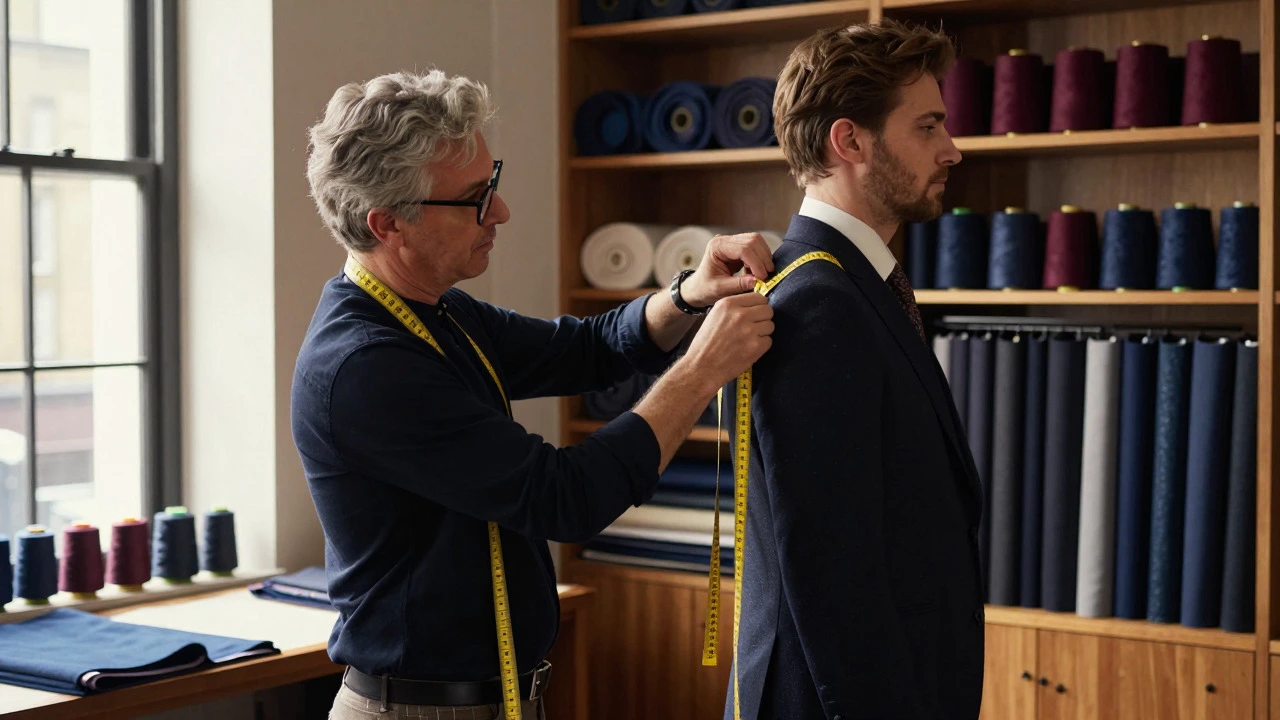
If you are going the bespoke route, where a tailor constructs a suit from scratch based on your measurements, you cannot afford to wait. A high-quality custom suit requires multiple fittings-usually a baste fitting, a forward fitting, and a final fitting. Each step takes weeks. If you start at five months out, you might find yourself wearing a suit that’s slightly too tight because the tailor ran out of time to adjust the shoulders.
On the other hand, if you are buying off-the-rack, you have more flexibility. You can walk into a store like Macy's or a local boutique, buy a suit that fits reasonably well, and then take it to a local tailor for adjustments. This is faster, but it still requires time. Don't assume you can buy a suit the week before the wedding and expect it to look tailored. Good alterations take two to three weeks minimum.
Month-by-Month Timeline for Groom Suits
To make this actionable, let’s break down exactly what you should be doing at each stage. Think of this as your project management plan for looking good.
6-8 Months Before: The Decision Phase
This is where the rubber meets the road. You and your partner need to finalize the wedding theme, venue, and season. A beach wedding in Byron Bay requires a linen suit or a lightweight wool blend. A black-tie event in Sydney’s CBD demands a formal tuxedo. Knowing this helps you narrow down the style.
- Set a budget: Be honest about how much you can spend. Remember to include shoes, shirts, ties, and alteration costs in this number.
- Consult the groomsmen: If you have a wedding party, get their input early. Are they willing to travel to a specific tailor? Do they prefer renting? Aligning expectations now prevents drama later.
- Research vendors: Look for reviews of local tailors or reputable online retailers. If you’re ordering online, check their return policies carefully.
4-5 Months Before: The Shopping & Measuring Phase
It’s time to try things on. Whether you are visiting a bespoke atelier or browsing racks, you need to secure your garment now. For custom suits, this is when you provide your initial measurements. For off-the-rack, this is when you purchase the suit.
A common mistake grooms make is assuming their size hasn’t changed since college. It likely has. Weight fluctuations of even 5 kilograms can throw off a fit significantly. If you are planning to lose weight before the wedding, tell your tailor. They can build the suit with extra fabric in the seams to allow for letting out. If you plan to gain weight, buy a size up and have it taken in.
2-3 Months Before: The First Fitting
If you went custom, you’ll have your first major fitting here. The suit will be partially constructed. The tailor checks the shoulder width, chest room, and waist suppression. Don’t be shy about speaking up. If it feels tight across the back when you sit down, say so. It’s easier to fix structural issues now than to tweak hems later.
For those who bought off-the-rack, this is when you take the suit to your local alterer. Bring the shirt you plan to wear. The collar length and sleeve length of the jacket depend heavily on the shirt’s dimensions. Mismatched sleeves are a classic amateur error.
1 Month Before: The Final Polish
All garments should be in your possession by now. This is the time for the final fitting. Try on the complete ensemble: suit, shirt, tie, shoes, and socks. Walk around. Sit down. Raise your arms. Does the jacket pull? Do the trousers ride up?
Also, don’t forget the accessories. A great suit looks terrible with scuffed shoes. Break in your new leather shoes now. Wear them around the house to prevent blisters on the big day. If you’re renting, pick up the suit a few days before the wedding to ensure it arrives on time and isn’t damaged during shipping.
Common Pitfalls to Avoid
Even with a solid timeline, things can go sideways. Here are the most frequent traps grooms fall into and how to sidestep them.
The "I'll Lose Weight" Gamble: Trying to diet aggressively while waiting for a custom suit is risky. If you lose more weight than expected, the tailor may not have enough fabric to let the suit out. Aim for a stable weight before getting measured. If you must change your weight, do it gradually and communicate constantly with your tailor.
Ignoring the Season: Buying a heavy worsted wool suit for a summer wedding in Queensland is a recipe for disaster. You will sweat through your shirt within an hour. Opt for tropical wools, linen, or cotton blends for warm weather. Conversely, don’t buy a thin linen suit for a winter wedding in Melbourne; you’ll freeze, and the fabric will wrinkle instantly.
Forgetting the Groomsmen: Your groomsmen have lives, jobs, and other commitments. They won’t prioritize suit fittings unless you make it easy for them. Offer to pay for their rentals or contribute to their purchases. Schedule group fittings if possible, or give them clear deadlines. If you leave it to them, half of them will show up in ill-fitting clothes.

What If You’re Late?
Life happens. Maybe you got engaged later than expected, or you just procrastinated. If you’re less than three months out, don’t panic. You still have options.
Your best bet is off-the-rack with expedited alterations. Many dry cleaners and tailors offer rush services for an additional fee. You can also look at fast-fashion retailers that stock trendy suits in standard sizes. While the fabric quality might not match a high-end brand, a well-fitted cheap suit always beats a poorly fitted expensive one.
Renting is another viable late-stage option. Major rental chains often have inventory ready to go. Just be sure to read the fine print about damage fees and return dates. Returning a rented suit stained with champagne can cost you more than the rental itself.
Final Thoughts on Groom Style
Ultimately, the goal isn’t just to follow a timeline; it’s to feel like yourself on your wedding day. The suit is a tool for confidence. When you know it fits perfectly, you stop thinking about your clothes and start focusing on your partner, your friends, and the celebration.
Start early. Communicate clearly with your tailor or vendor. And remember, the best suit is the one that makes you feel unstoppable. Now, go measure yourself.
How many months before the wedding should I buy my suit?
You should aim to purchase your suit 3 to 4 months before the wedding if buying off-the-rack. This allows ample time for alterations. If you are getting a custom-made suit, start the process 6 to 9 months in advance to accommodate multiple fittings and construction time.
Can I get a suit made in less than 2 months?
Yes, but your options are limited. Off-the-rack suits with rush alterations are feasible. Some tailors offer "express" bespoke services, but these come with significant rush fees and may compromise on detail quality. Renting is also a quick option, as inventory is usually readily available.
Should I rent or buy my wedding suit?
Renting is cheaper upfront ($150-$400 AUD) and ideal if you never plan to wear a suit again. Buying ($300-$800+ AUD) is better if you want a perfect fit, higher quality fabric, and a garment you can reuse for future events. Consider the long-term value and your personal style preferences.
How much does it cost to alter a wedding suit?
Alteration costs vary by location and complexity. In Australia, simple hemming might cost $30-$50, while taking in the waist or adjusting shoulders can range from $80 to $150+. Always get a written quote before handing over your suit. Complex structural changes are more expensive and time-consuming.
What if I gain or lose weight after buying my suit?
Minor fluctuations (2-3 kg) can usually be adjusted by a tailor. However, significant weight loss may require letting out seams, which is only possible if there is enough extra fabric inside. Significant weight gain may make the suit unwearable without replacing parts. Inform your tailor of your weight goals early to build in flexibility.
Do I need to bring my shoes to the suit fitting?
Yes, absolutely. The heel height of your shoes affects the length of your trousers. Wearing the actual shoes you plan to wear on the wedding day ensures your pants break correctly over the shoe and aren’t too long or too short.