
Groom Suit Timeline Planner
Configuration
Your Action Plan
Waiting for input...Imagine this: It’s two weeks before your wedding. You’re stressed about the cake tasting and the seating chart. Then you remember-you haven’t even looked at your suit. Panic sets in. Is it too late to get fitted? Can you still rent something decent? Or did you just doom yourself to wearing an ill-fitting off-the-rack jacket that looks like it was borrowed from a high school drama club?
This scenario is more common than you’d think. While brides often start planning their dresses nine to twelve months out, grooms tend to treat their attire as an afterthought. But here’s the truth: getting your wedding suit right takes time, especially if you want it to fit perfectly and match the wedding’s aesthetic.
The Short Answer: Start Early
If you want a stress-free experience, aim to start looking for your suit six to eight months before the wedding. This window gives you plenty of room to shop around, order custom pieces, or secure rentals without rushing. If you’re working with a tighter budget or a simpler style, four to six months might work-but anything less than three months puts you in danger zone territory.
Why so early? Because tailoring isn’t instant. Even off-the-rack suits need alterations. And if you’re going custom, you’re looking at multiple fittings over several weeks. Plus, popular styles and sizes sell out fast, especially during peak wedding season (May through October).
Understanding Your Options: Rental vs. Purchase vs. Custom
Before diving into timelines, let’s break down your main options. Each has different lead times and considerations.
| Option | Lead Time Needed | Best For | Average Cost |
|---|---|---|---|
| Rental | 2-3 months | Budget-conscious grooms, one-time use | $150-$400 |
| Off-the-Rack Purchase | 1-2 months | Grooms who already know their size/style | $200-$800 |
| Custom/Tailored Suit | 3-6 months | Perfect fit, unique designs, reusability | $800-$3,000+ |
Suit rental is a service where you borrow a formal outfit for a set period, typically including cleaning and return logistics. It’s convenient but requires booking early because inventory is limited. Popular colors like black, navy, and charcoal go quickly.
Off-the-rack purchase means buying a pre-made suit from a retailer, which may require minor alterations for a better fit. This option works well if you have a standard body type and don’t mind some compromise on fit.
Custom tailored suit refers to a garment made specifically for your measurements and design preferences, offering superior fit and personalization. This is ideal if you plan to wear the suit again or want something truly unique.
Peak Season vs. Off-Season: Timing Matters
Wedding season in most regions runs from May to October. During this time, demand for suits spikes. Tailors are booked solid, rental shops run low on stock, and prices can increase due to higher demand. If your wedding falls within this window, add an extra month to your timeline.
For example, if your wedding is in June, start shopping by January or February. That gives you enough buffer for delays, unexpected sizing issues, or last-minute changes. In contrast, winter weddings (November-March) see less competition, so you might get away with starting closer to the date-though I wouldn’t recommend waiting longer than three months.
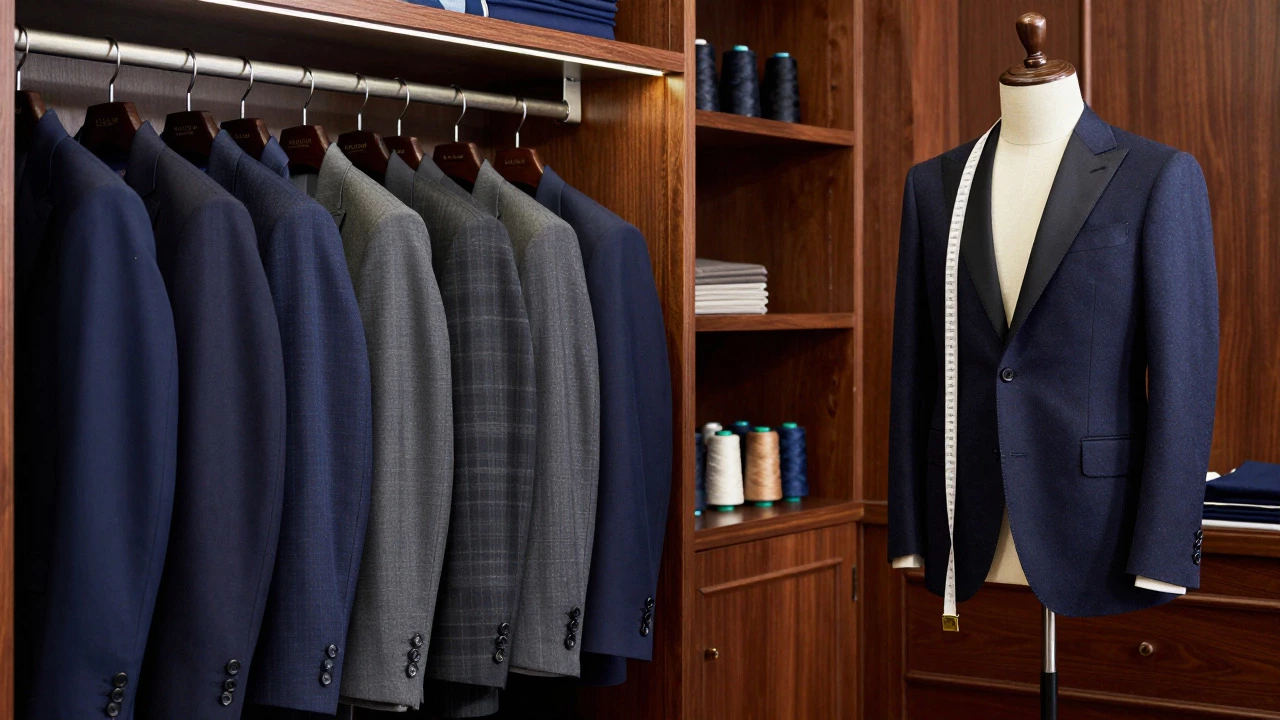
Step-by-Step Timeline for Getting Your Suit Right
Here’s a practical breakdown of what you should do and when:
- 6-8 Months Before: Decide whether you’re renting, buying, or going custom. Discuss budget and style with your partner. Check if they’ve chosen a color palette or theme that influences your choice.
- 5-7 Months Before: Research vendors. Read reviews, visit stores, and ask for recommendations from friends who recently got married. If going custom, find a reputable tailor and book your first consultation.
- 4-6 Months Before: Place your order or reserve your rental. If buying off-the-rack, try on several options and pick one that fits reasonably well. Order any accessories (ties, shoes, cufflinks) now-they often take time to ship.
- 3-4 Months Before: Schedule your first fitting. Bring any specific shirts or shoes you plan to wear so the tailor can account for them. Take notes on what needs adjustment.
- 2-3 Months Before: Second fitting. Most custom suits require at least two adjustments. Ensure everything feels comfortable and looks sharp. Don’t skip this step-it makes all the difference.
- 1 Month Before: Final pickup or delivery. Try on the complete ensemble with your shoes and shirt. Make sure nothing rides up, pulls, or sags. If renting, confirm return dates and care instructions.
- 2 Weeks Before: Steam or press your suit. Remove wrinkles and ensure it’s ready for the big day. Keep it stored properly-on a hanger, covered, away from moisture.
What If You’re Running Late?
Life happens. Maybe you forgot, maybe plans changed, or maybe you just procrastinated. Here’s how to salvage the situation:
- Under 3 Months: Focus on rentals or off-the-rack purchases with quick alteration services. Some tailors offer express turnaround for small fixes like hemming pants or taking in sleeves.
- Under 1 Month: Visit local boutiques that carry ready-to-wear suits. Look for sales or clearance sections. Avoid online-only retailers unless they guarantee fast shipping and easy returns.
- Last Week: Emergency mode. Go to department stores with extensive men’s sections. Buy whatever fits closest and head straight to a nearby tailor for emergency alterations. Expect to pay premium rates.
Pro tip: Always keep a backup plan. Have a contact number for a reliable tailor saved in your phone. Know which stores near you carry formalwear. And never assume you’ll “just figure it out”-because chances are, you won’t.
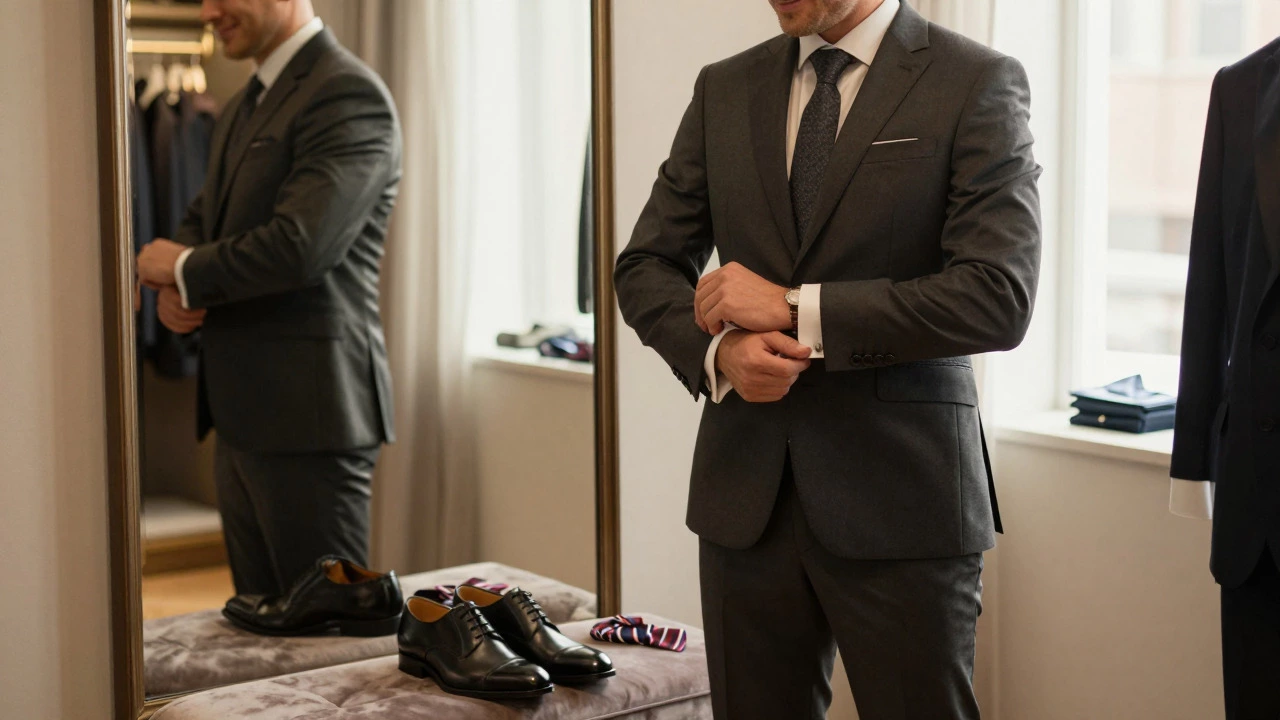
Common Mistakes Grooms Make (And How to Avoid Them)
I’ve seen too many grooms fall into these traps. Learn from their mistakes:
- Waiting Until the Last Minute: As discussed, this leads to poor choices, rushed decisions, and inflated costs. Start early.
- Ignoring Fit: A cheap suit that fits well beats an expensive one that doesn’t. Prioritize comfort and proportion over brand names.
- Not Coordinating With the Bride: Your outfits should complement each other. Share photos and discuss colors early to avoid clashes.
- Skipping Accessories: Shoes, ties, pocket squares-they matter. They tie the look together. Don’t leave them till the night before.
- Assuming One Size Fits All: Bodies vary. What worked for your brother may not work for you. Get measured professionally.
Special Considerations for Different Wedding Styles
Your wedding vibe affects your suit choice-and therefore your timeline.
Beach Weddings: Lightweight fabrics like linen or cotton blends are best. These materials breathe well but wrinkle easily. Plan accordingly-steam frequently and consider having a spare shirt handy.
Formal Black-Tie Events: Tuxedos require precise tailoring. Lapel width, button stance, and trouser length all matter. Allow extra time for customization.
Casual Outdoor Ceremonies: Sport coats, chinos, and loafers might suffice. Still, coordinate with the bride and check venue rules. Some outdoor spaces ban certain footwear or require closed-toe shoes.
Final Thoughts: Don’t Let Your Suit Be an Afterthought
Your wedding day deserves attention to detail-including what you wear. Whether you’re renting, buying, or crafting a bespoke masterpiece, give yourself enough time to make smart choices. Rushing leads to regret; planning leads to confidence.
Start today. Book that appointment. Call that tailor. Browse those catalogs. Future-you will thank present-you when you walk down the aisle looking sharp, feeling great, and completely prepared.
How far in advance should a groom get his suit if he's renting?
Aim to reserve your rental 2-3 months before the wedding. Popular styles and sizes fill up quickly, especially during peak season. Booking early ensures availability and avoids last-minute surprises.
Can I buy a suit off-the-rack and still look good?
Yes, absolutely. Off-the-rack suits can look fantastic if altered properly. Focus on finding a base fit that’s close to your body shape, then invest in professional tailoring for sleeves, waist, and pants length.
Is it worth spending more on a custom suit?
If you value perfect fit, durability, and reusability, yes. Custom suits cost more upfront but last longer and feel better. They’re also fully personalized to your taste and physique.
What if I gain or lose weight before the wedding?
Minor fluctuations (up to 5 lbs) usually don’t affect fit significantly. Larger changes may require additional alterations. Inform your tailor early so they can adjust allowances accordingly.
Do I need to bring my wedding shoes to the fitting?
Highly recommended. Shoe height affects pant break and overall silhouette. Bringing them helps the tailor achieve accurate proportions and prevents awkward bunching or dragging.
How many fittings do I need for a custom suit?
Typically two to three. The first establishes baseline measurements, the second refines details, and the final confirms perfection. More complex designs may require extra sessions.
Should I match my groomsmen’s suits exactly?
It depends on your vision. Matching creates unity, while slight variations highlight your role as the groom. Coordinate colors and formality levels, but allow flexibility for individual comfort.
What’s the biggest mistake grooms make with their suits?
Waiting too long. Procrastination limits options, increases stress, and reduces quality. Starting early gives you control over every aspect of your look.