Wedding Photography Budget Calculator
Configure Your Needs
Estimated Cost & Analysis
Enter your details and click Calculate to see the breakdown.
Picture this: you’re scrolling through your wedding photos five years from now. You laugh at the awkward dance moves, you cry seeing your grandmother’s smile, and you remember exactly how the light hit the venue during golden hour. Now, imagine those moments were captured by someone who was tired, under-equipped, or simply didn’t care because they were rushed against a tight clock. It happens more often than you’d think.
The question isn’t just "how much does a photographer cost?" It’s "what is the value of preserving these memories for the rest of your life?" In 2026, with inflation impacting creative industries and technology changing what we expect from digital files, pricing has shifted. If you’re planning a wedding in Sydney or anywhere else in Australia, knowing where to put your money matters. Spending too little can leave you with blurry, unedited images. Spending too much might force you to cut corners elsewhere, like food or music.
The Real Cost Breakdown: What Are You Actually Paying For?
When you see a price tag for wedding photography, it’s easy to assume you’re paying for hours behind a camera. You aren’t. You are paying for expertise, equipment insurance, post-production labor, and business overhead. Let’s break down why the numbers look the way they do.
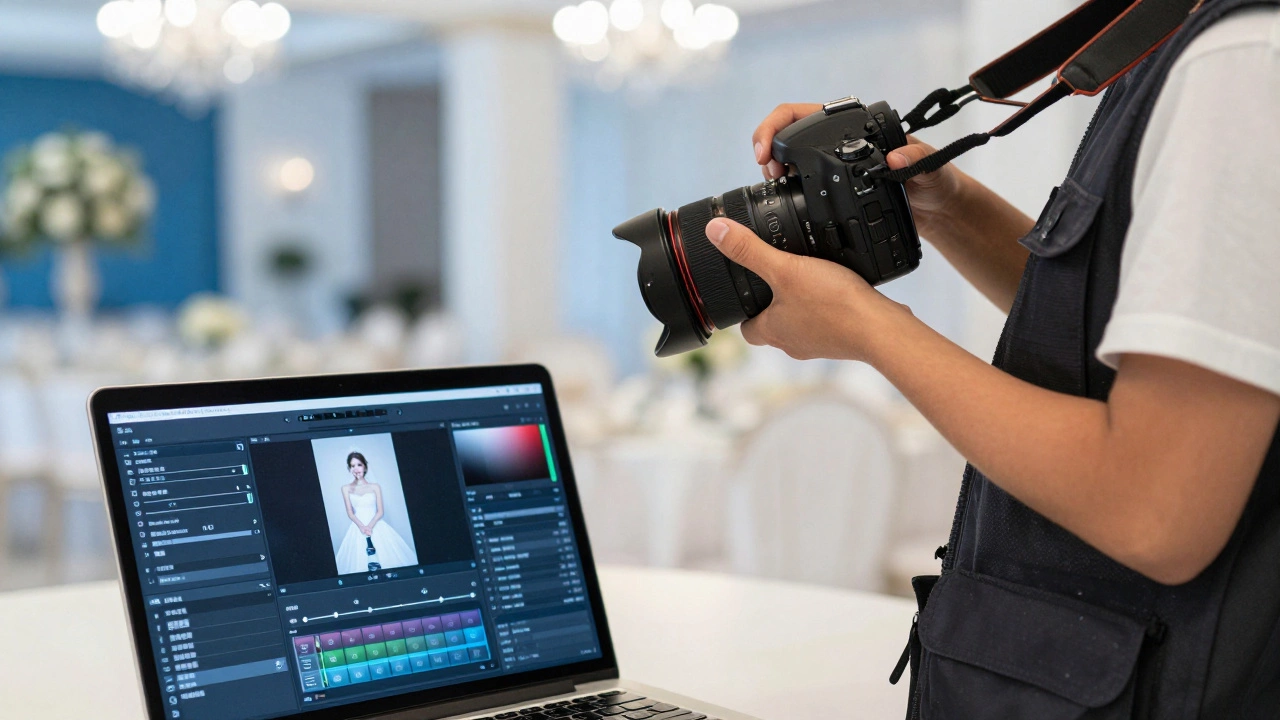
A professional photographer doesn’t just show up and click. They scout locations months in advance. They carry backup bodies, lenses, and flashes worth tens of thousands of dollars. They edit hundreds, sometimes thousands, of images using specialized software like Adobe Lightroom and Photoshop. This editing process alone can take 15-30 hours per wedding. That’s a full work week spent retouching skin tones, balancing white balance, and cropping compositions.
| Service Level | Coverage Hours | Estimated Price Range (AUD) | What’s Included |
|---|---|---|---|
| Budget / Emerging Talent | 4-6 hours | $1,500 - $2,500 | Basic coverage, minimal editing, digital download only |
| Mid-Range Professional | 8-10 hours | $3,000 - $5,500 | Full day coverage, second shooter option, high-res edits, online gallery |
| Premium / Luxury | 10+ hours | $6,000 - $12,000+ | Artistic direction, multiple shooters, engagement shoot included, print album, expedited delivery |
Notice the gap between the budget and premium tiers? It’s not just about fancy cameras. It’s about consistency. A premium photographer has a proven track record of handling low-light receptions, chaotic family groupings, and unexpected weather without missing key moments. They also carry liability insurance, which many venues require.
Where Does Photography Fit in Your Overall Budget?
Most couples struggle with allocating funds because everything feels important. However, industry standards suggest a rough percentage breakdown to keep things balanced. Traditionally, photography accounts for about 10-15% of the total wedding budget. In recent years, as social media has made visual content king, some couples bump this to 15-20%.
If your total budget is $20,000 AUD, that means setting aside $2,000 to $4,000 specifically for imaging. But here’s the catch: if you skimp on photography to save on flowers, you’ll have beautiful blooms but no permanent record of them. Conversely, if you overspend on photos and cut the catering budget, guests will remember the bad food long after they forget the lighting in the reception hall.
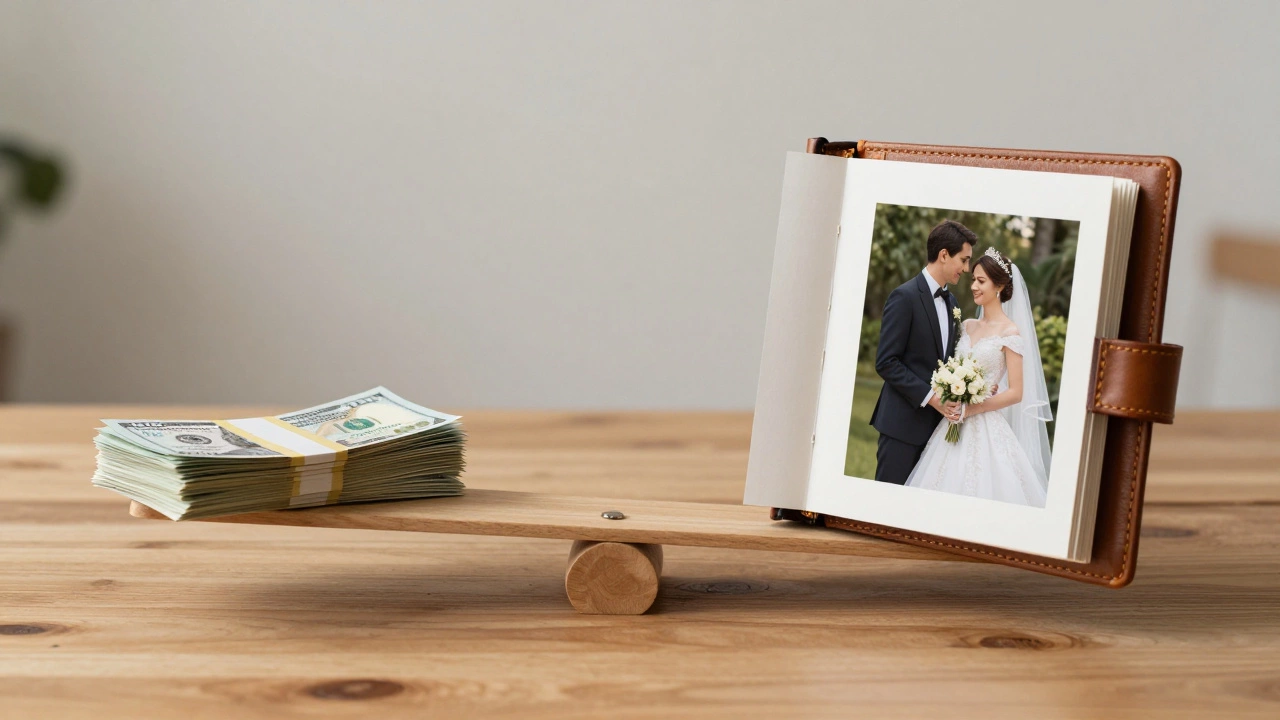
Think of photography as an investment in legacy. Your dress gets stored away. The cake gets eaten. The decorations get thrown out. The photos stay. They become part of your family history, shown to future generations. That emotional weight justifies a higher allocation compared to temporary decor.
Factors That Skyrocket (or Lower) the Price
Not all weddings cost the same to photograph. Several variables influence the final quote. Understanding these helps you negotiate or adjust expectations realistically.
- Seasonality: Peak season in Sydney runs from November to April. Demand is high, and photographers charge premium rates. Off-season months (May-October) often come with discounts of 10-20%.
- Location: Urban venues like Sydney CBD command higher fees due to parking costs, travel time, and permit requirements. Rural or regional locations may incur travel surcharges if the photographer needs to fly or drive long distances.
- Number of Shooters: A single photographer can miss candid moments happening simultaneously-like the father giving a speech while the bride laughs in the crowd. Adding a second shooter increases the cost but ensures comprehensive coverage.
- Deliverables: Do you want just digital files? Or do you desire a leather-bound heirloom album? Printing quality photos is expensive. High-quality paper, binding, and design labor add $1,000-$3,000 to the package.
- Experience Level: A photographer with 10+ years and published features in magazines charges more than someone who just graduated. Their eye for composition, ability to direct poses, and calm demeanor under pressure are priced into their rate.
One hidden cost? Overtime. Most contracts include a set number of hours (e.g., 8). If your reception runs late, you pay an hourly fee-usually $150-$300 per hour. Plan your timeline tightly to avoid surprise invoices.
Hidden Fees to Watch Out For
Transparency is key. Some photographers list a base price but bury extra charges in the fine print. Before signing, ask about these potential add-ons:
- Travel Expenses: Fuel, tolls, accommodation, and meals for out-of-area shoots.
- Tax: GST (Goods and Services Tax) is typically excluded from quoted prices in Australia. Ensure you know if the price is inclusive or exclusive.
- Raw File Requests: Many photographers refuse to release unedited raw files. If you insist, they may charge a licensing fee ($200-$500) because raw images are unfinished products that don’t represent their artistic style.
- Rush Delivery: Standard turnaround is 6-12 weeks. Need photos in two weeks for a honeymoon slideshow? Expect a rush fee of 20-50%.
Always request a detailed contract that outlines every expense. Verbal promises don’t hold up when disputes arise.
How to Save Money Without Sacrificing Quality
You don’t need to bankrupt yourself to get stunning photos. Here are practical strategies to reduce costs while maintaining professionalism.
- Book Off-Peak Dates: Saturday weddings in December are the most expensive. Choose a Friday, Sunday, or mid-week date. Photographers often offer significant discounts for non-Saturday bookings.
- Shorten Coverage Time: If you’re having a small ceremony and intimate dinner, you might not need 10 hours. Book 6-7 hours covering the getting-ready, ceremony, portraits, and first dance. Skip the late-night party shots if they’re not essential to you.
- Skip the Engagement Shoot: While great for testing chemistry, engagement sessions add $500-$1,000. If you’re comfortable with the photographer from initial meetings, waive this requirement.
- Negotiate Payment Plans: Many photographers allow split payments. Pay a deposit to secure the date, then pay the remainder in installments leading up to the wedding.
- Look for Rising Talent: Search for photographers with 1-3 years of experience. They’re building portfolios and often charge lower rates while delivering high-quality work. Check their full galleries-not just highlights-to ensure consistency.
Never compromise on reliability. A cheap photographer who cancels last minute is worse than no photographer at all. Always verify reviews, check references, and confirm backup plans for equipment failure.
Red Flags: When Low Prices Signal Trouble
If a quote seems too good to be true, it probably is. Prices below $1,500 AUD for full-day coverage in major cities like Sydney should raise alarms. Here’s why:
- No Insurance: Professional photographers carry public liability insurance. If they trip over a cable and damage your venue’s floor, you could be liable. Cheap operators rarely insure themselves.
- Amateur Editing: Free apps produce flat, inconsistent colors. Professional editors spend hours color-grading each image to match your vision. Low-cost packages often deliver JPEGs straight out of the camera.
- Lack of Contracts: Reputable photographers use detailed contracts outlining deliverables, cancellation policies, and copyright ownership. Avoid anyone who says "we don’t need paperwork."
- Unrealistic Promises: "We’ll deliver 1,000 photos in 48 hours!" is a warning sign. Quality takes time. Rushed jobs lead to missed details and poor curation.
Remember: you’re hiring a storyteller, not just a button-pusher. Their ability to capture emotion, anticipate moments, and handle stress is priceless.
Final Thoughts: Value Over Price
So, how much should you spend? Aim for 10-15% of your total budget, adjusted for your priorities. If photography is your top priority, shift funds from other areas. If it’s secondary, find a reliable mid-range provider rather than the cheapest option.
In 2026, the market rewards transparency and skill. Don’t let fear of high costs push you toward unreliable vendors. Invest in someone who makes you feel comfortable, communicates clearly, and delivers consistently beautiful results. Your future self will thank you when flipping through those albums decades later.
Is it worth hiring a second photographer?
Yes, if your guest count exceeds 100 or you have simultaneous events (e.g., groom getting ready while bride does). A second shooter captures angles a single person can’t reach, ensuring no key moment is missed. Expect to pay an additional $800-$1,500 AUD for this service.
Can I hire my friend who owns a DSLR to save money?
It’s risky. Friends lack professional training in lighting, composition, and workflow management. They may also feel uncomfortable directing strangers or handling stressful situations. Unless they have a portfolio of paid client work, stick with professionals to guarantee quality.
How far in advance should I book my photographer?
For peak seasons (Nov-Apr), book 12-18 months ahead. Popular photographers fill their calendars quickly. For off-season dates, 6-9 months is usually sufficient. Securing your preferred vendor early prevents last-minute panic and limited options.
Do I own the rights to my wedding photos?
Typically, no. Photographers retain copyright to their work. You receive a personal license to print, share, and display the images privately. Commercial use (selling prints, advertising) requires separate permission. Always clarify usage rights in your contract.
What if the photographer cancels last minute?
Reputable photographers have backup plans, including associate shooters they can recommend. Ask about their contingency policy during consultations. Ensure your contract includes clauses for illness, equipment failure, or unforeseen emergencies to protect your investment.
Should I tip my wedding photographer?
Tipping is optional but appreciated, especially if they go above and beyond. In Australia, tipping isn’t customary, but a gift card or cash bonus ($100-$300) is a nice gesture for exceptional service. It’s never expected, so don’t feel pressured.
How many photos will I receive?
Expect 500-1,000 edited images for an 8-hour wedding. This varies based on shooting style (documentary vs. posed) and event length. Quality matters more than quantity; a curated selection of impactful shots is better than hundreds of duplicates.