Wedding Cake Servings Calculator
Stop guessing. Use this calculator to determine how many slices you need for your specific reception style.
0
Total Slices Needed
Recommended Tier Configuration
You’ve picked the flavor. You’ve chosen the baker. Now comes the math problem that keeps every couple up at night: how many slices do you actually need? It’s not just about feeding everyone; it’s about budget, waste, and whether your guests will leave hungry or throw away half a tier. For 100 guests, the answer isn’t as simple as "one slice per person." Most bakers use specific formulas based on serving sizes, but real-world factors like alcohol consumption and other desserts change the equation completely.
The Short Answer (And Why It’s Complicated)
If you want a quick rule of thumb, plan for 100 to 120 servings. This assumes standard event-sized slices, which are smaller than what you’d get at a birthday party. However, if you’re serving only cake with no other sweets, bump that number up to 150. If you have a candy bar or late-night snacks, you can drop it to 80. The goal is to avoid the awkward moment where the last few people get crumbs while the first hundred got full slices.
| Dessert Strategy | Servings Per Guest | Total Servings for 100 Guests | Risk Level |
|---|---|---|---|
| Cake Only (Main Dessert) | 1.2 - 1.5 | 120 - 150 | Low (Safe bet) |
| Cake + Candy Bar/Late Night | 0.8 - 1.0 | 80 - 100 | Medium (Check guest list) |
| Cake + Multiple Desserts | 0.6 - 0.8 | 60 - 80 | High (May run short) |
Understanding Serving Sizes: Event vs. Party Style
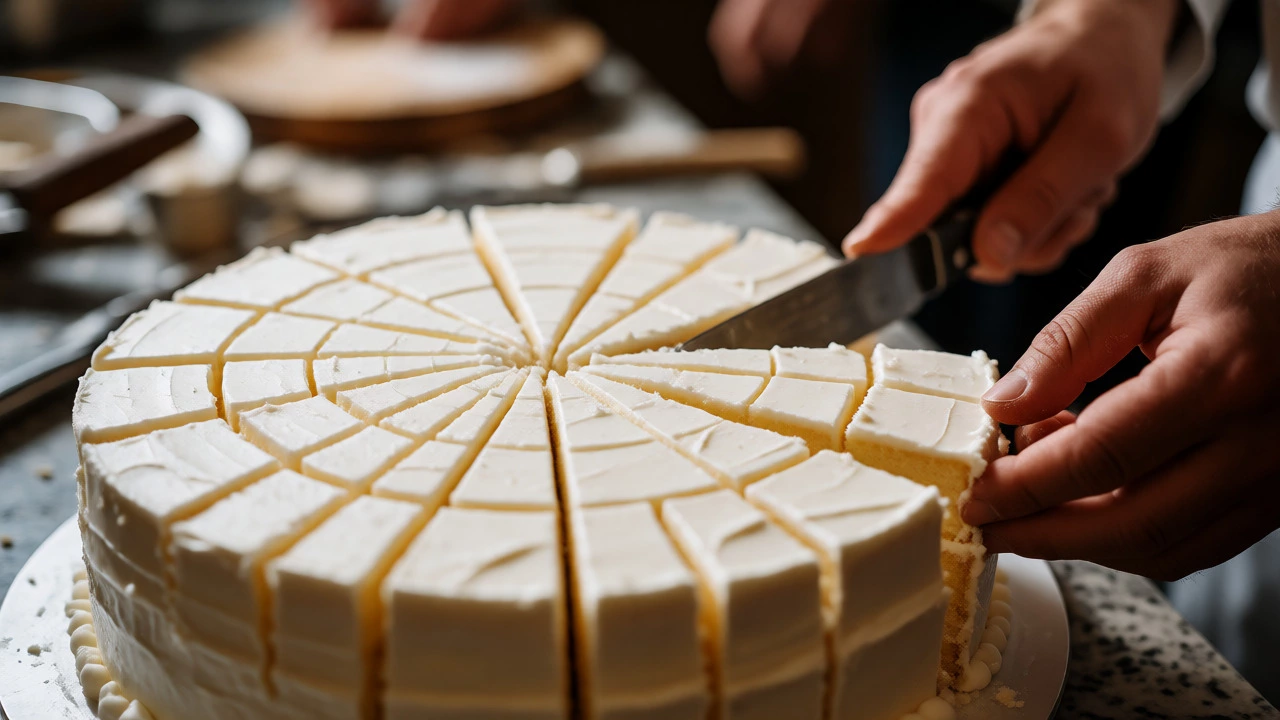
Here is where most couples get tripped up. When you ask a bakery for a quote, they aren’t talking about the big triangular wedge you cut at home. They are quoting "event style" portions. These are typically 1 inch by 2 inches by 4 inches tall. That sounds small because it is. But in a wedding context, people are often tipsy, tired, and full from dinner. A large slice feels heavy.
There are three main types of cuts you’ll encounter:
- Event Style (Standard): Small, rectangular slices. Easy to serve quickly during cocktail hour or after dinner. Best for tight budgets and large crowds.
- Party Style: Larger, triangular wedges. More generous. Use this if cake is the star of the show and there are no other desserts.
- Hybrid Approach: Cut some tiers into event style for mass distribution and one tier into party style for VIPs or those who really want a big piece.
For a wedding with 100 guests, sticking to event-style sizing for at least 70% of the cake is usually the smartest financial move. You save money on ingredients and labor, and you reduce food waste.
Tier Sizing Breakdown for 100 Guests
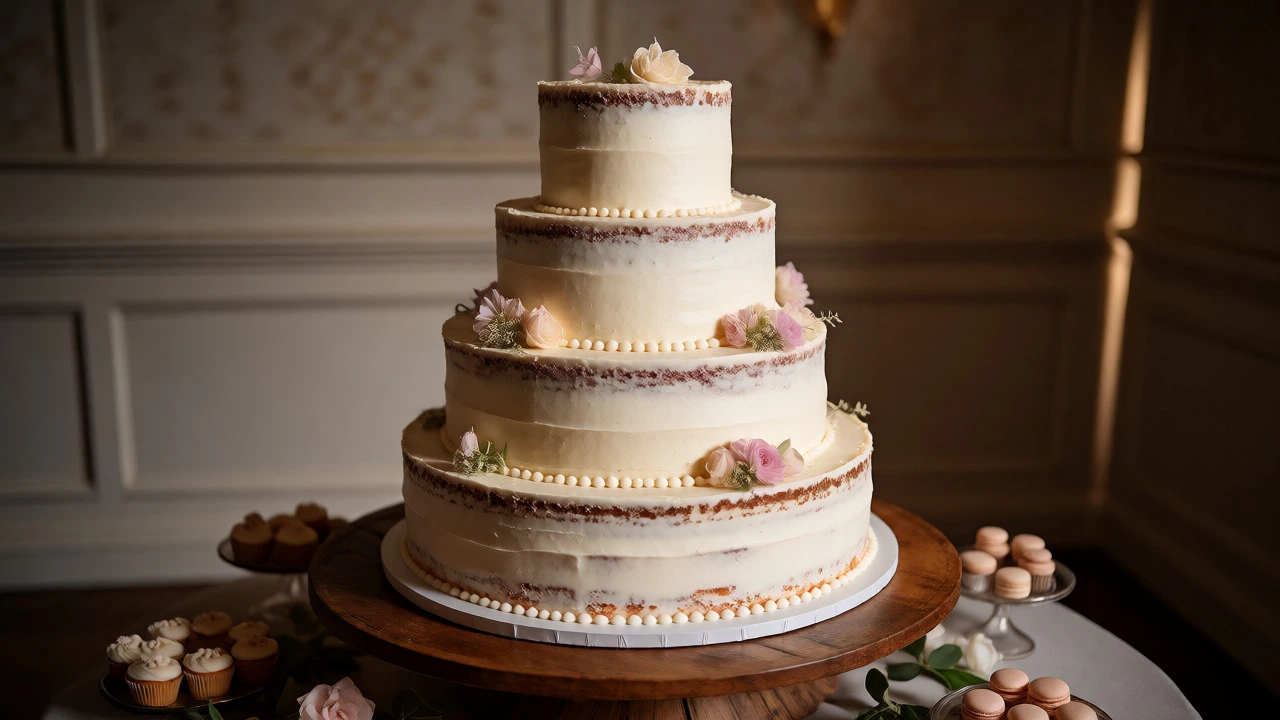
So, what does a cake that serves 100-120 people actually look like? It’s rarely a single giant cake. Most bakers recommend stacking tiers to create visual height and variety. Here are two common configurations that hit the mark.
Option 1: The Classic Three-Tier Stack
This is the most popular choice for weddings under 150 guests. It looks substantial without being overwhelming.
- Bottom Tier (10 inches): Serves approximately 40-50 people.
- Middle Tier (8 inches): Serves approximately 20-30 people.
- Top Tier (6 inches): Serves approximately 10-15 people.
Total Capacity: ~70-95 servings. Wait, didn’t we say we need 100+? Yes. This configuration is slightly short unless you supplement with cupcakes or cake pops. If you go this route, order extra sheets of sheet cake hidden in the kitchen to top off the numbers.
Option 2: The Four-Tier Stack
If you want to be safe and skip the extra baking, add another layer. This gives you breathing room and allows for different flavors on each tier.
- Bottom Tier (12 inches): Serves 60-70 people.
- Second Tier (10 inches): Serves 40-50 people.
- Third Tier (8 inches): Serves 20-30 people.
- Top Tier (6 inches): Serves 10-15 people.
Total Capacity: ~130-165 servings. This is the safer bet for 100 guests. You’ll likely have leftovers, but having too much cake is better than running out. Plus, the top tier is traditionally saved for the couple’s first anniversary, so factor that in.
Factors That Change Your Math
Numbers on a chart don’t account for human behavior. You need to adjust your final count based on these real-world variables.
The Alcohol Factor
Alcohol suppresses appetite for sweet things. If you’re serving a lot of champagne, beer, and wine, guests might nibble on their cake rather than devour it. Conversely, if you have a dry bar or limited drink options, people tend to eat more dessert to satisfy their palate. For a high-alcohol reception, stick to the lower end of the serving estimates (1.0 per guest). For low-alcohol events, aim higher (1.2-1.5 per guest).
The Age Demographic
Who is coming to your wedding? Younger crowds (20s-30s) generally have bigger appetites and are more likely to take multiple slices if given the chance. Older demographics (50+) often prefer lighter portions. If you have a lot of children, consider adding a separate table of cookies or cupcakes. Kids rarely wait for the formal cake cutting and might grab a handful of sweets before dinner even ends, reducing demand for the main cake.
Timing of Service
Are you serving cake immediately after dinner, or later in the evening? If you serve it right after the meal, guests are still full. Demand will be lower. If you push cake service to 10 PM, when the dance floor is heating up and stomachs have settled, people are more likely to grab a second slice. Late-night service requires more buffer stock.
Alternatives to Traditional Tiers
Not everyone wants a stacked masterpiece. In Sydney, we’ve seen a huge rise in alternative formats that make portion control easier and cheaper.
Sheet Cakes Hidden in the Kitchen
This is the industry secret for saving money. You buy a beautiful, small display cake (maybe 2-3 tiers) for photos and the ceremonial cutting. Then, you order plain sheet cakes baked in the same flavor to be served from the back. Sheet cakes are significantly cheaper per serving because they require less decoration and structural support. You can easily scale up the quantity without blowing the budget.
Dessert Tables
Instead of one giant cake, offer a spread. Think macarons, mini tarts, brownies, and a smaller central cake. This approach lets guests self-select their portion size. People who don’t want cake can grab a tart; those who do can take two slices. It reduces waste because you aren’t forced to buy 100 slices of cake if only 60 people want it.
Naked or Semi-Naked Cakes
These rustic styles often use denser sponge layers and less buttercream filling. Because they are denser, a smaller slice feels more satisfying. Bakers often calculate fewer servings per inch for naked cakes compared to heavily frosted ones, so clarify this with your provider.
Common Mistakes to Avoid
I’ve seen couples panic-order too much cake or run out entirely. Here is how to dodge those pitfalls.
- Ignoring the "Plus Ones": Did you send invitations to couples? If 80 people invited means 100 actual attendees, base your math on the RSVP count, not the invite count. Always round up.
- Assuming Everyone Eats Cake: Some guests are vegan, gluten-free, or diabetic. If you don’t have alternatives, you might have 10-15 people who won’t touch the main cake. Order a separate platter of GF or vegan bites instead of trying to accommodate them within the main count.
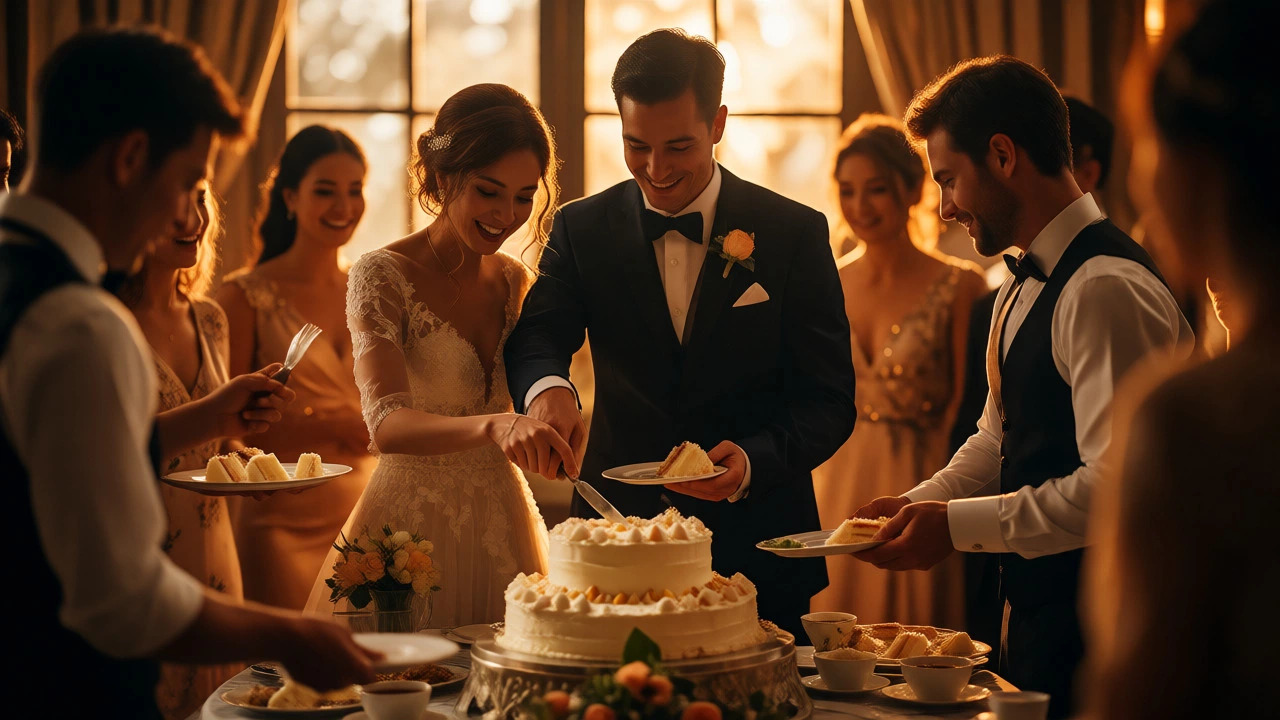
- Forgetting the Cutting Cost: Many venues charge a "cake cutting fee" if you bring in an outside baker. This covers the labor and dishes. Ask if this fee includes serving staff. If not, you might need extra help to distribute slices efficiently, which affects how quickly cake disappears.
- Underestimating Waste: Decorations like flowers, toppers, and intricate piping aren’t edible. If you have a highly decorated cake, the actual edible yield might be 10% less than the theoretical serving count.
Pro Tips for Finalizing Your Order
Ready to talk to your baker? Walk in prepared with these details to get an accurate quote.
- Provide the Exact RSVP Count: Don’t guess. Give them the number of confirmed attendees. Add a 5% buffer for last-minute additions.
- Specify Slice Size Preference: Tell them explicitly, "I want event-style slices," or "I want party-style wedges." This prevents confusion between your expectation and their standard.
- Ask About Leftovers: Will the venue box up remaining cake for you? Is there a cost for packaging? Knowing this helps you decide if you should order extra.
- Consider Flavor Variety: With 100 guests, you might have diverse tastes. Offering two flavors across the tiers ensures everyone finds something they like. Vanilla bean and chocolate fudge are classic crowd-pleasers. Lemon elderflower is great for spring weddings in Australia.
Frequently Asked Questions
Is one slice per guest enough?
Usually, yes, if you are using event-style slicing. However, it is risky to rely on exactly 100 slices for 100 guests. Human error, dropped slices, and enthusiastic guests taking seconds mean you should always aim for 110-120 servings to ensure no one goes without.
What is the difference between event and party slices?
An event slice is a small rectangle, roughly 1x2 inches, designed for quick service and portion control. A party slice is a larger triangle, similar to what you cut at home. Event slices allow you to feed more people with less cake, making them more cost-effective for large weddings.
Do I need to pay for the top tier separately?
No, the top tier is included in the total cake price. However, it is often designated as the "anniversary tier" and may not be served to guests. If you want to serve the top tier to guests, tell your baker so they can structure the cake to allow for easy removal of all layers.
Can I mix different flavors in one cake?
Yes, absolutely. Most bakers allow you to choose a different flavor for each tier. This is a great way to cater to various preferences among your 100 guests. Just ensure the flavors complement each other visually and taste-wise if guests take pieces from multiple tiers.
What if I have dietary restrictions among my guests?
It is best to order a separate, smaller cake or platter for guests with specific needs (gluten-free, vegan, nut-free). Trying to slice special diets from the main cake can lead to cross-contamination and confusion. Plan for 5-10% of your guest list to have dietary restrictions and order accordingly.