
Wedding Photography Budget Calculator
Your Details
Enter your details to see a realistic price estimate.
Picture this: you’ve just finished your first dance, the lights are dim, and everyone is cheering. You look forward to capturing that exact moment forever. But later, when you check your bank account, you realize that stunning image came with a price tag that shook your foundation. wedding photography budget planning isn’t just about picking a pretty portfolio; it’s about understanding what you’re actually paying for before the big day arrives.
In Sydney and across Australia, couples often underestimate how much professional documentation costs. The average spend can range wildly depending on style, experience, and deliverables. If you don’t map out your financial limits early, you risk either overspending or settling for photos that don’t reflect the joy of your celebration. Let’s break down exactly where your money goes and how to stretch every dollar without sacrificing quality.
Understanding What Drives Photography Costs
Before you start looking at galleries, you need to understand why one photographer charges $3,000 while another asks for $8,000. It’s not always about ego. Several concrete factors dictate the final invoice.
| Factor | Impact on Price | Why It Matters |
|---|---|---|
| Experience Level | High | Veterans with 10+ years handle crisis situations better than juniors. |
| Hours Covered | Medium | Each extra hour adds labor and editing time. |
| Second Shooter | Medium | Captures simultaneous events (e.g., bride getting ready while groom waits). |
| Editing Style | Low-Medium | Heavy retouching or cinematic color grading takes more post-production time. |
| Travel & Accommodation | Variable | Destination weddings require flights, hotels, and meals. |
Experience is the biggest differentiator. A seasoned pro has likely handled rainstorms, late vendors, and shy families. They know how to light a dark church reception in seconds. A newer photographer might offer lower rates but may lack that instinctive problem-solving ability. Decide if you value safety and proven track records over saving a few hundred dollars.
Also, consider the "hidden" work. Editing hundreds of RAW files takes hours. When you pay for a package, you’re paying for the shoot and the post-production. Cheaper photographers sometimes cut corners here by delivering fewer edited images or using automated presets that lack personal touch.
Setting Your Realistic Budget Range
So, how much should you actually set aside? In the current Australian market, typical ranges look like this:
- Budget-Friendly ($2,500 - $4,500): Usually includes 6-8 hours, one photographer, digital delivery only. Great for intimate elopements or small backyard weddings.
- Mid-Range ($5,000 - $7,500): Often includes 10+ hours, a second shooter, engagement session, and high-resolution online gallery. This is the sweet spot for most traditional weddings.
- Premium/Luxury ($8,000+): Top-tier artists, extensive coverage (day-before prep), albums included, drone footage, and expedited editing.
A good rule of thumb? Allocate 10-15% of your total wedding budget to photography. Why so high? Because while the cake gets eaten and the flowers wilt, your photos last decades. If your total budget is $30,000, aiming for $3,000-$4,500 is realistic. If you’re spending $60,000, expect to invest $6,000-$9,000 for top-tier documentation.
Don’t be afraid to negotiate. Some photographers offer flexible packages. Maybe you don’t need an engagement shoot. Maybe you’re happy with digital files instead of a printed album. Removing these extras can drop the price significantly without losing the core service.
Hidden Fees to Watch Out For
The quoted price is rarely the final price. I’ve seen contracts surprise couples with add-ons they didn’t anticipate. Here’s what to ask about upfront:
- Overtime Rates: If your reception runs late, will you pay hourly? Is there a cap?
- Travel Expenses: Does the quote include fuel and parking? For regional NSW locations, tolls and long-distance travel fees apply.
- Meals: Most pros require a meal during the event. Factor in catering costs for them.
- Printing Rights: Do you own the rights to print your photos, or do you only get display rights? Full transfer usually costs extra.
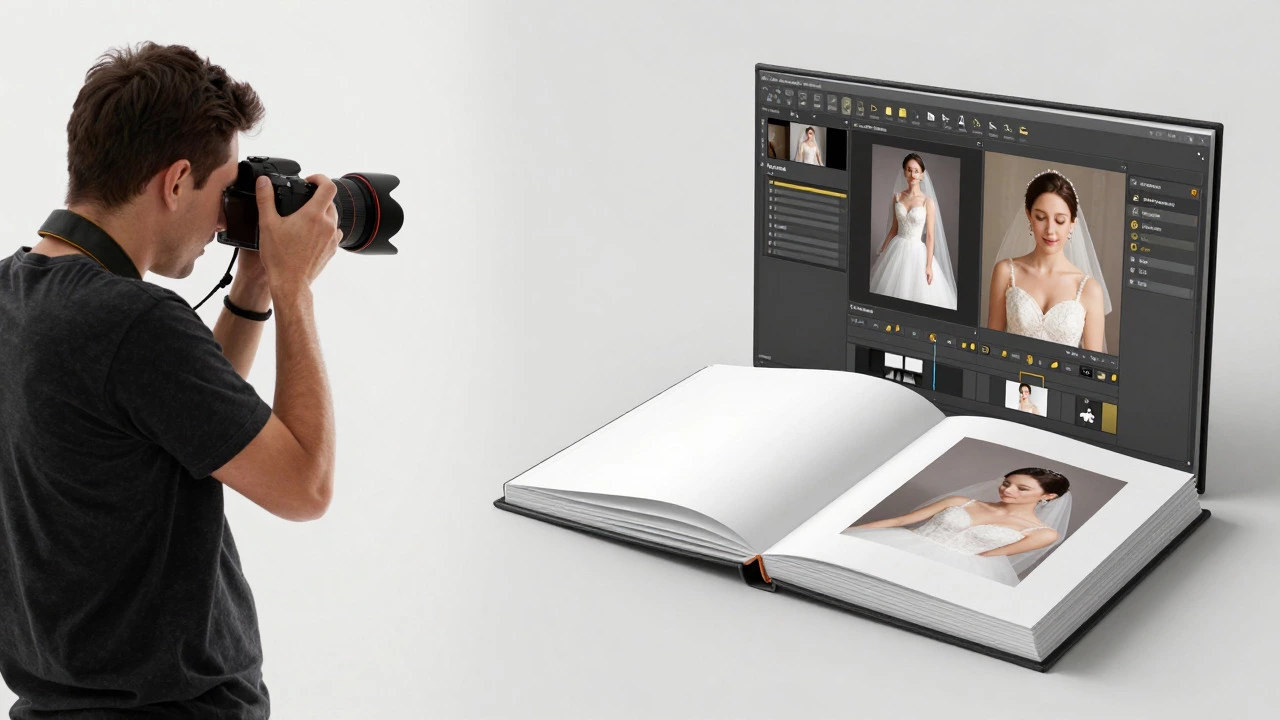
- Album Production: Digital files are cheap; physical books are expensive. Clarify if the album is included or priced separately.
Ask for a detailed breakdown. If a photographer says "it depends," push for specifics. Ambiguity leads to stress later.
Smart Strategies to Save Without Sacrificing Quality
You don’t have to break the bank to get beautiful images. Try these practical tactics:
- Book Off-Peak: Saturdays in December are premium pricing. Wednesdays, Sundays, or shoulder months (May, September) often come with discounts.
- Skip the Engagement Shoot: If you’re tight on cash, waive the pre-wedding session. Use that savings for extra hours on the wedding day itself.
- Limit Guest Count: Fewer guests mean faster group photos. Less time spent herding people equals less pressure on the timeline and potentially shorter coverage needs.
- Choose Natural Light Venues: Dark venues require expensive lighting gear and more setup time. Bright, airy spaces make the photographer’s job easier and faster.
- Go Digital Only: Printed albums are lovely but costly. Start with digital files and upgrade to prints later when you have more breathing room financially.
Another tip: look for emerging talent. Check Instagram hashtags like #SydneyWeddingPhotographer or #NSWWeddings. Newer photographers building their portfolios often charge less but still use professional-grade equipment. Just review their full galleries, not just highlights.
Questions to Ask Before Signing
Never book based on price alone. Always verify compatibility and reliability. Here are five critical questions:
- "What happens if you get sick or injured on our day? Do you have a backup network?"
- "Can we see three full wedding galleries from start to finish, not just curated best shots?"
- "How many edited photos will we receive per hour of coverage?"
- "Is there a rush fee for faster delivery?"
- "Are taxes and insurance included in the quote?"
If a photographer hesitates to show full galleries, run. Curated reels hide inconsistencies. You want to see how they handle bad lighting, awkward moments, and large groups.
Payment Plans and Contracts
Most photographers require a deposit (usually 20-50%) to secure your date. The rest is due 30-60 days before the wedding. Ask if they offer payment plans. Spreading the cost over six months reduces financial strain.
Read the contract carefully. Look for cancellation policies. Life happens. If you need to postpone due to illness or family emergency, will you lose your deposit? Some pros offer date changes within a year without penalty. Others keep the fee. Know your risks.
Also, confirm the delivery timeline. Standard turnaround is 6-12 weeks. If you need photos sooner for announcements or gifts, ask about expedited services-and yes, they cost extra.
Is it worth hiring a second shooter?
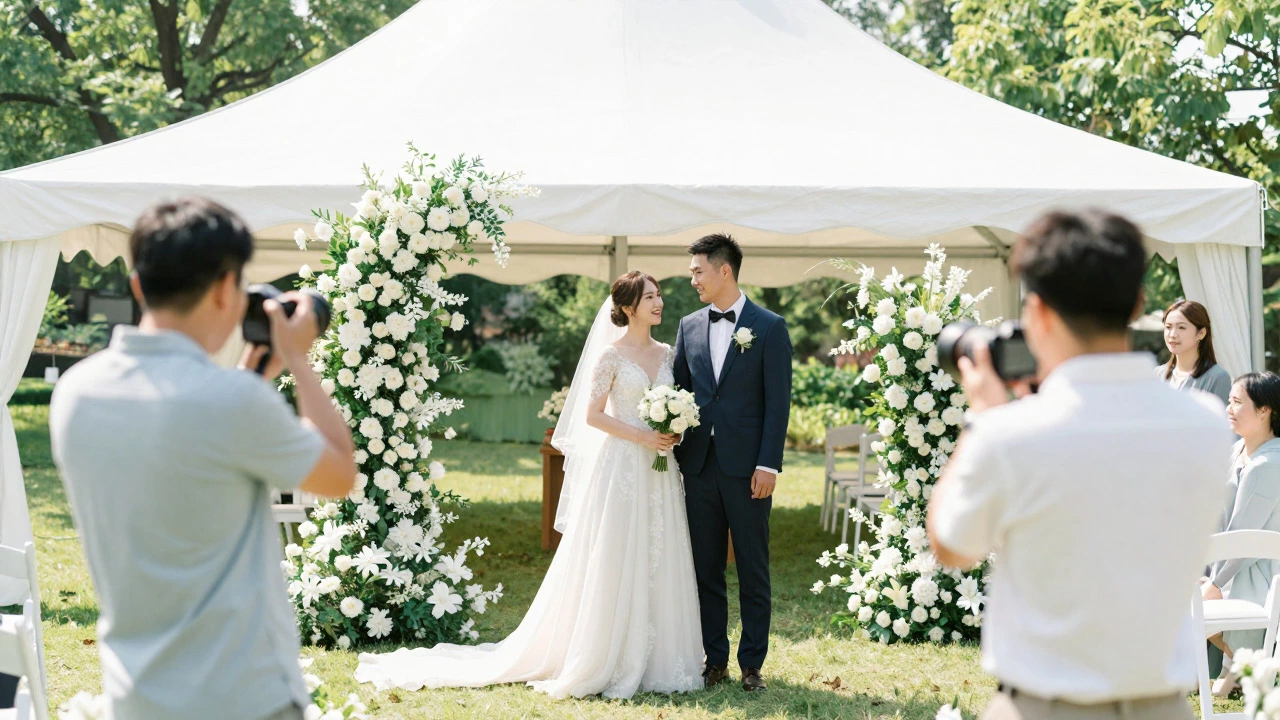
Yes, if you want comprehensive coverage. A second shooter captures details the main photographer misses, such as reactions during vows or candid guest interactions. It also provides backup in case of equipment failure. However, if you prefer a minimalist, documentary style with fewer posed shots, one skilled photographer may suffice.
Should I buy a physical album?
Physical albums are heirlooms. While digital files are convenient, studies show printed photos are displayed and shared more often. If budget allows, invest in a high-quality album. If not, start with digital and order prints later. Many photographers offer album upgrades after the wedding.
How far in advance should I book my photographer?
In popular markets like Sydney, book 12-18 months ahead. Top photographers fill up quickly. Booking early also gives you leverage to negotiate packages or lock in current pricing before annual increases.
What if I’m unhappy with the photos?
Review the contract for revision policies. Most pros allow minor edits. Major dissatisfaction is rare if you vetted portfolios thoroughly. To minimize risk, request a sneak peek gallery within two weeks of the wedding to ensure style alignment.
Do I need to tip my wedding photographer?
Tipping isn’t mandatory in Australia but is appreciated for exceptional service. A common gesture is 10-15% of the base fee or a thoughtful gift. It acknowledges their hard work and long hours.