Wedding Reception Energy Estimator
Reception Vibe Score
Based on expert strategies for momentum and engagement.
Picture this: The cake is cut, the first dance ends, and suddenly... silence. Guests are standing around holding lukewarm drinks, checking their phones, or whispering about whether they should leave early. It’s the nightmare scenario every couple dreads. You’ve spent months planning the perfect day, but without sustained energy, even the most beautiful venue feels empty. Keeping a wedding lively isn’t just about having a DJ; it’s about orchestrating momentum, managing guest psychology, and creating moments that pull people in rather than pushing them out.
The secret to a high-energy reception lies in pacing and interaction. Most couples make the mistake of treating the reception as a series of disconnected events-ceremony, dinner, speeches, dancing-rather than a continuous narrative arc. When you understand how to bridge these gaps with intentional entertainment and engagement tactics, you transform passive observers into active participants. Here is how you ensure your celebration stays electric from the first toast to the last dance.
Master the Art of Pacing and Flow
Energy dips happen when there are too many pauses between key moments. If your dinner service takes two hours and there’s nothing happening on the floor during that time, you will lose your crowd. The goal is to maintain a baseline level of activity so no one feels bored while waiting for the next big event.
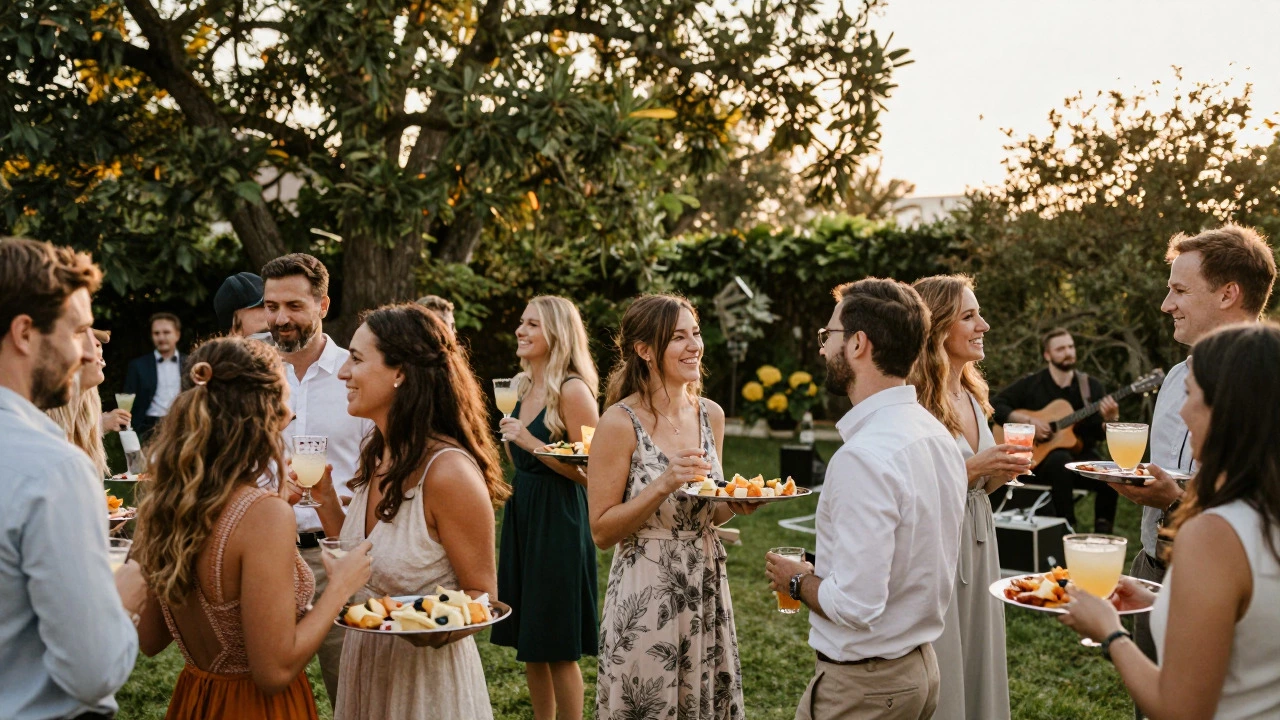
Timed Service is a catering approach where food is served at specific intervals rather than all at once. This method keeps the room moving. Instead of a traditional plated dinner that can drag on, consider a hybrid model. Serve appetizers and passed hors d'oeuvres during the cocktail hour to get people mingling. Then, transition to family-style meals or food stations. These options encourage movement and conversation among guests who might not know each other.
- Cocktail Hour: High energy, loud music, interactive food. Get people up and moving immediately.
- Dinner Service: Lower volume, acoustic background music, focused conversations. Allow for a natural dip in intensity.
- Post-Dinner Transition: The critical moment. Raise the volume, change the lighting, and introduce the first group activity before anyone has time to settle back into their chairs.
Avoid long stretches of silence after speeches. As soon as the last toast finishes, your DJ or band should launch into a high-tempo song. Do not wait for applause to die down completely; use the residual energy to kick off the dance floor. Momentum is fragile-if you let it break, it’s hard to rebuild.
Select the Right Music Strategy
Music is the heartbeat of your reception, but playing random popular songs won’t cut it. You need a strategic mix that caters to different age groups and moods. A common mistake is hiring a DJ who plays only current top-40 hits. While young guests might enjoy this, older relatives may feel alienated and retreat to the edges of the room.
Live Band vs. DJ is the choice between human performance energy and curated playlist flexibility. Both have merits, but they serve different purposes. A live band brings raw, infectious energy that recorded music often lacks. The visual spectacle of musicians performing can draw people to the dance floor simply because they want to watch the show. However, bands usually require breaks between sets. During these breaks, if the MC doesn’t fill the void with games or announcements, the energy will plummet.
If you choose a DJ, ensure they specialize in weddings. They need to read the room like a psychologist. A good wedding DJ knows when to play "Uptown Funk" to clear the floor and when to slow things down with classic Motown to bring grandparents onto the dance floor. Create a "must-play" list and a "do-not-play" list, but give your entertainment team the freedom to adapt based on crowd reaction. Rigid playlists kill spontaneity.
| Feature | Live Band | Professional DJ | Playlist + Speaker System |
|---|---|---|---|
| Energy Level | Very High (Visual & Auditory) | High (Auditory Focus) | Low to Medium |
| Flexibility | Low (Setlists fixed) | High (Real-time adjustments) | None (Pre-set) |
| Cost Range | $3,000 - $8,000+ | $1,500 - $3,000 | $200 - $500 |
| Guest Engagement | Active Participation | Moderate Interaction | Passive Listening |
Incorporate Interactive Entertainment
Passive entertainment allows guests to sit and watch. Active entertainment requires them to participate. To keep a wedding lively, you need more of the latter. Traditional activities like the bouquet toss can be fun, but they often exclude large portions of the guest list. Modern alternatives create inclusive experiences that everyone can join.
Photo Booths with Props are interactive stations that provide entertainment and memorable keepsakes. But don’t just rent a box with a camera. Upgrade to a mirror booth or a GIF station. These technologies allow guests to see themselves instantly and share content on social media, which extends the life of your party beyond the venue walls. Add a custom backdrop related to your theme to encourage creativity.
Consider adding unique attractions that spark curiosity:
- Lawn Games: Giant Jenga, cornhole, or croquet work well for outdoor receptions. They act as icebreakers for guests who don’t know each other.
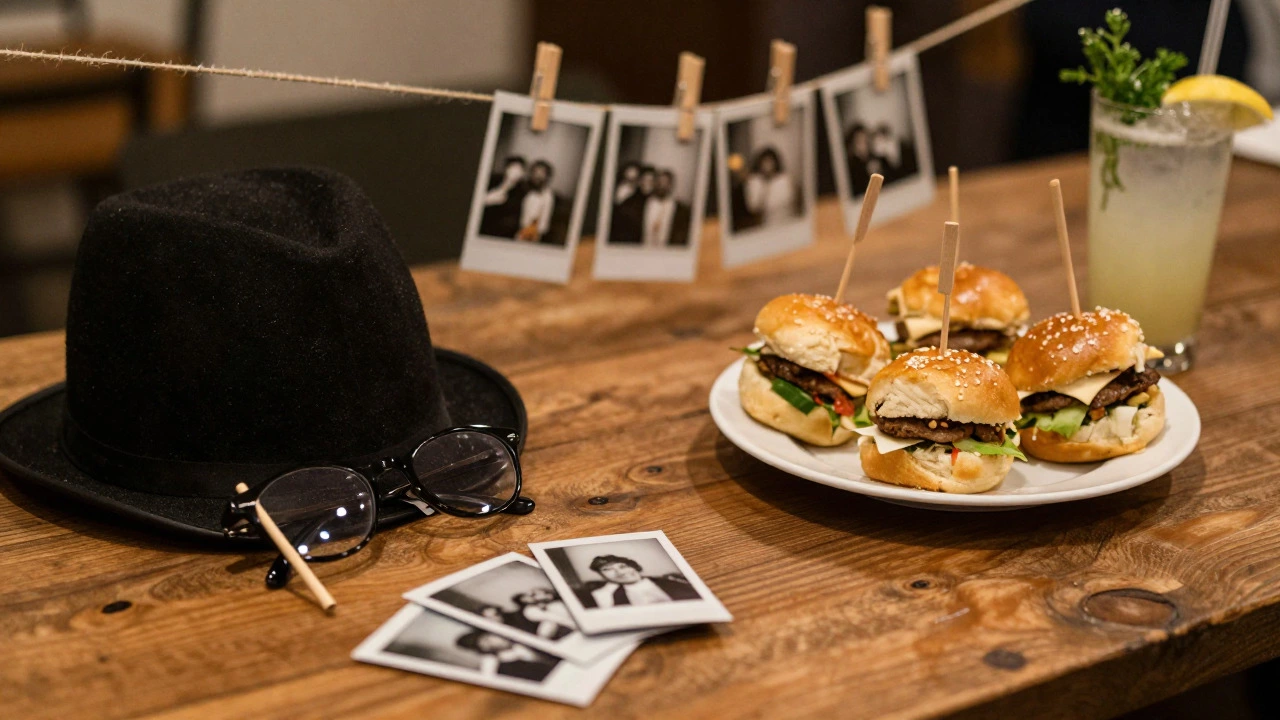
- Food & Drink Experiences: A late-night snack station (think sliders, fries, or mini tacos) paired with a signature cocktail bar creates a second wind of energy after dinner.
- Interactive Displays: A Polaroid wall where guests hang photos with handwritten notes serves as both decor and activity. People love seeing their faces on display.
The key is variety. Not everyone wants to dance, but almost everyone enjoys trying something new. By offering multiple entry points for engagement, you ensure that introverts and extroverts alike find something to enjoy.
Leverage Lighting and Atmosphere
You wouldn’t host a party in a fluorescent-lit office, right? Yet many venues default to harsh overhead lighting for receptions. Lighting is the cheapest and most effective tool for controlling mood. Dim lights signal relaxation and intimacy; bright, colored lights signal excitement and celebration.
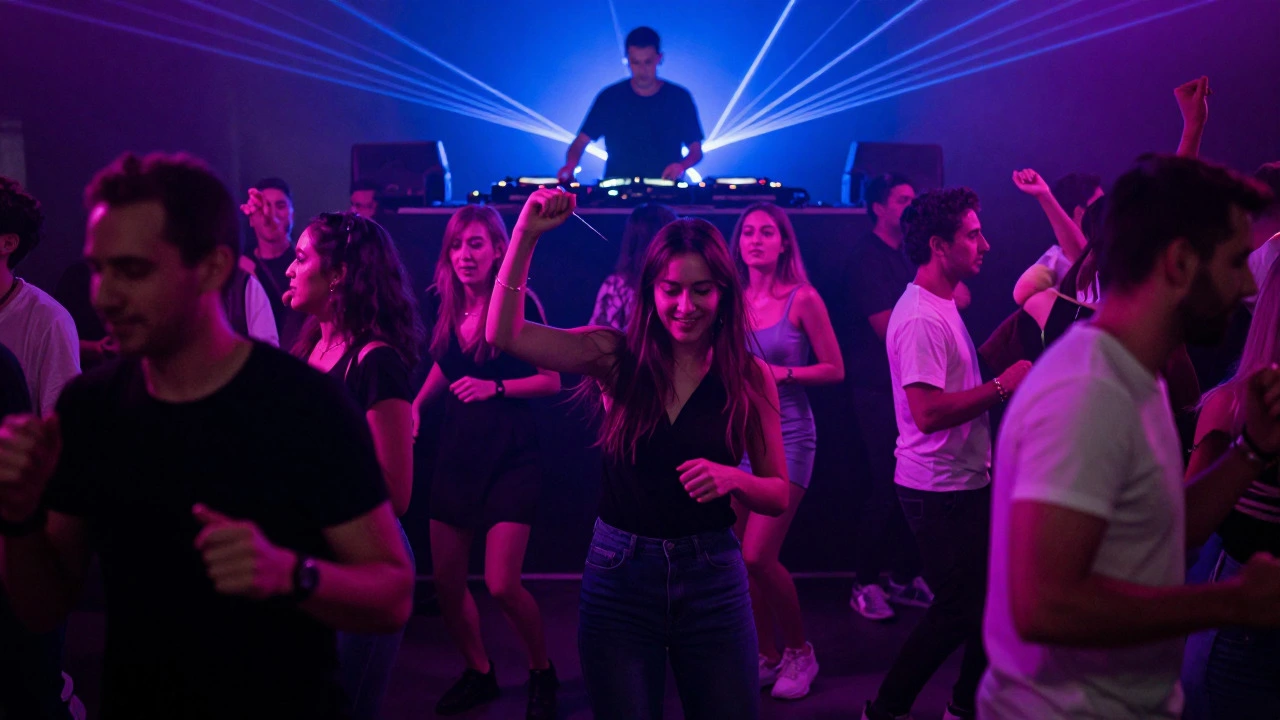
Dance Floor Lighting refers to dynamic LED fixtures such as moving heads, lasers, and strobes used specifically over the dance area. Investing in professional lighting transforms a plain wooden floor into a nightclub. Use warm amber tones during dinner to create a cozy atmosphere. Switch to vibrant blues, purples, and reds when the party starts. Motion-activated lights that respond to music add a layer of visual stimulation that keeps guests excited.
Don’t neglect the rest of the room. Uplighting along the walls changes the color temperature of the entire space. Chandeliers or fairy lights add romance, while fog machines (used sparingly) can enhance laser effects on the dance floor. The visual environment should evolve throughout the night, mirroring the shift from formal dining to wild celebration.
Empower Your Vendors and Guests
You cannot manage everything yourself. Once you’re married, your job is to celebrate, not to run the event. Empower your vendors to take charge. Brief your DJ or bandleader extensively before the day. Tell them exactly when you want high energy and when you want downtime. Give them permission to announce activities and hype up the crowd.
Also, enlist the help of your guests. Identify the "party starters" in your friend group-the ones who always end up on the dance floor first. Ask them privately to lead by example. When the first few songs start, if those key influencers are dancing, others will follow. Social proof is powerful. People are more likely to engage when they see others enjoying themselves.
Finally, keep the bar open as long as possible. Alcohol lowers inhibitions and encourages participation. Consider offering a bottomless flow of beer and wine during the peak dance hours. Pair this with non-alcoholic craft cocktails to ensure everyone can partake without feeling left out. Hydration stations are also crucial; tired, dehydrated guests go home early.
Plan for the Late-Night Surge
The end of the night is often the most memorable part. Many couples miss this opportunity by ending abruptly. Plan a "late-night surge" strategy. Around midnight, introduce a surprise element. This could be a flash mob, a confetti cannon drop, or a sudden switch to high-energy anthems like "Mr. Brightside" or "I Gotta Feeling."
Offer late-night snacks. Hunger kills energy. Simple, finger-friendly foods like pizza, tacos, or mac and cheese bites re-fuel guests for the final push. Combine this with a change in music tempo-start slow, build up, and then explode into high-energy tracks. This creates a climax that leaves guests talking about your wedding for years.
Remember, keeping a wedding lively is about connection. When guests feel included, energized, and entertained, they stay longer and dance harder. Focus on flow, interaction, and atmosphere, and your reception will naturally become the highlight of the evening.
How do I keep elderly guests engaged at a lively wedding?
Elderly guests often prefer slower tempos and comfortable seating. Ensure there is adequate seating near the dance floor so they can watch without being isolated. Play classic hits from the 60s, 70s, and 80s mixed with modern songs. Assign a younger family member to invite them to dance occasionally, but never force it. Acoustic sets during dinner are also appreciated by older demographics.
What is the best time to start the main party?
The main party typically starts 90 minutes after dinner is served. This allows time for speeches, the first dance, and parent dances. Starting too early can result in an empty dance floor as guests are still eating. Aim for a soft launch with mid-tempo songs before ramping up the energy significantly.
Should we hire a wedding planner or coordinator for entertainment?
A day-of coordinator is highly recommended. They manage the timeline, ensuring transitions between events are smooth. They communicate with the DJ, caterer, and venue staff to keep the momentum going. Without a coordinator, small delays can cascade, leading to awkward silences and lost energy.
How much should we budget for wedding entertainment?
Budget varies widely by location and vendor type. In Sydney, Australia, a professional DJ might cost between AUD 1,500 and AUD 3,000. A live band can range from AUD 3,000 to AUD 8,000 or more. Additional costs include lighting packages (AUD 500-$1,500) and photo booths (AUD 800-$2,000). Allocate 10-15% of your total wedding budget to entertainment.
Can we use a Spotify playlist instead of a DJ?
Yes, but it comes with risks. A playlist lacks real-time adaptation. If a song bombs, a DJ skips it; a playlist continues playing it. You also need someone to manage the equipment and handle technical issues. For a truly lively wedding, a human touch is usually necessary to read the room and adjust the vibe accordingly.