Micro-Wedding Budget Planner
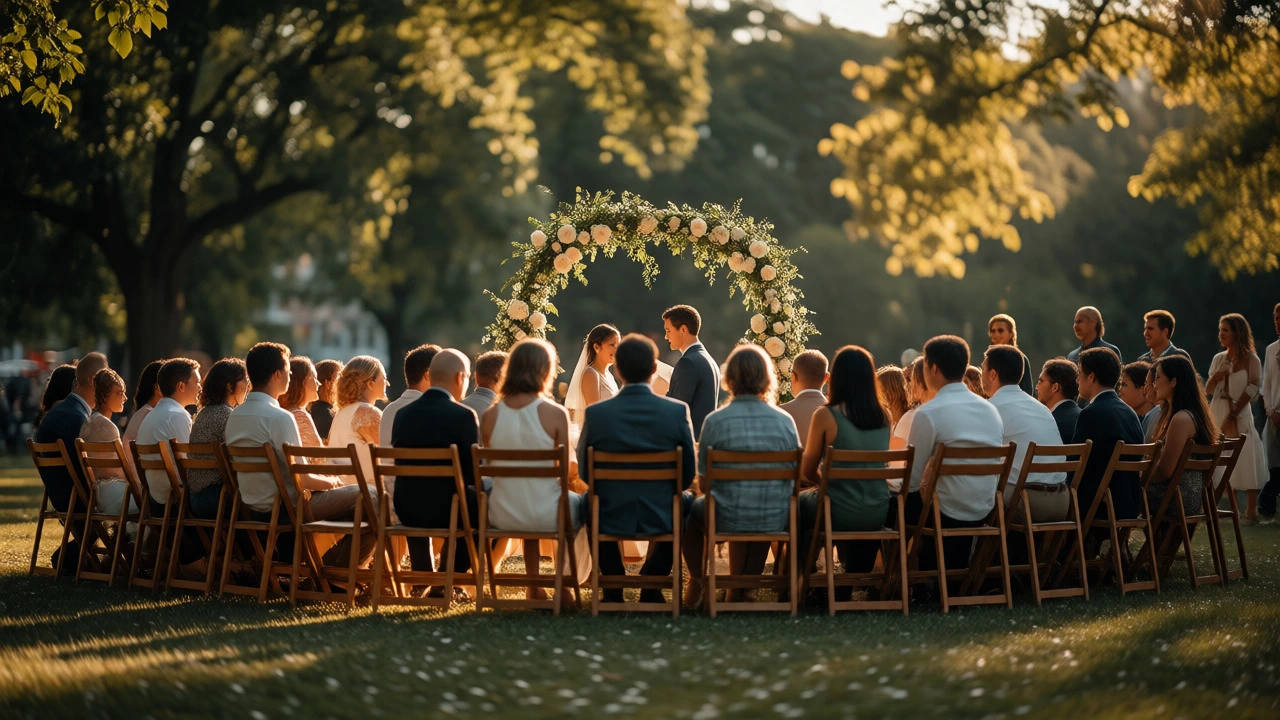
Plan your celebration using the "Micro-Wedding" model (under 30 guests). Adjust the inputs below to see how your choices impact the total against the $5,000 cap.
Budget Breakdown
- Venue & Rentals $0
- Food & Drink $0
- Photography $0
- Attire & Grooming $0
- Decor & Flowers $0
- Officiant & License $0
- Hidden Costs Buffer (10%) $0
Can you really pull off a wedding for $5,000? The short answer is yes, but it requires a shift in mindset. You are not buying a production; you are celebrating a union. Most people assume that five grand buys you nothing more than a courthouse signature and a pizza party. That assumption ignores the power of intentionality. If you cut out the fluff-the expensive venue rentals, the three-course plated dinners, the massive floral installations-you can create an event that feels intimate, stylish, and genuinely memorable.
Where Does the Money Actually Go?
To make this work, you need to understand where traditional budgets bleed cash. Industry data suggests that venue hire and catering typically consume about 40-50% of a standard wedding budget. On a $5,000 total, that means roughly $2,500 needs to cover food, drink, and space. If you try to book a hotel ballroom, you will blow that budget before you even send an invitation. You have to look elsewhere.
Consider these alternatives that keep costs low without sacrificing atmosphere:
- Public Parks and Gardens: Many cities offer permits for under $100-$300. Bring your own chairs and a simple arch.
- Airbnb or VRBO: Renting a large house for the weekend often costs less than a single day at a banquet hall. Plus, you get accommodation included.
- Restaurants: Book a private room. They already have tables, chairs, lighting, and staff. You just pay for the food and a minimum spend.
- Community Halls: These are unglamorous but functional. With good lighting and clean linens, they transform easily.
The Food and Drink Strategy
Feeding people is non-negotiable, but how you feed them changes everything. A formal sit-down dinner with waiters, multiple courses, and wine pairings can easily hit $80-$100 per head. For 20 guests, that’s $2,000 right there. Leave little room for anything else.
Switch to high-quality casual dining. Think taco bars, gourmet pizza trucks, or a buffet-style brunch. You can serve incredible food for $25-$35 per person if you avoid white-glove service. Hire two servers instead of six. Let guests grab their own drinks from a self-serve bar with beer, wine, and one signature cocktail. This approach encourages mingling and breaks down stiff barriers between guests.
| Category | Traditional Sit-Down | Budget Casual |
|---|---|---|
| Food Cost | $75 - $95 | $25 - $35 |
| Service Staff | Included ($15+) | Minimal ($5 - $8) |
| Beverages | $20 - $30 (Open Bar) | $10 - $15 (Limited Selection) |
| Total Per Head | $110 - $140 | $40 - $58 |
Dressing Up Without Breaking the Bank
You do not need a $2,000 designer gown or a bespoke tuxedo. Fast fashion retailers like ASOS, Reformation, and even Target offer wedding-appropriate dresses for $150-$400. For suits, rental services or sales at department stores can get you a sharp look for under $200. Remember, the photos won’t show the price tag; they’ll show your happiness.
Accessories add personality without adding much cost. A vintage veil from Etsy might cost $50. A well-fitted suit alteration ($50) makes a cheaper suit look custom-made. Skip the expensive jewelry if you don’t wear it daily. Borrow pieces from family members. It adds sentimental value and saves hundreds.

Capturing the Moment
Photography is another area where budgets balloon. Professional photographers charge $2,000-$4,000 for full-day coverage. Do you really need eight hours of shots? Probably not. Book a photographer for just two hours-covering the ceremony and golden hour portraits. This usually costs $500-$800. For the rest of the night, give disposable cameras to guests or set up a shared album on your phones. Candid shots from friends often capture the vibe better than posed professional ones.
If you want video, skip the cinematic highlight reel. Ask a friend with a good smartphone to record key moments: vows, first dance, speeches. Edit them together later using free software. It feels personal and raw, which fits the micro-wedding aesthetic perfectly.
Decor and Flowers: Less Is More
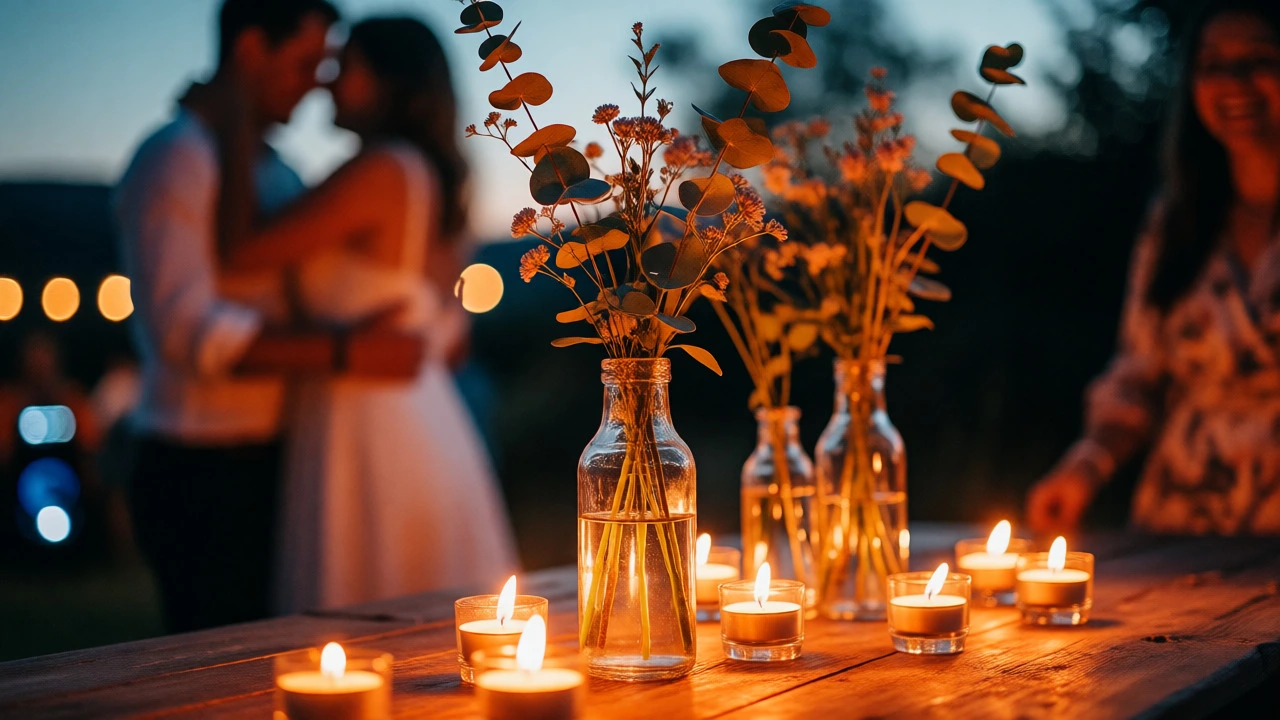
Flowers are a major expense. A full floral package for a mid-sized wedding can run $1,500+. For a $5,000 budget, aim for $200-$300 total. Buy bulk flowers from a wholesale market or grocery store. Use greenery like eucalyptus, which is cheap and voluminous. Place single stems in simple glass bottles as centerpieces. It looks chic and modern.
Lighting does more for ambiance than any flower arrangement. String lights, lanterns, and candles create warmth. Renting basic string lights costs under $100. Candles are dirt cheap. Scatter them everywhere. At night, a park or backyard lit by fairy lights beats a dimly lit banquet hall every time.
The Hidden Costs You Can’t Ignore
Even with strict planning, some things cost money regardless of your budget. Licenses, marriage certificates, and officiant fees are mandatory. In many places, the legal marriage license alone costs $50-$100. An officiant might charge $200-$500, though some religious leaders or judges perform ceremonies for free or nominal fees.
Don’t forget attire cleaning, hair and makeup (if you want it done professionally), and transportation. If you’re driving yourselves, factor in parking or fuel. If you hire a ride-share for the couple, budget $100-$200. Keep a buffer of 10% in your budget for these inevitable extras. So, aim to plan your core expenses at $4,500, leaving $500 for surprises.
What You Lose (And What You Gain)
Let’s be honest about the trade-offs. You won’t have a live band. You’ll use a Spotify playlist connected to a decent Bluetooth speaker. You won’t have a wedding cake tiered three feet high. You might have cupcakes or a simple sheet cake from a local bakery. You won’t have a dedicated wedding planner coordinating every minute.
But here is what you gain: control. You choose exactly what matters to you. No obligation to invite Great-Aunt Linda whom you haven’t seen in ten years. No stress about seating charts for 150 people. No debt hanging over your head as you start your life together. A $5,000 wedding forces creativity. It pushes you to find unique venues, cook favorite foods, and involve friends in meaningful ways. Guests remember the vibe, not the price point.
Real-World Example: The Backyard Bash
Imagine a Saturday afternoon wedding in a friend’s large backyard. You rent a tent for $300. You hire a local BBQ caterer for $30/head (total $600 for 20 guests). Drinks cost $400. Photographer for two hours: $600. Dress and suit: $400. Decorations and flowers: $300. Officiant and license: $300. Miscellaneous (invites, favors, music): $200. Total: $3,100. You still have nearly $2,000 left for upgrades-maybe better food, a longer photo session, or a nice honeymoon fund starter.
This scenario is realistic. It happens every week. Couples realize that the “perfect” wedding isn’t about matching Pinterest boards; it’s about authenticity. When you strip away the commercial expectations, you uncover what you actually value. Maybe it’s good food, close friends, and no stress. Those things are affordable.
Tips for Sticking to $5,000
- Set the number first: Decide $5,000 is the hard cap. Do not let vendors talk you into “just a few extras.”
- Limit the guest list ruthlessly: Every extra guest adds $50-$100 in hidden costs (food, drink, favors, seating).
- Go digital: Email invitations save paper and postage. Create a simple website for details.
- DIY smartly: Only DIY what you enjoy. If you hate crafting, buy pre-made decor. Time is money too.
- Ask for help: Friends often provide skills (photography, music, baking) for free or at cost. Offer gratitude, not cash.
Ultimately, is $5,000 enough? Yes, if you define success by connection rather than consumption. It takes work to say no to tradition, but the freedom is worth it. You end up with a celebration that reflects who you are, not what society thinks you should spend.
Is $5,000 enough for a wedding in a big city?
Yes, but it is tighter. In cities like New York or Sydney, venue costs are higher. You would likely need to opt for public spaces, restaurants, or home venues to stay within budget. Avoid peak season dates and consider weekday weddings to lower costs further.
Do I need a wedding planner for a $5,000 budget?
No. Planners typically charge 10-15% of the budget or a flat fee starting around $1,500. For a micro-wedding, you can manage coordination yourself or delegate tasks to trusted friends. Use spreadsheets and checklists to stay organized.
How many guests can I afford with $5,000?
With careful planning, you can host 20-30 guests comfortably. If you push to 40-50 guests, you must drastically reduce costs per person (e.g., potluck style, shorter duration, simpler menu). Beyond 50 guests, maintaining quality at this budget becomes very difficult.
What is the biggest mistake when budgeting $5,000?
Underestimating hidden costs. People often forget licenses, gratuities, cleaning fees, and transportation. Always reserve 10% of your total budget ($500) for unexpected expenses to avoid stress on the day.
Can I still have a honeymoon on this budget?
Not from the $5,000 wedding fund. Treat the honeymoon as a separate expense. Alternatively, ask for travel contributions instead of gifts, or plan a local "staycation" immediately after the wedding to keep costs low while enjoying time together.