Bridal Makeup Cost-Benefit Calculator
Answer these questions to see if hiring a pro is worth the investment for your specific wedding scenario.
Recommendation
Confidence: --%Analysis pending...
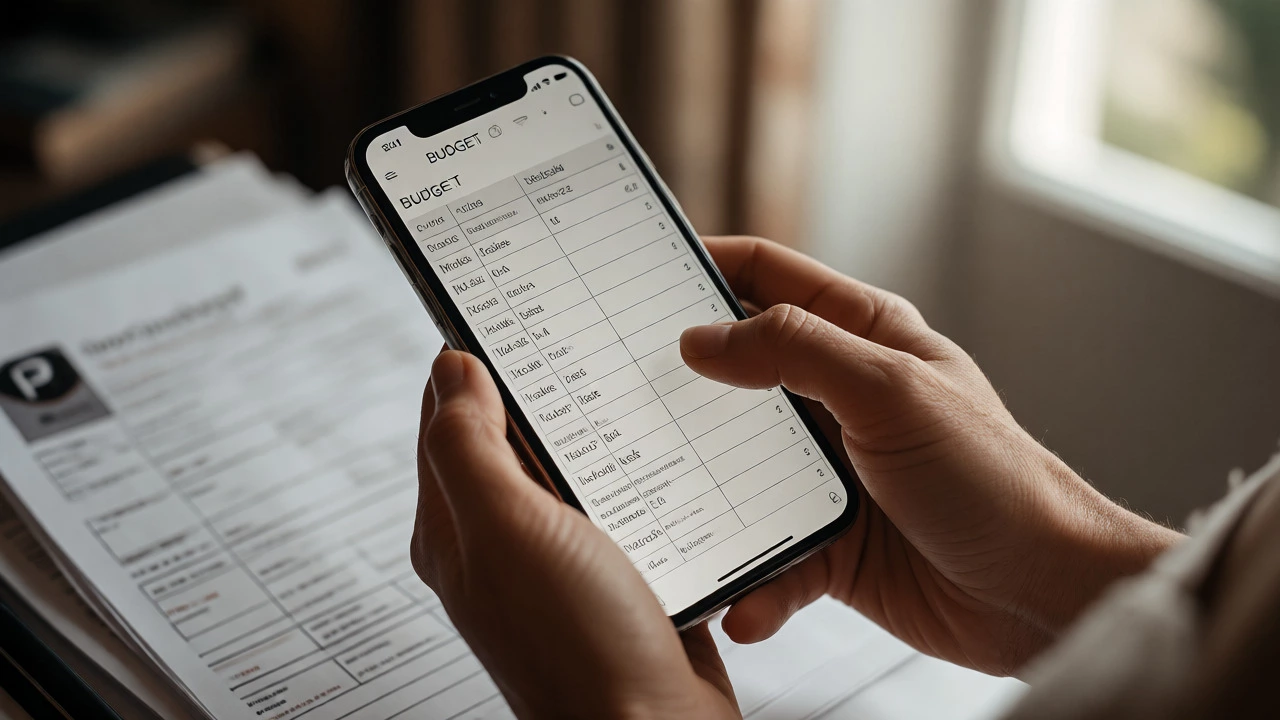
You’re staring at your budget spreadsheet. The venue took the biggest chunk, the photographer is booked, and now there’s this line item for bridal makeup artist. You’re wondering if you really need to spend hundreds of dollars on someone to apply foundation and mascara when you’ve been doing your own face for ten years. It’s a valid question. After all, YouTube tutorials are free, and your best friend swears she can do it.
But here is the reality: wedding day makeup isn’t just about looking pretty in the mirror. It’s about surviving eight hours of crying, sweating, hugging, and harsh flash photography without turning into a melted mess. Is hiring a pro worth the cash? For most brides, yes-but not always. Let’s break down exactly when you should splurge, when you can save, and how to make sure you don’t regret either decision.
The Hidden Costs of Going Solo
When you calculate the cost of a professional, you look at the invoice. But when you calculate the cost of doing it yourself, you often forget the hidden expenses. First, there’s the product investment. To get a look that lasts through cake cutting and dancing, you need high-end primers, setting sprays, and waterproof formulas. Buying these individually can easily run you $150-$300, even if you only use them once. Then there’s the time. Professional artists charge for their expertise, but they also bring speed and precision. If you attempt a complex glam look yourself, you might spend two to three hours in front of the mirror on the morning of your wedding. That’s two to three hours less sleep, more stress, and zero time for breakfast or chatting with your bridesmaids.
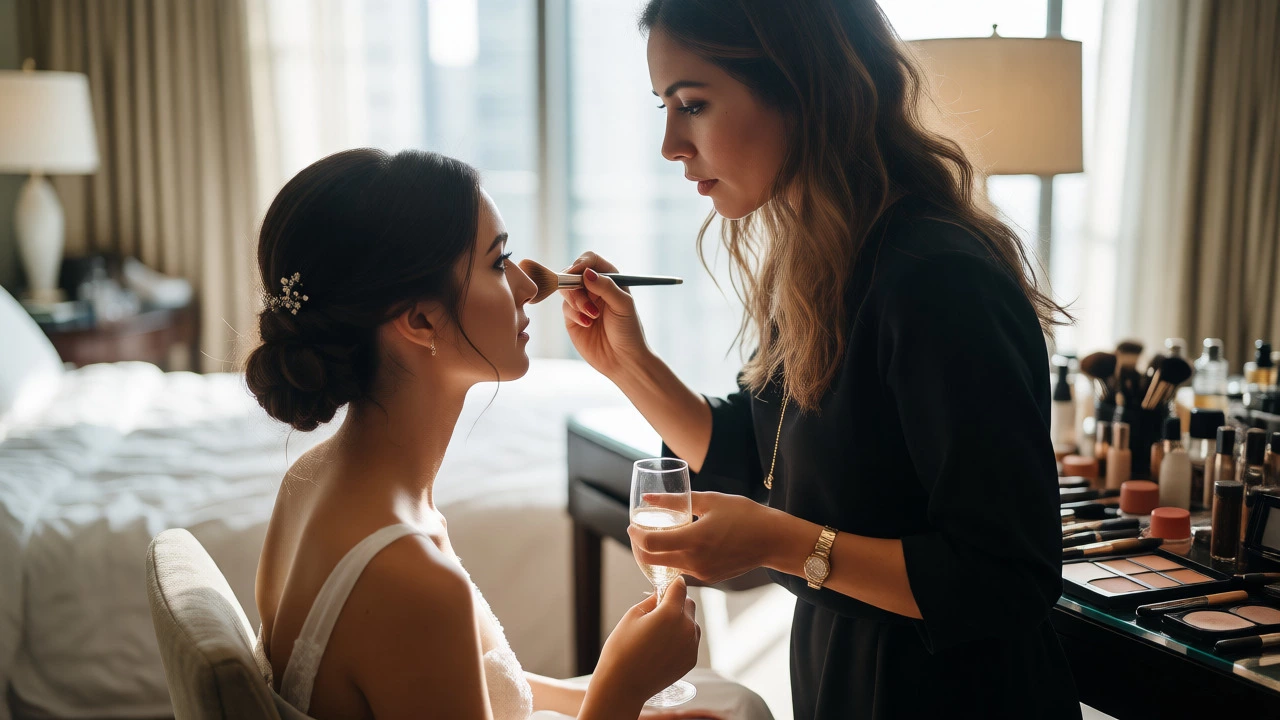
Think about the pressure. On your wedding day, your adrenaline is spiking. Your hands might shake. If you’re doing your own makeup, every smudge feels like a catastrophe. With a pro, you sit back, sip champagne, and let someone else handle the stress. That mental bandwidth is valuable. You need that energy for greeting guests, managing vendors, and actually enjoying the moment. Paying for a service that removes one major logistical headache from your plate is often worth the price tag alone.
Why Photography Changes Everything
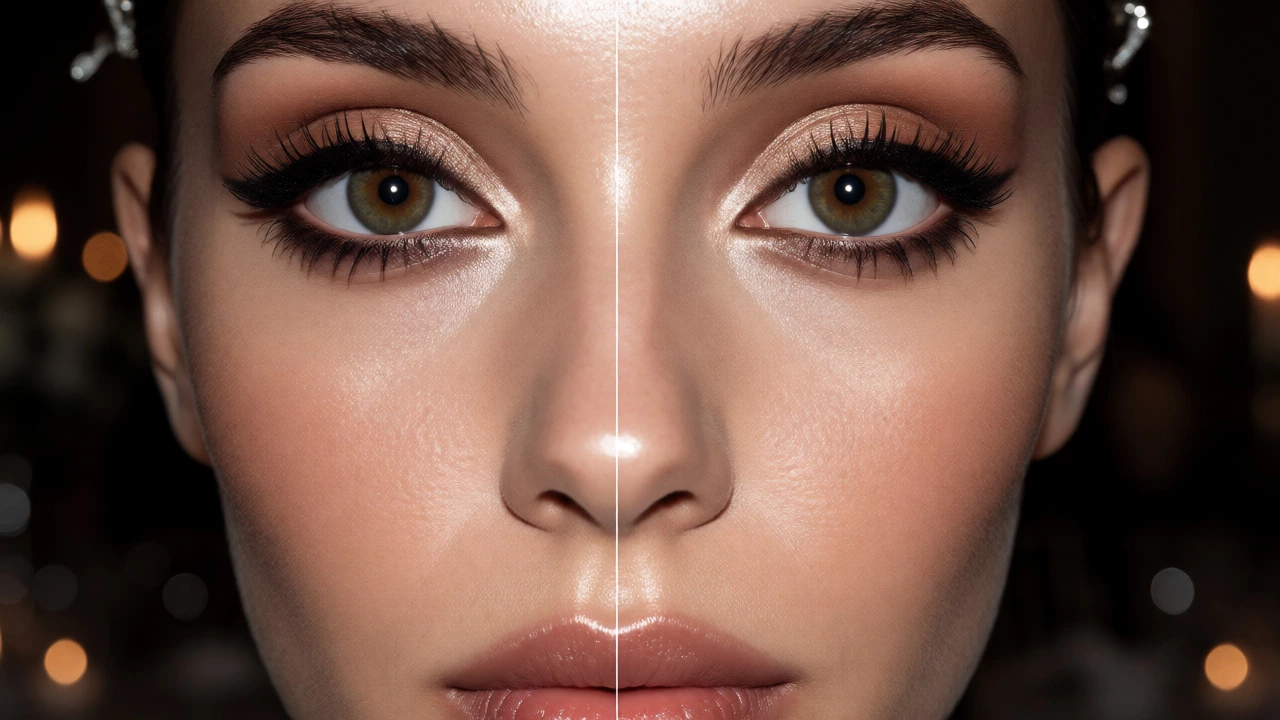
This is the part most DIY brides underestimate. Wedding photos are unforgiving. High-definition cameras and bright flashes highlight every texture, pore, and asymmetry. Makeup that looks natural to the naked eye can disappear completely under studio lighting or outdoor sunlight. A professional artist understands how light interacts with skin. They know which foundations oxidize (turn orange) under flash and which powders cause flashback (that white ghost effect).
A pro adjusts your makeup specifically for your photographer’s style. If you’re having a moody, dark reception, they’ll add dimension so you don’t look flat. If you’re shooting outdoors at noon, they’ll matte down shine so you don’t look oily. This technical knowledge is hard to replicate with a tutorial. When you look back at your album in five years, you won’t remember the $200 you saved on makeup. You will remember if you looked tired or washed out in every photo because your eyeliner faded by the ceremony.
When You Can Skip the Pro
Does this mean everyone needs a professional? No. There are specific scenarios where going DIY makes total sense. If you have a very small, casual wedding-think backyard elopement or courthouse ceremony-the stakes are lower. You likely won’t be photographed professionally in the same way, and the vibe is relaxed enough that minor imperfections don’t matter. In these cases, saving money to put toward your honeymoon or a nice dinner is a smart move.
Another scenario: you have exceptional skill and consistency. Some brides genuinely enjoy makeup artistry and have practiced their wedding look dozens of times. If you can recreate your desired look perfectly while stressed and rushed, go for it. Just make sure you do a full dress rehearsal. Apply your makeup, wear it for six hours, sweat in it, eat lunch, and check the mirror. If it still looks good, you’re probably safe to go solo.
| Factor | DIY Approach | Professional Artist |
|---|---|---|
| Initial Cost | $150-$400 (products + tools) | $150-$600+ (service fee) |
| Time Investment | High (learning curve + application) | Low (relaxation time) |
| Longevity | Variable (depends on skill/products) | High (professional-grade products) |
| Photography Readiness | Risk of flashback/fading | Optimized for HD cameras/lighting |
| Stress Level | Higher (you manage everything) | Lower (delegated task) |
The Trial Run: Non-Negotiable
If you decide to hire a pro, the trial session is where you earn your money’s worth. Don’t skip this. Many artists include a trial in their package, or charge a smaller fee for it. This is your chance to test compatibility. Does their communication style match yours? Do they listen when you say "I hate heavy contour," or do they push their signature look on you?
Treat the trial like a job interview. Bring inspiration photos, but be open to their advice. A good artist will tell you if your Pinterest pin doesn’t suit your bone structure or skin tone. During the trial, take photos with a flash. Check how the makeup looks in different lights. Wear it for a few hours. Eat something spicy. See if it holds up. If the artist gets defensive when you ask for tweaks, walk away. You need a collaborator, not a dictator.
Budgeting Tips That Actually Work
Prices vary wildly based on location and experience. In major cities like New York or Los Angeles, expect to pay $300-$800 per person. In rural areas, you might find talented artists for $150-$250. Here’s how to stretch your dollar:
- Group Rates: Ask if the artist offers discounts for booking multiple people. Doing your mother-of-the-bride and maid of honor together often lowers the per-person cost.
- Off-Peak Dates: Some artists charge less for Friday/Sunday weddings or non-peak seasons (winter/late fall).
- Travel Fees: If the artist has to travel far, clarify if mileage is included. Sometimes meeting them at a local hotel saves you $50-$100 in travel fees.
- Touch-Up Kits: Instead of paying extra for the artist to stay all night, ask them to create a touch-up kit for you. This includes blotting papers, lipstick, and powder so you can fix things yourself during the reception.
Red Flags to Watch For
Not all professionals are created equal. Be wary of artists who refuse to do trials. Be cautious if their portfolio looks heavily edited or filtered. Ask for raw client photos taken on phones, not just polished Instagram shots. Also, check their hygiene practices. Do they clean brushes between clients? Do they use disposable applicators for mascara wands? These small details speak volumes about their professionalism.
Finally, trust your gut. If the consultation feels rushed or salesy, look elsewhere. Your wedding day is personal. You want an artist who cares about making you feel confident, not just someone rushing to book the next appointment.
Final Verdict
So, is a bridal makeup artist worth it? If you value peace of mind, photographic perfection, and longevity, absolutely. The cost buys you expertise that ensures you look fresh from the first kiss to the last dance. If you’re on a tight budget, have a casual event, or possess advanced skills, DIY is a viable option. Just weigh the hidden costs of time, stress, and potential re-dos before deciding.
How much does a bridal makeup artist typically cost?
Costs vary by location and experience, ranging from $150 to $600+ per person. Major metropolitan areas tend to be on the higher end, while rural areas may offer rates closer to $150-$250. Trials are sometimes charged separately or included in the package.
Do I need a makeup trial if I'm doing my own makeup?
Yes, you should still do a full practice run. Apply your complete look, wear it for several hours, and check it under flash photography. This helps identify products that fade or oxidize unexpectedly.
What happens if the makeup artist cancels last minute?
Check your contract for cancellation policies. Reputable artists usually have a backup plan or a network of colleagues they can refer you to. Always ask about their emergency protocol during the booking process.
Should I hire the same artist for hair and makeup?
It can be convenient and sometimes cheaper, but not necessary. Often, specialists in each field provide better results. If you hire separate artists, ensure they coordinate schedules so you aren't waiting around.
How early should I book a bridal makeup artist?
Book 6-9 months in advance for peak wedding season (May-October). Popular artists fill up quickly. For off-season weddings, 3-4 months may suffice, but earlier is safer.