DIY Wedding Stress & Savings Calculator
Select Your DIY Projects
Check the tasks you plan to do yourself.
Your Wedding Plan Analysis
Equivalent to 0 days of work.
Value per hour: $0
Ready to Start?
Select projects above to see your estimated workload and stress levels.
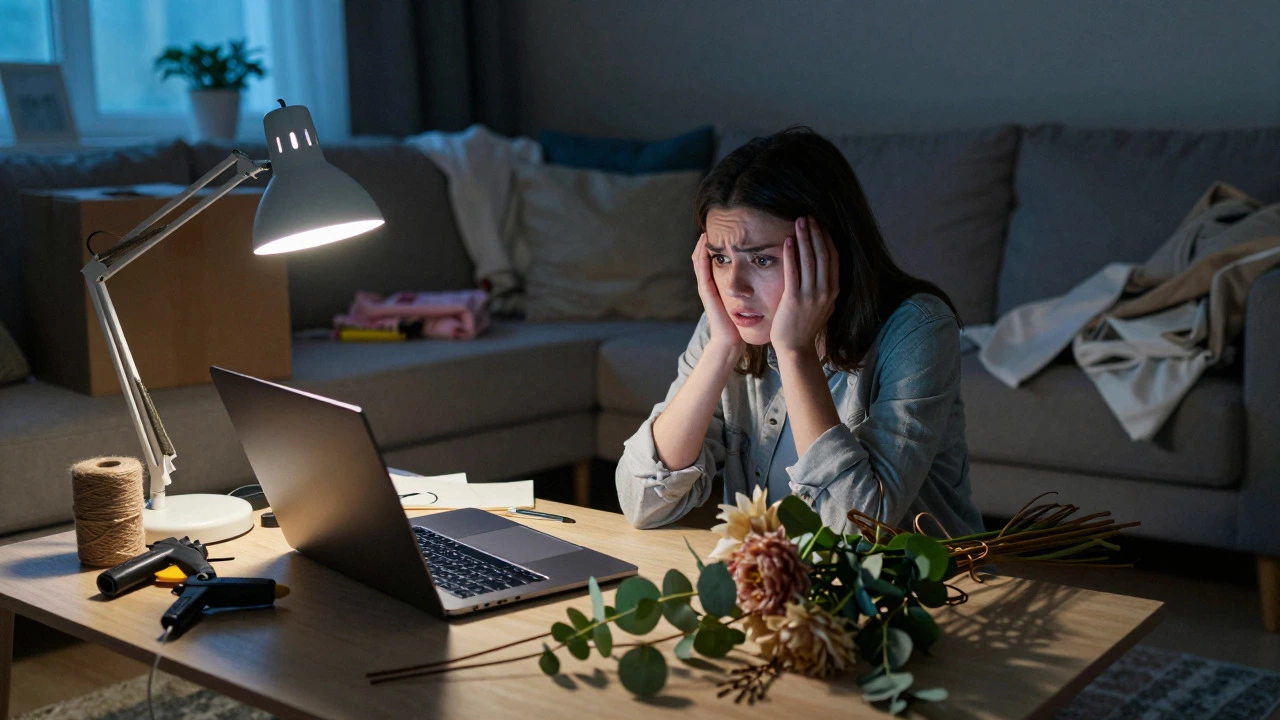
There is a specific kind of panic that hits at 11 PM on a Tuesday when you are gluing faux eucalyptus leaves onto wire stems for the third time this week. You look around your living room, which now resembles a craft store explosion, and wonder if saving money on wedding decorations is worth losing your sanity before you even say "I do." The short answer to whether a DIY wedding is stressful is yes-but only if you try to do everything yourself. The longer answer involves strategy, boundaries, and knowing exactly which parts of the process actually require your hands.
We need to talk about the reality behind the Pinterest boards. Social media sells us a dream where couples spend romantic evenings painting mason jars and sewing table runners while drinking wine. In reality, most DIY weddings involve spreadsheets, supply runs, and last-minute fixes that feel less like creative expression and more like a second job.
The Real Cost of Doing It Yourself
Before you buy that bulk pack of twine or download another font for your invitations, let’s look at the math. People usually choose to handle their own wedding decor to save cash. And they do. But money isn’t the only currency you are spending. Time and emotional energy are just as valuable, often more so, during the six months leading up to the big day.
If you hire a professional florist, you pay for their expertise, their labor, and their ability to source flowers quickly. If you DIY, you pay with your weekends. Consider this: arranging fifty centerpieces might save you $1,500 compared to hiring a pro, but it will cost you roughly forty hours of work. That is ten full days of eight-hour shifts. Ask yourself if those forty hours are better spent resting, working, or bonding with your partner than cutting ribbon.
| Factor | DIY Approach | Professional Service |
|---|---|---|
| Cost | Lower upfront cost (materials only) | Higher upfront cost (includes labor & markup) |
| Time Commitment | High (20-60+ hours depending on scope) | Low (consultation + setup day) |
| Stress Level | Variable (peaks before the event) | Low (managed by experts) |
| Quality Control | Dependent on skill level | Consistent, professional standard |
| Flexibility | Total control over design | Limited to vendor's style/capacity |
The hidden costs also include mistakes. Have you ever tried to assemble a complex paper lantern in the dark? Or realized too late that the glue gun didn't hold the heavy floral foam? These small disasters add up. They create micro-stresses that drain your battery. When you hire a vendor, you are paying them to absorb these risks. When you DIY, you carry every single one.
Where DIY Actually Makes Sense
This doesn’t mean you should outsource your entire personality. There are specific areas where doing things yourself adds value without breaking your spirit. The key is choosing projects that are low-stakes, high-reward, and genuinely enjoyable for you.
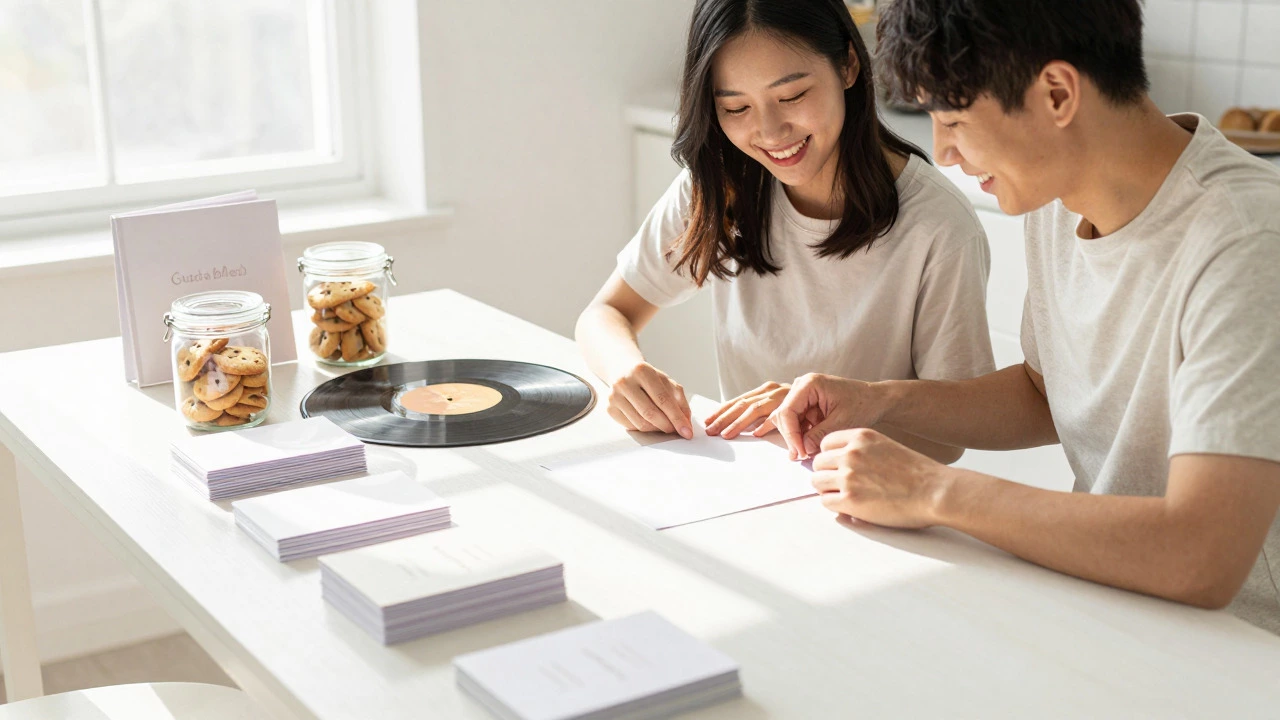
Wedding invitations are a classic example. Designing your own invites using a tool like Canva or Adobe Express allows you to personalize the tone of the wedding. It takes a few hours, feels creative, and saves significant money compared to custom printing. Similarly, creating a guest book alternative-like a vinyl record signing station or a polaroid memory wall-is a fun, interactive project that guests love and requires minimal technical skill.
Food is another area where DIY can shine, but with caveats. Making your own wedding cake is risky unless you are an experienced baker. However, assembling a dessert bar with homemade cookies, brownies, or a signature cocktail recipe is manageable. It adds a personal touch and keeps the focus on taste rather than intricate structural engineering. Think about what brings you joy. If you love sewing, make the napkins. If you hate it, buy them. Do not force yourself into a craft because you think you “should.”
The Danger Zones: What to Avoid
Some elements of a wedding are notorious stress traps for DIYers. These are the areas where the margin for error is slim, and the consequences of failure are high. Steer clear of these if you want to keep your cool.
- Complex Lighting: String lights are easy. A coordinated lighting rig with DMX controllers and color changes is not. Bad lighting ruins photos. Hire a pro for anything involving electricity beyond simple plug-in strands.
- Fresh Florals: Flowers die. They wilt. They bruise. Sourcing, conditioning, and arranging hundreds of stems is physically exhausting and technically difficult. One bad batch from the wholesaler can ruin your centerpiece plan. Artificial flowers are a safer DIY bet, but even then, volume matters.
- Catering Logistics: Unless you have a commercial kitchen and staff, cooking for two hundred people is a nightmare. Food safety regulations alone are enough to cause anxiety. Stick to buying pre-made desserts or hiring a caterer.
- Day-of Coordination: This is not a decoration task, but it is crucial. Trying to manage vendors, timeline, and family dynamics while wearing your wedding dress is a recipe for disaster. A day-of coordinator ensures your DIY efforts are set up correctly and on time.
Avoiding these pitfalls means recognizing your limits. It is okay to admit that some things are better left to professionals. In fact, it is smart. Your goal is a beautiful wedding, not a certificate in logistics management.
Strategies to Keep Stress Low
If you decide to proceed with a mostly DIY approach, structure is your best friend. Chaos breeds stress; order creates calm. Here is how to organize your efforts so you don’t end up crying over a box of confetti.
- Create a Master Timeline: Work backward from your wedding date. Assign deadlines for ordering materials, completing crafts, and shipping items. Use a digital calendar with reminders. Break large tasks into smaller, weekly goals. For example, instead of “Make all centerpieces,” schedule “Buy supplies” for Week 12, “Practice arrangement” for Week 8, and “Assemble half” for Week 2.
- Batch Your Tasks: Don’t jump between different crafts every day. Dedicate one Saturday to calligraphy, another to assembling favors, and another to decorating bottles. Context switching wastes mental energy. Batch processing makes you efficient and keeps your mind focused.
- Enlist Help Early: Do not wait until the month before to ask friends for help. Identify who is willing to assist and assign them specific roles. Maybe your sister loves organizing and can handle the favor distribution. Perhaps your brother is handy and can build the photo booth backdrop. Make it a group activity, not a solo burden.
- Set a Budget Buffer: DIY projects often go over budget due to waste, mistakes, or last-minute additions. Add a 15-20% buffer to your material costs. This prevents panic when you realize you need more ribbon than expected.
- Prioritize Sleep Over Perfection: No guest will notice if a flower crown is slightly asymmetrical. They will notice if you are exhausted and irritable. Set a hard stop time for crafting each evening. Protect your rest.
The Emotional Aspect of DIY Weddings
Beyond the logistics, there is an emotional component to consider. A wedding is supposed to be a celebration of your relationship. If the planning process turns you against each other, something has gone wrong. I’ve seen couples argue over font choices and centerpiece heights. It happens more often than you’d think.
Communication is vital. Decide together which aspects of the wedding are non-negotiable for each of you. If one partner cares deeply about the music but not the decor, let them take the lead on entertainment while the other handles the visuals. Share the load based on interest and strength, not gender roles or tradition.
Also, remember that your guests are there for you, not your hand-painted napkins. They want to celebrate your love, eat good food, and dance. If your DIY efforts detract from your presence-because you’re stuck setting up tables instead of taking photos with your grandma-then scale back. The best wedding decoration is a happy couple enjoying their day.
When to Pivot to Professional Help
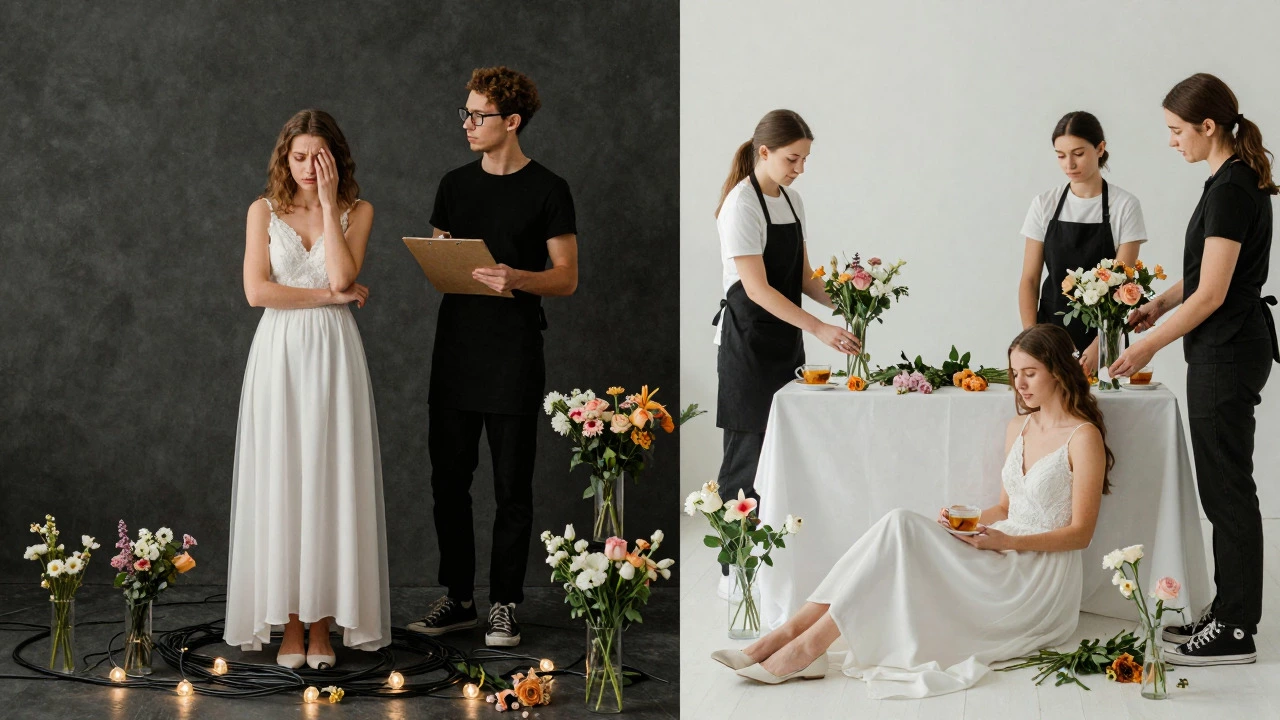
Even the most dedicated DIYer needs to know when to quit. If you find yourself dreading your next crafting session, if your sleep is suffering, or if the quality of your work is inconsistent, it is time to pivot. Hiring a professional for a specific element does not mean you failed. It means you adapted.
Consider hybrid approaches. You could design the centerpieces yourself but hire someone to assemble them on-site. You could print your own invitations but use a professional mailing service to address and stamp them. These middle-ground options reduce the physical workload while keeping the creative control.
Ultimately, the question “Is a DIY wedding stressful?” depends entirely on your definition of success. If success means saving every possible dollar and having total creative control, then yes, it will be stressful. But if success means having a beautiful, personalized celebration that reflects your love without burning you out, then a strategic, selective DIY approach can work wonders. Know your limits, lean on your community, and remember that the goal is marriage, not a perfect Instagram feed.
How much time does a DIY wedding really take?
A fully DIY wedding can take anywhere from 20 to 60+ hours depending on the complexity of the decor and the size of the guest list. Simple projects like invitations and favors might take 10-15 hours, while complex floral arrangements and custom furniture can easily exceed 40 hours. Factor in shopping trips and assembly time, not just the crafting itself.
What are the easiest DIY wedding decorations?
The easiest DIY decorations include string lights, paper garlands, potted plants as centerpieces, and fabric draping. These items require minimal technical skill, are forgiving of mistakes, and have a high visual impact. Another easy option is using existing household items like books, candles, or vintage frames as decor accents.
Can I DIY my wedding flowers without stress?
It is challenging. Fresh flowers require timing, skill, and care. To reduce stress, opt for artificial flowers, which are reusable and don't wilt. Alternatively, hire a florist for the bridal bouquet and boutonnieres, but DIY simpler centerpieces using greenery or dried flowers, which are more durable and easier to arrange.
How do I get friends to help with my DIY wedding?
Ask early and be specific. Instead of saying “Can you help?”, say “Can you come over on Saturday afternoon to help me assemble 20 favor boxes? I’ll provide snacks and drinks.” Make it social and manageable. Assign roles based on their skills-some people are great at organizing, others at manual tasks. Always express gratitude and offer to return the favor.
Is it cheaper to DIY or hire professionals?
DIY is almost always cheaper in terms of direct monetary cost. You save on labor fees and vendor markups. However, you must factor in the value of your time and any tools or materials you need to buy. For large-scale projects like catering or complex floral designs, the savings may not justify the stress and effort. For smaller items like invitations or favors, the savings are significant and worth the effort.
What should I avoid DIYing at my wedding?
Avoid DIYing anything that involves high stakes, complex logistics, or strict timelines. This includes catering (food safety), complex lighting setups, hair and makeup (practice required), and day-of coordination. Also, avoid DIYing items that you personally find tedious or stressful. If you hate sewing, don’t make your own dresses or linens. Focus on what brings you joy.