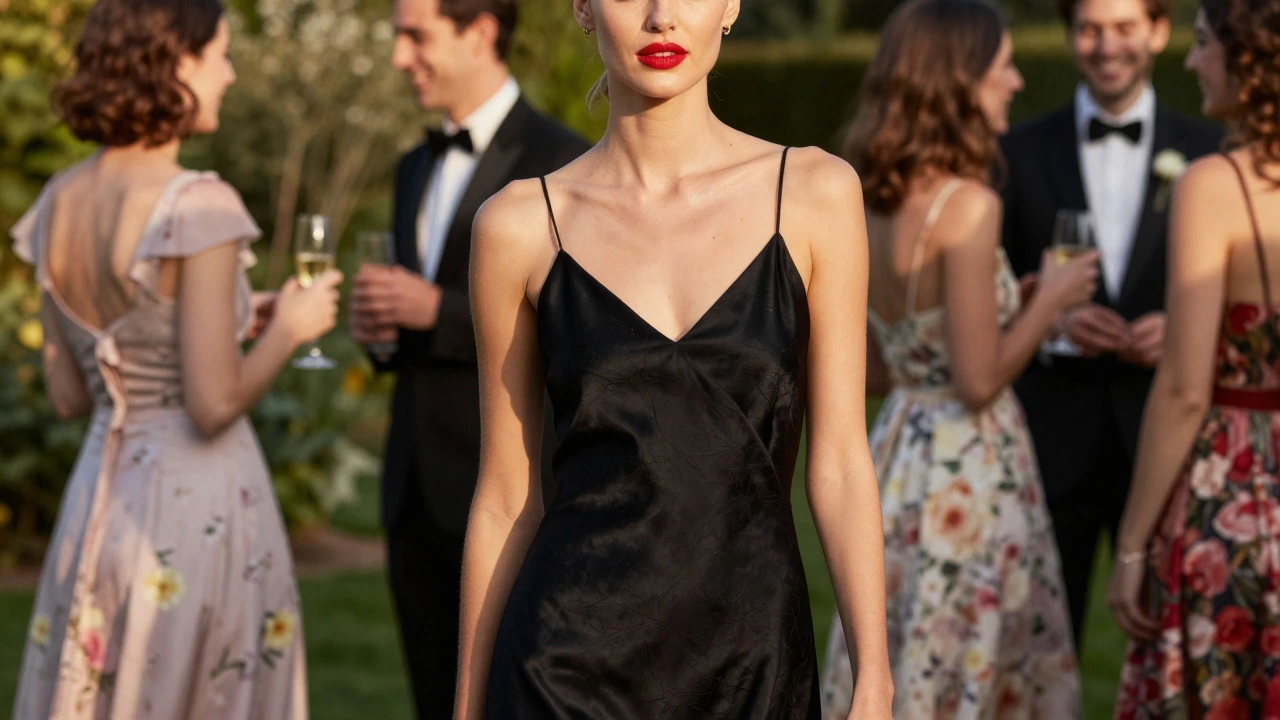
Wedding Black Attire Suitability Calculator
Determine if wearing black is appropriate for your upcoming wedding based on time, venue, and dress code.
Photographer's Tip:
Imagine you’re standing at the edge of the frame. The couple is laughing, bathed in golden hour light, and suddenly, a figure in stark, void-like black stands next to them. Does it look like a funeral? Or does it look chic? This is the question that keeps many guests up at night before a big event. For years, the rule was simple: no black. It was somber, it was mournful, and it was a fashion faux pas. But we are now in 2026, and the landscape has shifted dramatically.
The short answer? No, black is not too dark for a wedding anymore. In fact, it’s often the safest, most elegant choice available. However, there is a nuance here that goes beyond just picking up a dress from the rack. As someone who spends their life behind the lens, looking at how colors interact with light, skin tones, and backgrounds, I see exactly what works and what doesn’t. It’s not about the color itself; it’s about the context, the fabric, and the vibe.
Quick Summary: Can You Wear Black?
- Yes, absolutely: Black is widely accepted for evening, formal, and urban weddings.
- Avoid for daytime/rural: Stick to lighter tones for beach or garden parties during the day.
- Fabric matters: Silk, velvet, and lace read as "fashion." Cotton can read as "mourning."
- Photography tip: Black absorbs light, so ensure your outfit has texture to avoid looking flat in photos.
The Shift in Wedding Etiquette
To understand why black is okay now, we have to look at where we came from. Twenty years ago, wearing black to a wedding was a signal. It signaled that you were either mourning the marriage or that you didn’t care enough to pick a cheerful color. The cultural association between black and death was strong. If you wore a little black dress (LBD) to a suburban church wedding in 2005, you might have gotten side-eyed by the mother of the bride.
But fashion evolves. The rise of minimalist aesthetics, the influence of high-fashion runways, and the shift toward more personalized, less traditional ceremonies have changed the rules. Today, black is seen as sophisticated, slimming, and timeless. It’s the color of tuxedos, after all. Why should women be restricted from wearing the same level of formality? In Sydney, London, and New York, black is standard fare for cocktail and black-tie events. It’s neutral, it’s versatile, and it photographs beautifully when done right.
However, intent still matters. Are you wearing black because it’s elegant, or because it’s the only clean thing in your closet? Guests can tell the difference. An intentional black outfit looks curated. A lazy black outfit looks like an oversight. This distinction is crucial because the host wants you to celebrate, not blend into the shadows.
When Black Works Best: Context Is King
Not every wedding is created equal. The appropriateness of black depends heavily on three factors: time of day, venue type, and dress code. Let’s break these down so you can make an informed decision.
Time of Day
Lighting dictates mood. During the day, especially in summer, bright colors reflect the energy of the sun. Pastels, florals, and vibrant hues feel natural against green grass and blue skies. Black absorbs heat and light, which can feel heavy and out of place under a midday sun. If the ceremony starts at 11 AM on a beach in Bali, skip the black. Save it for evening events. Once the sun sets, black becomes magical. It complements candlelight, string lights, and moonlit gardens. For any reception starting after 6 PM, black is not just acceptable; it’s often encouraged.
Venue Type
Where are you getting married? A rustic barn wedding calls for earthy tones-olives, rusts, creams. A modern art gallery wedding in downtown Manhattan begs for monochrome chic. Think about the backdrop. If the venue is already dark and moody (like a historic castle or a dimly lit industrial loft), black helps you blend into the elegance rather than clash with it. If the venue is bright white marble or sandy beaches, black provides a striking contrast that looks intentional and sharp.
Dress Code
This is the easiest indicator. Look at the invitation.
- Black Tie: Black is expected. Long gowns, tailored suits, sleek silhouettes.
- Cocktail: Black is perfect. Knee-length dresses, jumpsuits, bold accessories.
- Semi-Formal: Black is fine, but keep it playful. Add color through shoes or jewelry.
- Beach/Casual: Avoid black unless it’s a lightweight linen suit or a flowy maxi dress. Heavy fabrics will make you sweat and look overdressed.
The Photographer’s Perspective: How Black Looks in Photos
Here is where my expertise comes in. As a wedding photographer, I worry about exposure, contrast, and detail. Black is tricky in photography. It’s a "light eater." When you point a camera at a black object, the camera struggles to find detail. It sees darkness. If you wear a flat, matte black cotton dress, you might disappear into the background or look like a silhouette blob in group shots.
To combat this, you need texture. Texture catches the light. Here are the best fabrics for wearing black to a wedding:
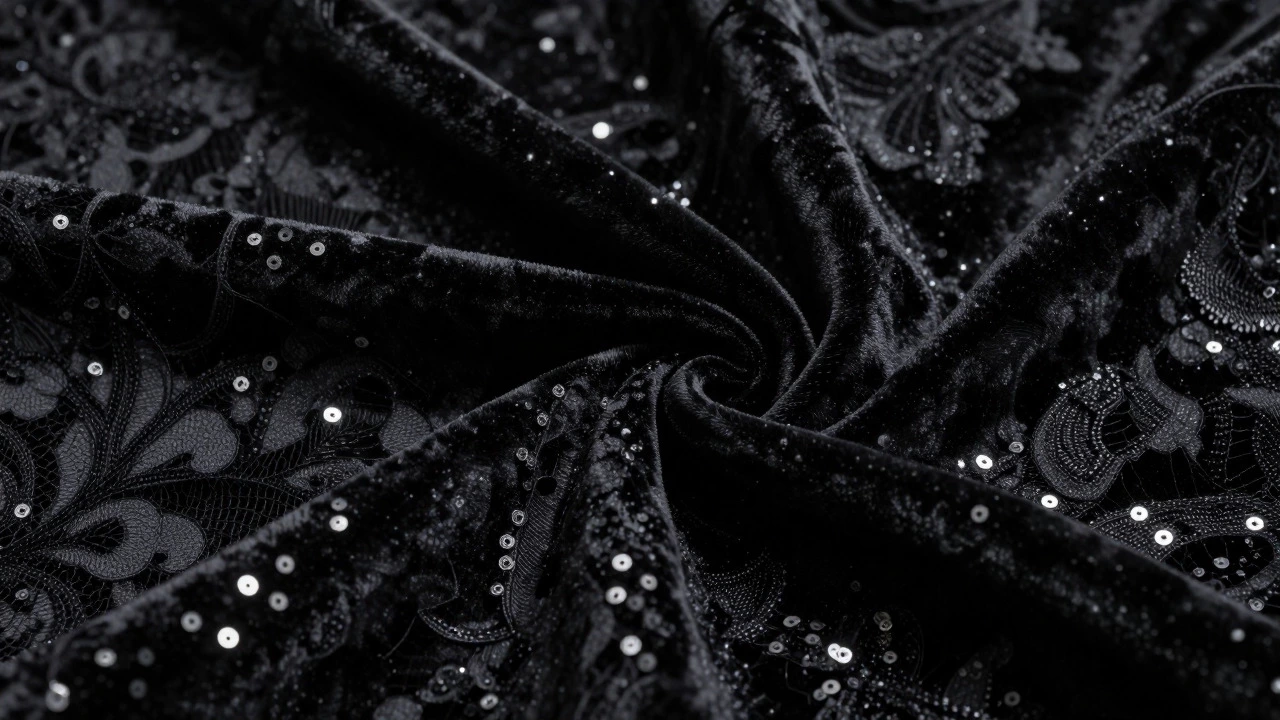
- Silk or Satin: These materials reflect light, creating highlights that define your shape. They look luxurious and expensive.
- Lace: The intricate patterns create shadows and depth, giving your outfit visual interest even in low light.
- Velvet: Perfect for winter weddings. Velvet has a unique sheen that changes depending on the angle of the light, adding dimension.
- Sequins or Beading: If you want to sparkle, black sequins are understated yet glamorous. They catch the flash without being overwhelming.
Avoid cheap, shiny polyester. It reflects light poorly and can look dull in photos. Also, be careful with very tight-fitting black outfits if you’re worried about wrinkles. Black shows creases easily. Steam your outfit before you go. A wrinkled black dress looks messy; a smooth one looks powerful.
Styling Your Black Outfit: Making It Celebratory
If you’re worried that black feels too serious, the solution isn’t to change the color-it’s to change the styling. You can inject joy, personality, and celebration into a black ensemble through accessories, cuts, and makeup.
Add Color Through Accessories
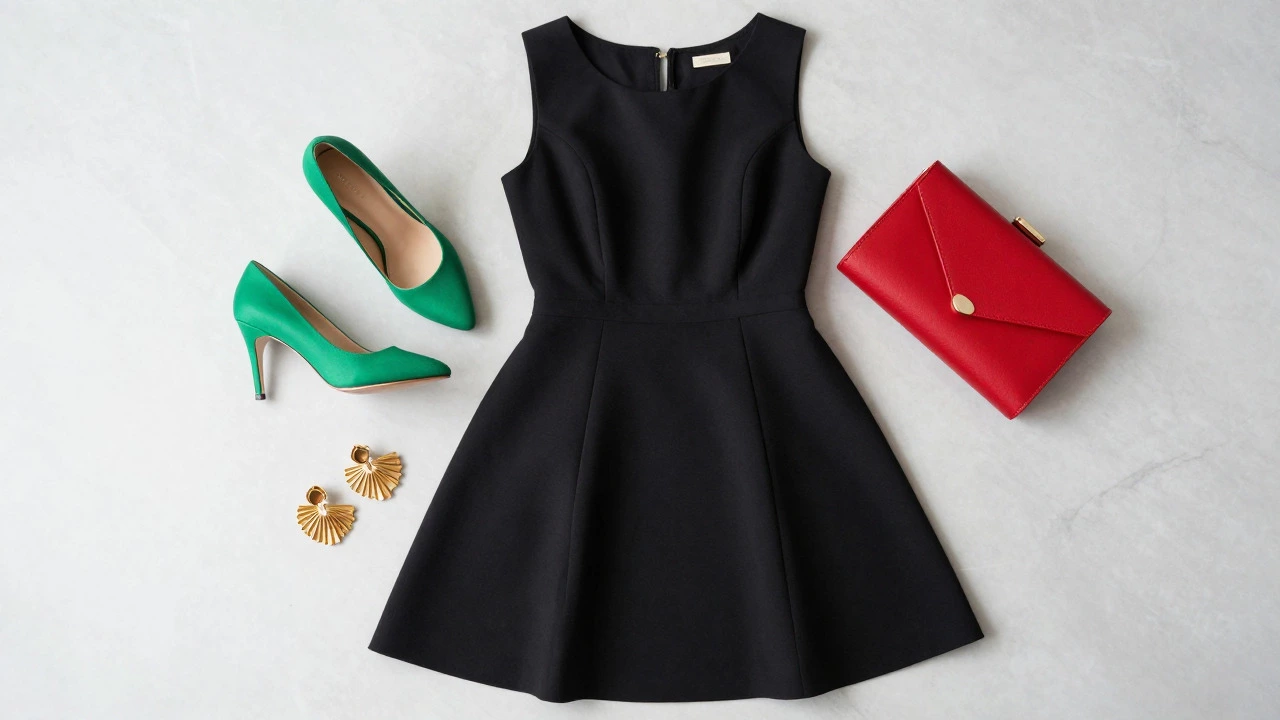
You don’t need a colorful dress to look festive. A black dress paired with emerald green heels, a ruby red clutch, or gold statement earrings instantly shifts the vibe from "funeral" to "gala." Metallics work particularly well. Gold and silver complement black beautifully and add a touch of glamour that reads as celebratory. Think of the black as the canvas and your accessories as the paint.
Play with Silhouette
A severe, high-necked, long-sleeved black gown can look intimidating. Opt for something with movement. A slip dress with a cowl neck, a fit-and-flare skirt, or a wide-leg jumpsuit feels dynamic and fun. Cut-outs, open backs, or sheer panels also soften the look. The goal is to show skin or show structure in a way that feels modern and lively, not restrictive.
Makeup and Hair
Your face is the focal point. With a black outfit, your skin tone pops. Wear a fresh, glowing base. You can go for a classic red lip for drama, or a nude gloss for a softer, romantic look. Avoid overly pale or ghostly makeup, which can enhance the "somber" effect. Instead, aim for warmth. Bronzer, blush, and highlighter will keep you looking alive and radiant in photos.
Exceptions: When to Actually Avoid Black
While black is generally safe, there are specific scenarios where you should reconsider. These are rare, but they exist. Ignoring them could lead to awkward moments.
- Traditional Religious Ceremonies: Some conservative religious communities still view black as inappropriate for joyful occasions. If you’re attending a wedding in a small, traditional community, check with the hosts or stick to navy, deep purple, or charcoal instead.
- Daytime Garden Parties: As mentioned, black can look out of place against bright flowers and greenery. It can also get uncomfortably hot. Choose a midi dress in a floral print or a solid pastel instead.
- If the Couple Says So: Some couples have specific themes. Maybe they want everyone in pastels for a cohesive photo aesthetic. Always respect the couple’s wishes. If they say "no black," don’t argue. It’s their day.
- Funeral Weddings: Okay, this is a joke, but seriously-if the wedding is very shortly after a family tragedy, be sensitive. While black might be appropriate for mourning, the couple might prefer supportive, warm colors. Gauge the mood.
Comparison: Black vs. Other Dark Neutrals
If you’re on the fence about black, consider other dark neutrals. They offer similar sophistication but with different vibes.
| Color | Vibe | Best For | Photography Note |
|---|---|---|---|
| Black | Sleek, Modern, Formal | Evening, Urban, Black-Tie | Needs texture to avoid looking flat |
| Navy Blue | Classic, Trustworthy, Soft | Day or Evening, All Venues | Reflects more light than black, easier to expose |
| Charcoal Grey | Soft, Elegant, Subtle | Autumn/Winter, Indoor Venues | Great middle ground, shows detail well |
| Deep Emerald | Rich, Romantic, Luxurious | Garden, Castle, Holiday Season | Adds color while remaining dark and formal |
Navy is often called "the new black." It’s slightly softer, less absorbing, and universally flattering. If you’re nervous about black, navy is a fantastic alternative that still reads as formal and chic. Charcoal grey is another great option, especially for fall weddings. It feels cozy and refined without the starkness of pure black.
Final Checklist Before You Buy
Before you commit to that black dress, run through this quick mental checklist:
- Is it evening? If yes, black is great.
- Is it formal? If yes, black is appropriate.
- Does it have texture? If yes, it will photograph well.
- Are you accessorizing? If yes, it won’t look somber.
- Did the couple forbid it? If no, you’re good to go.
Wearing black to a wedding is no longer a taboo. It’s a style choice. And like any style choice, it’s about execution. Wear it with confidence, pair it with joy, and you’ll look stunning in every photo. Don’t let old rules dictate your wardrobe. Embrace the elegance of black, but do it smartly.
Frequently Asked Questions
Can I wear a black suit to a wedding?
Absolutely. A black suit is a staple of formal menswear. Just ensure it fits perfectly and is paired with a crisp white shirt and a tie or bowtie that adds some personality. Avoid looking like a waiter by choosing a distinctive pocket square or lapel pin.
Is black okay for a spring wedding?
It depends on the time of day. For a daytime spring wedding, black can feel heavy and out of season. Opt for lighter fabrics and maybe mix black with brighter accessories. For an evening spring wedding, black is perfectly fine, especially if the weather is cooler.
What if I’m the maid of honor?
Check with the bride first. Many brides love having their bridal party in black because it creates a cohesive, elegant look. If she approves, go for it. If she prefers pastels, respect her vision. As maid of honor, your role is to support her aesthetic.
How do I make sure I don’t look like I’m mourning?
Focus on details. Add sparkle with jewelry, choose a fun cut or neckline, and wear bright lipstick. Your attitude and accessories signal celebration. A stiff, plain black dress with minimal makeup can look somber, but a flowing black gown with gold hoops and a smile looks festive.
Does black make me look older in photos?
Not necessarily. Black is slimming and can be very youthful if styled correctly. The key is to ensure your skin looks healthy and glowing. Use highlighter on your cheekbones and brow bone to catch the light. This prevents the black from draining color from your face.