Wedding Attire Etiquette Checker
Select the details of the upcoming event to receive a professional recommendation on whether black is an appropriate choice.
Formal Gala
Indoor, EveningWinter Indoor
Ballroom, ChurchBeach / Outdoor
Sunny, CasualGarden Party
Daytime, GreeneryTraditional/Religious
Cultural CeremonyVerdict
Appropriateness Score
Styling Recommendations
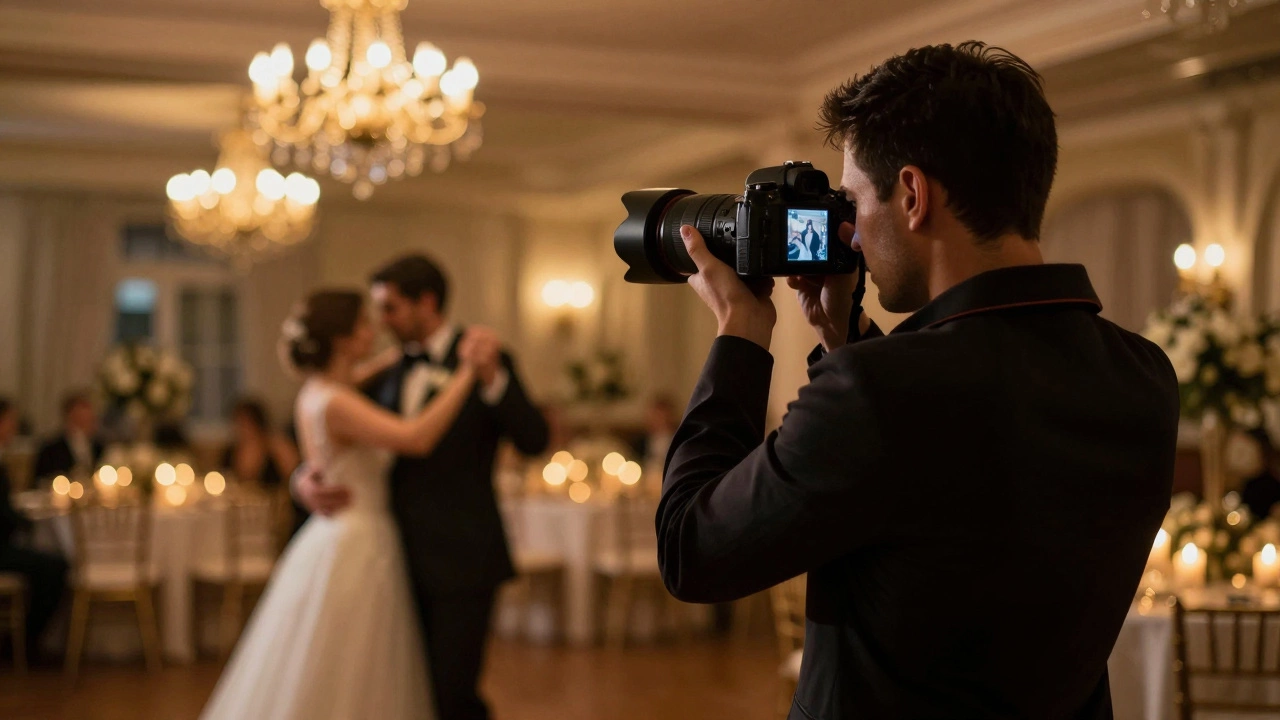
Picture this: you’re standing in the reception hall, camera in hand, capturing the moment the couple dances. The flash pops, and suddenly, a block of deep, matte black dominates the frame. Does it look chic and sophisticated? Or does it look like someone forgot they were at a celebration and not a funeral? This is the exact dilemma that keeps wedding photographers are professionals who capture the visual narrative of a marriage ceremony and reception. up at night-and it’s likely keeping you up too.
The question "Is it rude to wear black at a wedding?" has evolved dramatically over the last decade. What was once considered a faux pas so severe it could get you banned from the dance floor is now often seen as a staple of modern formal wear. But context matters. A midnight-gown black cocktail dress at a winter gala feels very different from a stark, sleeveless black mini-dress at a sunny beach brunch. To help you navigate this without offending anyone or ruining your photos, let’s break down the real rules, the photographer’s perspective, and how to pull off the look with confidence.
The Shift in Wedding Color Etiquette
To understand why black is no longer strictly forbidden, we have to look at how wedding etiquette is the set of social norms and expectations governing behavior at weddings. has changed. In the mid-20th century, wearing black to a wedding was widely interpreted as a sign of mourning or disapproval. It suggested you expected the marriage to fail, which, understandably, upset hosts.
However, fashion trends shifted. Designers began incorporating black into evening wear for celebrations, not just funerals. Today, black is viewed as slimming, elegant, and versatile. For many guests, especially those attending multiple events, a black outfit is a practical choice that can be dressed up or down with accessories. The key isn't the color itself, but how you wear it. If the outfit looks celebratory, festive, and respectful of the occasion, the color is usually acceptable.
The Photographer’s Perspective: Why Color Matters in Photos
As a professional who spends their life behind the lens, I see things differently than the average guest. You might think your black dress looks great in the mirror, but how does it translate on camera? This is where wedding photography is the art and science of capturing images during wedding events. comes into play. Here are three specific reasons why your choice of black impacts the final album:
- Contrast and Exposure: Black absorbs light. In low-light settings like evening receptions, large areas of black can confuse the camera’s metering system. This might result in your face being underexposed (too dark) while the background blows out. We adjust for this, but it takes time and skill. If everyone wears black, the photos can look muddy and lack depth.
- Visual Weight: In group shots, bright colors pop and draw the eye. Black recedes. If you’re in a photo with five people wearing vibrant hues and one person in all-black, that person can appear to disappear into the background. Conversely, if the bride is wearing white and you’re in black, the contrast is sharp. This isn’t bad, but it creates a stark separation that some couples find jarring in their heirloom photos.
- Mood Association: Humans are wired to associate colors with emotions. White signifies purity and new beginnings; red signifies passion and energy; black traditionally signifies mourning or formality. When we edit photos, we aim for a warm, joyful tone. Large blocks of black can inadvertently cool down the image, making a happy scene feel somber or serious.
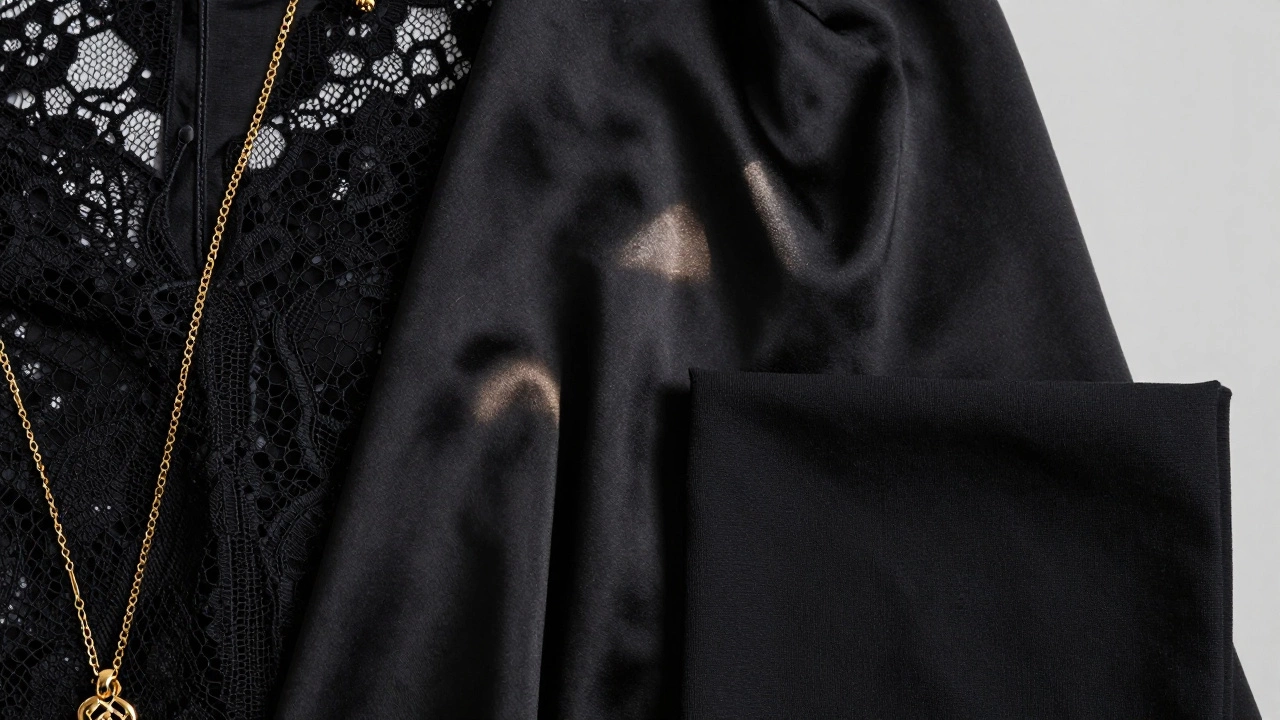
This doesn’t mean you can’t wear black. It means you need to be strategic. Add texture, shine, or accessories to break up the monotony. Lace, sequins, or a bold metallic clutch can reflect light and add dimension, helping the photographer capture you more effectively.
Context Is King: When Black Works and When It Doesn’t
Not all weddings are created equal. The appropriateness of black depends heavily on the setting, season, and dress code. Let’s map out the scenarios where black shines and where it should be left in the closet.
| Wedding Setting | Appropriateness | Photographer’s Note |
|---|---|---|
| Formal Evening Gala | Highly Appropriate | Black blends well with dark backgrounds and candlelight. Look elegant. |
| Winter Indoor Ceremony | Very Appropriate | Rich fabrics like velvet look stunning in winter light. Adds warmth. |
| Summer Beach Wedding | Inappropriate | Black absorbs heat and clashes with bright, airy backgrounds. Looks heavy. |
| Casual Daytime Garden Party | Risky | Can look too severe against greenery and sunlight. Choose lighter tones. |
| Religious/Cultural Traditional | Check First | Some cultures view black as unlucky. Respect local customs above fashion. |
If the invitation says "Black Tie," you are practically required to wear black or white. In these cases, the expectation is high formality, and black is the standard. However, if the invite says "Beach Formal" or "Garden Party," sticking to navy, emerald, or blush is safer and more photogenic.
How to Wear Black Without Looking Somber
If you’ve decided to rock black, you need to ensure the outfit reads as "celebration" not "mourning." Here are practical tips to style your look for both social approval and photographic success:
- Add Metallic Accents: Gold, silver, or rose gold jewelry reflects light beautifully. A statement necklace or sparkling earrings will catch the camera flash and add brightness to your face. This helps balance the darkness of the fabric.
- Choose Textured Fabrics: Flat cotton or polyester black can look dull. Opt for lace, chiffon, satin, or sequins. These materials interact with light, creating highlights and shadows that give your photo depth. Satin, for example, catches the light in a way that makes the skin glow.
- Play with Silhouette: A long, flowing gown feels romantic and celebratory. A short, structured mini-dress can sometimes look like club wear. Ensure the cut of the dress aligns with the formality of the event. If in doubt, go longer rather than shorter.
- Accessorize Boldly: A colorful clutch, a patterned shawl, or even bright shoes can break up the black. This adds a pop of color that photographers love because it ties into the overall color palette of the wedding decor.
- Avoid All-Black Head-to-Toe: If possible, introduce a break in the monochrome. Nude heels, a sheer overlay, or an open back can soften the look. This prevents you from appearing as a single dark shape in wide-angle shots.
What About the Couple? Always Ask.
Despite general trends, every couple has unique preferences. Some may have strict cultural beliefs about black. Others might simply want a vibrant, colorful aesthetic for their photos. The most respectful thing you can do is check with the couple or the wedding planner.
You don’t need to send a formal letter. A quick text to a close friend in the bridal party or a comment on the wedding website asking, "I’m thinking of wearing a black lace dress-does that fit the vibe?" goes a long way. Most couples will appreciate your consideration. If they say no, respect it. Your goal is to celebrate them, not to make a fashion statement that distracts from their day.
Alternatives to Black That Photograph Well
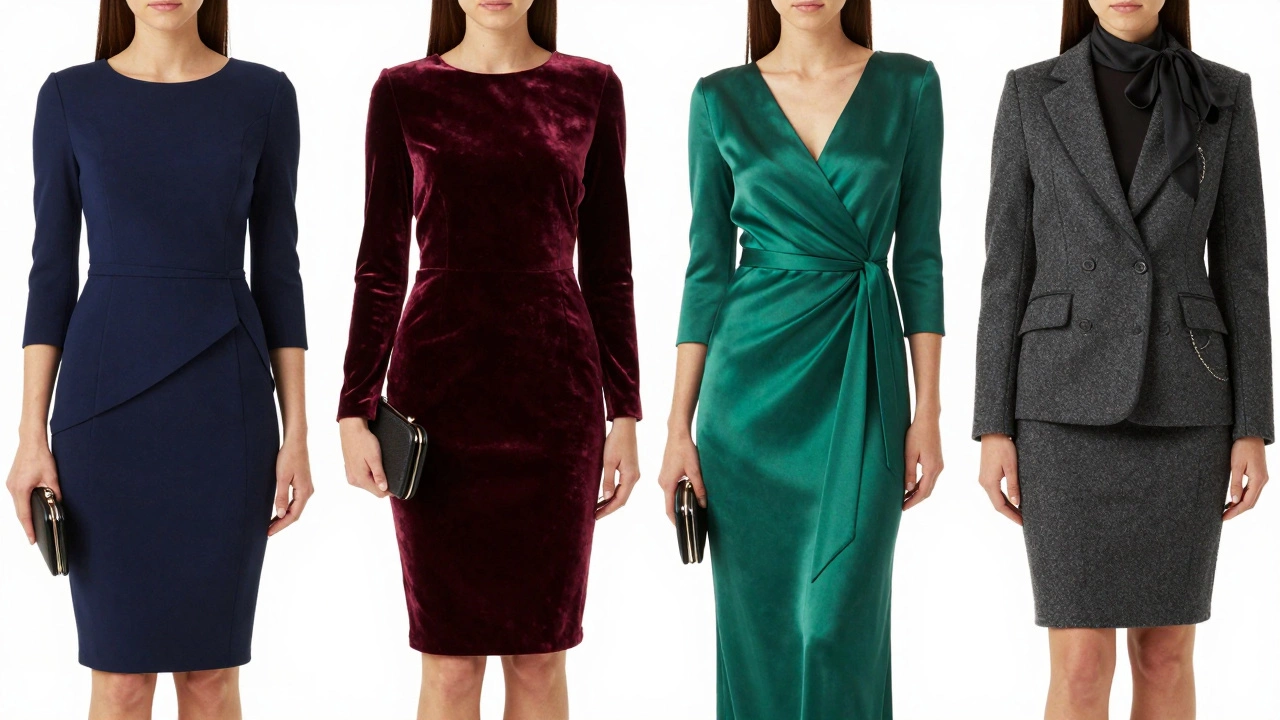
If you’re worried about black being too risky, there are several alternatives that offer similar sophistication but with better photographic properties. Dark jewel tones are excellent substitutes. They provide the elegance of black but add color richness that enhances skin tones and complements various lighting conditions.
- Navy Blue: Almost as slimming as black but softer. It photographs beautifully in both indoor and outdoor settings.
- Burgundy or Wine: Rich and warm, these colors look fantastic in autumn and winter weddings. They add warmth to the image.
- Emerald Green: A deep green offers a luxurious feel and contrasts nicely with floral arrangements.
- Charcoal Grey: A step away from pure black, charcoal allows more light reflection and looks less severe.
These colors maintain the formal aesthetic you desire while ensuring you stand out positively in the group photos. They also blend seamlessly with most wedding palettes, from rustic earth tones to modern minimalist whites.
Final Thoughts on Wedding Guest Attire
Wearing black to a wedding is no longer inherently rude. It’s a nuanced choice that depends on the time of day, the venue, the culture, and the specific style of your outfit. As a photographer, my advice is simple: prioritize joy and respect. If your black outfit makes you feel confident and beautiful, and it respects the couple’s vision, then it’s the right choice. Just remember to add some sparkle or texture to help us capture you in the best light. After all, you want to look as amazing in the photos as you feel on the dance floor.
Is it okay to wear a black dress to a daytime wedding?
It depends on the formality. For a casual daytime garden or beach wedding, black can look too heavy and somber against bright natural light. It’s better to choose lighter colors or pastels. However, for a formal daytime event, such as a church ceremony followed by a luncheon, a stylish black dress with floral accents or metallic jewelry is generally acceptable.
Why do wedding photographers dislike guests wearing all black?
Photographers don’t necessarily dislike it, but they face technical challenges. Black absorbs light, which can cause exposure issues in low-light environments, leading to underexposed faces. Additionally, large blocks of black can reduce visual interest in group photos and clash with the typically warm, joyful mood editors try to create.
Can men wear black suits to weddings?
Yes, absolutely. A black suit is standard for formal and black-tie weddings. For less formal events, a navy or grey suit is often preferred as it looks less like funeral attire. Men should ensure the suit is well-fitted and paired with a crisp white shirt and appropriate tie to maintain a celebratory look.
What accessories make a black wedding outfit look festive?
To make black look festive, add elements that reflect light or add color. Sparkling jewelry, metallic clutches, sequined details on the dress, or bold colored shoes are excellent choices. These accessories break up the dark fabric and signal that you are there to celebrate, not mourn.
Should I ask the couple before wearing black?
It’s always a good idea, especially if you know the couple has strong opinions or cultural traditions regarding color. A quick message to the bridal party clarifies any doubts and shows respect for their special day. If they prefer no black, having a backup plan ensures you’re comfortable and compliant.