Engagement Ring Strategy Finder
Why this works for you:
Pro Tip:
Next Steps:
There is a quiet tension in the air when you realize your relationship is heading toward marriage. The conversation about proposals usually starts with whispers, hints, or perhaps a direct question: "Do you want me to pick out the ring, or should we look together?" This dilemma has shifted dramatically over the last decade. What was once a strict tradition of total secrecy is now a nuanced negotiation between romance and practicality.
If you are wondering whether to let your boyfriend handle the entire process or step in for guidance, the answer depends entirely on your shared values, budget, and personal style. There is no single right way to do this anymore. Some couples find that co-shopping creates a stronger bond, while others believe the surprise element adds essential magic to the moment. Here is how to navigate this decision without ruining the vibe or ending up with a ring you hate.
The Case for the Traditional Surprise
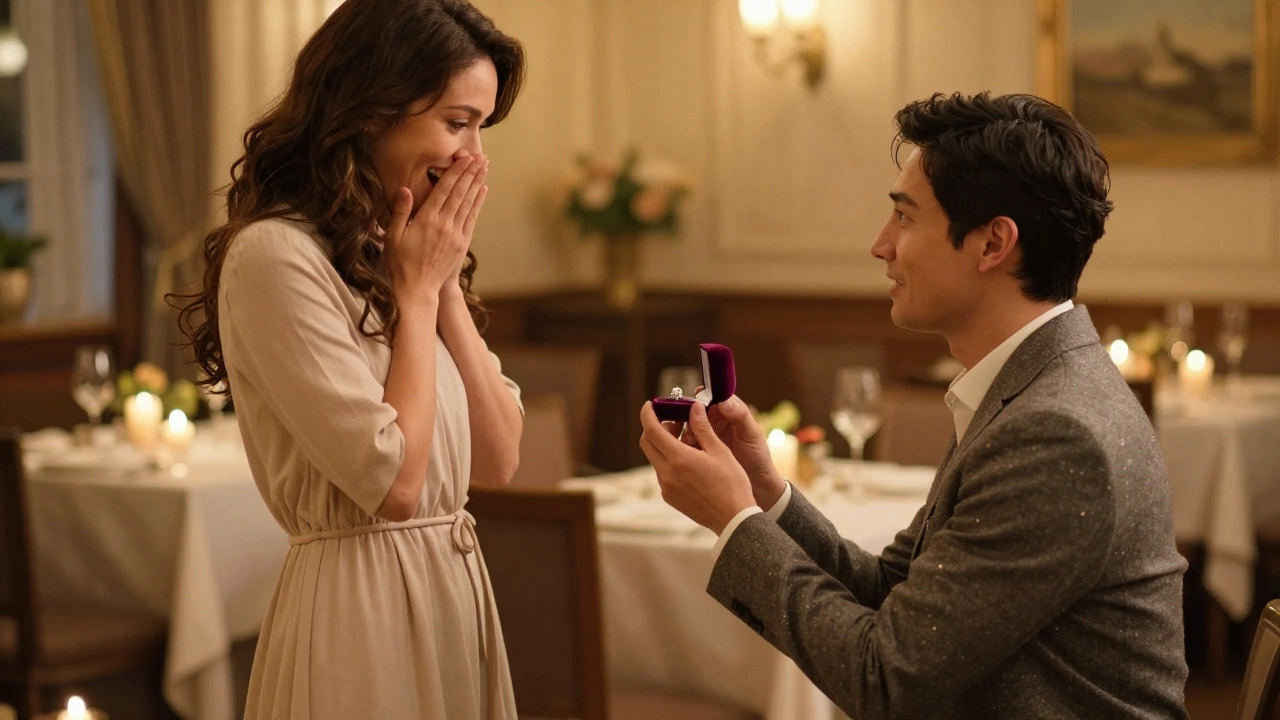
Let’s be honest: the classic movie proposal still holds a powerful allure. Imagine walking into a restaurant, unsuspecting, only to have your partner drop to one knee with a box that perfectly matches your taste. That specific type of joy-the shock, the delight, the feeling of being truly known-is hard to replicate if you’ve already tried on every diamond in the store.
Traditional Proposals rely heavily on the element of surprise and the partner's ability to anticipate preferences. For this to work, however, your boyfriend needs to be exceptionally observant. He must notice which jewelry you wear daily, whether you prefer gold or platinum, and if you lean toward minimalist designs or statement pieces.If he has been paying attention, letting him pick the ring can be a profound gesture of love. It shows he studied you, learned your aesthetic, and invested time in getting it right. But there is a risk. Men often default to what they think looks "expensive" rather than what looks "you." They might choose a large, flashy stone because they assume size equals value, ignoring the cut quality or setting style you actually prefer. If you are not a jewelry person, this gap in knowledge can lead to disappointment.
The Rise of Collaborative Selection
In recent years, a significant shift has occurred. More couples are choosing to shop for engagement rings together. According to surveys from major jewelers like Blue Nile and James Allen, nearly half of all engagements involve some level of joint shopping. Why? Because buying an engagement ring is not just a romantic act; it is a financial one.
An engagement ring is often one of the largest purchases a couple makes early in their relationship. Prices can range from a few thousand dollars to tens of thousands. By involving both partners, you ensure that the purchase aligns with your shared financial goals. You avoid the awkward post-proposal conversation where one partner feels guilty about the cost, or the other feels resentful about spending savings on a piece of jewelry.
Collaborative Shopping allows couples to balance aesthetic preferences with budget constraints and ethical considerations. When you shop together, you can discuss trade-offs openly. Maybe you both agree that a lab-grown diamond offers better value for money, allowing for a larger carat weight within the same budget. Or perhaps you decide to skip the expensive center stone to invest more in a unique band design that reflects your personality.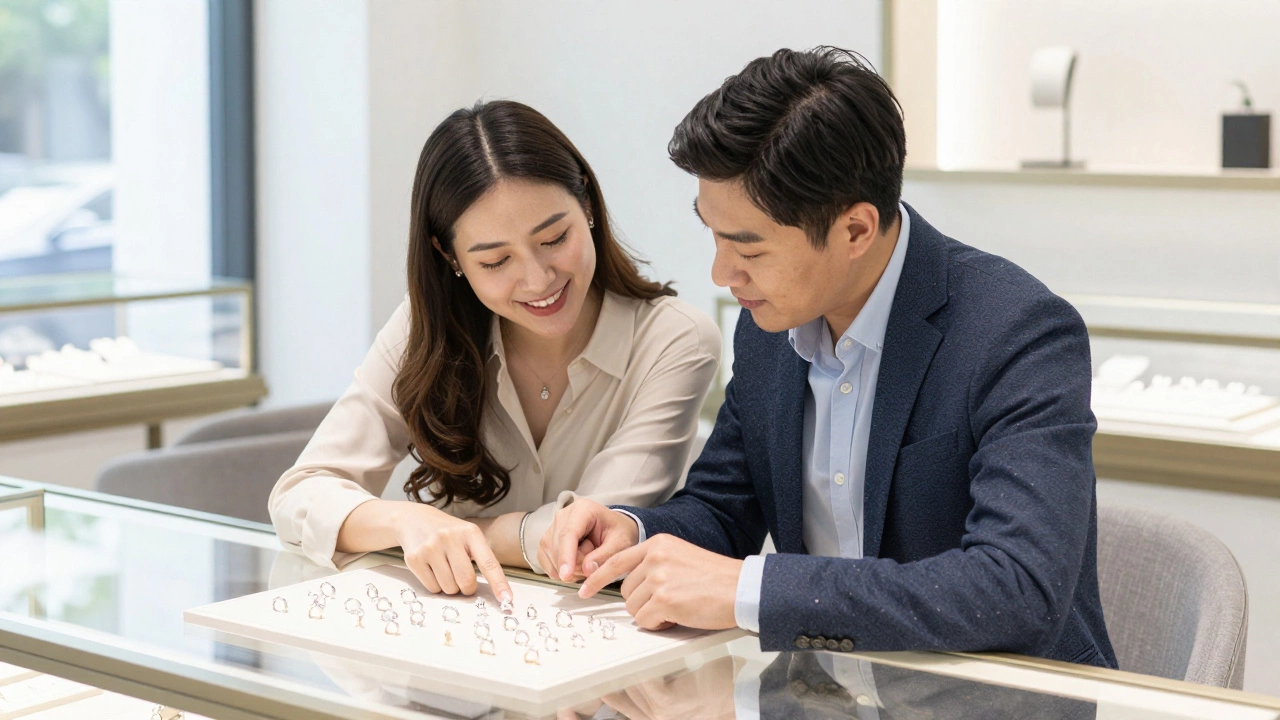
Compromise Strategies: Getting the Best of Both Worlds
You don’t have to choose between total control and zero input. Most successful couples find a middle ground. Here are three common approaches that preserve the romance while ensuring satisfaction:
- The Placeholder Strategy: Your boyfriend buys a temporary ring-perhaps a simple band or a modest solitaire-for the actual proposal. Afterward, you go shopping together to select the final ring. This keeps the surprise intact but gives you agency over the permanent piece.
- The Style Guide Method: Before he shops, you provide a clear set of parameters. Create a Pinterest board, save images of rings you love, and explicitly state what you dislike (e.g., "No yellow gold," "Nothing too bulky"). This narrows his search field significantly, reducing the chance of a mismatch.
- The Joint Research, Solo Purchase Approach: You browse online catalogs together casually, noting prices and styles you like. Then, he goes alone to make the purchase. This ensures he knows exactly what you want and stays within budget, but the act of buying remains his responsibility.
Key Factors to Consider Before Deciding
To decide which path is right for you, ask yourself these critical questions. Your answers will guide your choice.
| Factor | Favoring Surprise | Favoring Collaboration |
|---|---|---|
| Budget Sensitivity | Low priority; partner handles finances independently | High priority; need to align with shared savings goals |
| Style Confidence | Partner has excellent taste and knows your preferences | Unsure if partner understands your aesthetic |
| Ethical Concerns | Less concerned with sourcing details | Prioritize conflict-free, lab-grown, or recycled metals |
| Emotional Value | Surprise and mystery are paramount | Shared experience and mutual agreement matter more |
If you are highly particular about metal types, setting shapes, or ethical sourcing, collaboration is likely safer. If you trust your partner’s judgment and view the ring as a symbol rather than a specific design object, a surprise might work beautifully.

Navigating Potential Pitfalls
Even with the best intentions, things can go wrong. One common issue is the pressure to conform to outdated norms. Many men feel pressured by society to spend two or three months’ salary on a ring. This rule, originally a marketing campaign by De Beers in the 1930s, is financially irresponsible for many modern couples. If you let him pick the ring alone, he might overspend to prove his commitment, leaving you with guilt later.
Another pitfall is the "return policy" anxiety. Some jewelers allow exchanges, but others do not, especially for custom pieces. If you end up with a ring you cannot wear comfortably, the stress of returning it can dampen the excitement of the engagement. Always check the return and resizing policies before any purchase is made.
Communication is key. If you decide to collaborate, frame it as an exciting adventure, not a chore. Visit high-end boutiques just to window-shop, or browse online galleries during a cozy evening at home. Keep the tone light and positive. Remember, the goal is to find a symbol of your future together, not to win a debate about gemology.
Final Thoughts on Making the Choice
Ultimately, the best approach is the one that feels authentic to your relationship. If you are both pragmatic and open, shopping together can strengthen your partnership. If you crave romance and trust your partner’s intuition, let him take the reins-but give him enough clues to succeed. There is no wrong choice as long as you communicate openly and respect each other’s feelings. The ring is just the beginning; the conversation around it sets the tone for how you’ll handle big decisions together.
Is it rude to ask my boyfriend to shop for the ring with me?
Not at all. Modern relationships prioritize mutual comfort and financial prudence. Many couples find that shopping together reduces anxiety and ensures the ring fits your lifestyle and budget. It is a sign of maturity, not rudeness.
How can I hint at my ring preference without spoiling the surprise?
Create a private Pinterest board or save photos in a shared album labeled "Inspiration." You can also mention specific styles you admire in passing conversations, such as, "I love how vintage rings look on Sarah," or "I think rose gold would suit my skin tone better." These subtle cues help him narrow down options.
What if I hate the ring he picks?
First, focus on the emotion of the proposal. Express gratitude for the gesture. Later, you can gently suggest exchanging the ring for one you both love, framing it as a joint project. Most reputable jewelers offer exchange windows, making this process smoother than expected.
Should we buy a lab-grown diamond instead of a natural one?
This is a personal choice based on ethics, budget, and preference. Lab-grown diamonds are chemically identical to natural ones but cost 30-50% less. They are also eco-friendly and conflict-free. Discuss your values regarding sustainability and cost-effectiveness to decide what aligns with your principles.
How much should we spend on an engagement ring?
Ignore the "two-month salary" myth. Spend what feels comfortable for your financial situation. Whether it’s $1,000 or $10,000, the value lies in the meaning behind the ring, not its price tag. Prioritize your shared financial health over societal expectations.