Wedding Centerpiece Calculator
Your Setup
Results
Enter your details to see your personalized assessment.
There’s something undeniably romantic about handmade wedding centerpieces. The thought of arranging your own flowers, lighting candles just right, and placing each tiny detail with care feels personal-like you’re pouring your love into every inch of the table. But here’s the question most couples don’t ask until it’s too late: Should I make my own wedding centerpieces? The answer isn’t yes or no. It’s about time, money, stress, and what you’re really willing to sacrifice for that perfect look.
What You Save (And What You Lose) With DIY Centerpieces
Let’s start with the numbers. A professional florist charges anywhere from $50 to $150 per centerpiece, depending on the flowers, size, and complexity. For a 15-table reception, that’s $750 to $2,250-just for centerpieces. If you make them yourself, you might spend $15 to $40 per table. That’s a potential savings of $500 to $2,000. Sounds great, right?
But here’s what most people don’t tell you: that savings comes with hidden costs. Time. Energy. Sleep. And maybe your sanity.
One couple in Melbourne spent 40 hours over three weekends assembling 20 centerpieces using eucalyptus, dried lavender, and glass votives. They got it done-but they missed their rehearsal dinner. They were too tired to dance at their own wedding. And one centerpiece fell over during the first toast because the vase wasn’t weighted properly.
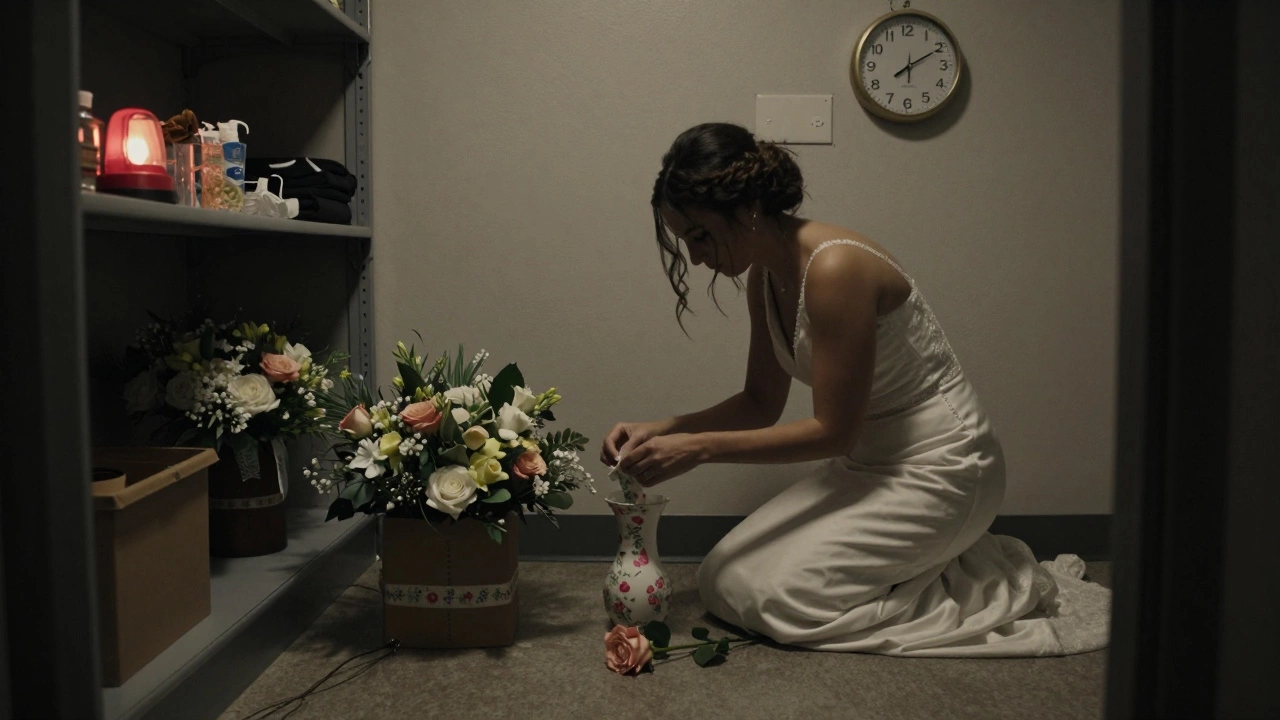
DIY isn’t just about buying flowers. It’s about sourcing materials, transporting them, storing them properly, assembling in a space that isn’t your kitchen (which smells like wet greenery for days), and then getting them to the venue on time without crushing them. If you’re not already good with your hands-or if you’ve never done this before-expect mistakes. And expect to fix them at 2 a.m. the night before the wedding.
When DIY Centerpieces Actually Work
Not everyone should make their own centerpieces. But some people absolutely should.
If you:
- Have experience with floral design or crafts
- Have access to cheap or free flowers (like from a friend’s garden or a wholesale market)
- Have a simple, repeatable design (think: single stem in a mason jar, or candles in a row)
- Have help-like three reliable friends or family members who can commit to a workday
- Are planning a rustic, boho, or minimalist wedding where imperfections look intentional
Then DIY might be your sweet spot.
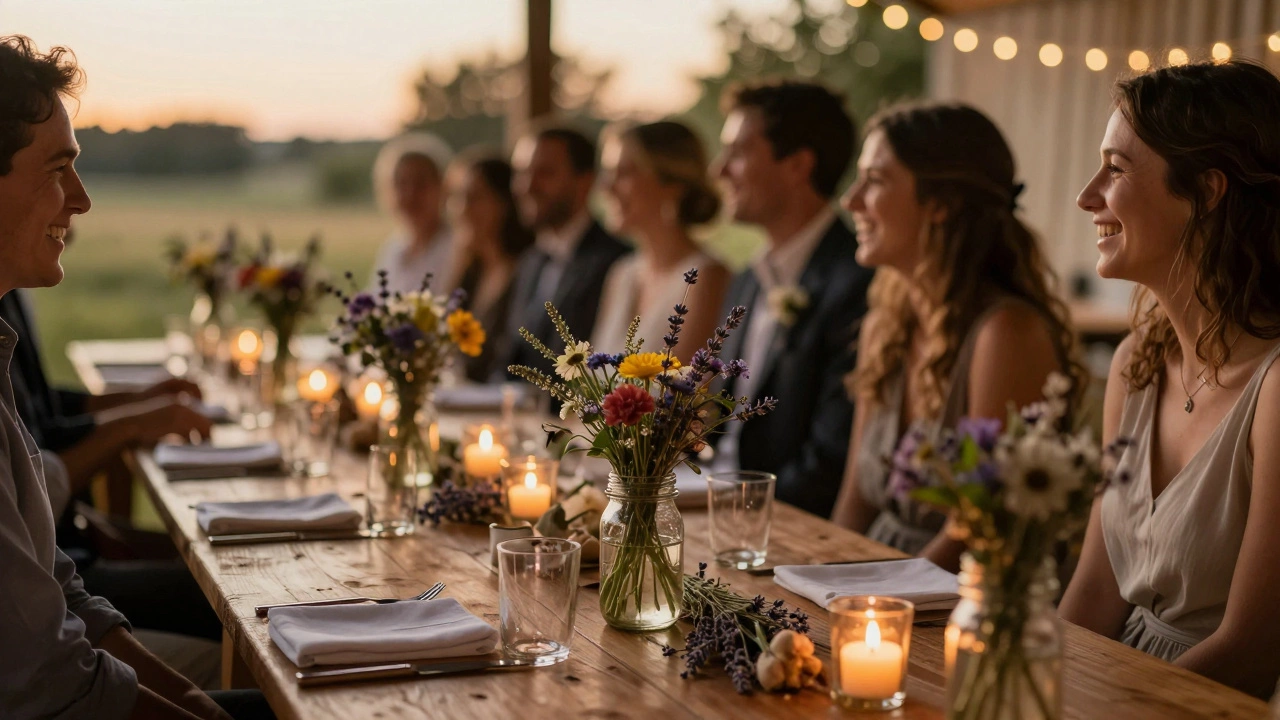
One Sydney bride used cuttings from her grandmother’s rose bush, paired with thrifted brass candle holders. She bought bulk eucalyptus from a local farm for $12 a bunch. Each centerpiece cost under $10. The result? A look that felt warm, personal, and totally unique. Guests asked where she got them. She told them: “My grandma’s garden.”
That’s the magic. When done right, DIY centerpieces carry emotion. They’re not just decorations-they’re heirlooms in the making.
The Hidden Time Trap
Most people think they can knock out centerpieces in a weekend. They’re wrong.
Here’s a realistic timeline for 20 centerpieces:
- Research and design: 3-5 hours
- Shopping for supplies: 2-4 hours
- Transporting and storing materials: 1-2 hours
- Assembly day (with help): 6-8 hours
- Rehearsal setup at venue: 2-3 hours
- Backup prep (in case something breaks): 2 hours
That’s 16 to 24 hours of work. For context, that’s more than two full workdays. And this doesn’t include the time you’ll spend stressing over whether the hydrangeas will last, or if the candles will drip, or if the vase will tip over when someone leans on the table.
Wedding planners see this all the time. Couples come in two weeks before the wedding, panicked because their DIY project is half done. They’re crying over spilled glue. They’re begging for last-minute help. And the florist? They’re already booked.
What Goes Wrong (And How to Avoid It)
Here are the five most common DIY centerpiece disasters-and how to dodge them:
- Flowers wilt before the ceremony. Buy them 24-48 hours before assembly. Keep them in cool water. Don’t use floral foam unless you’re sure it’s fully saturated. In Australia’s heat, even hardy blooms like sunflowers can droop by noon.
- Centerpieces are too tall. If guests can’t see each other across the table, you’ve ruined conversation. Keep designs under 12 inches high. Use low, wide arrangements or candles.
- Glue, tape, or wire fails. Test your materials before the big day. Hot glue doesn’t hold in humidity. Double-sided tape can peel. Use floral wire for stems, and secure heavy items with weighted bases-like stones or sand inside the vase.
- Everything looks the same. Repetition is fine, but identical centerpieces feel cold. Vary heights slightly. Swap one flower type on every third table. Add a personal touch-like a small photo frame or handwritten note.
- You forget the venue rules. Some venues ban open flames. Others don’t allow tape on tables. Call ahead. Don’t assume.
Smart Middle Ground: Partial DIY
You don’t have to go all-in or all-out.
Here’s a smarter approach: hire a florist for the main arrangements-like the head table or aisle decor-and DIY the rest.
Or, buy pre-made arrangements from a wholesale supplier (like Flowerbx or local bulk flower markets) and just add your own touches: a ribbon, a sprig of rosemary, a tiny lantern. You’re still saving money, but you’re not doing the heavy lifting.
One couple in Byron Bay bought 18 pre-arranged rose and ranunculus bunches for $25 each. Then they added their own candles and handwritten table cards. Total cost: $550. They spent 4 hours assembling. They slept the night before. And their guests still said it was the most beautiful table setting they’d ever seen.
When to Say No
If any of these sound like you, skip the DIY centerpieces:
- You’re already overwhelmed with planning
- You’re not crafty-or you hate crafts
- You’re doing this alone
- You’re on a tight timeline (less than 4 weeks out)
- You’re having a formal, high-end wedding where perfection matters
There’s no shame in hiring someone. A professional florist knows how to keep blooms fresh, how to balance weight and height, and how to work with your venue’s lighting and layout. They’ve done this 50 times. You’ve never done it before. That’s okay.
Your wedding day isn’t about proving you can make a centerpiece. It’s about celebrating your love-with your people, in your style. And if that style includes beautiful, professionally made centerpieces? That’s not lazy. It’s smart.
Final Checklist: Is DIY Right for You?
Answer these five questions honestly:
- Do I have at least 20 hours of free time in the next 4 weeks?
- Do I have someone reliable to help me assemble them?
- Can I store materials safely (cool, dry, out of direct sun)?
- Is my design simple enough that even a beginner can copy it?
- Will I regret spending my wedding night fixing broken vases instead of dancing?
If you answered “no” to two or more, hire a florist. You’ll thank yourself later.
At the end of the day, your centerpieces are just one part of your day. The memories you make-laughing with your best friends, saying your vows, dancing under string lights-those won’t come from the flowers on the table. They’ll come from the people beside you. And that’s worth more than any handmade arrangement.
Are homemade wedding centerpieces cheaper than professional ones?
Yes, usually-but only if you have the time, tools, and help. A DIY centerpiece can cost $15-$40 each, while a professional one runs $50-$150. But the hidden costs-time, stress, and potential mistakes-can make DIY more expensive in ways you can’t measure in dollars.
What’s the easiest DIY wedding centerpiece to make?
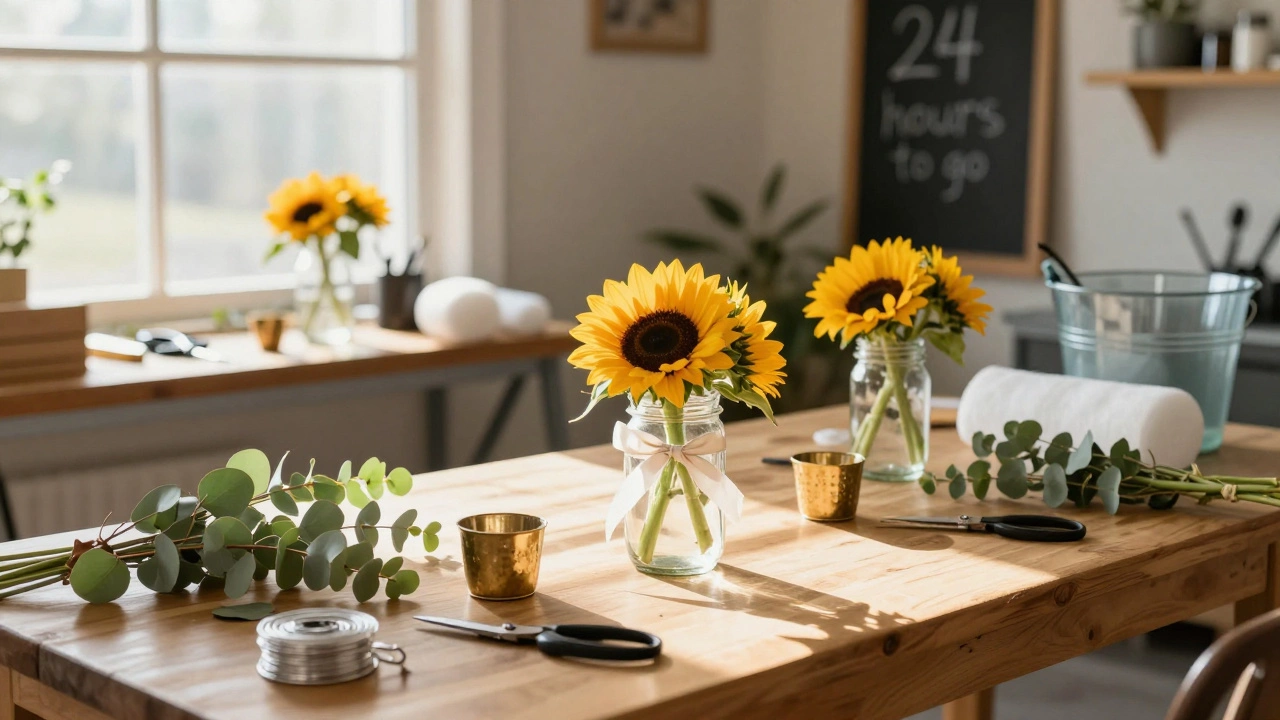
The easiest? A single stem (like a sunflower or rose) in a clear glass jar with water, tied with a ribbon. Add a tea light candle underneath for warmth. It’s cheap, quick, and looks elegant. You can make 20 in under 3 hours with help.
How far in advance should I make wedding centerpieces?
Assemble them 24-48 hours before the wedding. Buy flowers the day before assembly. Keep them in a cool place. Don’t assemble too early-flowers wilt, candles melt, and glue weakens in heat and humidity.
Can I use fake flowers for wedding centerpieces?
Yes-and they’re a smart choice if you’re on a budget or want to reuse them. High-quality silk flowers look real from a distance. Avoid cheap plastic ones. Look for ones with weighted bases and real-feel textures. Many couples now use them for outdoor weddings to avoid heat damage.
What if my DIY centerpiece breaks on the day?
Always make 2-3 extra pieces as backups. Keep them in a box with padding. Bring hot glue, floral tape, and wire in a small kit. If one breaks, swap it out quickly. Most guests won’t notice unless you point it out.
Next Steps: What to Do Now
If you’re still unsure, try this: sketch out your dream centerpiece. Now, write down how much time it’ll take. Then, write down how much you’d pay a florist for the same thing. Put both numbers on your fridge. Look at them every day for a week.
Do you feel more excited or more anxious? That’s your answer.
There’s no right choice. Only the right one for you.