Wedding Foundation Finder
Your Profile
Recommended Formula
Select your preferences and click "Find My Match" to see which pro-trusted foundation will survive your big day.
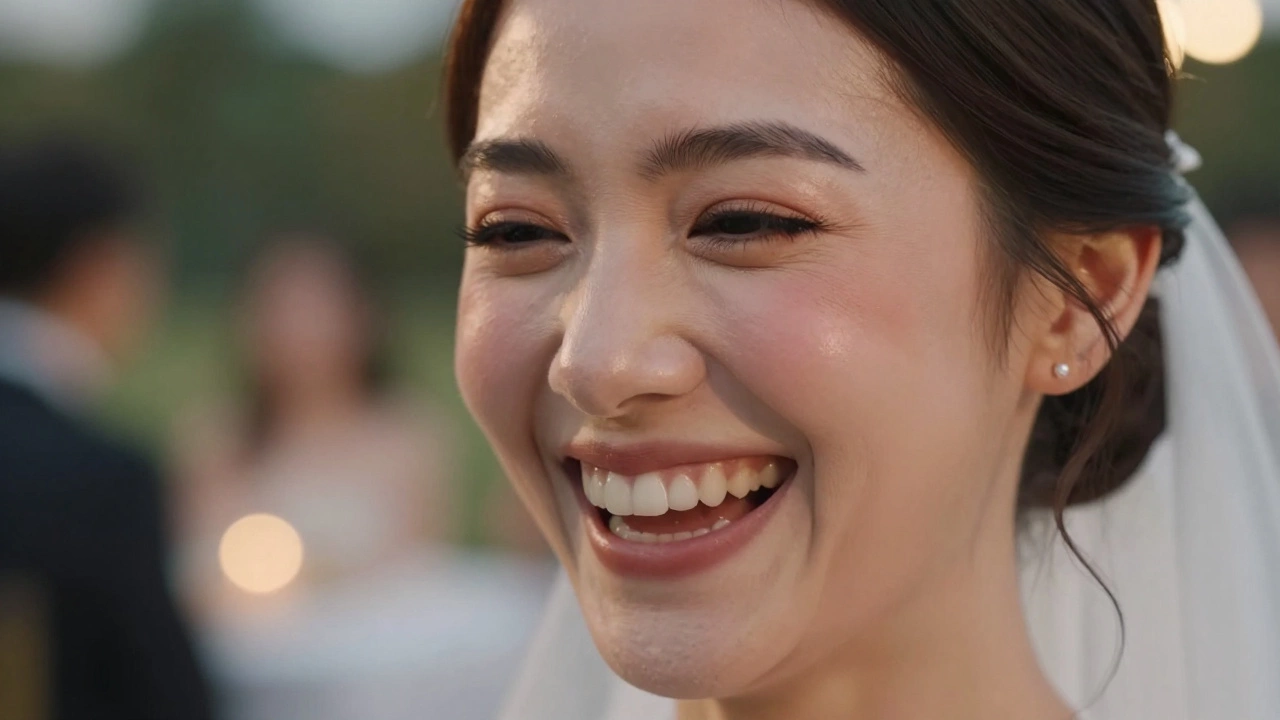
nPicture this: It’s 10 p.m., the cake has been cut, and you’re dancing on the floor. Your eyes are tearing up from happy laughter, your cheeks are flushed from the heat of the room, and you’ve been sweating slightly under the lights. You catch a glimpse in the mirror. Does your face look like it did at the ceremony? Or does it look patchy, shiny, and tired?
This is the moment most brides worry about. The difference between looking fresh all day and needing a touch-up by dinner usually comes down to one thing: wedding foundation. Professional makeup artists don’t just grab any bottle off the shelf. They choose formulas built for endurance, photography, and emotional stress. If you want your makeup to survive tears, humidity, and hours of celebration, you need to understand what pros actually use.
The Non-Negotiables: What Makes a Foundation "Wedding-Ready"?
Not every foundation that claims to be "long-lasting" can handle a wedding day. Regular daily wear foundations are designed to breathe and move with your skin over eight hours. A wedding foundation needs to stay put for twelve or fourteen hours while resisting oil, sweat, and friction from masks or veils.
Makeup artists prioritize three specific attributes when selecting a base for a bride:
- High Pigmentation: Camera lenses flatten features and wash out color. Pros need a foundation with high opacity to ensure your skin looks even and radiant in photos, not gray or dull.
- Transfer Resistance: This means the product won’t rub off on your veil, your partner’s shirt during hugs, or your phone screen when you’re checking messages.
- Oxidation Stability: Many foundations darken or turn orange after an hour as they react with oxygen and skin oils. Pros test for this specifically because a shade mismatch halfway through the day is a nightmare to fix.
If a foundation lacks these traits, it doesn’t matter how beautiful the finish looks in the morning. It will fail by the reception.
Top Formulas Trusted by Professionals
While trends change, certain brands have become staples in professional kits because they consistently perform under pressure. Here are the heavy hitters you’ll see most often.
| Product Name | Finish Type | Best For Skin Type | Key Strength |
|---|---|---|---|
| Estée Lauder Double Wear | Satin Matte | Combination/Oily | Extreme longevity; sweat-proof |
| Make Up For Ever HD Skin | Natural/Skin-like | All Types (especially Dry) | Camera-ready without looking cakey |
| Giorgio Armani Luminous Silk | Luminous/Natural | Dry/Normal | Expensive but incredibly lightweight feel |
| NARS Natural Radiant Longwear | Radiant Matte | Normal/Dry | Brightens complexion while lasting all day |
| MAC Studio Fix Fluid | Matte | Oily/Combination | Affordable pro standard with good control |
Estée Lauder Double Wear Stay-in-Makeup is arguably the most famous choice for a reason. It dries down to a matte finish that literally locks onto the skin. It is difficult to remove without a dedicated cleanser. However, it can feel heavy if your skin is dry, so it requires thorough moisturizing beforehand.
Make Up For Ever HD Skin Foundation is the go-to for brides who hate the feeling of makeup on their face. It uses micro-pigments that mimic the way light reflects off real skin. It looks incredible in 4K video and high-resolution photography because it doesn’t create a flat mask effect.
Giorgio Armani Luminous Silk is the luxury favorite. It provides medium-to-full coverage with a sheer, airy texture. It’s perfect for brides with great skin who just want to even out tone and add glow, rather than cover blemishes completely.
Matching Your Finish to Your Skin Type
You cannot simply buy the "best" foundation. You must buy the best foundation for your skin. Using the wrong finish will cause your makeup to slide off or crack within hours.
If you have oily skin, you need a matte or satin-matte formula. These contain silica or clay powders that absorb excess sebum throughout the day. Avoid "dewy" or "hydrating" labels, as these will make you look greasy by noon. Look for words like "oil-control," "mattifying," or "transfer-resistant."
If you have dry skin, matte foundations are your enemy. They will cling to dry patches, emphasize fine lines, and make your face look cracked. Instead, opt for luminous, radiant, or hydrating foundations. These contain emollients like squalane or hyaluronic acid that keep the skin supple. Brands like NARS Natural Radiant Longwear or Dior Forever Skin Glow work well here.
If you have combination skin, you have options. You can use a natural-finish foundation like MAC Studio Fix Fluid and then set only your T-zone (forehead, nose, chin) with powder, leaving the cheeks dewy.
The Secret Weapon: Setting Spray and Powder
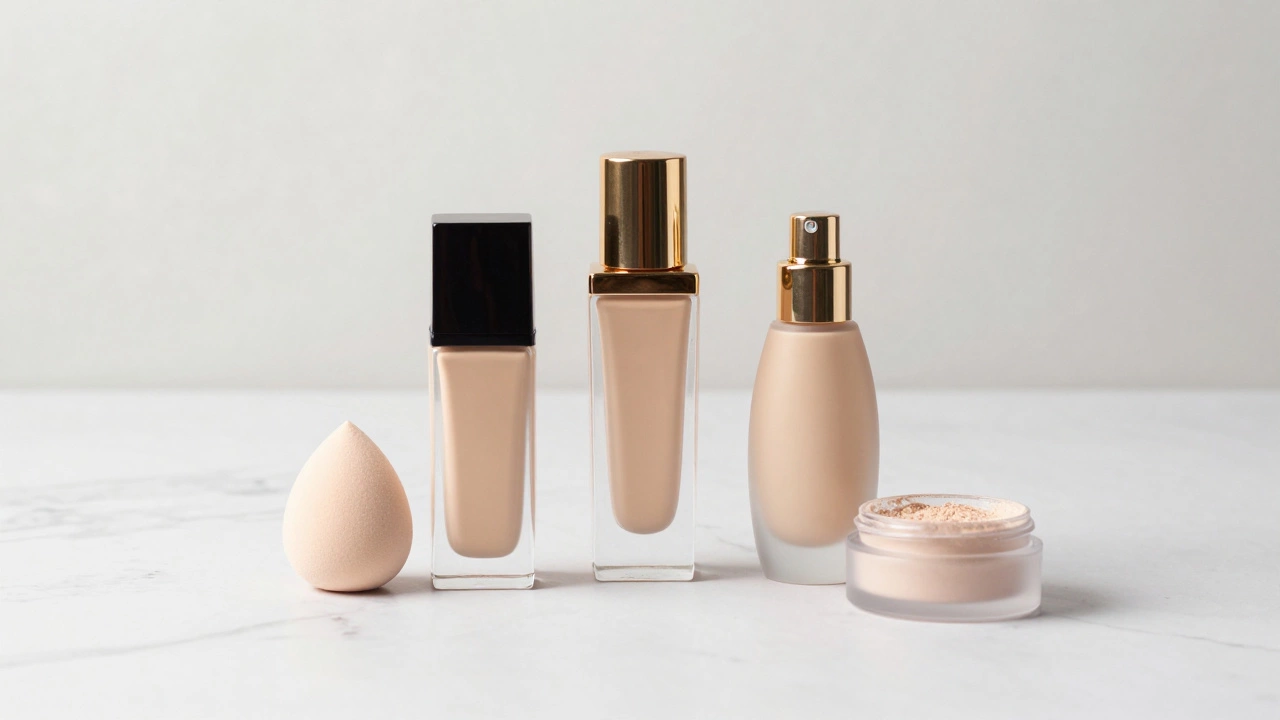
Even the most expensive foundation will fail if it isn’t locked in. Makeup artists use a technique called "baking" or "setting" to ensure longevity. But the real hero is the setting spray.
Think of setting spray as the glue for your makeup. After applying your foundation and concealer, you mist your face with a polymer-based spray. As it dries, it creates a flexible film that binds the pigment to your skin. Without this step, friction from your veil or pillowcase will wipe away your base.
Popular choices include Urban Decay All Nighter Setting Spray and MAC Prep + Prime Fix+. For extra insurance, many artists apply two layers: one before makeup (as a primer) and one after (as a sealant).
Powder is also critical, but less is more. Too much powder makes you look flat and dusty in photos. Use a translucent loose powder only on areas where you tend to get oily. Press it into the skin with a puff or sponge; do not swipe it across the face, which can disturb the foundation underneath.
Preparation: Why Skin Care Matters More Than Product
You can spend $50 on foundation, but if your skin is dehydrated, flaky, or irritated, no amount of product will hide it. In fact, thick foundation applied over bad skin preparation will look worse than bare skin.
In the weeks leading up to your wedding, focus on hydration and gentle exfoliation. Avoid trying new active ingredients like retinoids or strong acids right before the big day, as they can cause purging or sensitivity.
On the day of the wedding, your routine should be simple:
- Cleanse gently to remove overnight oils.
- Apply a hydrating serum (hyaluronic acid is excellent).
- Use a rich moisturizer suited to your skin type.
- Apply sunscreen (SPF 30+). Yes, even if you’re indoors, UV rays come through windows and can oxidize your makeup faster.
- Wait 10-15 minutes for all skincare to fully absorb before touching your face with makeup.
This "skin first" approach ensures that the foundation sits smoothly on top rather than sliding around underneath.
Common Mistakes to Avoid
Many brides make errors that compromise their look. Here are the most frequent pitfalls:
- Choosing the wrong shade: Never match foundation to your neck. Match it to your jawline. If there’s a line of demarcation between your face and neck, it’s obvious in photos. Also, remember that foundation oxidizes. Test it on your actual skin and wait 30 minutes before deciding.
- Over-applying product: Less is often more. Build coverage gradually with thin layers. Thick application leads to caking and cracking, especially around the nose and mouth.
- Ignoring undertones: Foundation shades aren’t just light or dark; they have undertones (cool, warm, neutral). If your foundation looks gray or ashy, you likely picked the wrong undertone. Cool tones suit pinkish skin; warm tones suit yellow/golden skin.
- Skipping the trial run: Always do a makeup trial at least a month before the wedding. This tests not just the look, but the longevity. Wear it for several hours, eat, laugh, and see how it holds up.
Touch-Up Kit Essentials
No matter how good your foundation is, you will need touch-ups. Pack a small kit for your maid of honor or yourself:
- Blotting papers: To remove shine without adding more product.
- Translucent powder: For quick mattifying.
- A small cushion compact: Easier to use on the go than a liquid bottle.
- Lip balm: To refresh lips without disturbing lip liner.
Keep these in a clean, dry pouch. Humidity and moisture can ruin pressed powders and cushions quickly.
Can I use my everyday foundation for my wedding?
It depends on the formula. If your daily foundation is lightweight and dewy, it may not last through a full day of events, especially if you're outdoors or in a hot venue. Professional wedding foundations are formulated with higher pigmentation and longer wear times. If you love your current foundation, consider layering it with a strong setting spray and powder to boost its longevity.
How do I prevent my foundation from turning orange?
This happens due to oxidation, where the foundation reacts with air and skin oils. To prevent it, apply a antioxidant-rich serum before makeup. Also, always test your foundation shade on your jawline and wait 30 minutes to see how it changes. If it darkens, choose a slightly lighter shade or a brand known for stability, like Make Up For Ever or NARS.
Is matte or dewy better for wedding photos?
It depends on your skin type and the lighting. Matte finishes reduce shine and look cleaner in bright flash photography, but can look flat in natural light. Dewy finishes look youthful and radiant but can appear oily if not properly set. Most professionals aim for a "satin" finish-somewhere in between-which offers glow without excess shine.
Do I really need a makeup trial?
Yes, absolutely. A trial allows you to test the foundation's longevity, shade match, and comfort. It also helps you decide if you prefer a natural or glam look. Without a trial, you risk discovering issues on the wedding day when there's no time to fix them. Schedule it at least 4-6 weeks before the event.
What if I have sensitive skin?
Look for foundations labeled "hypoallergenic," "fragrance-free," and "non-comedogenic." Brands like Clinique, BareMinerals, and Almay offer mineral-based options that are gentler on sensitive skin. Always patch-test any new product at least a week before your wedding to check for reactions.