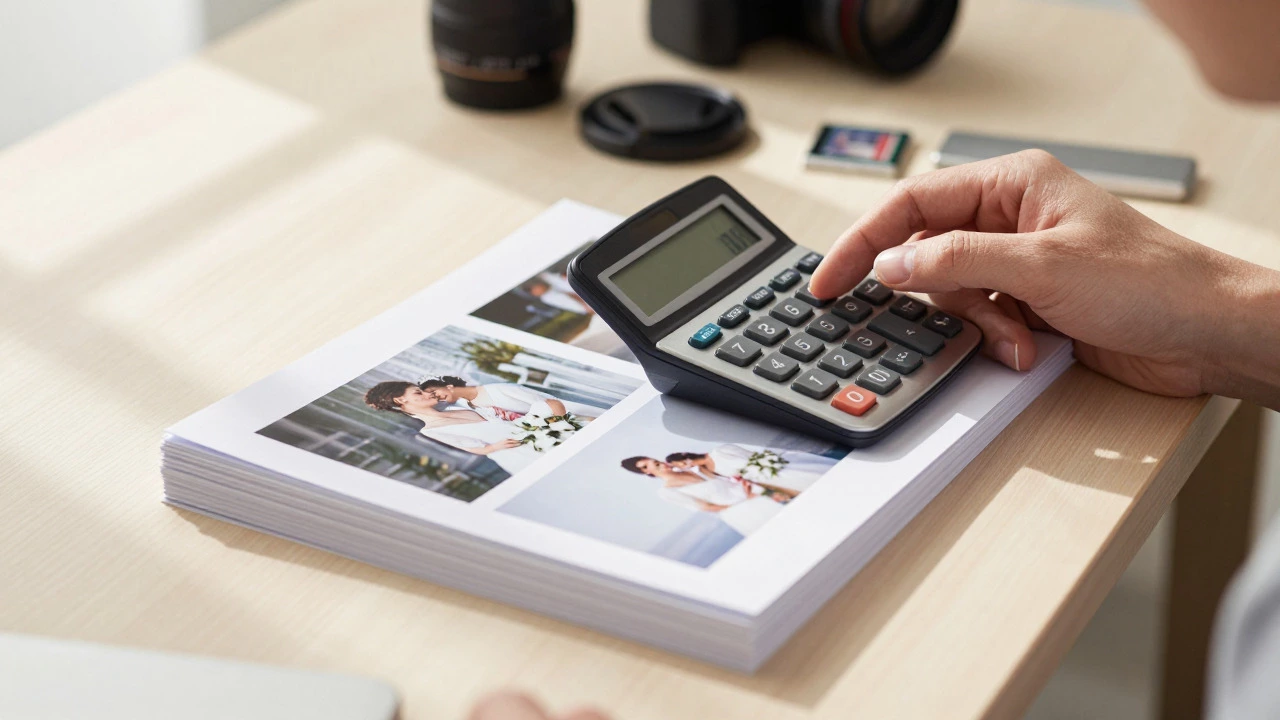
Wedding Photography Pricing Calculator
Effective Hourly Rate
$0
per hour of total work
Suggested Deposit (25%)
$0.00
Setting the right price for your wedding work is often the hardest part of running a creative business. You want to be competitive enough to win clients but high enough to cover your costs and pay yourself what you’re worth. If you’ve ever stared at a blank invoice wondering if $4,500 or $8,000 is the magic number, you’re not alone. The truth is, there’s no single correct answer, but there are clear frameworks that help you calculate a sustainable rate based on your location, experience, and value proposition.
Understanding the Core Components of Your Rate
Wedding photography pricing is a complex calculation that balances market demand, operational costs, and perceived value rather than just time spent shooting. Unlike corporate headshots where you charge per hour, weddings are project-based. You aren’t just selling eight hours behind the camera; you’re selling years of editing time, insurance, gear maintenance, marketing, and the emotional safety net of having a professional handle the most important day of someone’s life.
To get your base number right, start with your overheads. This includes software subscriptions like Adobe Creative Cloud, backup storage solutions, insurance premiums, and vehicle fuel. In Australia, don’t forget to account for GST (Goods and Services Tax) which adds 10% to your final bill. A common mistake new photographers make is calculating their rate based only on the shoot day. In reality, for every hour you spend photographing a wedding, you might spend four to six hours culling and editing images. If you ignore this post-production labor, you’re effectively working for free during the weeks following the event.
Market Standards and Regional Variations
Where you live significantly impacts what couples expect to pay. In major metropolitan areas like Sydney, Melbourne, or Brisbane, competition is fierce, but so is the willingness to pay for premium services. In these hubs, full-day coverage typically ranges from $3,500 to $7,500 AUD for established professionals. However, in regional towns or rural areas, travel fees become a major factor. If you have to drive two hours to get to the venue, that time needs to be compensated either through a flat travel fee or a higher base package price.
It’s also crucial to distinguish between a 'second shooter' and a 'lead photographer.' Many couples ask if they can hire two shooters for the price of one. Usually, a second shooter costs an additional $800 to $1,500 depending on whether they provide separate files or merged edits. Clarifying this early prevents awkward conversations about deliverables later.
| Package Type | Duration | Price Range (AUD) | Typical Deliverables |
|---|---|---|---|
| Elopement / Micro-wedding | 3-4 Hours | $1,200 - $2,500 | 300+ edited images, digital delivery |
| Standard Full-Day | 8-10 Hours | $3,500 - $6,000 | 500+ edited images, online gallery, album credit |
| Premium / Luxury | 10-12 Hours | $6,500 - $10,000+ | Second shooter, fine art print, same-day edit |
Building Packages That Sell Themselves
Couples rarely buy 'photos'; they buy peace of mind and specific outcomes. Instead of listing raw hours, structure your offers around the story of their day. A basic package might cover getting ready and the ceremony. A mid-tier package adds the reception and dance floor. The top tier includes everything plus engagement session credits and heirloom albums. When creating these tiers, ensure the middle option is the most attractive. Behavioral economics suggests people prefer the middle choice when given three options. If your standard package is $4,500, make it offer the best balance of features-like a complimentary engagement session-that the lower tier lacks, while the upper tier adds expensive add-ons like a drone operator or videographer collaboration. This anchors the price and makes the $4,500 feel like a reasonable, smart investment.
The Value of Add-Ons and Upsells
Your base rate covers the core service, but add-ons are where you increase profit margins without increasing workload significantly. Digital upsells, such as a 'same-day slideshow' for the reception, can add $500 to $800 to the contract. Physical products, like custom leather-bound albums or canvas prints, have high perceived value because they turn digital files into tangible keepsakes. Since you already have the edited files, the marginal cost of producing an album is low compared to the retail price you can charge. Offering these as optional extras allows budget-conscious couples to stick to the base price while giving others a path to spend more.
Negotiating Without Devaluing Your Work
What happens when a couple says, "Can you do it for $3,000?" Never drop your price immediately. Instead, adjust the scope. If they want a lower price, reduce the hours, remove the second shooter, or limit the number of edited images. This protects your hourly rate integrity. For example, if they need a discount, offer a 6-hour package instead of a 10-hour one. This way, you’re still earning a healthy amount per hour, and they get a tailored solution that fits their budget. Avoid competing on price alone; compete on style, reliability, and customer service. A slightly cheaper photographer who is disorganized or slow to deliver is a risk no bride wants to take on her big day.
Common Mistakes to Avoid
- Underpricing due to imposter syndrome: Just because you’re newer doesn’t mean you should work for less. Charge for your current skill level, not your future potential.
- Ignoring travel and accommodation: If you’re traveling interstate, always build in a buffer for flights, hotels, and meals. These costs eat into your profit quickly if not accounted for.
- Vague contracts: Always specify exactly what is included. Does 'full day' mean 8 hours or 12? Is overtime charged at an hourly rate? Clarity prevents disputes.
- Not collecting deposits: Standard practice is 20-30% upfront to secure the date, with the remainder due before the event. This reduces the risk of last-minute cancellations.
Frequently Asked Questions
How much should I charge for a second shooter?
In Australia, a second shooter typically costs between $800 and $1,500 extra. This depends on whether they provide separately edited files or if their shots are merged into the main gallery by the lead photographer. Always clarify this distinction in your proposal.
Do I need to charge extra for engagement sessions?
Many photographers include a short engagement session in their mid-to-high-tier packages to build rapport with the couple. If offered separately, charge between $300 and $600. Including it as a perk can justify a higher base package price by adding perceived value.
How does location affect my wedding photography rate?
Metropolitan areas like Sydney and Melbourne command higher prices due to higher living costs and greater competition. Regional photographers may charge less for the base shoot but must add significant travel fees for distance. Always calculate your total cost including travel time to ensure profitability.
What is a fair deposit percentage for wedding clients?
A standard deposit is 20% to 30% of the total package price. This amount should be non-refundable once the date is confirmed. The remaining balance is usually due 30 days before the wedding. This structure secures your schedule and ensures cash flow stability.
Should I offer payment plans to clients?
Yes, offering interest-free installment payments can be a strong sales tool. It reduces the financial barrier for couples without costing you anything. Ensure the final payment is received before delivering the full resolution images to maintain leverage for timely payment.