2024 Groom Style Advisor
Not sure what to wear? Answer three quick questions about your wedding day, and we'll suggest a modern, stylish look that fits the occasion.
Your Recommended Look
--
It’s 2024, and the idea that a groom must look like a carbon copy of his best man is officially dead. If you’re standing in front of a mirror wondering whether to stick with the classic navy or try something bolder, you aren’t alone. The shift in groom suits over the last few years has been less about reinventing the wheel and more about refining it. We’ve moved away from the stiff, ill-fitting tuxedos of the early 2010s toward pieces that prioritize comfort, personal expression, and versatility.
Why does this matter now? Because your wedding photos are forever. A suit that feels restrictive will show in your posture and your smile. Today’s trends focus on fabrics that breathe, cuts that move, and colors that complement modern venues rather than fighting them. Whether you’re getting married in a Sydney summer or a European autumn, the right choice balances tradition with the reality of actually having fun at your own party.
The Shift Toward Relaxed Formality
Gone are the days when "formal" meant suffering through a heavy wool blend in July. In 2024, the biggest trend isn’t a specific color-it’s texture and weight. Men are opting for lighter materials that allow for movement. This doesn’t mean showing up in shorts; it means choosing a suit constructed for the climate and the venue.
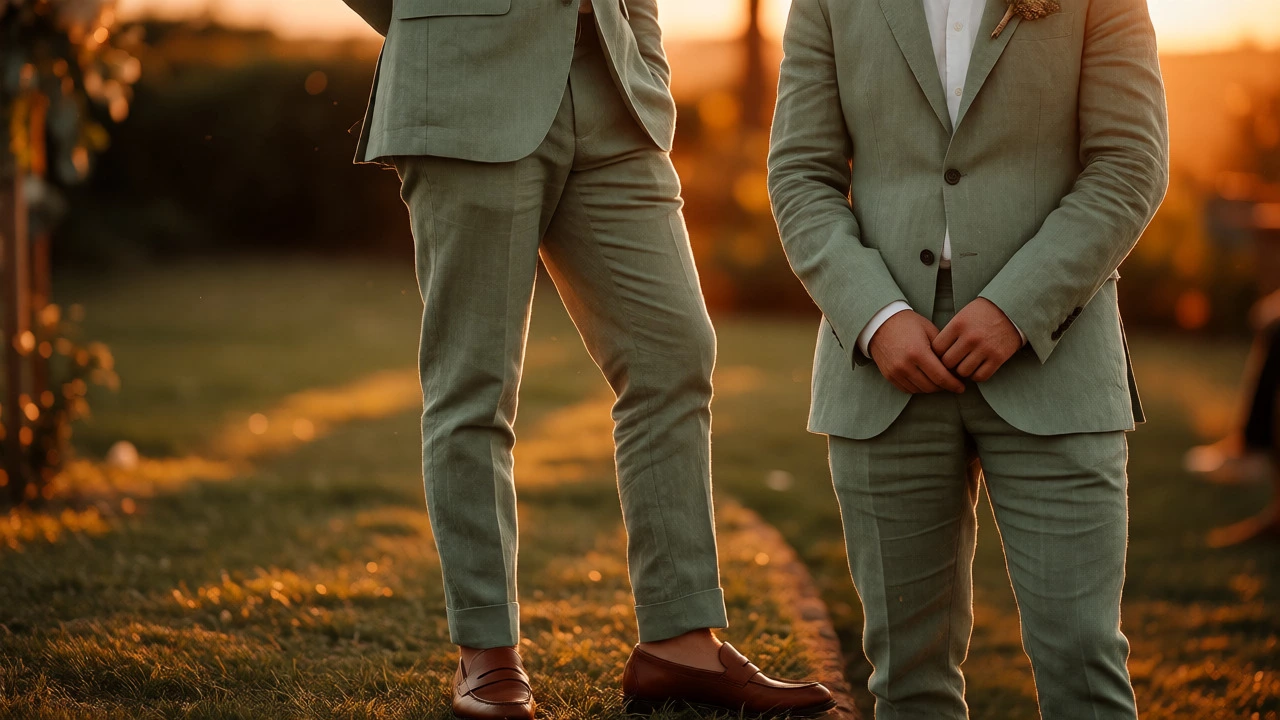
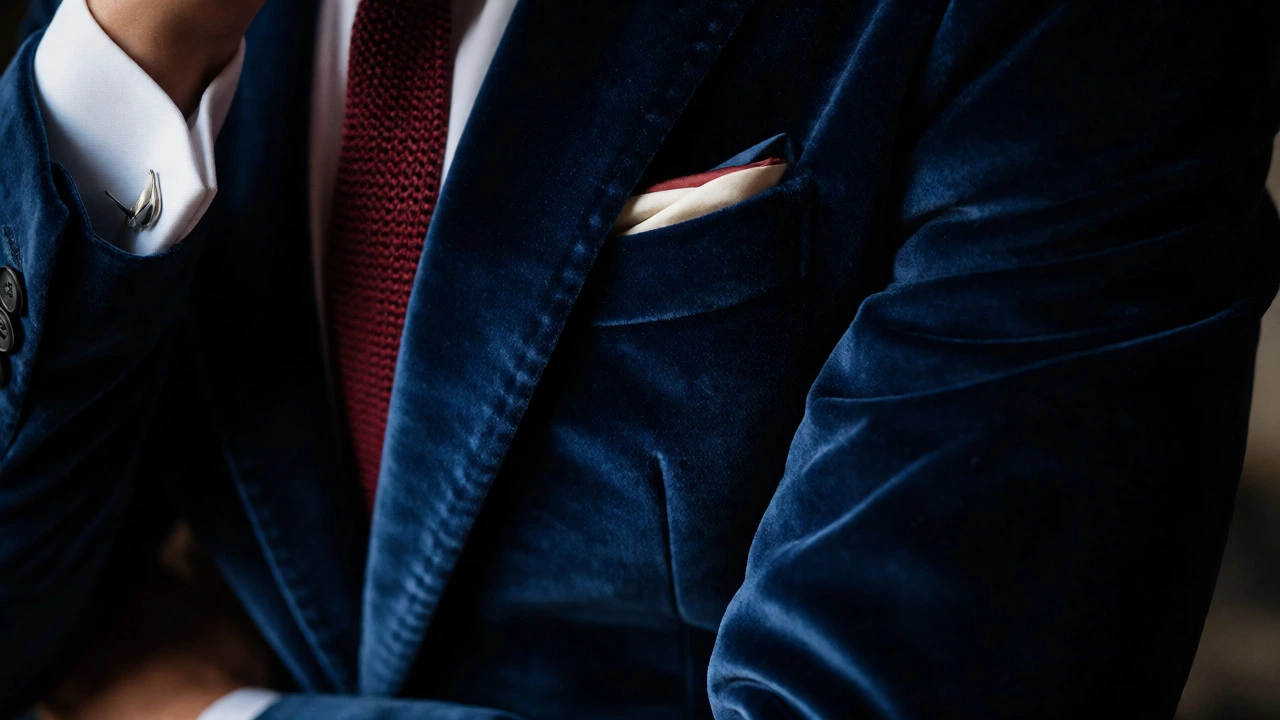
Linen is having a major moment, but not the wrinkly, beachy kind you might expect. Modern linen blends mix flax with silk or cotton to reduce creasing while keeping the fabric breathable. It’s ideal for outdoor ceremonies where the sun is beating down. On the flip side, if you’re marrying in winter, velvet jackets have surged in popularity. They add depth to photos and feel luxurious without being as stuffy as traditional broadcloth.
- Linen Blends: Best for tropical climates and daytime weddings.
- Velvet Jackets: Perfect for evening receptions and cooler months.
- Wool-Silk Mixes: A middle ground that drapes well and resists wrinkles.
You might ask, "Is it okay to wear linen to a black-tie optional event?" Generally, yes, provided the cut is sharp and the accessories are polished. The key is intentionality. A rumpled linen suit looks like you just woke up; a tailored one looks like you know what you’re doing.
Color Palettes Beyond Navy and Black
Navy blue remains the king of safe choices, but it’s no longer the only option. Couples are coordinating their palettes more closely, meaning grooms are stepping out of the shadows of their brides. Earth tones have dominated recent seasons, and that influence persists into 2024. Think sage green, terracotta, and deep charcoal instead of stark jet black.
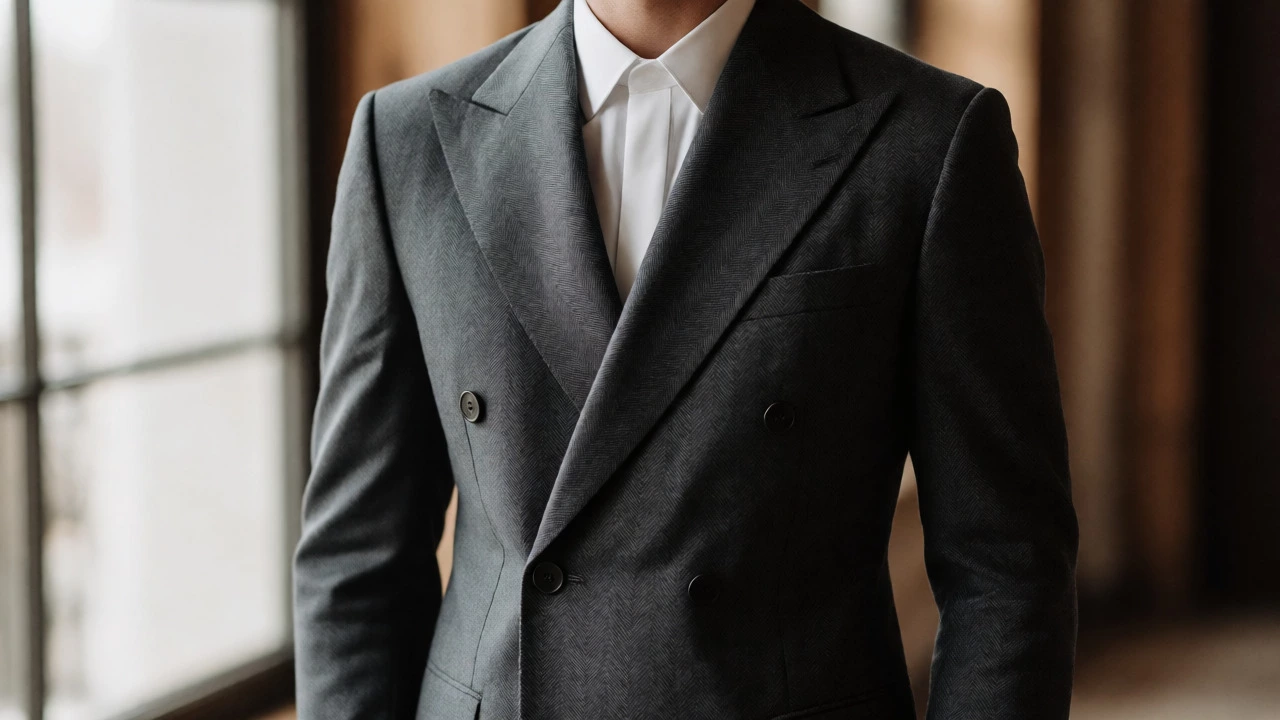
Charcoal gray deserves special mention here. Unlike black, which can look harsh under bright sunlight or flash photography, charcoal offers sophistication with a softer edge. It pairs beautifully with almost any tie or pocket square, making it a versatile workhorse for your wardrobe post-wedding too. If you want to stand out slightly, consider a mid-gray with a subtle herringbone pattern. It adds visual interest without screaming for attention.
| Color | Best For | Vibe |
|---|---|---|
| Midnight Blue | Evening events, indoor venues | Classic, elegant, safe |
| Sage Green | Garden weddings, spring/summer | Fresh, natural, trendy |
| Terracotta | Desert or rustic venues | Warm, bold, unique |
| Charcoal Gray | All-season versatility | Modern, understated |
Don’t be afraid of color blocking either. Pairing a beige jacket with darker trousers creates a smart-casual look that works wonders for barn weddings or vineyard celebrations. It separates the groom from the groomsmen, who might all be wearing matching suits, giving you a distinct focal point in group shots.
The Rise of the Double-Breasted Jacket
If you haven’t tried a double-breasted suit since your grandfather’s era, give it another shot. This style has made a massive comeback because it frames the upper body differently than single-breasted options. It creates a V-shape that emphasizes shoulders and narrows the waist, which is flattering for most body types.
However, there’s a catch: fit is non-negotiable. A double-breasted jacket that pulls across the chest looks uncomfortable and dated. You need enough room to button it comfortably while standing straight. When done right, though, it exudes confidence. It’s particularly effective if you’re skipping the vest (waistcoat), as the extra layer of fabric provides structure without adding bulk.
Pair this style with a crisp white shirt and minimal jewelry. Let the lapels do the talking. Peak lapels on a double-breasted jacket add a touch of drama, while notch lapels keep things grounded. Choose based on how much flair you want to bring to the altar.
Accessories That Define the Look
Your suit is the canvas, but accessories are the paint. In 2024, we’re seeing a move away from oversized novelty ties toward refined details. Bow ties are still around, but they’re smaller and often self-tied rather than pre-made. If you prefer neckties, opt for knitted textures or solid silks in muted tones.
Pocket squares should never match your tie exactly. That rule is outdated. Instead, coordinate colors loosely. If your tie is burgundy, choose a pocket square with hints of cream and navy. It shows thoughtfulness without looking like you bought a matching set from a department store display.
- Cufflinks: Minimalist silver or gold designs are trending over flashy gemstones.
- Boutonnieres: Keep them small. A single sprig of eucalyptus or a tiny flower beats a bulky bouquet pinned to your lapel.
- Shoes: Loafers are acceptable for casual weddings, but oxfords remain the standard for formal affairs.
Footwear deserves its own spotlight. While black leather shoes are traditional, brown brogues or loafers in tan or cognac leather are increasingly popular. They break up the formality and add personality. Just ensure they’re polished. Scuffed shoes can ruin an otherwise perfect outfit.
Fit Over Everything Else
You can buy the most expensive suit in the world, but if it doesn’t fit, it fails. The most common mistake grooms make is buying off-the-rack and assuming tailoring is optional. It isn’t. Sleeve length, trouser break, and shoulder alignment make or break the silhouette.
Aim for a sleeve that ends just above your wrist bone, allowing half an inch of shirt cuff to show. Trousers should sit at your natural waist, not your hips. A slight break-where the fabric rests lightly on the shoe-is current. Too much fabric bunching at the ankles looks sloppy; too little makes you look like you’re wearing pants from a different decade.
Book your final fitting at least two weeks before the wedding. This gives you time to adjust if you’ve gained or lost weight during the planning stress. Bring the shoes you plan to wear so the tailor can hem the trousers correctly. Trust us, nothing ruins a photo like tripping over long pant legs.
Dressing for Your Venue and Climate
Context matters. A three-piece suit in a humid beachside ceremony is a recipe for sweat stains. Conversely, a lightweight linen suit at a snowy mountain lodge might leave you shivering during vows. Match your attire to the environment.
If you’re marrying indoors with air conditioning, heavier fabrics like wool or tweed work fine. Outdoors? Stick to breathable blends. Also, consider the time of day. Daytime weddings traditionally call for lighter colors and shorter jackets. Evening events allow for darker hues and longer coats if needed.
Don’t forget the backup plan. Have a fresh shirt available for after the ceremony. Sweat happens, especially if you’re nervous or dancing hard. Changing into a clean shirt keeps you looking sharp for dinner and speeches.
Can I wear a brown suit to a formal wedding?
Yes, but context is key. Brown suits work well for daytime, outdoor, or semi-formal weddings. For strict black-tie evening events, dark navy or charcoal is safer. Ensure the shade is rich (like chocolate or espresso) rather than pale tan, which can look too casual.
Do grooms still wear vests (waistcoats)?
Vests are optional but highly recommended for adding structure. They help smooth out the midsection and provide a place to pin your boutonniere. If you skip the vest, ensure your jacket fits perfectly, as there’s no third layer to hide minor imperfections.
How far in advance should I order my suit?
Order at least 3-4 months in advance. Custom suits take 6-8 weeks to produce, plus additional time for fittings and alterations. Rush orders exist but often incur extra fees and limit fabric choices.
Is it okay to wear sneakers with a suit?
For modern, creative, or casual weddings, yes. Clean, minimalist white or black leather sneakers can look stylish. Avoid athletic running shoes. This look works best with slim-fit trousers that don’t drag on the ground.
Should the groom match the groomsmen exactly?
No. Current trends favor coordination over uniformity. Let the groom wear a distinct color, pattern, or accessory (like a different lapel style or pocket square) to differentiate him from the group while maintaining a cohesive aesthetic.