Bridal Color History Explorer
Discover why brides wore what they wore before white became the global standard. Explore the colors, then test your knowledge!
Pre-1840s: Practicality
Most brides wore their best existing clothes. Brown wool or grey linen were common for working-class Europeans due to cost and re-wearability.
Royal & Cultural Standard
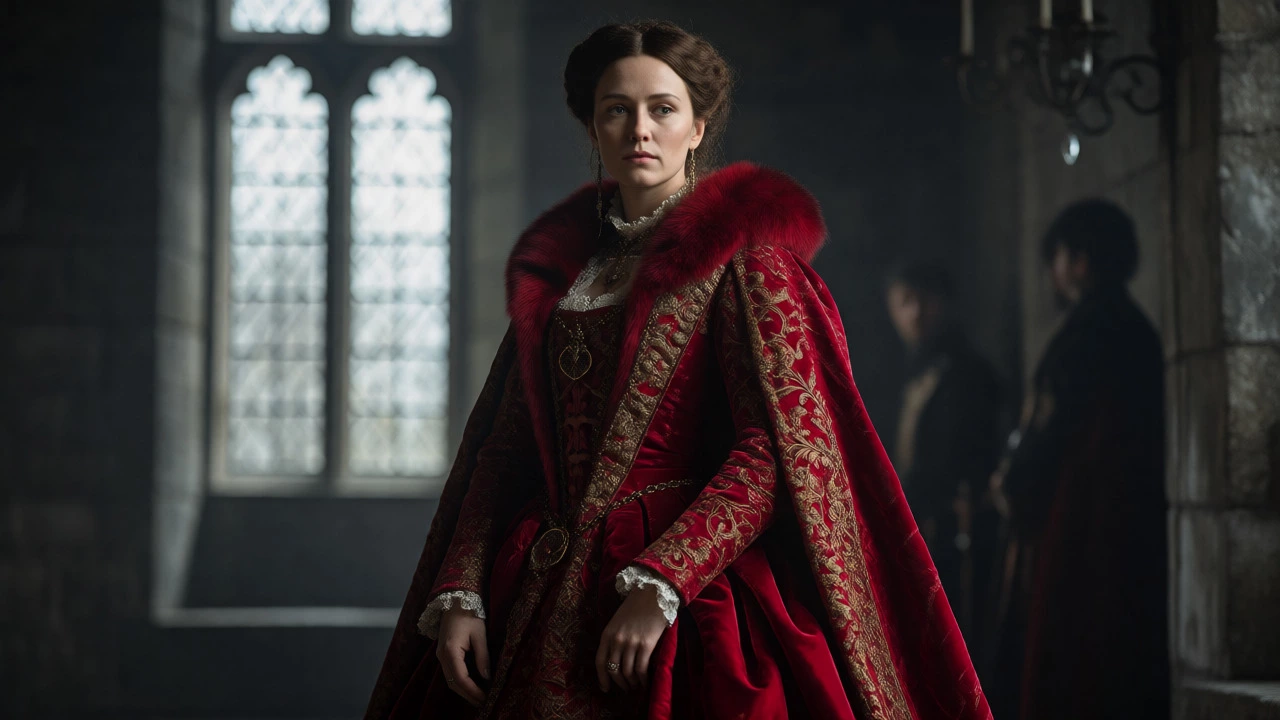
Red symbolized wealth (expensive dye), passion, and luck. Queens like Mary Stuart wore crimson. Still dominant in China and India today.
Post-1840: The Shift
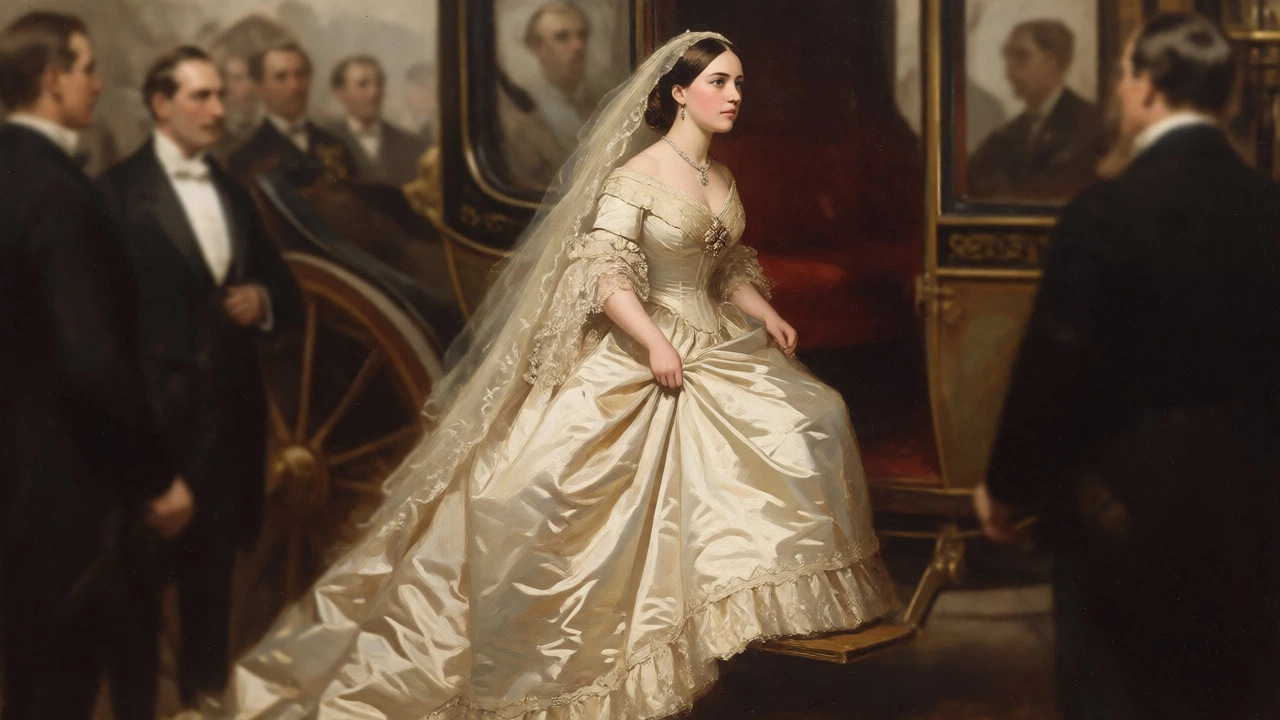
Queen Victoria’s 1840 wedding popularized ivory lace. It signaled purity and status. By the 20th century, Hollywood cemented it as the default.
You probably picture a bride in white. It feels as natural as the sky being blue or grass being green. But here is the twist: for most of human history, white was not the color of choice. In fact, if you were getting married in medieval Europe or Renaissance Italy, wearing white might have made you look like you were attending a funeral rather than a celebration. So, what color were wedding dresses before white became the global standard? The answer involves royal influence, practical economics, and a shift in how we view marriage itself.
The Myth of the Timeless White Gown
We tend to think of traditions as ancient and unchanging. We assume our great-grandmothers wore what we wear today. But bridal fashion is surprisingly modern in its uniformity. Before the 1840s, there was no rule saying a bride had to wear white. Actually, it was quite the opposite. Most women owned very few clothes. They could not afford to buy a dress that they would only wear once. So, they wore their best existing outfit. If your best dress was brown wool because that was what you owned, you got married in brown wool. If your family was wealthy, you might wear red velvet or gold brocade. The goal was utility and status display, not symbolic purity.
Why Red Was the Royal Standard
If you look at portraits of queens and princesses from the 15th through the early 19th centuries, you will notice a striking pattern. Many wore red. Why? Because red dye was expensive. It signaled wealth and power. It also held strong cultural symbolism. In many European cultures, red represented love, passion, and fertility. It was a bold declaration of intent. Consider Mary, Queen of Scots. When she married the Dauphin of France in 1558, she famously chose a deep crimson gown. This was not an accident. It was a political statement. She wanted to show her high status and her vibrant personality. Wearing white would have been seen as modest, perhaps even poor. For the elite, blending into the background with a pale dress was simply not an option.
The Turning Point: Queen Victoria’s Influence
Everything changed on February 10, 1840. That was the day Queen Victoria married Prince Albert. She did something unexpected. She rejected the traditional royal colors of purple and ermine. Instead, she chose a gown made of heavy satin and Honiton lace. The color was ivory, though reports often described it as white due to the lighting and subsequent artistic interpretations. At the time, this was considered eccentric. Some critics thought it looked too plain for a monarch. But Victoria was young, popular, and influential. The press covered her wedding extensively. Illustrations of her dress spread across newspapers in Britain, America, and Europe. Suddenly, the "plain" look became the chic look. Wealthy socialites began copying her style. They saw white not just as a color, but as a symbol of romantic idealism.
Economics and the Rise of Synthetic Dyes
You might wonder why white didn’t catch on faster if Victoria started it in 1840. It actually took decades for white to become universal among the middle class. Two main factors slowed it down. First, fabric technology. Keeping white clean was hard work. Cotton and linen yellowed over time. Silk stained easily. Second, dyes. Until the mid-19th century, synthetic dyes were rare. Natural dyes faded quickly. If you bought a colored dress, you could re-dye it when it looked tired. You couldn't do that with white. However, by the late 1800s, industrialization changed the game. Mass production made white cotton and silk cheaper. Bleaching techniques improved. White fabric stayed whiter longer. As the cost dropped, more people could afford a dedicated wedding dress. Since white was already associated with royalty and romance thanks to Victoria, it became the default choice for those who could afford it.
Cultural Variations Outside the West
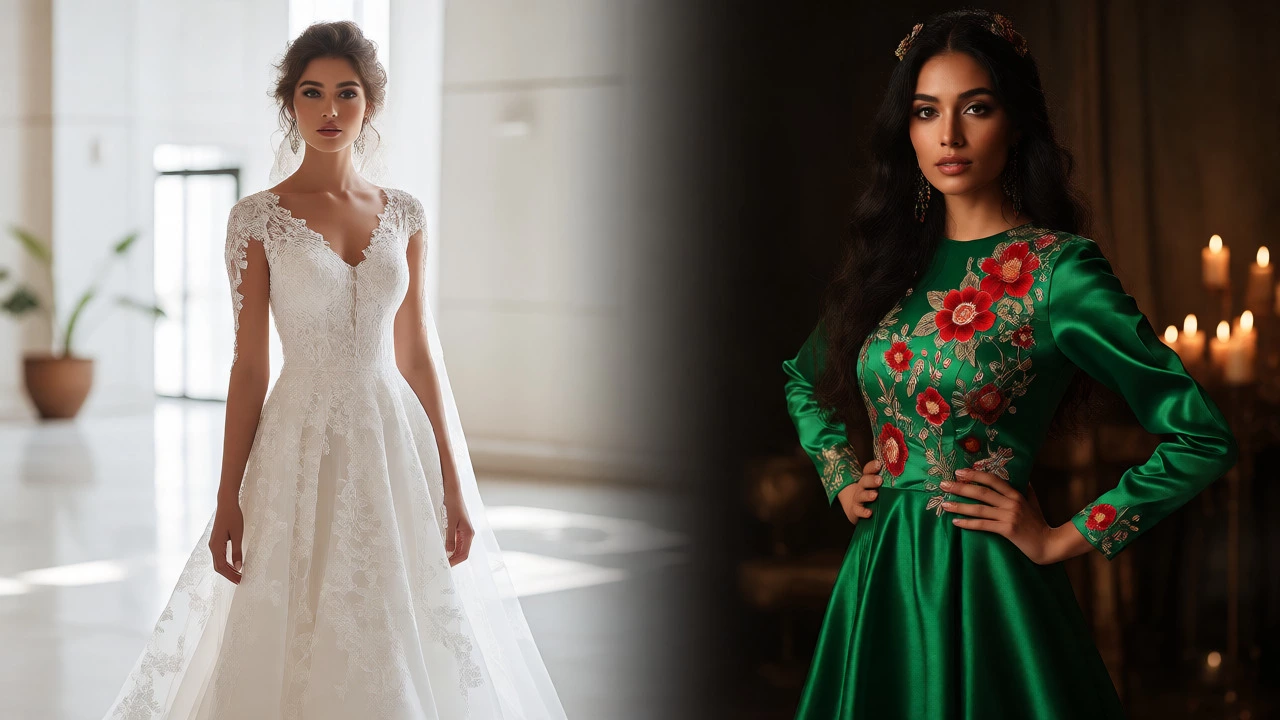
While the West drifted toward white, other cultures kept their own vibrant traditions. In China, red remains the auspicious color for weddings. It symbolizes luck, joy, and prosperity. A Chinese bride typically wears a red Qipao or a traditional two-piece ensemble called a Xiuhe suit. White is traditionally associated with mourning in many East Asian cultures, so wearing it to a wedding would be considered bad luck. Similarly, in India, brides wear richly embroidered saris or lehengas in shades of red, pink, orange, or gold. These colors are tied to Hindu rituals and astrology. The idea that a bride must wear white is a relatively recent colonial export. Today, many brides blend traditions. You might see a Western-style white ceremony followed by a reception where the bride changes into a bright red or emerald green outfit. This hybrid approach honors heritage while embracing global trends.
| Color | Historical/Cultural Context | Symbolism | Prevalence Before 1840 |
|---|---|---|---|
| Red | Royal European courts; Modern China & India | Wealth, passion, good fortune | High among elites |
| Blue | Victorian England ("Something Blue") | Fidelity, love, modesty | Moderate (accessories) |
| Brown/Grey | Working-class Europe | Practicality, durability | Very High |
| Purple/Violet | Royalty and nobility | Luxury, spiritual depth | Low (extreme wealth only) |
| Ivory/White | Pre-Victorian rarities | Purity (modern interpretation) | Extremely Low |
The Symbolism Shift: From Status to Purity
Here is a common misconception: people think white always meant virginity or purity. That is not historically accurate. In the Victorian era, white primarily signified wealth. Only the rich could afford a delicate lace dress that they wouldn't dirty. Poorer brides wore their everyday best clothes, regardless of color. The link between white and sexual purity was a later moral overlay added by society and church leaders in the late 19th and early 20th centuries. By the 1930s, Hollywood films cemented the image of the innocent, white-clad heroine. Directors used white lighting and costumes to make actresses look ethereal. Audiences loved it. The movie industry sold the dream that every bride should look like a movie star. This media push, combined with post-WWII economic booms, made white the absolute standard in the West. It wasn't about tradition anymore; it was about marketing and cinema.
Modern Trends: Breaking the White Monopoly
Today, we are seeing a fascinating reversal. Brides are reclaiming color. Why? Individuality. With the rise of destination weddings and smaller ceremonies, strict rules feel outdated. Brides want dresses that reflect their personality. You can find stunning gowns in blush pink, sage green, navy blue, and even black. Black wedding dresses, once taboo, are now popular for evening receptions or gothic-themed weddings. Designers like Vera Wang and Oscar de la Renta have embraced non-white palettes. Social media plays a huge role here. Instagram allows brides to see diverse options instantly. If you scroll through #WeddingDress, you won't just see white. You'll see a rainbow of choices. This shift suggests that the "white rule" was never a law of nature. It was a temporary fashion trend driven by one queen and amplified by mass media. Now that we know the history, we feel freer to choose what makes us happy.
Practical Tips for Choosing Your Dress Color
If you are planning a wedding and considering stepping away from white, here is some advice. First, consider the venue. A bright red dress might clash with a rustic barn setting but pop beautifully against a neutral ballroom. Second, think about photography. Darker colors can absorb light, making details harder to see in dim venues. Test your dress under different lighting conditions. Third, consider the season. Pastels work well for spring and summer. Jewel tones like emerald or burgundy fit autumn and winter perfectly. Finally, remember that you don't have to commit fully. You can wear a white dress with a colored sash or shoes. Or you can save the bold color for your reception outfit. There is no wrong way to do this. The most important thing is that you feel confident and authentic in what you wear.
Did Queen Victoria invent the white wedding?
No, she didn't invent it, but she popularized it. Before her 1840 wedding, white was rarely worn by brides. Her choice influenced wealthy women across Europe and America, eventually trickling down to the middle class as fabric costs decreased.
Why did brides wear red in the past?
Red was a status symbol. Dyeing fabric red was expensive, so only the wealthy could afford it. It also symbolized love, passion, and good fortune in many cultures. Queens like Mary, Queen of Scots, wore red to display their power and vitality.
Is it rude to wear a non-white dress to a wedding?
For guests, it depends on the culture and the couple's wishes. In Western contexts, avoid white or cream unless specified. For the bride herself, any color is acceptable today. Many brides choose colors that match their personal style or cultural heritage.
What does blue symbolize in wedding traditions?
The phrase "something blue" comes from an old English rhyme. Blue represents fidelity, loyalty, and love. Historically, brides wore blue accessories or ribbons to ward off evil spirits and ensure a faithful marriage.
Are white wedding dresses still popular?
Yes, white and ivory remain the most common choices globally, especially in Western countries. However, sales of colored wedding dresses have risen significantly in the last decade as brides seek more personalized and unique looks.