Wedding Flower Symbolism Finder
Discover the hidden meanings behind popular wedding flowers. Enter a flower name to learn its symbolism, best uses, and cultural significance for your big day.
You’ve probably heard that roses mean love. But if you think your wedding flowers are just there to look pretty, you’re missing half the story. For centuries, people have used blooms to send secret messages. This practice, known as floriography, or the "language of flowers," was especially popular during the Victorian era when social rules made it hard to speak your mind directly. Today, choosing specific flowers for your big day isn’t just about color coordination; it’s a way to weave personal values, hopes, and deep emotions into the fabric of your celebration.
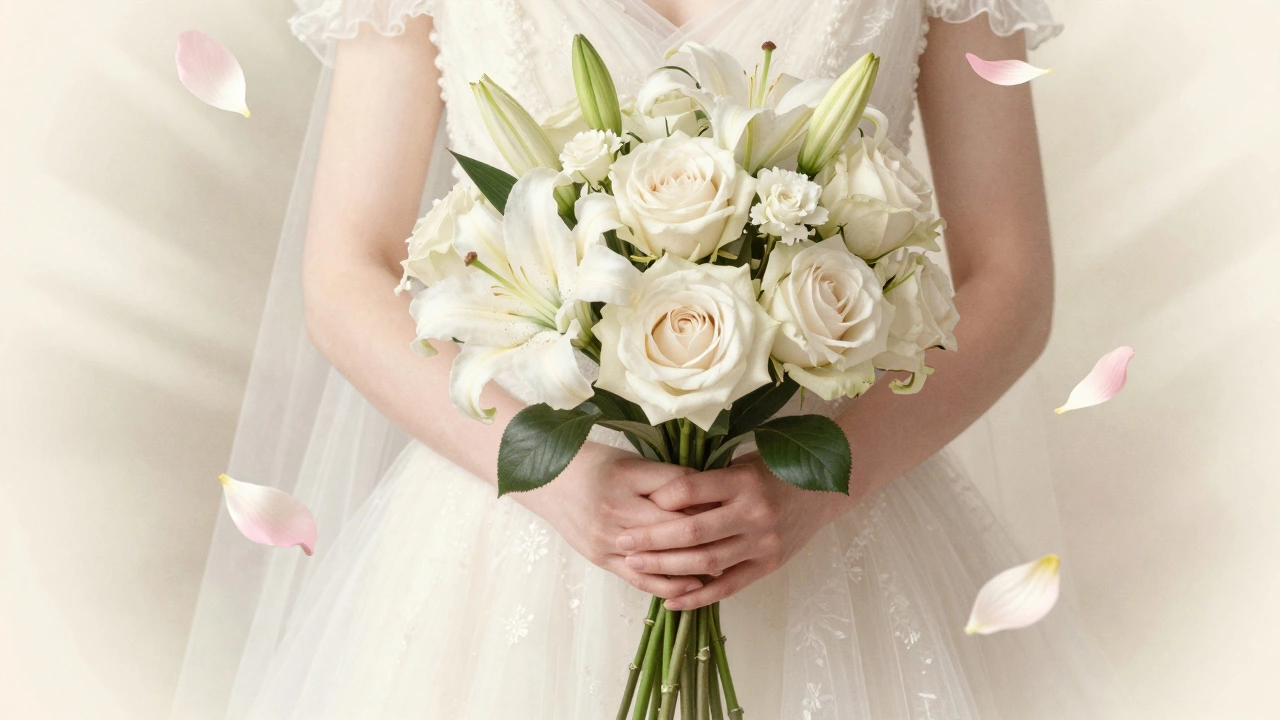
When you walk down the aisle holding a bouquet of white lilies, you aren’t just carrying scent. You’re signaling purity and commitment. When you scatter orange blossoms, you’re invoking ancient wishes for fertility and happiness. Understanding these symbols helps you create a wedding that feels authentic rather than generic. It turns decoration into storytelling.
The Language of Flowers: Why It Matters
Flower symbolism is rooted in history, mythology, and even medicine. In ancient Greece, different gods were associated with specific plants. Apollo loved the laurel tree, while Aphrodite was linked to the rose. These connections stuck around. By the time we reached the 1800s, books like Lady Langley’s "The Language of Flowers" became bestsellers. Women would pin specific flowers to their dresses to tell suitors exactly how they felt without saying a word.
In modern weddings, this tradition has softened but hasn’t disappeared. Most couples don’t know the exact code, but they sense that certain flowers carry weight. If you want your wedding to feel intentional, picking blooms with meaning adds a layer of depth that guests might not consciously notice but will definitely feel. It creates an atmosphere of thoughtfulness.
Classic Wedding Flowers and Their Meanings
Let’s break down the heavy hitters. These are the flowers you see in almost every bridal shop, and each one carries a distinct message.
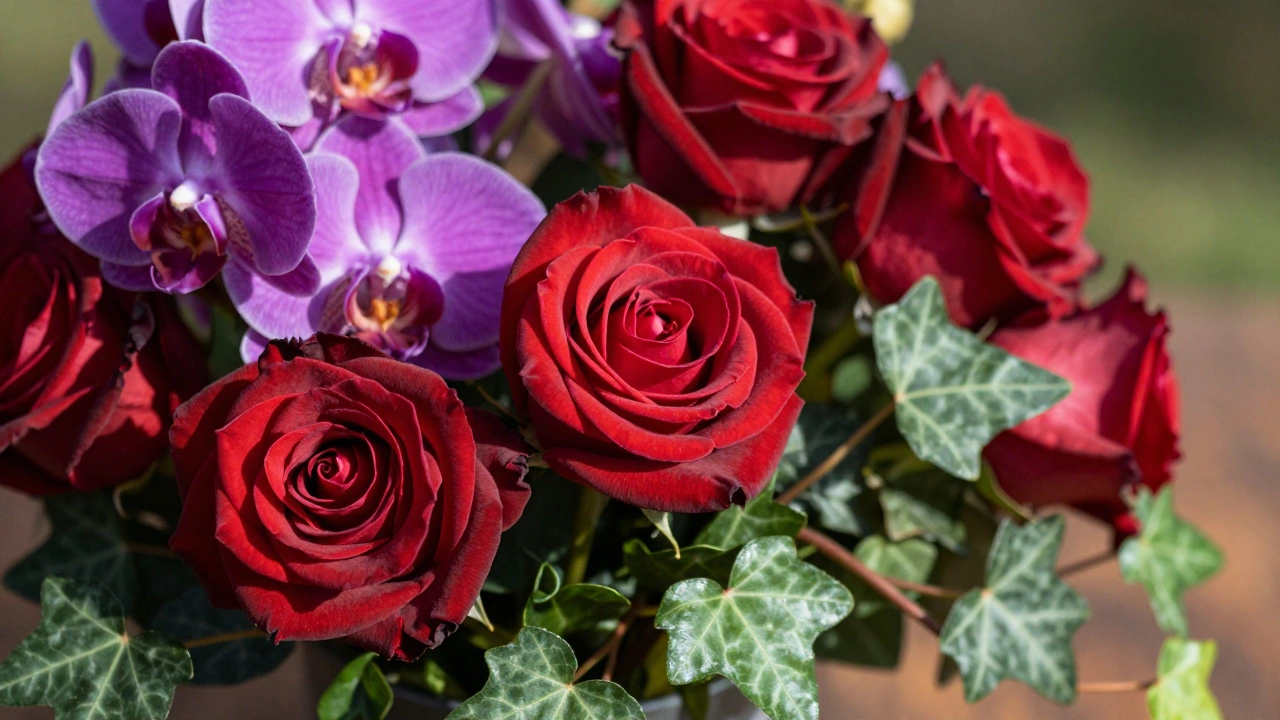
- Roses: The king of wedding flowers. Red roses scream passionate love. White roses stand for purity, humility, and new beginnings-perfect for a bride walking down the aisle. Pink roses convey gratitude, joy, and gentleness. Yellow roses? Traditionally, they meant jealousy or infidelity in the Victorian era, so many couples avoid them in bouquets today. However, in modern contexts, yellow often represents friendship and warmth, making them great for bridesmaid bouquets if you want to celebrate platonic bonds.
- Lilies: Specifically, the Stargazer Lily or Easter Lily. These large, fragrant blooms symbolize purity, virtue, and the restored innocence of the soul. They are also strongly associated with motherhood and fertility, which is why they are common at weddings where the couple hopes to start a family soon.
- Orchids: If you want to say "luxury" and "rare beauty," go with orchids. They symbolize love, strength, and refinement. Because they are exotic and sometimes difficult to grow, giving someone an orchid implies that they are special and worth the extra effort. They also last longer than many cut flowers, making them practical for centerpieces that need to survive a long reception.
- Tulips: Tulips represent perfect love. Different colors change the nuance slightly. Red tulips declare true love, purple tulips signify royalty and nobility, and pink tulips express affection and good wishes. They are less formal than roses but carry a similar romantic weight.
Scented Blooms: Carrying Memory Through Smell
Smell is the sense most closely tied to memory. That’s why scented flowers play a huge role in wedding symbolism. You might forget the color of the tablecloths five years from now, but the scent of jasmine could instantly bring you back to your first dance.
Jasmine is often called the flower of modesty and grace. Its sweet, intoxicating scent is linked to sensuality and devotion. In many Asian cultures, jasmine is essential for weddings because it represents purity and new life. Gardenias are another powerhouse. They symbolize pure, lovely love and secrecy. Giving gardenias can be a subtle way of saying, "I love you deeply, and this bond is sacred between us."
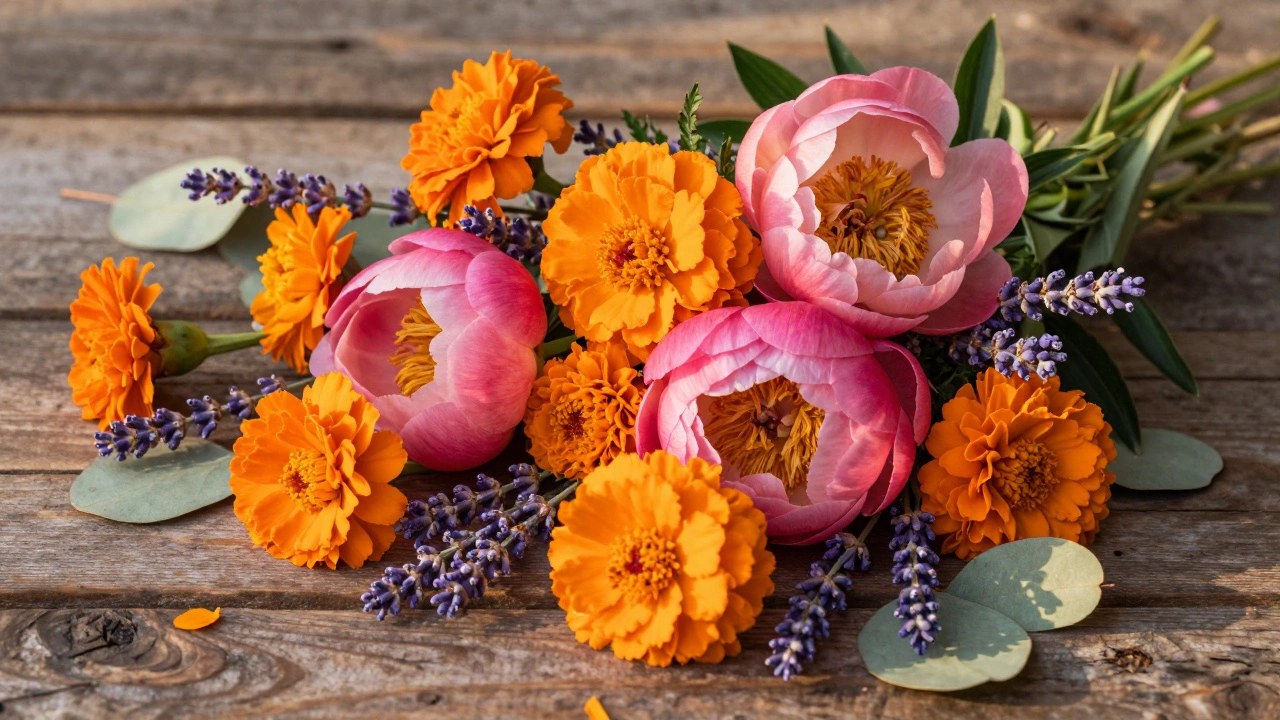
Then there’s Lavender. While technically a herb, lavender is frequently used in wedding arrangements. It stands for devotion, silence, and calm. In a high-stress environment like a wedding, incorporating lavender can subtly signal a desire for peace and tranquility in the marriage ahead. It’s a grounding choice for couples who value stability over drama.
Greenery and Foliage: The Unsung Heroes
We tend to focus on the petals, but the greenery holds its own symbolic power. Leaves provide structure, yes, but they also anchor the meaning of the arrangement.
Eucalyptus has become incredibly popular in recent years, partly due to its drought-resistant nature, but also because it symbolizes protection and healing. In ancient times, eucalyptus leaves were burned to purify spaces. Including it in your decor suggests a wish for a protected, healthy union. Ivy is another classic choice. It represents fidelity, attachment, and eternal life. Because ivy clings tightly to surfaces, it’s a powerful metaphor for a marriage that sticks together through tough times. Just be careful with fresh ivy, as some varieties can be toxic to pets, which matters if you’re having a backyard wedding with dogs running around.
Ferns add a prehistoric, woodland vibe. They symbolize sincerity and rejuvenation. If you’re having a rustic or forest-themed wedding, ferns reinforce the connection to nature and timeless growth. They suggest that your relationship is natural and enduring, like the ancient forests they come from.
Cultural Variations in Flower Symbolism
Symbolism isn’t universal. What means one thing in Sydney might mean something completely different in Tokyo or New York. Ignoring cultural context can lead to awkward misunderstandings.
In Chinese culture, chrysanthemums are strictly for funerals. Bringing them to a wedding would be considered extremely bad luck. Instead, peonies are the star. They symbolize wealth, honor, and prosperity. A bride wearing peonies is wishing for a rich and respected life. In Japanese tradition, cherry blossoms (sakura) are fleeting. They represent the transient nature of life. While beautiful, they might not be the best choice if you want to emphasize permanence, though they do highlight the preciousness of the moment.
In Hindu weddings, marigolds are everywhere. Their bright orange and yellow colors symbolize the sun, loyalty, and devotion. They are believed to ward off evil spirits and bring good fortune. If you are marrying across cultures, researching these nuances is crucial. You might choose a palette that respects both heritages, perhaps mixing Western roses with Indian marigolds to show unity.
| Flower | Primary Symbolism | Best Used For |
|---|---|---|
| White Rose | Purity, New Beginnings | Bridal Bouquet |
| Red Rose | Passionate Love | Table Centerpieces |
| Lily | Fertility, Virtue | Aisle Decor |
| Orchid | Luxury, Strength | Buttonholes/Corsages |
| Ivy | Fidelity, Eternal Bond | Bouquet Greenery |
| Peony | Prosperity, Honor | Asian-Inspired Weddings |
Choosing Flowers Based on Your Relationship Story
Your wedding flowers should reflect your unique journey. Think about where you met, what you value, and what kind of partnership you envision.
If you met in spring, consider Daffodils. They symbolize rebirth and new starts. Perfect for a couple starting a life together. If your relationship survived a tough patch, Hydrangeas might resonate. They represent heartfelt emotion and gratitude. They also symbolize apology, acknowledging past mistakes and moving forward with understanding.
For couples who value adventure, Sunflowers** are ideal. They track the sun, symbolizing adoration, loyalty, and longevity. They say, "I’m always looking toward you." If you’re more introverted and value quiet intimacy, Violets** are your friend. They stand for faithfulness, modesty, and "I’ll always be true." They are small, unassuming, but deeply meaningful.
Practical Tips for Symbolic Florals
Knowing the meanings is step one. Executing them is step two. Here’s how to make it work without breaking the bank or causing chaos.
- Seasonality First: Don’t force out-of-season flowers just for their symbolism. Winter roses are expensive and less vibrant. Stick to what blooms naturally in your region and season. In Sydney, late winter brings beautiful native banksias, which symbolize resilience and uniqueness. Embrace local flora.
- Mix and Match: You don’t need a monochromatic theme. Combine flowers with complementary meanings. Pair red roses (passion) with baby’s breath (innocence) to show a balance of fire and purity.
- Communicate with Your Florist: Tell your florist the story behind your choices. A good florist can suggest alternatives if your dream flower is unavailable or too costly, while keeping the symbolic intent intact. For example, if Peonies are out of budget, Ranunculus offer a similar layered look and symbolize charm and radiance.
- Consider Allergies: Lilies are stunning but shed pollen that can trigger allergies. Ask your florist to remove the stamens before delivery. It’s a small detail that prevents sneezing fits during the vows.
Flowers are ephemeral. They wilt, fade, and die. But the meanings they carry can last a lifetime. By choosing blooms with intention, you turn your wedding decor into a silent vow. You’re telling your partner, your guests, and yourself exactly what this union means. So next time you’re sketching out your palette, ask yourself: What do I want these flowers to say?
What flower represents eternal love in weddings?
The rose, particularly the red rose, is the most widely recognized symbol of eternal love. However, ivy is also a strong contender, representing fidelity and an unbreakable bond. Orchids are another excellent choice, symbolizing rare and enduring love.
Are there any flowers to avoid at weddings?
Yes, context matters. Chrysanthemums are avoided in Chinese weddings as they are associated with death. Yellow roses can imply jealousy in traditional Victorian symbolism, though this is fading. Also, avoid highly fragrant flowers like lilies if you have guests with sensitive noses or allergies, unless the pollen is removed.
What do white flowers symbolize in a wedding?
White flowers generally symbolize purity, innocence, humility, and new beginnings. Common examples include white roses, lilies, and gardenias. They are traditional choices for bridal bouquets to represent the start of a new chapter.
Can I mix flowers with different meanings?
Absolutely. Mixing flowers allows you to create a complex narrative. For instance, combining red roses (passion) with eucalyptus (protection) creates a message of a protected, passionate love. There are no strict rules against mixing; it’s all about the overall vibe you want to convey.
What is the most popular wedding flower in Australia?
In Australia, natives like Banksia and Waratah are increasingly popular for their unique look and symbolism of resilience. However, globally popular flowers like Roses, Orchids, and Hydrangeas remain top choices due to their availability and broad appeal.