3-Band Ring Stack Visualizer
Customize Your Stack
Symbolism Guide
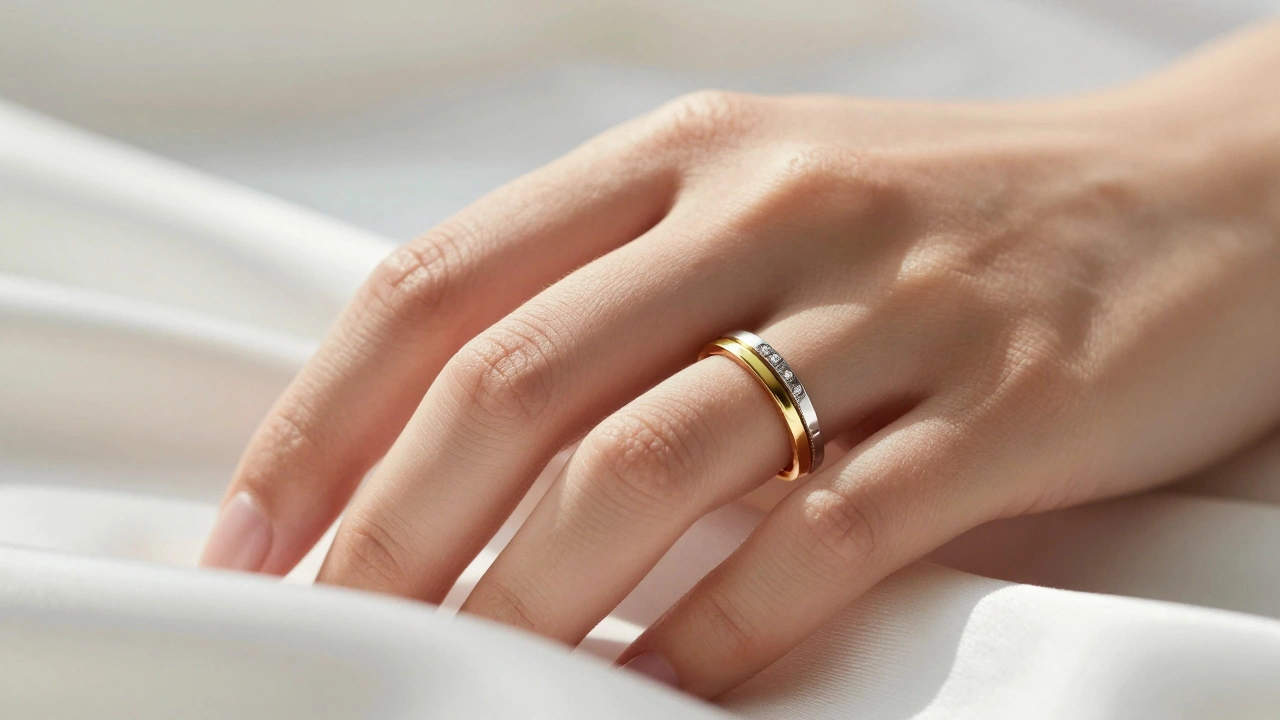
You slide your hand into the light and catch the glint of three distinct bands wrapped around your finger. It’s not just one ring; it’s a trio. You might wonder if this is a mistake, a fashion trend, or something deeper. For many couples, a 3 band wedding ring is a set of three rings worn together to symbolize the past, present, and future of a relationship. But the meaning isn't always that simple. Sometimes it’s about durability, sometimes about heritage, and often, it’s simply because you love the look.
If you are standing in a jewelry store or scrolling through online catalogs, seeing three bands can feel overwhelming. Are they supposed to be soldered together? Can you wear them separately? What does each band represent? Let’s break down the symbolism, the practicalities, and the style choices so you can decide if this look is right for you.
The Core Symbolism: Past, Present, Future
The most common interpretation of a three-ring set-often called a trilogy ring or three-stone ring setup-is the timeline of love. This concept dates back centuries but has seen a massive resurgence in modern bridal fashion.
- The Past: The first band represents how you met, the friendship you built, and the memories that led you to this moment. It’s the foundation.
- The Present: The middle band (or the engagement ring itself) symbolizes the commitment you are making today. It is the "I do" moment, the ceremony, and the current joy of being together.
- The Future: The third band looks ahead. It represents the life you will build, the challenges you will face as a team, and the enduring nature of your bond long after the honeymoon phase fades.
This narrative is powerful because it turns jewelry into a storybook. When people ask about your rings, you aren’t just showing off metal and stones; you’re sharing your journey. However, not everyone subscribes to the strict timeline theory. Some couples view the three bands as representing different aspects of their partnership: trust, love, and fidelity. Others see them as symbols of family, friends, and community support surrounding the couple.
Trilogy vs. Tri-Band: Knowing the Difference
Before you buy, you need to know what you are actually looking at. In the jewelry world, terms get mixed up all the time. There is a big difference between a "trilogy ring" and a "tri-band set."
| Feature | Trilogy Ring (Three-Stone) | Tri-Band Set (Stackable Bands) |
|---|---|---|
| Structure | One ring with three stones in a row | Three separate physical bands |
| Meaning | Past, Present, Future (timeline) | Commitment layers, fashion stacking, or milestone markers |
| Flexibility | Fixed; cannot be separated | Highly flexible; can be worn individually or stacked |
| Maintenance | Easier to clean as one unit | More cleaning required due to gaps between bands |
A trilogy ring is a single piece of jewelry featuring three gemstones. It’s sleek, unified, and usually features a larger center stone flanked by two smaller ones. If you want the "past, present, future" symbolism in one elegant package, this is your go-to.
On the other hand, a tri-band set consists of three distinct rings. These might be sold as a set from the start, or you might curate them over time. One could be your engagement ring, another your wedding band, and the third an anniversary gift. This approach offers more versatility. You can wear all three for special occasions, or just the simplest band for work or gym sessions.
Why Choose Three Bands Over One?
Beyond the romantic symbolism, there are practical and aesthetic reasons why couples opt for a three-ring stack. Here is why this choice is gaining popularity among brides and grooms alike.
1. Visual Balance and Width
A single wide band can look heavy or bulky on slender fingers. Conversely, a thin band might look fragile or get lost under a large engagement stone. Three thinner bands create the illusion of width without the weight. They add visual interest and texture to your hand, making the overall look more dynamic. If you have shorter fingers, a vertical stack of three thin bands can actually elongate the appearance of your hand.
2. Milestone Markers
Some couples use the three bands to mark significant life events. The first band is the engagement. The second is the wedding day. The third might be added after the birth of a child, the purchase of a home, or a major anniversary like the 10th or 25th. This turns your jewelry into a living record of your life together. It allows you to celebrate growth without replacing your original rings.
3. Mix-and-Match Materials
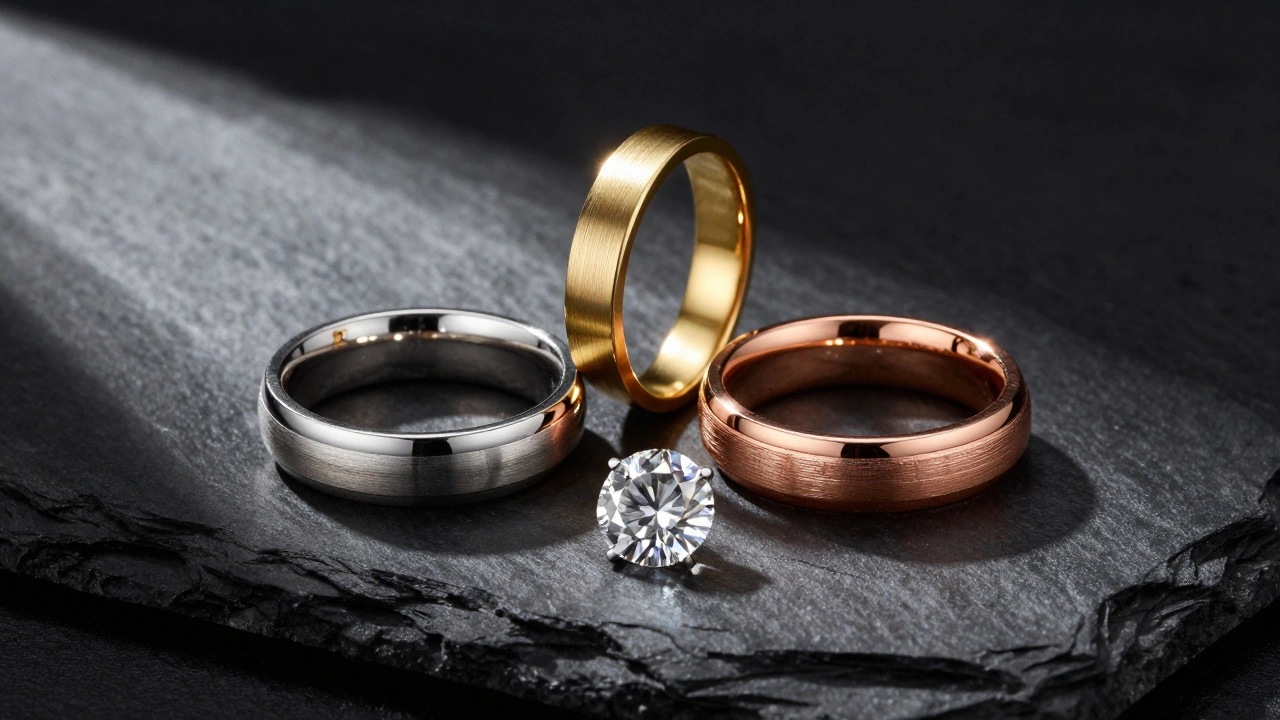
Wearing three separate bands gives you the freedom to mix metals. You might pair a yellow gold engagement ring with a white gold wedding band and a rose gold eternity band. This creates a modern, eclectic look that feels personal and unique. It breaks away from the traditional "matchy-matchy" rule and allows for creative expression.
Choosing the Right Metals and Stones
When building a three-ring set, material compatibility is key. You don’t want one ring scratching another constantly, nor do you want colors that clash awkwardly.
Platinum is a top choice for tri-band sets because it is durable and naturally white. It pairs well with diamonds and doesn’t tarnish. If you choose platinum, consider getting all three bands in the same metal to ensure they age uniformly. Gold, whether yellow, white, or rose, is softer than platinum. If you mix gold tones, be aware that different alloys scratch at different rates. A harder white gold band might scratch a softer yellow gold neighbor over time.
For stones, consistency helps cohesion. If your engagement ring features a diamond, matching the side bands with small diamonds or moissanite keeps the look clean. However, mixing gemstones can add personality. A sapphire center stone paired with ruby side bands, for instance, creates a bold, colorful statement. Just ensure the hardness levels of the stones are similar to prevent chipping during daily wear.
Practical Tips for Wearing Three Bands
Living with three rings requires a bit more maintenance than wearing one. Here is how to keep them looking pristine and comfortable.
- Sizing Matters: Ensure all three bands fit snugly. If one is loose, it will spin independently, causing friction against the others. This leads to scratches and discomfort. A jeweler can resize individual bands to match perfectly.
- Cleaning Routine: Gaps between stacked rings trap soap, lotion, and dirt. Clean your rings weekly with a mild soap solution and a soft toothbrush. Pay special attention to the crevices where the bands touch.
- Consider Soldering: If you find the rings shifting too much, ask your jeweler if they can be soldered together temporarily. This locks them in place, reducing movement and wear. Note that this makes removal difficult in emergencies, so weigh the pros and cons.
- Insurance Update: If you bought the rings separately, make sure your insurance policy covers the total value of the set. List them as a single item or clearly describe the set to avoid claims issues.
Is a 3 Band Ring Right for You?
Deciding to wear three bands is a personal choice. It works beautifully for those who love layering, appreciate symbolic depth, and enjoy curating their style over time. If you prefer minimalism, a single trilogy ring might satisfy your desire for symbolism without the bulk of multiple bands.
Think about your daily activities. Do you work with your hands? Do you play sports? If so, a lower-profile stack or a soldered set might be safer. If you lead a low-impact lifestyle, you have more freedom to experiment with heights, textures, and materials.
Ultimately, the meaning of your rings is defined by you. Whether it’s the past, present, and future, or simply three beautiful pieces that make you smile, that connection is what matters. Don’t let tradition dictate your choice; let your story guide it.
Can I wear a 3 band wedding ring set every day?
Yes, you can wear a three-band set daily, provided the rings are sized correctly and made of durable materials like platinum or tungsten. Be mindful of activities that involve heavy manual labor or exposure to harsh chemicals, as these can damage the settings or scratch the metals. Regular cleaning is essential to prevent buildup in the gaps between the bands.
Do the three bands have to be the same width?
No, the bands do not need to be the same width. Many people choose varying widths to create visual interest, such as a wider center band flanked by two thinner bands. However, ensure the widths complement each other so the stack looks balanced and sits comfortably on your finger without twisting.
What is the difference between a trilogy ring and a tri-band set?
A trilogy ring is a single piece of jewelry with three stones set in a row, symbolizing past, present, and future. A tri-band set consists of three separate physical rings that can be worn together or apart. Trilogy rings are fixed, while tri-band sets offer flexibility in styling and mixing metals.
Can I add a third band later to my existing engagement and wedding rings?
Absolutely. Many couples add a third band for anniversaries, the birth of a child, or other milestones. To ensure it fits well, take your existing rings to a jeweler who can measure the gap and recommend a band that complements the style and size of your current set.
Is it expensive to buy a 3 band wedding ring set?
The cost varies widely depending on the materials and stones. A simple tri-band set in gold with no stones can be affordable, while a set featuring diamonds or precious gems can be quite pricey. You can manage costs by buying the bands separately over time or choosing alternative gemstones like moissanite or sapphires.