Wedding RSVP Decoder
Staring at a mysterious "D" on your response card? Use this tool to decode its meaning based on the surrounding fields.
Step 1: Identify Context
Select the field that appears immediately before or next to the "D" line on your invitation.
Answer the questions on the left to reveal the likely meaning of "D".
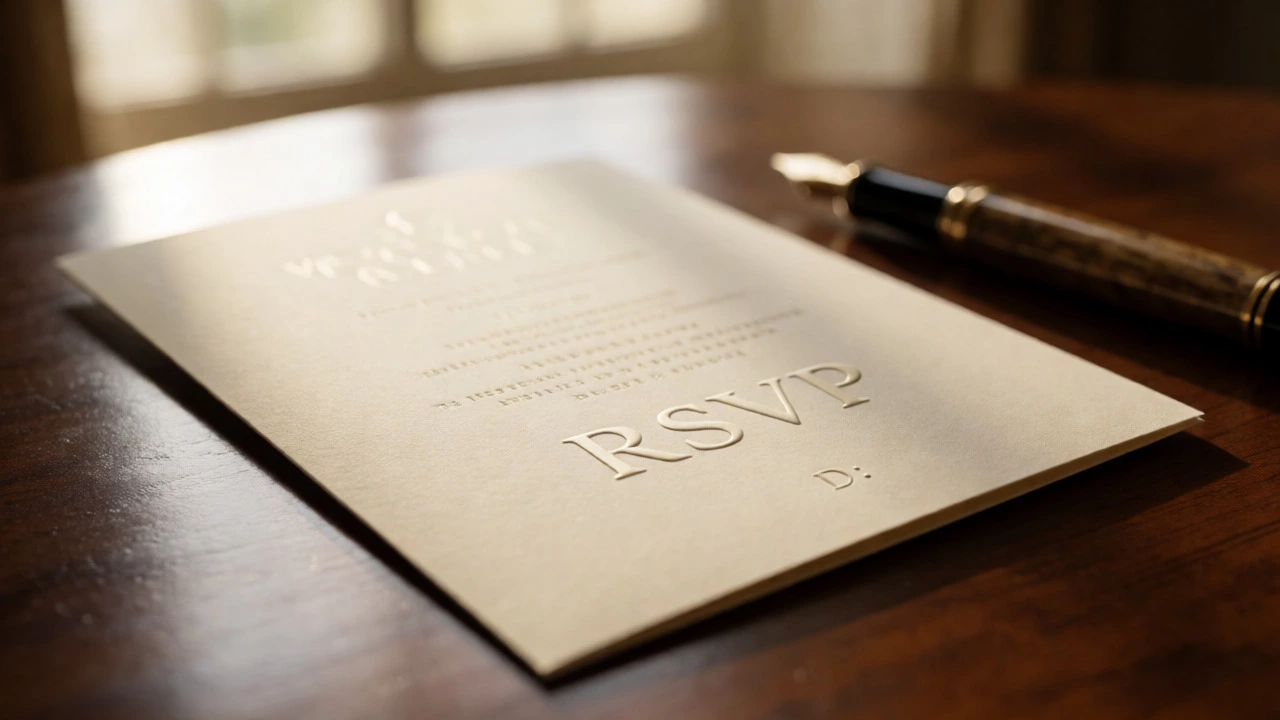
You’re staring at a beautiful, cream-colored invitation. It’s elegant, maybe even embossed. But there’s that little line at the bottom: RSVP. And right next to it, a blank space or a small checkbox labeled "D". Your brain does a quick flip. Is it for "Date"? "Designation"? "Dietary"? You’ve been invited to dozens of weddings, but this specific abbreviation always makes you pause.
Here is the short answer: In most modern contexts, especially on digital forms or casual invites, the D often stands for "Date" (as in, bringing a date) or "Dietary" requirements. However, on traditional paper invitations, it is rarely a standalone code. It is usually part of a larger phrase like "R.S.V.P." where the letters themselves don't spell out English words, or it refers to the guest's title (Mr., Mrs., Dr.) if the form asks for "Name and Title/D." If you see a simple "D:" on a response card, check the context. It’s almost never a mystery-it’s just poor design clarity.
The French Origin of RSVP
To understand what the D might mean, you first have to respect what RSVP actually means. It doesn’t stand for "Répondez s'il vous plaît" in English. It is French. Literally translated, RSVP is an acronym for the French phrase "Répondez s'il vous plaît," which translates to "Please respond." It is not an instruction to attend; it is an instruction to reply.
This distinction matters. When you ignore an RSVP, you aren’t just being rude; you are breaking a social contract established centuries ago. The tradition dates back to the French court under Louis XIV. Before that, invitations were vague. The French formalized the need for a headcount so hosts could plan feasts without wasting food or seating guests on the floor. So, when you see those four letters, remember: the host needs a number, not a guess.
Decoding the "D": Date, Dietary, or Designation?
If your invitation has a separate line with just a "D", here is how to decode it based on common wedding industry standards in Australia and globally.
Scenario 1: "D" for Date (Guest)
This is the most common confusion point for single guests. If the invitation says:
- Name: _______________
- D: _______________
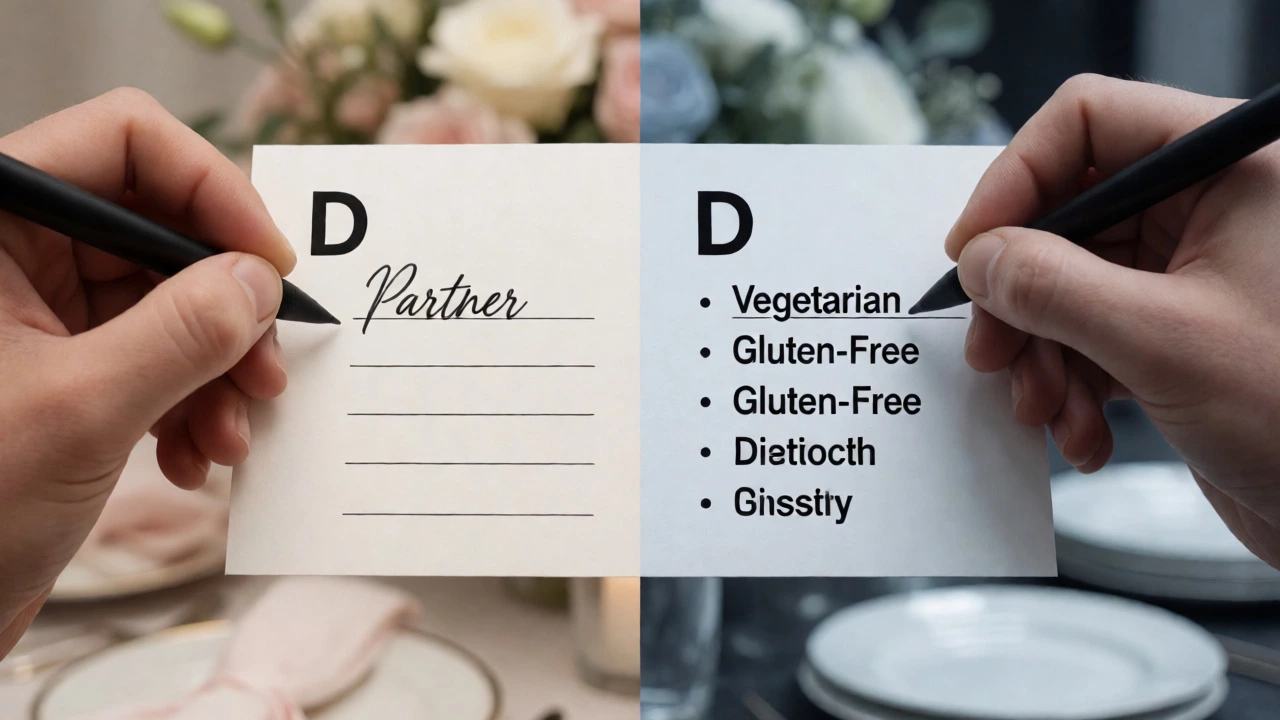
It likely asks for the name of your Date (guest). This is particularly common if you are unaccompanied but the invite implies you can bring someone. It’s a shorthand way of asking, "Who is coming with you?" If you are attending alone, you might write "N/A" or leave it blank, depending on the strictness of the host.
Scenario 2: "D" for Dietary Requirements
Catering costs are skyrocketing. In 2026, a standard plated meal in Sydney can cost between $85 and $150 per head. Hosts cannot afford to guess if you eat gluten or shellfish. If the form looks like this:
- Number of Guests: ___
- D: ________________________
They want dietary restrictions. Write "Vegetarian," "Gluten-Free," or "Nut Allergy." Do not write "I’m picky." That’s not a dietary requirement; that’s a personality trait.
Scenario 3: "D" for Designation (Title)
On very formal, traditional stationery, you might see a line asking for "Name & D." Here, D stands for Designation. This includes titles like Mr., Mrs., Ms., Dr., or Prof. While modern weddings are moving away from rigid titles, older relatives or formal church ceremonies still prefer this level of precision. If you are unsure, use "Ms." or "Mx." if you prefer gender-neutral options.
How to Fill Out the Response Card Correctly
Filling out a wedding response card is less about handwriting skills and more about clarity. Ambiguity causes stress for the couple. Here is a step-by-step guide to ensuring your RSVP gets counted correctly.
- Write Full Names: Don’t just sign "John." Write "John Smith." If you are bringing a partner, write both names clearly. If the envelope was addressed to "John Smith and Guest," you have permission to bring someone. If it was just "John Smith," you are likely solo unless told otherwise.
- Check the Box Carefully: Most cards have two checkboxes: "Accepts with Pleasure" and "Declines with Regret." Tick only one. Ticking both creates a logistical nightmare for the caterer.
- Count Heads Accurately: If the line says "___ of ___ will attend," fill in both numbers. For example, if you are invited as a couple but only one of you can come, write "1 of 2." This tells the host exactly how many seats to reserve and how many to release.
- Handle the "D" Line: Based on our earlier decoding, fill in the Date’s name, Dietary needs, or Title. If the prompt is ambiguous, add a tiny note in the margin. Example: "D: Sarah Jones (Date)" or "D: Vegetarian."
- Sign and Date: Yes, some cards ask for the date you signed. It helps track late replies.
Digital RSVPs vs. Paper Cards
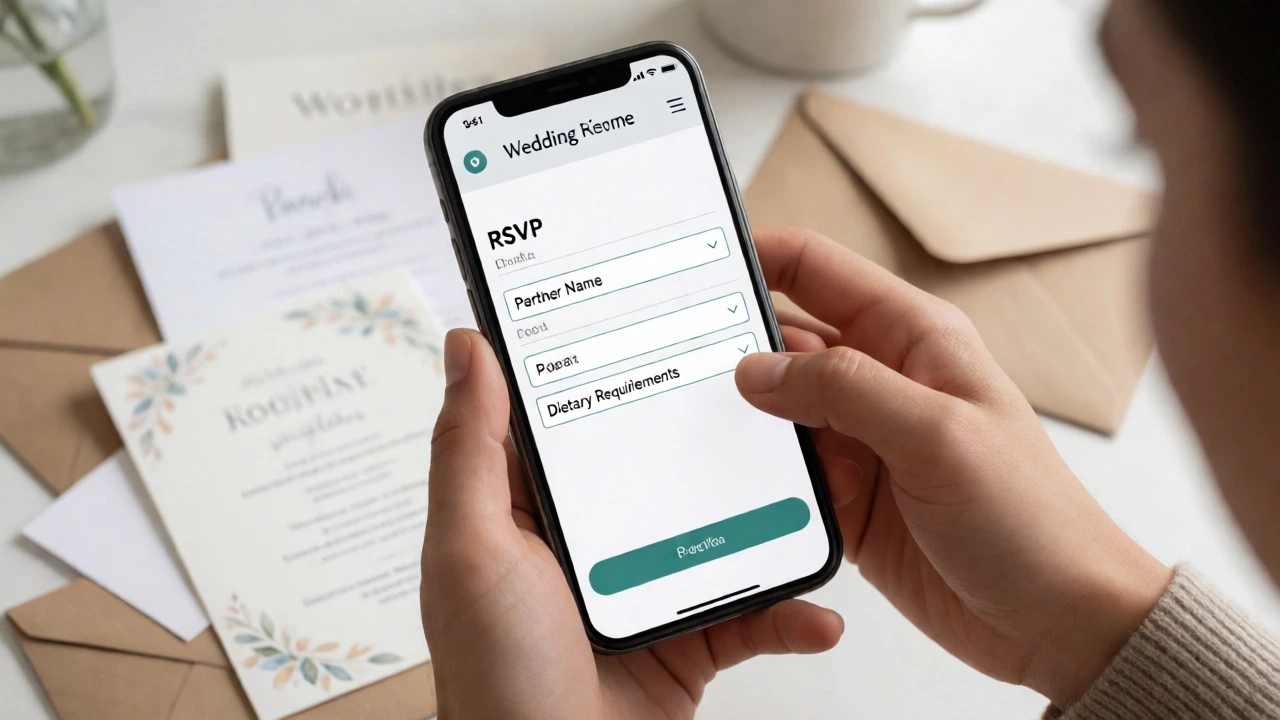
By 2026, nearly 70% of weddings use a hybrid model: a paper save-the-date and a digital link for the final RSVP. Digital platforms like Zola, The Knot, or custom wedding websites eliminate the ambiguity of the letter "D." They use dropdown menus and clear labels.
| Feature | Paper Response Card | Digital RSVP Portal |
|---|---|---|
| Clarity of "D" | Low. Often requires guessing or calling the host. | High. Fields are labeled explicitly (e.g., "Partner Name"). |
| Speed of Data Entry | Slow. Couple must manually enter data into spreadsheets. | Instant. Database updates in real-time. |
| Error Rate | Higher. Illegible handwriting or missing info. | Lower. Validation prevents incomplete submissions. |
| Environmental Impact | Higher. Paper, ink, postage. | Lower. No physical waste. |
If you receive a digital link, take advantage of it. You can often update your RSVP closer to the date if plans change. With paper, once you mail it, you are locked in unless you call.
Common RSVP Etiquette Mistakes
Even if you know what the D stands for, you can still trip up on the basics. Avoid these pitfalls to keep your relationship with the couple intact.
Ignoring the Deadline: The date on the card isn’t a suggestion. It’s a hard deadline for the caterer. If you miss it by three days, call immediately. Do not send a late card via post; it won’t arrive in time for the final count.
Bringing Uninvited Children: Unless the invitation says "and Family" or lists your children’s names, assume kids are not included. This is known as "adults only." Bringing a child who wasn’t counted disrupts seating charts and catering budgets.
Ghosting: Not replying at all is worse than saying no. It forces the host to chase you down, adding stress during their busiest weeks. A quick text saying "So sorry, we can’t make it!" is better than silence.
What If You Still Aren’t Sure?
If you are looking at a cryptic "D" and feel paralyzed, reach out. Who do you ask? Do not email the entire bridal party. Contact the person whose name is listed for responses. On formal invites, this is often the Maid of Honour or a close family friend. Send a polite message:
"Hi [Name], I’m filling out my RSVP and wanted to clarify the 'D' field-does it refer to my guest’s name or dietary requirements? Thanks!"
Hosts appreciate clarity over assumptions. They would rather answer ten emails than guess whether you are vegetarian or bringing your cousin Steve.
Key Takeaways
- RSVP is French for "Please Respond," not "Please Attend."
- The Letter D usually stands for "Date" (guest), "Dietary," or "Designation" (title), depending on the layout.
- Context is Key: Look at surrounding fields. If there is a box for meals, D is likely dietary. If there is a line for names, D is likely your partner.
- Digital is Clearer: Online forms reduce ambiguity by using explicit labels instead of abbreviations.
- When in Doubt, Ask: A quick clarification question saves embarrassment and logistical headaches.
Does RSVP mean I have to attend?
No. RSVP simply means "please respond." You are obligated to tell the host whether you are coming or going, but you are not obligated to say yes. Declining politely is perfectly acceptable.
What if I lose my RSVP card?
Don’t panic. Check the wedding website for a digital RSVP option. If there isn’t one, contact the person listed on the invitation for responses (often the maid of honour or best man) and let them know you lost the card. They can note your attendance manually.
Can I bring a plus-one if it’s not specified?
Generally, no. If the invitation is addressed only to you, it typically means you are invited alone. If it says "and Guest," then you may bring someone. Always check the envelope addressing first.
Is it rude to ask what the "D" means?
Not at all. It is better to ask for clarification than to provide incorrect information that affects catering or seating. Keep the question brief and polite.
Do I need to include a stamp if mailing the RSVP?
Most formal wedding invitations include a pre-stamped, self-addressed envelope for the response card. If the envelope is already stamped, you do not need to add another. If it is unstamped, you must affix the correct postage.