Wedding Invitation Etiquette Quiz
Think you know what to do when you see an R.S.V.P.? Take this quick quiz to decode the mystery of the "V" and master the art of the polite reply.
1. What does the "V" in the M/V lines on an invitation card typically stand for?
2. What is the correct action if an invitation says "Regrets Only"?
3. If you are single and invited alone, how should you fill out the M/V lines?
4. Why is it crucial to provide accurate names on the RSVP card?
5. Does RSVP mean you are obligated to attend the wedding?
Quiz Complete!
You scored 0 out of 5.
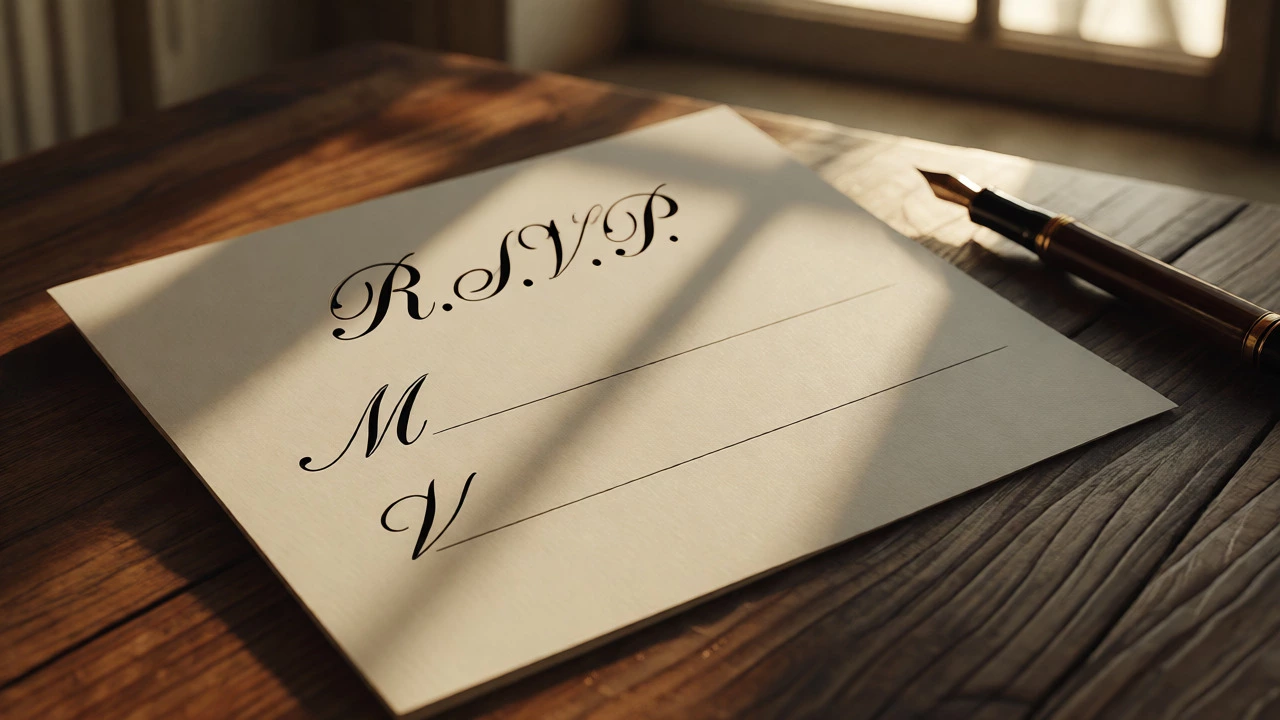
You open a beautiful envelope. Inside is a thick, cream-colored card with elegant script. It says "R.S.V.P." and then, just below it, there’s a mysterious letter: V. You stare at it. Is it a typo? Did the stationer fall asleep on the keyboard? Or is it some secret code you’re supposed to know before you even buy your shoes?
Here’s the truth that trips up almost everyone: The "V" isn’t English. It’s not a variable. And it definitely doesn’t stand for "Very Important Person." If you’re scratching your head, you’re in good company. But once you crack this little linguistic puzzle, you’ll realize it’s actually a helpful hint from the hosts, not a riddle meant to confuse you.
The Short Answer: It’s French, Not English
RSVP is an acronym for the French phrase Répondez s'il vous plaît, which translates to "Please respond." This has been the standard for formal invitations since the mid-19th century. It’s polite, direct, and universal in Western wedding culture.
So where does the V come from? In many modern invitation suites, especially those designed with a vintage or European flair, designers will include a line for you to write your name. Often, this line looks like this:
M _________________________
V _________________________
In this context, the V stands for Vous, the French word for "You." It’s a grammatical pairing. The first line (M) often stands for "Moi" (Me) or simply acts as a label for the primary guest, while the second line (V) is for their partner or spouse. It’s a way of saying, "Please list yourself and your 'you' (partner)." It’s a cute, old-world touch that signals the host expects couples to attend together unless stated otherwise.
Why Do We Even Use French Acronyms?
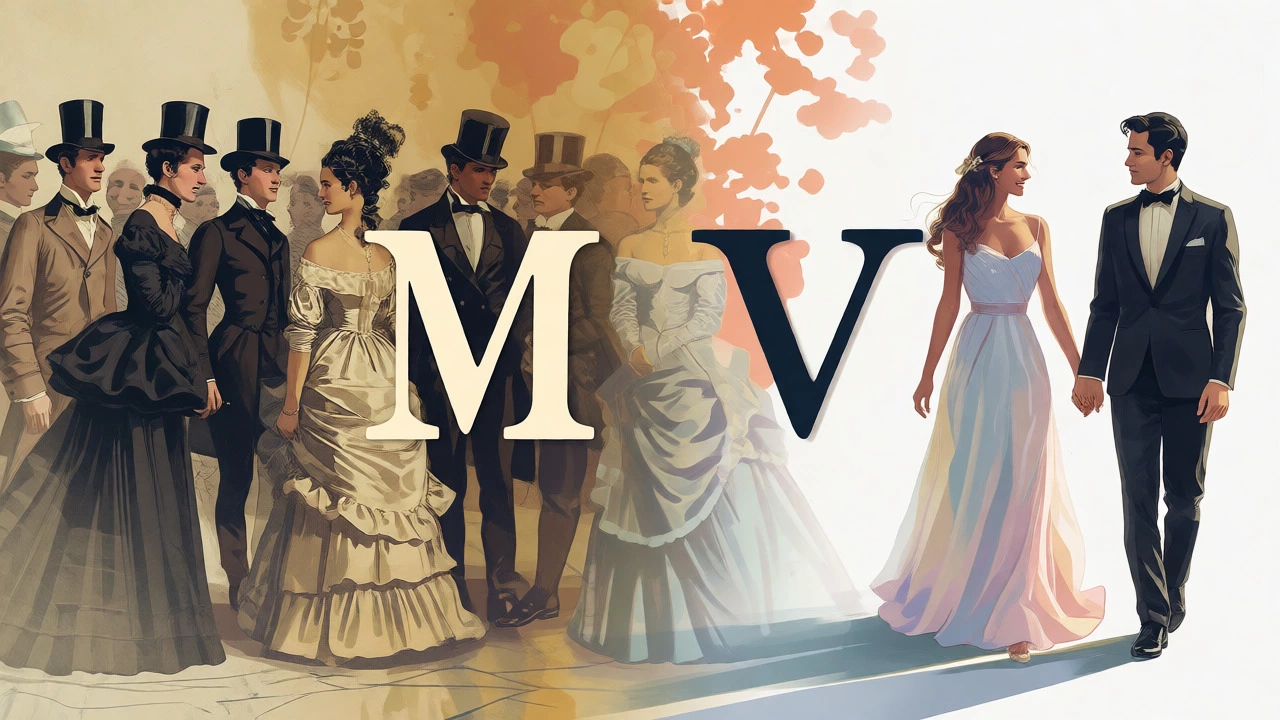
You might wonder why we’re using 1800s Parisian slang for a backyard barbecue in Sydney. The answer lies in history. During the Victorian era, French was the language of diplomacy, high society, and fashion. If you wanted your event to feel important, sophisticated, and exclusive, you wrote it in French. Victorian Etiquette dictated that using foreign phrases showed education and status.
Today, it’s mostly tradition. But it’s a tradition that saves space and adds elegance. Instead of writing "Please let us know if you can make it," which takes up three lines of text, "RSVP" fits neatly in the corner. When you see the V, the host is leaning into that aesthetic. They want the card to look like something out of a Jane Austen novel. Don’t overthink it-it’s just styling.
How to Fill Out the Card Correctly
Now that you know what the letters mean, how do you actually use them? Many guests freeze because they don’t want to break etiquette. Here is the simple rule: Write your names exactly as they appear on the outer envelope, but add any partners who are invited.
- If you are single: Write your full name on the first line (M). Leave the second line (V) blank or draw a small dash to indicate no partner.
- If you are married or partnered: Write your name on the first line and your partner’s name on the second line (V). For example: "John Smith" on M, "Jane Doe" on V.
- If children are included: Some cards have extra lines. If not, you can write "and Family" after your names, though listing individual names is more precise for catering counts.
Wait-what if the card only says "M" and no "V"? That usually means the host didn’t opt for the dual-name format. Just write all attending guests’ names clearly. The goal is clarity, not perfect grammar.
Common Misconceptions About RSVPs
Because the term is borrowed, people often project their own meanings onto it. Let’s clear up the biggest myths that cause anxiety during wedding season.
| Term/Symbol | Common Myth | Actual Meaning |
|---|---|---|
| R.S.V.P. | Means you must attend. | Means you must reply, yes or no. |
| M / V Lines | A code for dietary restrictions. | Lines for "Me" and "You" (Partner). |
| Regrets Only | You should call if you are coming. | Only contact them if you cannot come. |
| Plus One | Any friend you want to bring. | A specific additional guest approved by the couple. |
The most damaging myth is that RSVP means "Yes." It doesn’t. It means "Reply." Ignoring the card because you think you’re too busy to plan a Saturday is actually ruder than saying "No." Hosts budget for every seat. If you don’t reply, they pay for a plate you won’t eat.
When the "V" Isn’t There: Alternative Formats
Not every invitation uses the M/V split. Digital invites, casual beach weddings, or minimalist designs might skip the French entirely. Here’s what else you might see and how to handle it.
The Checkbox Method
This is the most user-friendly option. It usually looks like this:
[ ] Accepts with pleasure
[ ] Declines with regret
Name(s): _______________
No mystery here. Check the box, write your names. Simple. This format removes the pressure of interpreting foreign abbreviations and is great for older relatives who might be confused by the "V."
The Website URL
Increasingly, invitations just say "RSVP at [website]." This is efficient for data tracking. When you go online, you’ll likely see fields for "Guest 1 Name" and "Guest 2 Name." This is the digital equivalent of the M/V lines. Enter the info accurately so the caterer knows whether to prep a vegetarian meal for "V" or not.
The Phone Number
Old school. Still works. If you call, speak clearly. Say your names slowly. Ask if they need spelling confirmation. This is particularly common in Australia and the UK for family-oriented weddings where personal connection matters more than formality.
Etiquette Rules for Responding
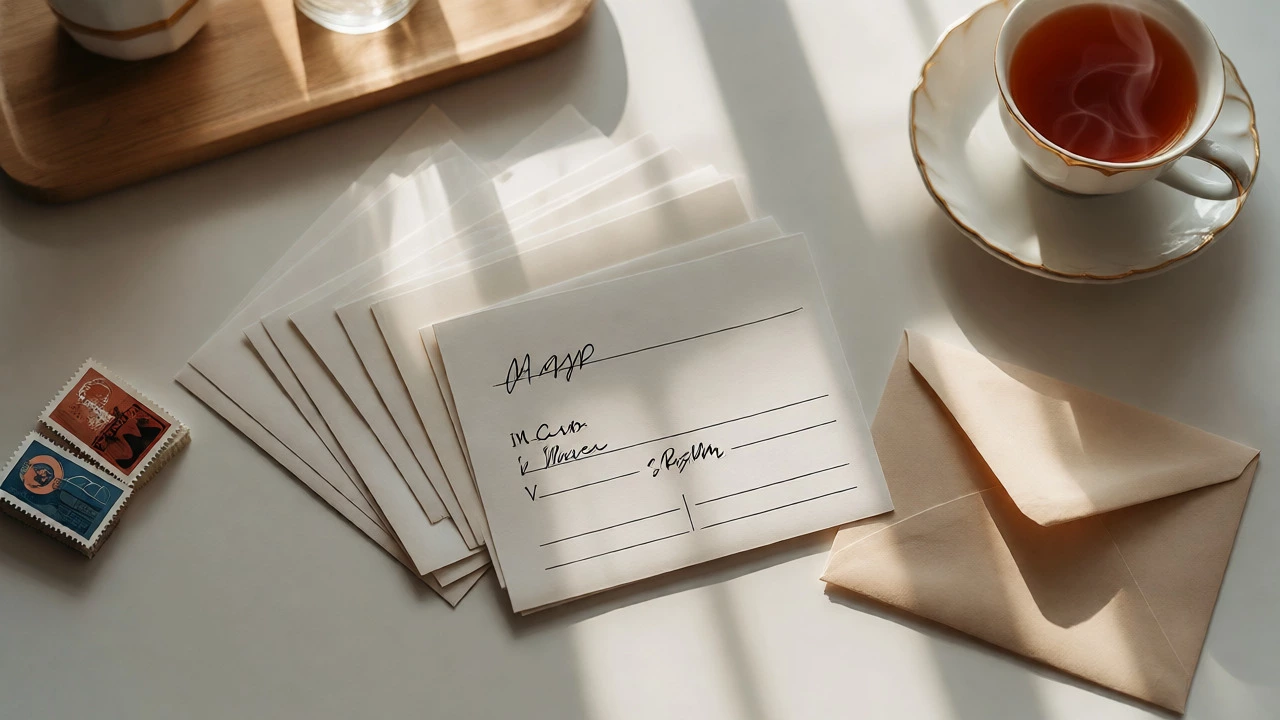
Knowing what the V means is half the battle. Knowing when and how to send it back is the other half. Here are the golden rules for being a gracious guest.
- Respond within 48 hours of receiving the invite. Ideally, sooner. Waiting until the deadline creates stress for the hosts who are chasing down stragglers.
- Use black or blue ink. Never red. Never pencil. Pencil smudges and looks unfinished. Blue or black is respectful and legible.
- Don’t assume you’re invited. If the envelope says "Mr. John Smith" and not "Mr. John Smith and Guest," do not bring a date. The "V" line exists for the person already named on the invite. If you want to ask about a plus-one, email the couple privately before filling out the card.
- Mail it early. Postage delays happen. If the wedding is in December, mail your card in October. Don’t wait for the last week.
One tricky scenario: What if you move? What if you lose the card? Send a handwritten note to the couple immediately. Apologize for the delay and state your attendance clearly. Hosts appreciate honesty far more than silence.
Why Accuracy Matters More Than Style
You might think, "It’s just a piece of paper." But for the couple, that paper is a spreadsheet. Every name on that card translates to a chair, a place setting, a meal, and a cocktail hour drink.
If you write "John & Jane" on the M line and leave the V line blank, the caterer might set one plate. If you write "John" on M and "Jane" on V, they set two. See the difference? The "V" isn’t just decoration; it’s a data entry field. Misinterpreting it could mean your partner ends up standing or sharing a tiny appetizer plate awkwardly.
Furthermore, accurate names help with seating charts. Couples spend hours arranging tables to keep feuding cousins apart or best friends together. If you provide nicknames instead of legal names, or vice versa, it can cause confusion. Stick to the names used on the invitation envelope. If the invite says "The Johnson Family," write "The Johnson Family" or list each member individually if space permits.
Final Thoughts: Embrace the Quirk
Weddings are full of traditions that seem arbitrary until you understand their origin. The "V" in RSVP is one of those charming relics. It reminds us that weddings are about connection, language, and shared culture. So next time you see that little letter, smile. It’s not a test. It’s an invitation to include your loved ones properly.
Just remember: Reply promptly, write clearly, and enjoy the party. The rest is up to the couple.
Does RSVP mean I have to attend?
No. RSVP stands for "Répondez s'il vous plaît," which means "Please respond." It obligates you to tell the host whether you are accepting or declining the invitation, not necessarily to accept it. Failing to respond at all is considered poor etiquette.
Can I bring a date if the card has a V line?
Not automatically. The V line is typically for a spouse or significant other who is explicitly invited (often indicated by "and Guest" or two names on the envelope). If you are single and want to bring a date, you must ask the couple beforehand. Do not assume the V line grants you a plus-one.
What if I don't speak French?
That’s completely fine! RSVP is a standardized convention in English-speaking countries. You do not need to speak French to use it. Simply follow the instructions provided on the card regarding where to write your names.
Is it rude to reply late?
Yes, replying late causes logistical headaches for the couple and their vendors. Caterers require final numbers weeks in advance. If you miss the deadline, apologize profusely and confirm your status immediately via phone or email.
What does "Regrets Only" mean?
This instruction means you only need to contact the hosts if you cannot attend. If you do nothing, the hosts assume you are coming. This is less common now because it relies on guests remembering to decline rather than actively confirming.