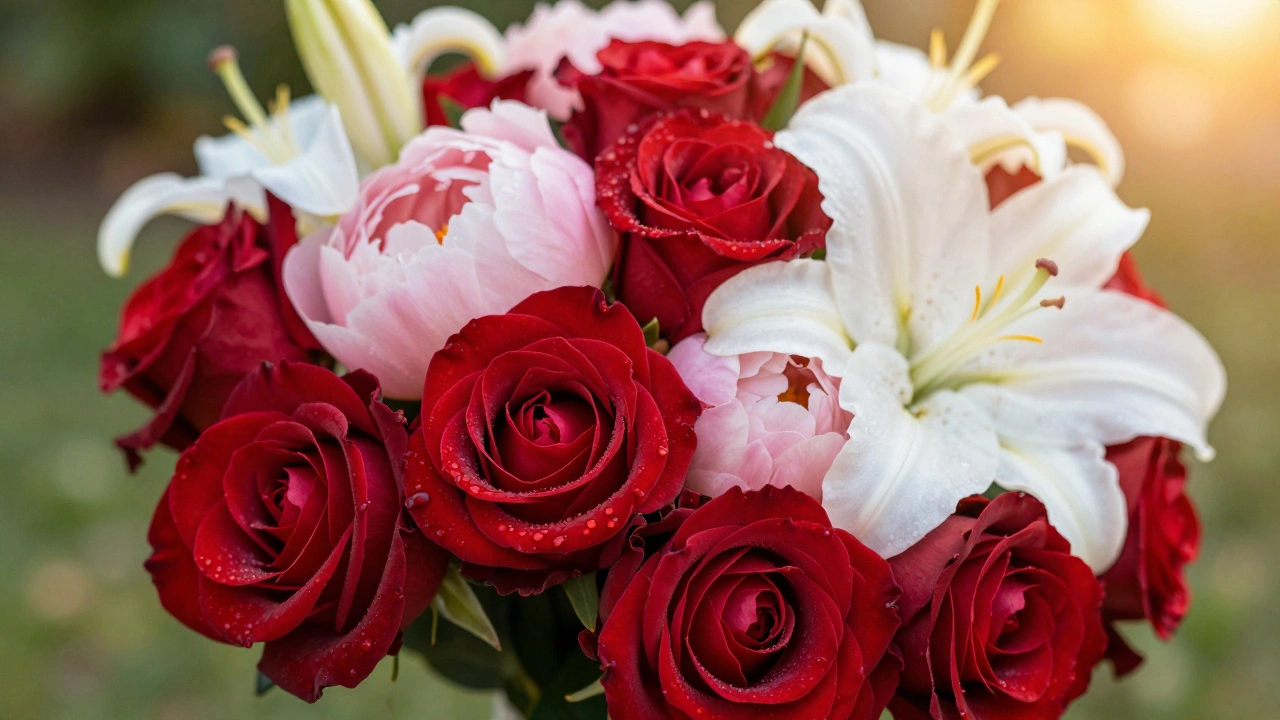
Wedding Flower Symbolism Finder
Select up to three flowers that resonate with your relationship story to reveal their collective message.
Red Rose
Passion & Deep Love
White Rose
Purity & New Beginnings
Peony
Prosperity & Happy Marriage
Lily
Ambition & Magnificence
Tulip
True Love & Royalty
Orchid
Rare Beauty & Luxury
Ivy
Fidelity & Eternal Bond
Your Floral Narrative
You’ve seen the bouquets. You’ve admired the centerpieces. But have you ever stopped to ask what those blooms are actually saying? Flowers aren’t just pretty decorations; they are a silent language. For centuries, people have used wedding flower symbolism to convey messages that words sometimes fail to capture. Choosing the right bloom isn’t just about color matching your dress or fitting into your budget. It’s about setting the emotional tone for your entire day.
If you pick roses without knowing their specific meanings, you might be sending a message of passion when you intended to signal loyalty. If you choose lilies thinking they’re purely elegant, you might overlook their historical ties to funerals in certain cultures. Understanding this language helps you curate a ceremony that feels deeply personal and authentic. Let’s break down the most common wedding flowers and what they really mean for your big day.
The Classic Choice: Roses and Their Hidden Messages
Roses are the undisputed kings of the wedding aisle. They are everywhere, from massive arches to tiny buttonholes. But not all roses say the same thing. The color changes the message entirely. A red rose is the universal symbol of deep love and desire. It’s bold, it’s passionate, and it screams romance. If your relationship is fiery and intense, red roses are your go-to.
White roses tell a different story. They symbolize purity, innocence, and new beginnings. This makes them perfect for the bride, representing the start of a fresh chapter. However, in some Asian cultures, white can also signify mourning, so it’s worth checking cultural sensitivities if you have guests from diverse backgrounds. Pink roses soften the mood. Light pink suggests admiration and sweetness, while dark pink conveys gratitude and appreciation. Yellow roses? Be careful. While they mean joy and friendship, they can also imply jealousy or a lack of romantic interest in older interpretations. Stick to yellow for friends’ bouquets, not necessarily for your own.
| Color | Symbolism | Best Use Case |
|---|---|---|
| Red | Deep love, passion, respect | Bridal bouquet, altar arrangements |
| White | Purity, innocence, humility | Bride’s bouquet, church pews |
| Pink (Light) | Admiration, grace, happiness | Bridesmaids’ bouquets |
| Pink (Dark) | Gratitude, appreciation | Thank-you cards, reception tables |
| Yellow | Friendship, joy, platonic love | Groomsmen boutonnieres, casual weddings |
Peonies: The Bloom of Prosperity and Happy Marriage
If roses are the classic choice, peonies are the dreamy alternative. These fluffy, ruffled blooms are incredibly popular for spring and early summer weddings. In Chinese culture, peonies represent wealth, honor, and a happy marriage. They are often called the "King of Flowers" for their lush appearance. When you include peonies in your decor, you are subtly wishing for a prosperous and joyful union.
Peonies also symbolize bashfulness and compassion. They feel soft and inviting, which matches the vibe of many modern, intimate weddings. Because they are heavy-headed, they work beautifully as standalone stems in tall vases or clustered tightly in round hand-tied bouquets. Just keep in mind that peonies are seasonal. If you’re getting married in winter, you’ll either pay a premium for imported blooms or need to look at alternatives like garden roses, which mimic their shape but last longer.
Lilies: Elegance with a Cautionary Tale
Lilies are stunning. Their large petals and strong fragrance make them impossible to ignore. Stargazer lilies, with their vibrant pink edges, symbolize ambition and success. White calla lilies represent beauty and magnificence. However, lilies come with a significant caveat: their scent. To some, it’s heavenly. To others, it’s overpowering and can trigger headaches or allergies. Always consider your guests’ sensitivities before filling the room with dozens of open lily buds.
Culturally, lilies are tricky. In Western contexts, white lilies are associated with the resurrection and purity, making them acceptable for weddings. But in many Eastern European and Asian traditions, white lilies are strictly funeral flowers. If you have family members from these backgrounds, skipping lilies might prevent awkward moments. Instead, opt for tulips or orchids, which offer similar elegance without the funerary baggage.
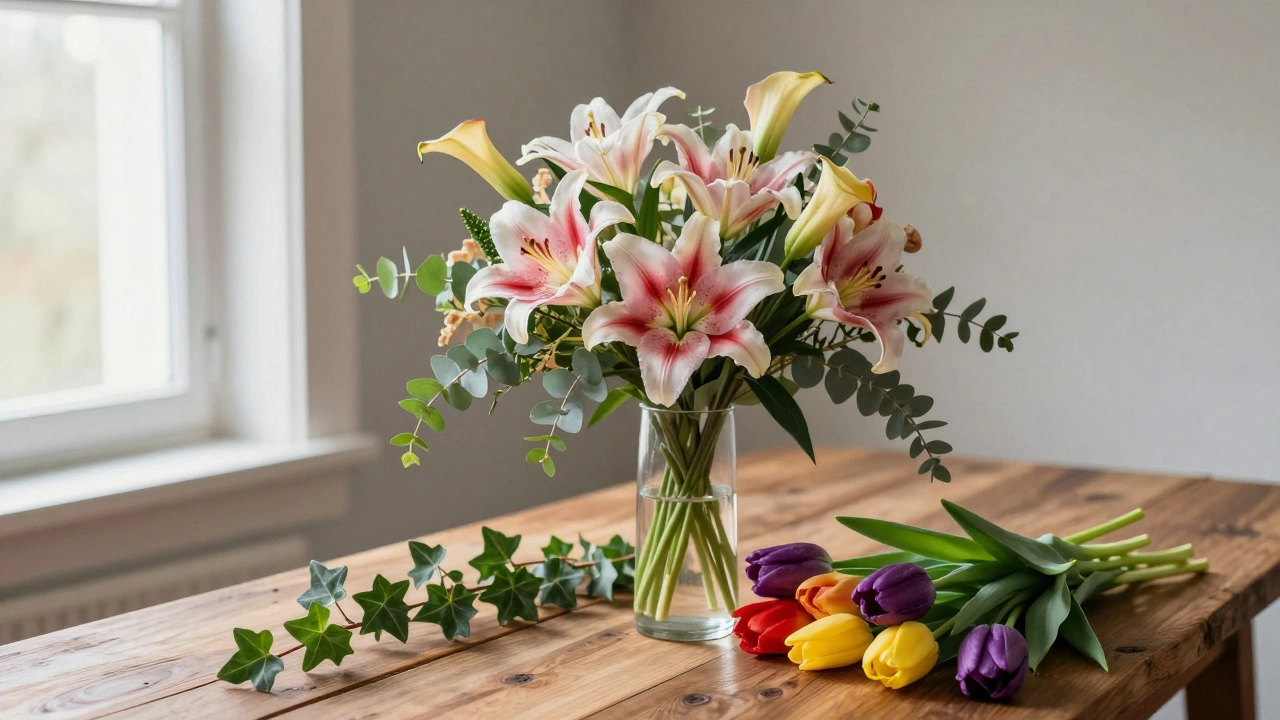
Tulips: Love That Lasts Forever
Tulips are cheerful, colorful, and relatively affordable compared to exotic blooms. Different colors carry distinct meanings. Red tulips declare true love. Purple tulips represent royalty and elegance. Yellow tulips symbolize sunshine and cheerfulness. What makes tulips unique is their behavior: they continue to grow and move toward the light even after being cut. This makes them a fantastic metaphor for a growing relationship. Your marriage, like the tulip, will evolve and reach for the sun together.
Practically speaking, tulips are low-maintenance. They don’t require complex conditioning, and they last well in cool water. For outdoor weddings, tulips hold up better than delicate dahlias or zinnias. They add a pop of color without looking too formal, making them ideal for garden parties or beach ceremonies.
Orchids: Exotic Beauty and Rare Love
Orchids scream luxury. Phalaenopsis (moth) orchids are sleek, modern, and long-lasting. They symbolize rare and beautiful love. If your wedding theme is minimalist, contemporary, or tropical, orchids fit perfectly. They don’t wilt quickly, which means your reception centerpieces will look pristine until the very end of the night. Plus, you can replant the orchid pots after the wedding, giving your guests a living memento rather than a pile of dead petals.
Orchids also represent strength and fertility. In Victorian times, they were prized for their exotic nature and difficulty to cultivate. Today, they remain a status symbol in the floral world. Pair them with greenery like monstera leaves for a lush, jungle-inspired look, or keep them stark white against black tableware for high-contrast drama.
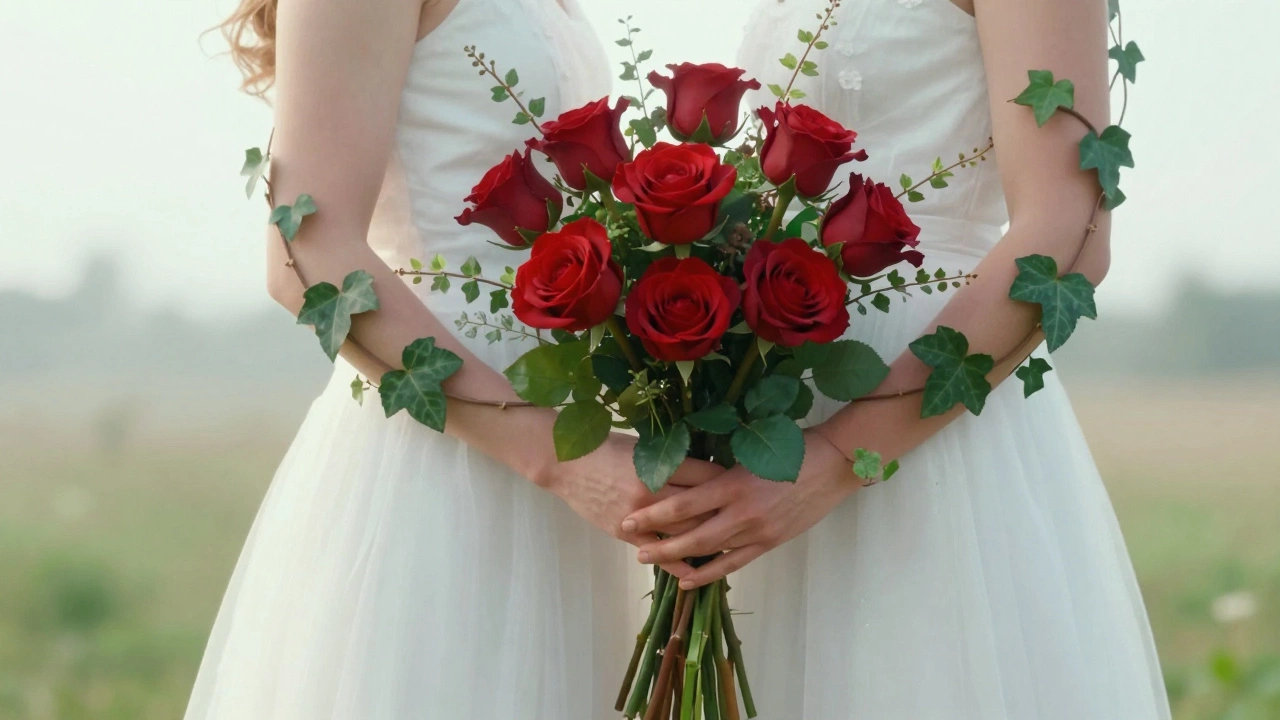
Ivy and Greenery: The Bond That Never Breaks
We often focus on the blooms, but greenery does heavy lifting in wedding symbolism. Ivy is perhaps the most powerful plant in the wedding lexicon. It represents fidelity, eternal love, and marriage itself. Unlike flowers that fade after a few days, ivy clings and grows. It signifies a bond that withstands time. Incorporating ivy garlands around the altar or weaving it into bouquets adds a layer of depth that says, “We’re in this for the long haul.”
Eucalyptus is another popular green. It symbolizes protection and abundance. Its silvery-blue hue complements almost any color palette, from dusty pinks to deep burgundies. Ferns represent sincerity and good fortune. By mixing these greens with your main flowers, you create a balanced arrangement that speaks to both beauty and enduring commitment.
How to Choose Flowers That Match Your Story
Don’t just pick flowers because they’re trendy. Pick them because they resonate with your relationship. Ask yourself: What defines our love? Is it fiery and passionate? Go for red roses and ranunculus. Is it calm and steady? Choose white hydrangeas and eucalyptus. Is it playful and joyful? Add pops of yellow tulips and snapdragons.
Consider the season. Spring calls for peonies, lilacs, and sweet peas. Summer brings sunflowers, dahlias, and zinnias. Autumn offers chrysanthemums, marigolds, and deep reds. Winter features amaryllis, anemones, and evergreens. Seasonal flowers are cheaper and fresher. Fighting the season means paying more for less quality.
Finally, talk to your florist. Share your symbolic preferences. A good florist knows how to blend meanings. They can mix ivy for fidelity with roses for love, creating a bouquet that tells your complete story. Don’t be afraid to ask questions. Knowledge turns decoration into expression.
What is the most traditional flower for a wedding?
The rose is widely considered the most traditional wedding flower. Specifically, white roses symbolize purity and new beginnings, while red roses represent deep love and passion. Their versatility and historical significance make them a staple in bridal bouquets and ceremony decor worldwide.
Are lilies appropriate for weddings?
Lilies are beautiful but require caution. In Western cultures, white lilies symbolize purity and are acceptable. However, in many Asian and Eastern European traditions, white lilies are associated with funerals and death. Additionally, their strong scent can overwhelm guests or trigger allergies. Consider your audience and venue size before choosing lilies.
What flower symbolizes eternal love?
Ivy is the primary symbol of eternal love and fidelity in wedding flora. It represents a bond that endures over time. Other flowers like the rose (specifically red) and the orchid also convey deep, lasting affection. Combining ivy with roses creates a powerful statement of committed, passionate love.
Can I use different flowers for different parts of the wedding?
Absolutely. Many couples choose different flowers for the ceremony and reception to reflect shifting moods. For example, you might use solemn, pure white lilies and roses for the ceremony, then switch to vibrant, joyful sunflowers and dahlias for the party. This allows you to express multiple facets of your relationship.
What do peonies mean in a wedding context?
Peonies symbolize prosperity, honor, and a happy marriage. In Chinese culture, they are particularly auspicious for weddings. Their lush, romantic appearance also conveys bashfulness and compassion, making them ideal for soft, dreamy wedding aesthetics.