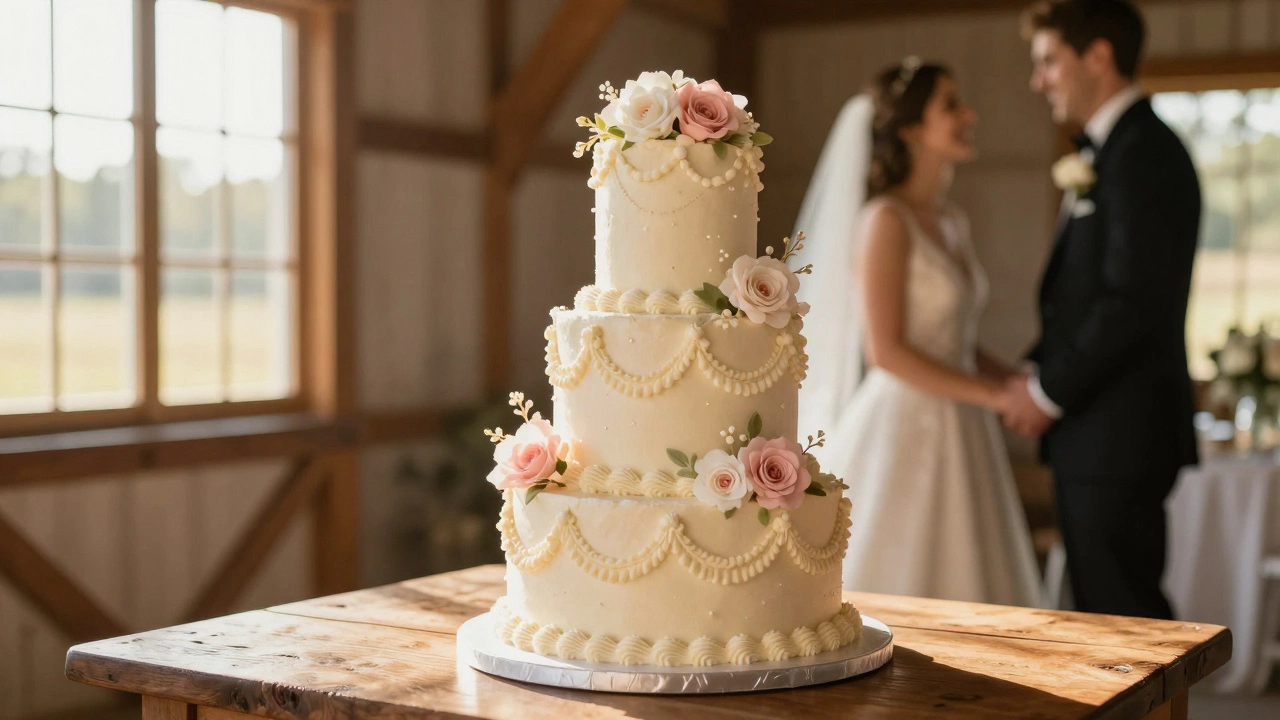
Wedding Cake Budget Estimator
Estimated Cost Breakdown
Total Estimated Price
You’ve picked the venue. You’ve booked the photographer. Now comes the part that makes your eyes glaze over: the cake. It’s supposed to be the centerpiece of the reception, the photo op, and the sweet finale. But when you start calling wedding cake makers is professional bakers who specialize in creating custom cakes for weddings, the numbers can get scary fast. One quote says $800, another says $2,500. What gives?
The short answer? A good budget for a standard wedding cake usually falls between $600 and $1,500 for a party of 100 guests. But that number swings wildly based on design complexity, ingredients, and where you live. If you’re trying to figure out if you’re being overcharged or if you need to cut back elsewhere, here is the real breakdown of what drives the price up-and how to keep it down without sacrificing taste.
The Per-Slice Rule of Thumb
Most bakers don’t just give you a flat fee; they charge by the serving. This is the most common way to estimate your costs before you even pick a design. In 2026, the national average for a wedding cake slice hovers between $4 and $8 per person. However, this range is deceptive because "per slice" means different things to different people.
A standard serving size for a wedding cake is typically 1x2x4 inches (a small rectangle). Some bakers use a larger 2x2x4 inch serving, which looks generous but actually yields fewer slices from the same amount of batter. Always ask about their serving dimensions. If you assume a standard slice but the baker uses a large one, you might end up with 20% less cake than expected, or you’ll have to pay more to cover the guest count.
| Cake Style | Price Range (Per Slice) | Best For |
|---|---|---|
| Simple Buttercream | $3 - $5 | Budget-conscious couples, rustic themes |
| Fondant Covered | $5 - $8 | Structured designs, smooth finishes |
| Sugar Flowers/Drip | $7 - $10+ | Luxury aesthetics, detailed artistry |
| Naked/Semi-Naked | $4 - $6 | Minimalist, boho, or outdoor weddings |
If you are feeding 100 guests, a simple buttercream cake might set you back $400, while an intricate sugar-flower masterpiece could easily hit $1,000 or more. The style you choose dictates the labor hours, which is the biggest hidden cost in baking.
Why Design Complexity Skyrockets the Price
It’s not just about the flour and sugar. The primary driver of cost is labor. A plain vanilla cake with chocolate frosting takes two hours to bake and frost. A four-tier cake with hand-piped lace patterns, structural supports, and edible gold leaf takes twenty. You are paying for the baker’s time, skill, and risk.
- Tiers: Each additional tier adds structural engineering. Bakers must use dowels, boards, and sometimes external pillars to keep the cake from collapsing. More tiers mean more setup time at the venue.
- Fondant vs. Buttercream: Fondant requires smoothing, trimming, and often sculpting. It is labor-intensive. Buttercream is faster to apply but can melt in heat, requiring climate-controlled transport. Naked cakes save money on frosting but require perfect crumb coats and stable layers.
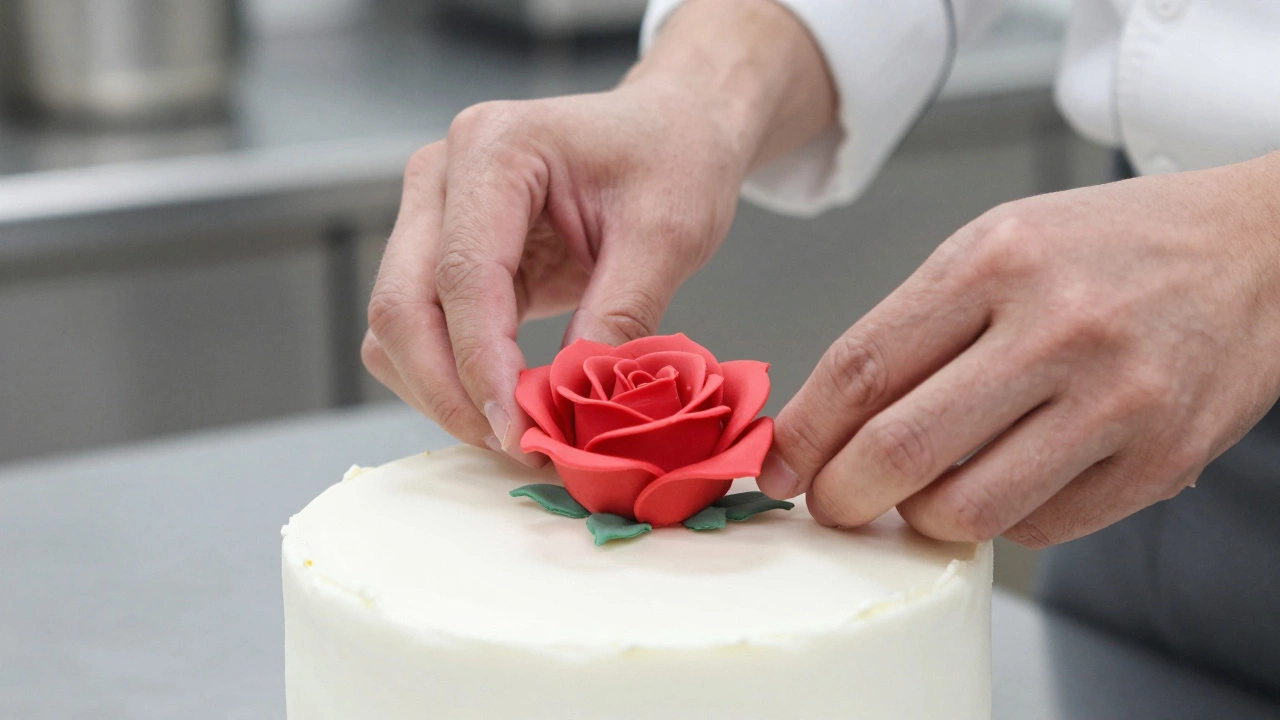
- Decorations: Edible flowers, sugar paste roses, and drip effects are made by hand. A single sugar rose can take 30 minutes to craft. If your design calls for a bouquet of them, add $100-$200 to your bill instantly.
If you love the look of a highly decorated cake but hate the price tag, consider a "display cake." Order a small, beautiful two-tier cake for cutting and photos, and serve sheet cakes from the kitchen for the rest of the guests. This hybrid approach can slash your costs by 30-50%.
Location and Venue Logistics Matter
Where you live changes everything. A wedding cake in New York City or San Francisco will cost significantly more than one in rural Ohio due to higher overhead for the bakery-rent, utilities, and wages. Expect to pay a 20-40% premium in major metropolitan areas.
Delivery is another line item that often surprises couples. Most bakers charge a delivery fee ranging from $50 to $200, depending on distance and traffic. If your venue is hard to access (like a beach or a mountain lodge), the fee might be higher. Some venues also charge a "cake-cutting fee" or a corkage-style fee for outside food, which can be 10-15% of the cake’s value. Always check your venue contract for these clauses.
Hidden Fees to Watch Out For
When you get a quote, look closely at what’s included. Here are common extras that inflate the final bill:
- Travel Fee: Beyond basic delivery, some bakers charge for mileage over a certain radius.
- Setup Time: If the cake needs to be assembled on-site (common for tall tiered cakes), bakers may charge an hourly rate for their presence during setup.
- Custom Flavor Trials: Many high-end bakers offer tasting sessions. These can be free or cost $25-$50 per couple. While it feels like an extra cost, it’s worth it to avoid ordering a flavor you dislike.
- Rush Orders: Booking a cake less than three months out often triggers a rush fee, as bakers prioritize long-term contracts.
Ask for a detailed breakdown. If a quote seems too low, ask what isn’t included. Sometimes, the base price excludes boxes, candles, or the cake server itself.
Alternatives to Traditional Tiers
If the math doesn’t work for a traditional cake, you don’t have to skip the dessert moment. Many couples are opting for alternatives that fit their budget better while still looking stunning.
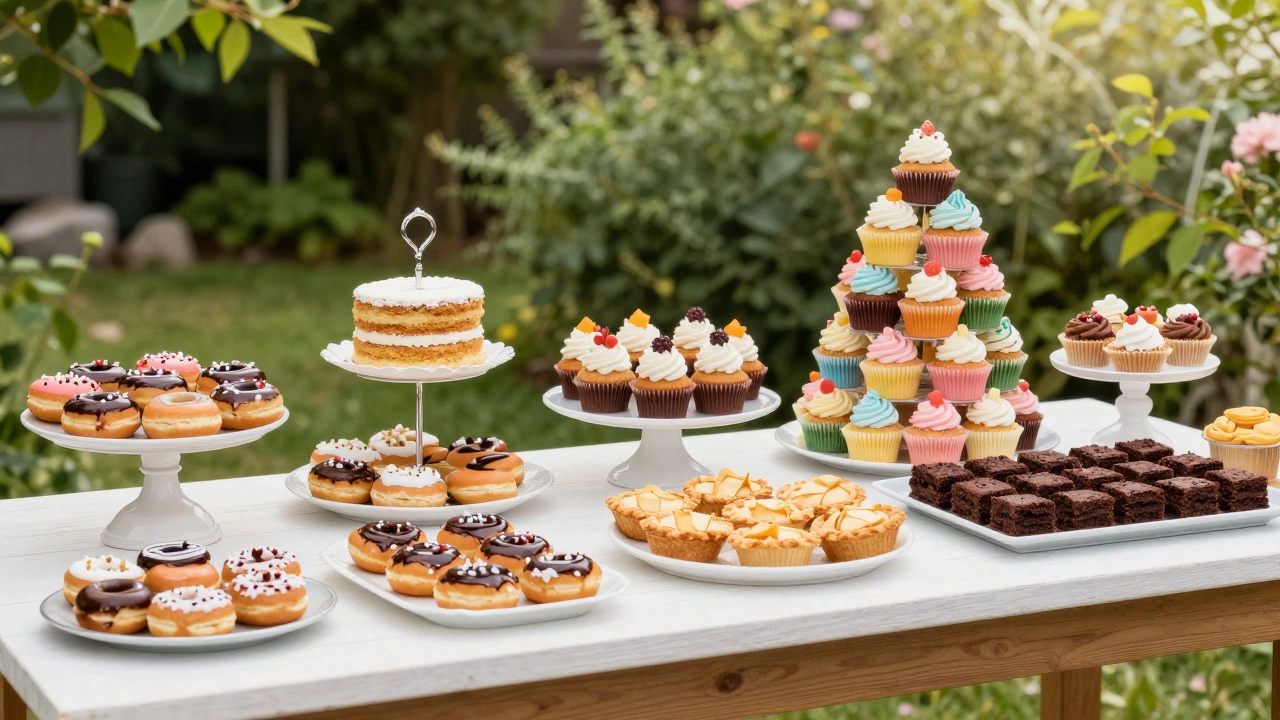
Cupcake Towers: These are often cheaper per unit ($2-$4 each) and require no cutting. They double as favors for guests. However, they can dry out faster and lack the visual impact of a tall cake.
Dessert Tables: Instead of one big cake, create a spread of mini pies, cookies, brownies, and a small cake. This allows you to mix homemade treats with store-bought items, reducing reliance on expensive custom baking. It’s casual, fun, and often more affordable.
Pastries or Donuts: For a non-traditional vibe, a tower of gourmet donuts or a stack of croissants can be unique and cost-effective. Just ensure the vendor provides enough variety to satisfy different dietary needs.
How to Negotiate Without Offending Your Baker
Bakers are artists and business owners. They won’t drop prices simply because you ask, but there are ways to adjust the scope to fit your budget. Be transparent early on. Say, "We love your work, but our budget is capped at $800. Can we simplify the design to stay within that range?"
Offering to pick up the cake yourself saves on delivery fees. Choosing a simpler flavor profile (like vanilla bean instead of exotic matcha-lavender) reduces ingredient costs. And booking off-season (January or February) might yield discounts, as bakers have more availability.
Remember, the best deal isn’t always the cheapest. A cheap cake that arrives melted or tastes stale ruins the night. Look for reviews that mention reliability and taste, not just price. A mid-range baker who delivers consistently is better than a luxury brand that cuts corners.
How much should I spend on a wedding cake for 150 guests?
For 150 guests, expect to spend between $900 and $1,200 for a standard cake. This assumes a cost of $6-$8 per slice. If you opt for a simple buttercream design, you might find options closer to $600-$750. Complex fondant designs with sugar flowers can push the price to $1,500+.
Is it cheaper to buy a cake from a grocery store?
Yes, grocery store cakes are significantly cheaper, often costing $100-$300 total. However, they lack customization, structural integrity for multiple tiers, and premium flavors. For a small, intimate wedding, this can be a viable option, but for larger events, the quality difference is noticeable.
Do I need to tip my wedding cake maker?
Tipping is customary but not mandatory. If the baker owns the business, a tip of 10-15% is appreciated if the service was excellent. If they employ staff for delivery and setup, tipping those individuals $20-$50 each is standard practice. Check if gratuity is already included in the invoice.
Can I make my own wedding cake to save money?
You can, but it’s risky. Home ovens rarely bake large layers evenly, and transporting a multi-tier cake is difficult. If you want to DIY, consider making cupcakes or a single-layer cake and buying a decorative top tier from a professional. This balances cost with safety.
What is the most expensive part of a wedding cake?
Labor is the most expensive component. Specifically, hand-crafted decorations like sugar flowers, intricate piping, and structural engineering for tall tiers drive up the cost. Ingredients like premium chocolate or exotic fruits add to the price, but labor accounts for 60-70% of the total fee.