Wedding Color Luck Calculator
Discover Your Lucky Wedding Color
Find your perfect color based on cultural heritage and what you want for your marriage.
When you’re picking wedding colors, it’s not just about what looks pretty on your invitations or table linens. For many couples, the color choice carries weight-something deeper than aesthetics. People ask: what is the luckiest wedding color? The answer isn’t one shade. It changes depending on where you’re from, what your family believes, and even the year you’re getting married.
Red: Power, Passion, and Prosperity
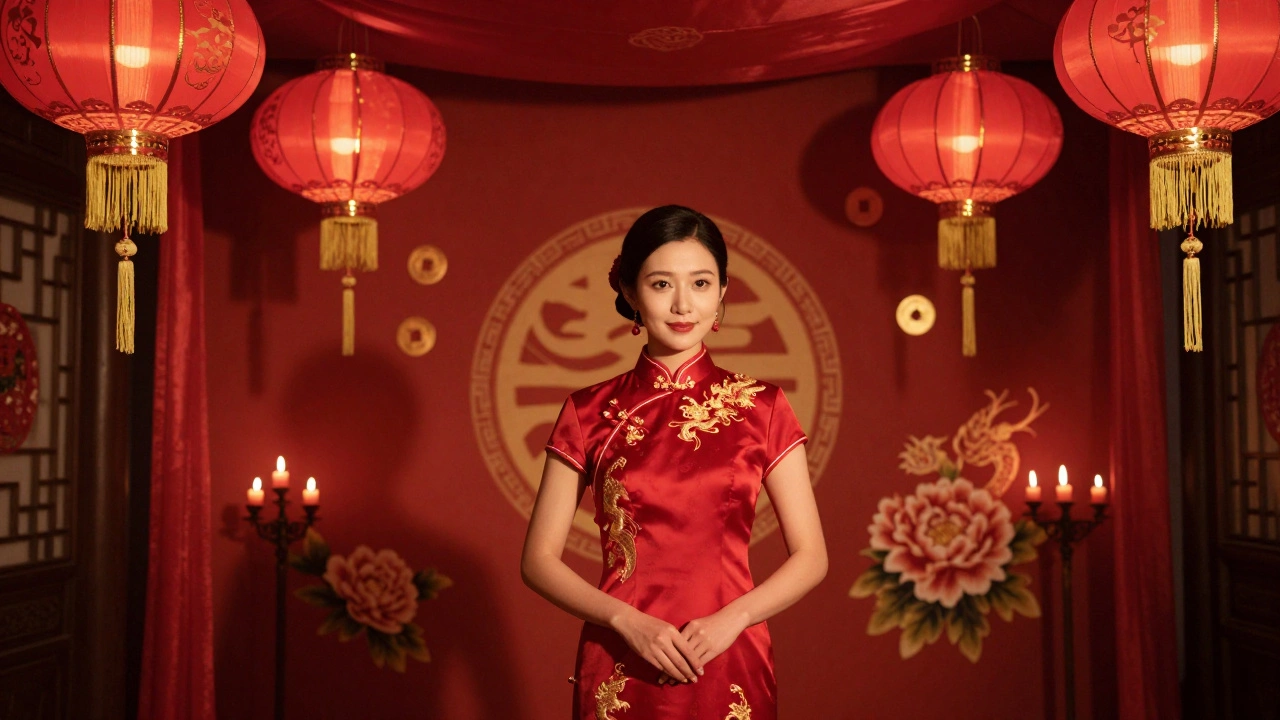
In China, red isn’t just lucky-it’s non-negotiable. Brides wear red qipaos. The venue is draped in red lanterns. Even the envelopes holding cash gifts are red. This isn’t just tradition; it’s a belief that red wards off evil spirits and brings wealth and fertility. In Hindu weddings across India, brides wear red lehengas for the same reasons. Red symbolizes the sun, fire, and the goddess Durga-strength, life, and protection.
It’s not just Asia. In parts of Africa and Latin America, red is tied to fertility and vitality. A bride in Nigeria might wear a red headwrap with gold embroidery, signaling both beauty and abundance. If you’re looking for a color that screams energy and good fortune, red has centuries of cultural backing.
Gold and Yellow: Wealth That Shines
Gold doesn’t just look expensive-it’s been tied to wealth since ancient times. In Chinese culture, gold and red go hand in hand. Gold represents prosperity, and it’s common to see gold thread woven into wedding dresses or gold coins placed under the bride’s shoes. In Western traditions, gold rings symbolize eternal love, but gold accents in decor-candles, tableware, even napkin folds-are still seen as a magnet for abundance.
Yellow, often grouped with gold, carries its own meaning. In some European cultures, yellow was once considered unlucky because of its link to betrayal. But today, that’s changed. In countries like Germany and Austria, yellow is now associated with joy and optimism. A bouquet of yellow roses or a golden aisle runner can feel fresh and hopeful, especially for couples who want their day to radiate warmth without the intensity of red.
White: Purity? Or Just Popular?
White weddings became the norm after Queen Victoria wore a white gown in 1840. But purity wasn’t the original reason. White silk was expensive, and wearing it showed off wealth-not innocence. Today, white is still the default in the West, but it’s more about tradition than luck. Some cultures actually avoid white for weddings. In parts of East Asia, white is worn for funerals. In Mexico, brides used to wear black or deep purple for protection against envy.
If you choose white, you’re not choosing luck-you’re choosing familiarity. That’s fine. But if you’re looking for a color with deeper symbolic roots, white might not be your best bet for luck.

Pink: Love, Not Just Romance
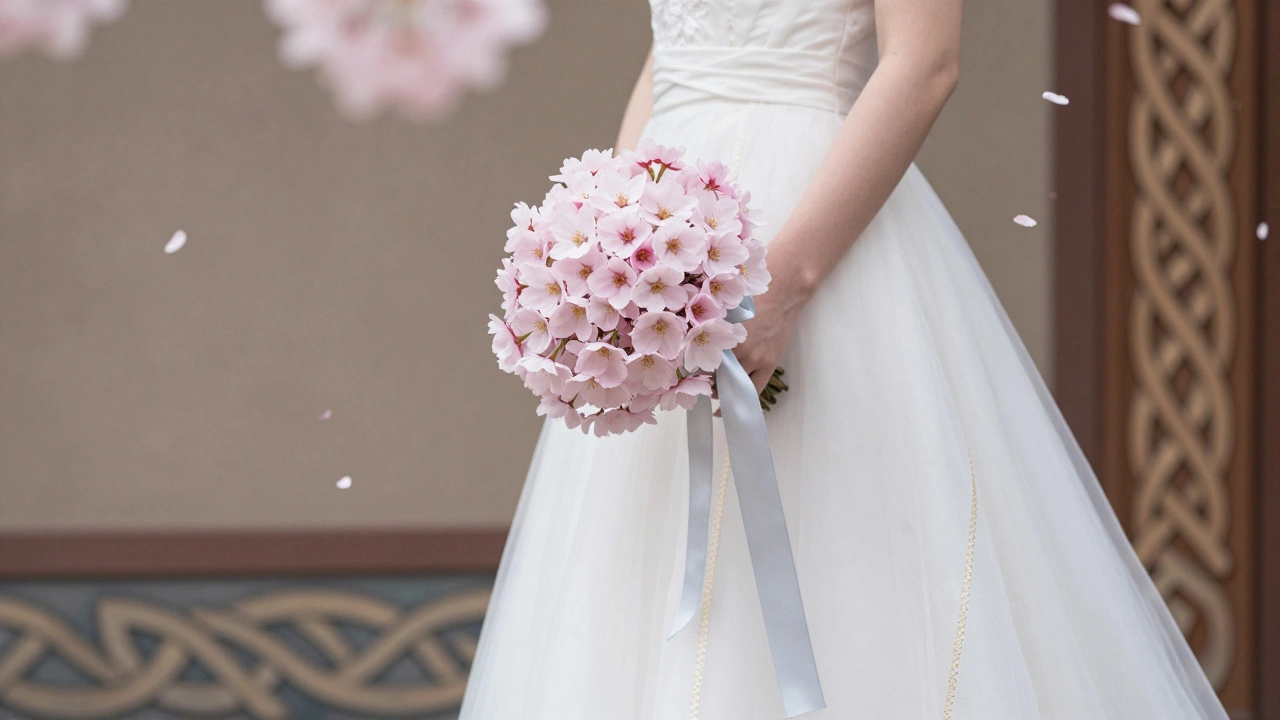
Pink is often dismissed as ‘just for girls.’ But in many cultures, it’s far more meaningful. In Japan, light pink cherry blossoms symbolize fleeting beauty and new beginnings-perfect for a wedding. In South Korea, brides sometimes wear pink hanboks to represent happiness and gentle strength. Pink isn’t about being soft-it’s about balance. It’s the color of harmony between yin and yang.
In Western weddings, blush pink has exploded in popularity. It’s not just a trend. It’s a quiet way to say: ‘I want joy without the noise.’ If you want a color that whispers luck instead of shouting it, pink fits.
Green: Growth, Renewal, and Nature’s Blessing
Green doesn’t always make the top list, but it’s quietly powerful. In Islamic traditions, green is sacred-it’s the color of paradise. Many Muslim brides incorporate green into their veils or embroidery. In Celtic weddings, green was worn to honor the earth spirits and invite abundance.
Today, eco-conscious couples are bringing green back-not just as a color, but as a value. Think moss-covered centerpieces, potted plants as favors, or bridesmaids in sage green dresses. Green says: ‘We’re starting something that will grow.’ That’s a kind of luck that lasts.
Blue: Protection and Fidelity
‘Something blue’ is part of the old rhyme, but it’s not just for show. In ancient Rome, brides wore blue to honor Juno, goddess of marriage. In medieval Europe, blue was linked to the Virgin Mary-symbolizing purity and loyalty. Even today, brides in Greece and Russia stitch blue ribbons into their gowns.
Modern couples are choosing navy or teal for their wedding palettes, not just because it’s trendy, but because it carries meaning. Blue doesn’t scream luck-it holds it. It’s steady. Reliable. A quiet promise.
Black: Misunderstood, But Powerful
Black gets a bad rap in Western weddings. But in many cultures, it’s the ultimate symbol of elegance and protection. In Spain, brides used to wear black to show they were leaving their old life behind. In parts of Scotland, brides wore black velvet with silver embroidery-dark, rich, and deeply lucky. In China, black is associated with water, which represents flow, adaptability, and wealth.
Today, black is making a comeback. A black lace gown, charcoal table runners, or even black wedding bands are statements. They say: ‘I don’t need pastels to be beautiful.’ If you’re drawn to bold, grounded energy, black might be your luckiest color.
How to Choose Your Lucky Color
There’s no universal ‘luckiest’ wedding color. But here’s how to pick one that actually works for you:
- Look at your heritage. What colors did your ancestors use in celebrations?
- Think about what you want your marriage to represent. Is it passion? Stability? Growth? Choose a color that matches.
- Don’t force a color just because it’s ‘in.’ If you hate pink, don’t use it because it’s ‘on trend.’
- Combine colors. Red and gold? Blue and silver? Luck multiplies when traditions layer.
- Test it. Lay out fabric swatches, candles, and flowers in your chosen shades. See how they feel in natural light. Luck isn’t just symbolic-it’s emotional.
Real Couples, Real Colors
Emma and Raj, from Sydney, wore deep maroon and gold. Emma’s grandmother wore the same color at her wedding in 1952. ‘It felt like she was there,’ Emma said. ‘Not just in memory-but in luck.’
Jordan and Luis chose emerald green for their beach wedding in Bali. ‘We’re both environmentalists,’ Jordan said. ‘Green wasn’t just a color. It was our promise to grow together, not just as a couple, but as people who care.’
There’s no single answer to what the luckiest wedding color is. But there’s a right one for you.
Is there one color that’s universally lucky for weddings?
No. Luck in wedding colors is deeply tied to culture, personal belief, and family history. Red is lucky in China and India, blue in parts of Europe, and black in Spain and Scotland. What matters most is what feels meaningful to you and your partner.
Can I mix lucky colors for my wedding?
Absolutely. Many cultures combine colors for layered meaning. Red and gold together in Chinese weddings signal both passion and wealth. Blue and white in Scandinavian traditions represent loyalty and clarity. Mixing colors lets you honor multiple traditions or values-making your wedding even richer in symbolism.
What if my family thinks my color choice is unlucky?
Talk to them. Often, fears about color come from old stories, not real danger. Share why you chose the color-what it means to you. You might surprise them. If they still worry, find a small way to honor their belief: a blue ribbon tucked into your bouquet, a gold pin on your veil. Small gestures can bridge traditions without forcing you to change your vision.
Are pastel colors considered lucky?
Pastels aren’t traditionally seen as lucky in most cultures, but they carry emotional weight. Blush pink stands for gentle joy in Japan and Korea. Soft blue suggests calm loyalty in the West. If your color feels right to you, it carries its own kind of luck-not from old rules, but from personal truth.
Does the season affect which color is luckiest?
Not directly. But seasons influence how colors feel. Deep reds and golds feel warm and rich in winter. Soft greens and blues feel fresh in spring. Choosing a color that matches your season helps it feel more natural-and that authenticity can make it feel luckier. Your wedding should feel like you, not like a calendar.