Wedding Bouquet Cost Calculator
Choose Your Luxury Flower
The Shenzhen Nongke Orchid is created through specialized lab cloning and takes 3 years to mature. Only 1 in 500 attempts produces a viable plant, making it one of the rarest wedding flowers in the world.
When you’re planning a wedding, every detail matters-especially the bouquet. It’s the one floral piece that travels with the bride from ceremony to reception, held in her hands through vows, photos, and first dances. But if you’re looking to make a statement that screams luxury, nothing beats the most expensive flower in the world for bouquets: the Shenzhen Nongke Orchid.
Why the Shenzhen Nongke Orchid Costs More Than a Car
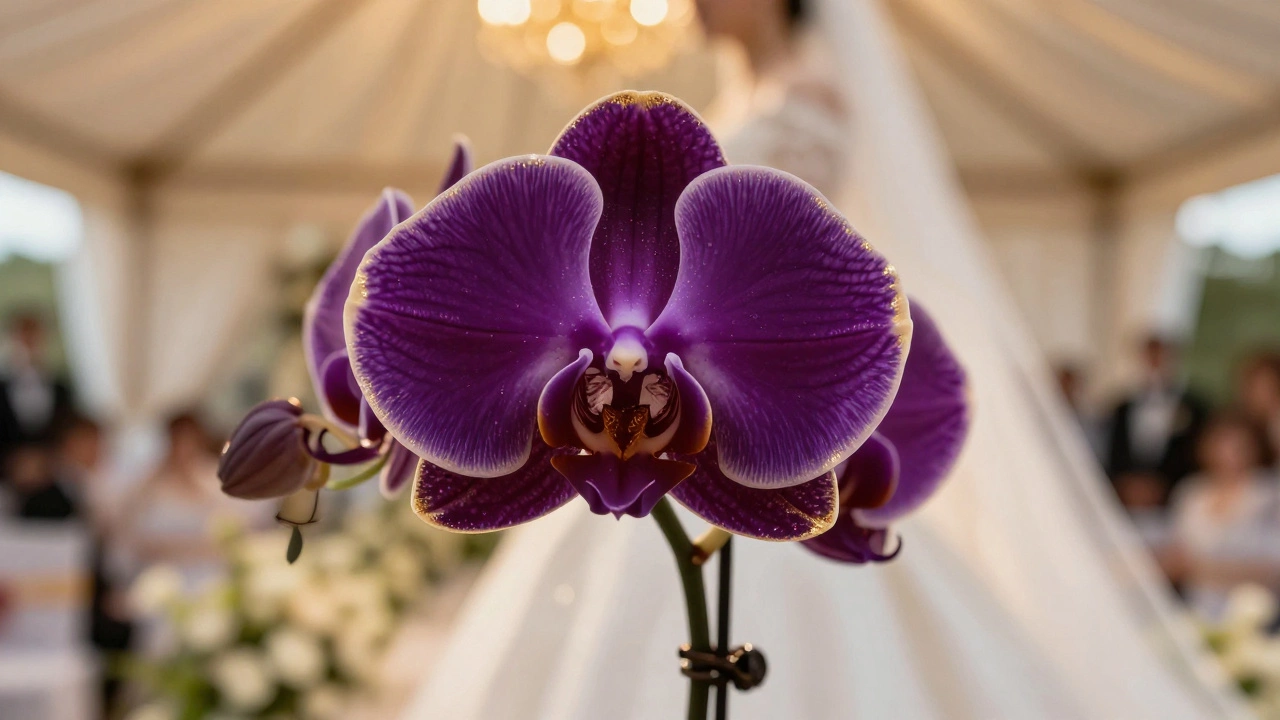
This isn’t just any orchid. The Shenzhen Nongke Orchid was created in a lab over eight years by Chinese scientists at Shenzhen University. They crossed two rare orchid species, Dendrobium and Cymbidium, using tissue culture and genetic manipulation. The result? A bloom that flowers only once every few years, lasts up to 20 days in full bloom, and has a deep, velvety purple hue with gold-edged petals that shimmer under light.
It sold at auction in 2005 for $202,000 per plant. Today, individual blooms are still priced between $5,000 and $15,000 each, depending on size and condition. That’s more than a luxury wedding dress. Most florists won’t even carry it-only a handful of high-end floral designers in New York, London, and Tokyo have ever worked with it, and only for ultra-luxury weddings.
What Makes This Flower So Rare?
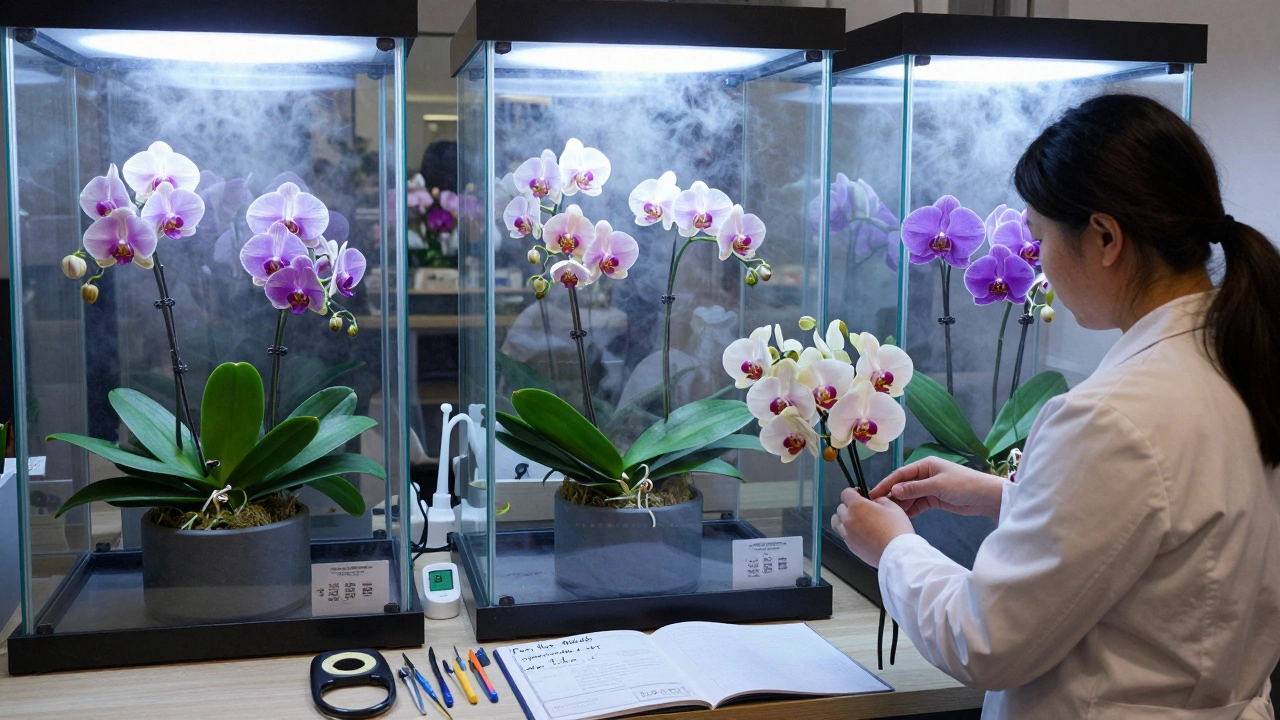
Unlike common roses or lilies, the Shenzhen Nongke Orchid can’t be grown from seed. It must be cloned in sterile labs using micropropagation. Even then, only 1 out of every 500 attempts produces a viable plant. The plant takes three full years to mature before it even thinks about blooming. And when it does? It releases a faint, sweet scent that’s been compared to jasmine and vanilla-but only for 48 hours. After that, the bloom begins to fade.
Because of its fragility, transporting it requires climate-controlled cases, humidity monitors, and handlers trained in orchid preservation. One wedding in Dubai in 2023 used three of these blooms in a bride’s bouquet. The total cost? $47,000. The florist had to fly in a specialist from Singapore to install it just hours before the ceremony.
Other High-End Flowers That Come Close
While the Shenzhen Nongke Orchid holds the record, there are other blooms that command serious prices in luxury weddings:
- Golden Orchid (Paphiopedilum rothschildianum) - Known as the "Queen of Orchids," this wild orchid grows only in the rainforests of Borneo. It’s protected by international law. A single bloom can cost $5,000-$8,000. It’s often used as a single accent in bridal bouquets.
- Gladiolus ‘Black Prince’ - Not a true black flower, but a deep burgundy so dark it looks like velvet. It’s extremely hard to grow in large quantities. Wedding florists charge $150-$250 per stem for this one.
- Peony ‘Sarah Bernhardt’ - The most sought-after peony in bridal design. A single large bloom can cost $10-$15, but for a full bouquet of 15 stems? That’s $200-$300. In peak season (May-June), prices jump 40%.
- Lotus Flower (Nelumbo nucifera) - Used in Asian luxury weddings, especially for symbolic meaning. Fresh, floating lotus blooms are imported from Thailand or Vietnam. Each costs $80-$120, and they must be delivered the same day they’re picked.
For context, a standard bridal bouquet with 20 roses and eucalyptus runs $150-$300. A bouquet with the Shenzhen Nongke Orchid costs more than 100 times that.
Is It Worth the Price?
For most couples? No. The Shenzhen Nongke Orchid is more art piece than flower. It doesn’t smell strongly. It can’t be replanted. And if it wilts before the reception? There’s no replacement. It’s a one-time, high-risk investment.
But for the right couple-a billionaire’s daughter, a celebrity wedding, or a cultural event where symbolism outweighs practicality-it’s unmatched. In 2022, a Japanese heiress used a single Shenzhen Nongke bloom in her bouquet as a tribute to her late mother, who was a botanist. The bouquet was later donated to a Tokyo botanical museum.
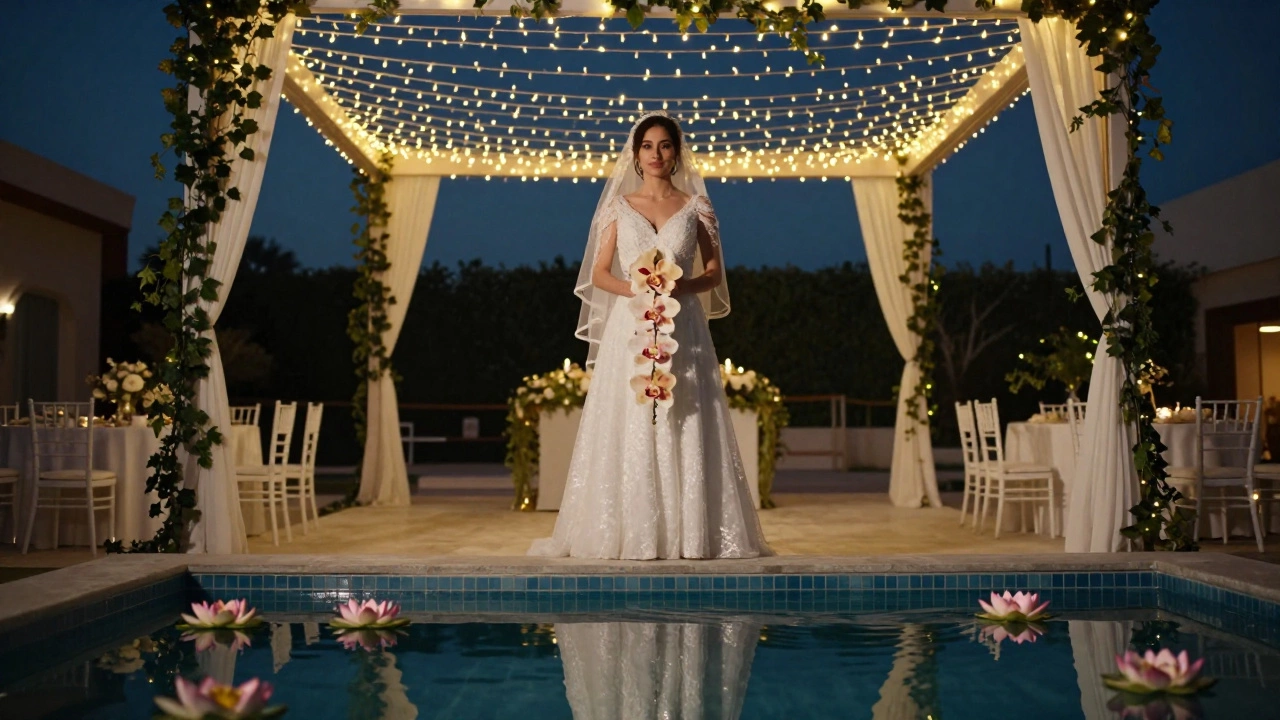
For the rest of us? There are stunning, luxurious alternatives that don’t require a second mortgage. A bouquet of white peonies, garden roses, and trailing ivy can look just as elegant, feel just as romantic, and cost a fraction of the price.
How to Spot a Fake Luxury Flower
With prices this high, fakes exist. Some florists will sell dyed white orchids and call them "rare." Others use silk replicas with LED lights to mimic the shimmer. Here’s how to tell the real thing:
- Check the stem: Real Shenzhen Nongke stems are thick, dark green, and slightly waxy. Fake ones are thin and brittle.
- Look at the color: True blooms have a natural gradient-darker purple at the base, fading to a soft lavender at the edges. Dyes create flat, even color.
- Ask for documentation: Reputable florists will provide a certificate of authenticity, including the grower’s name, batch number, and lab origin.
- Smell it: If it smells like perfume, it’s fake. Real blooms have a faint, natural scent.
What You Should Actually Spend On
If you want luxury without the risk, focus on these three things:
- Seasonality - Peonies in May, ranunculus in April, dahlias in September. Flowers in season cost less and look fresher.
- Texture - Mix soft petals (roses) with structural elements (anemones, proteas) to create depth and movement.
- Greenery - Eucalyptus, ferns, and olive branches add elegance without adding cost.
A bouquet with 12 garden roses, 8 ranunculus, 5 proteas, and trailing ivy can cost $600-$800. It’s still luxurious. It’s still unforgettable. And it won’t require a team of scientists to keep alive.
Final Thought: Beauty Isn’t Just About Price
The most expensive flower in the world doesn’t make the most beautiful bouquet. Beauty comes from meaning. From the way the petals catch the light as you walk down the aisle. From the scent that lingers on your dress hours later. From the fact that your florist knew exactly how to arrange them so they looked like they were growing naturally in your hands.
Choose flowers that speak to you-not the ones that cost the most. Because when you look back at your wedding photos years from now, you won’t remember the price tag. You’ll remember how it felt to hold them.
What is the most expensive flower in the world for weddings?
The most expensive flower used in wedding bouquets is the Shenzhen Nongke Orchid. Created in a Chinese lab after eight years of research, a single bloom can cost between $5,000 and $15,000. Only a few florists worldwide have ever worked with it, and it’s typically used for one-of-a-kind luxury weddings.
Why is the Shenzhen Nongke Orchid so expensive?
It’s expensive because it’s nearly impossible to grow. The plant takes three years to mature, blooms only once every few years, and must be cloned in sterile labs. Only 1 in 500 attempts succeeds. It also requires special climate-controlled transport and handling, making it extremely rare and high-risk.
Are there cheaper alternatives that look just as luxurious?
Yes. Peonies, garden roses, ranunculus, and proteas offer rich texture and fullness at a fraction of the cost. A bouquet with 12 garden roses, 8 ranunculus, and trailing greenery can cost $600-$800 and look just as elegant as a $10,000 orchid bouquet.
Can you buy the Shenzhen Nongke Orchid online?
No, not legitimately. Any website selling "Shenzhen Nongke Orchids" online is either selling silk replicas or dyed orchids. The real flower is only available through a handful of elite florists who work directly with the lab in China. It’s never shipped by standard couriers.
How long does a Shenzhen Nongke Orchid last in a bouquet?
In ideal conditions-cool temperature, high humidity, no direct sunlight-it lasts 18 to 20 days. But in a wedding setting, with body heat and movement, it typically lasts 6 to 8 hours before starting to fade. That’s why it’s usually added to the bouquet just before the ceremony.