Wedding Shoe Game Question Builder
Select the number of questions you want to play (recommended: 10-15). Then generate a curated list mixing easy wins with spicy mismatches.
Curating the perfect mix...
Your Curated Question List
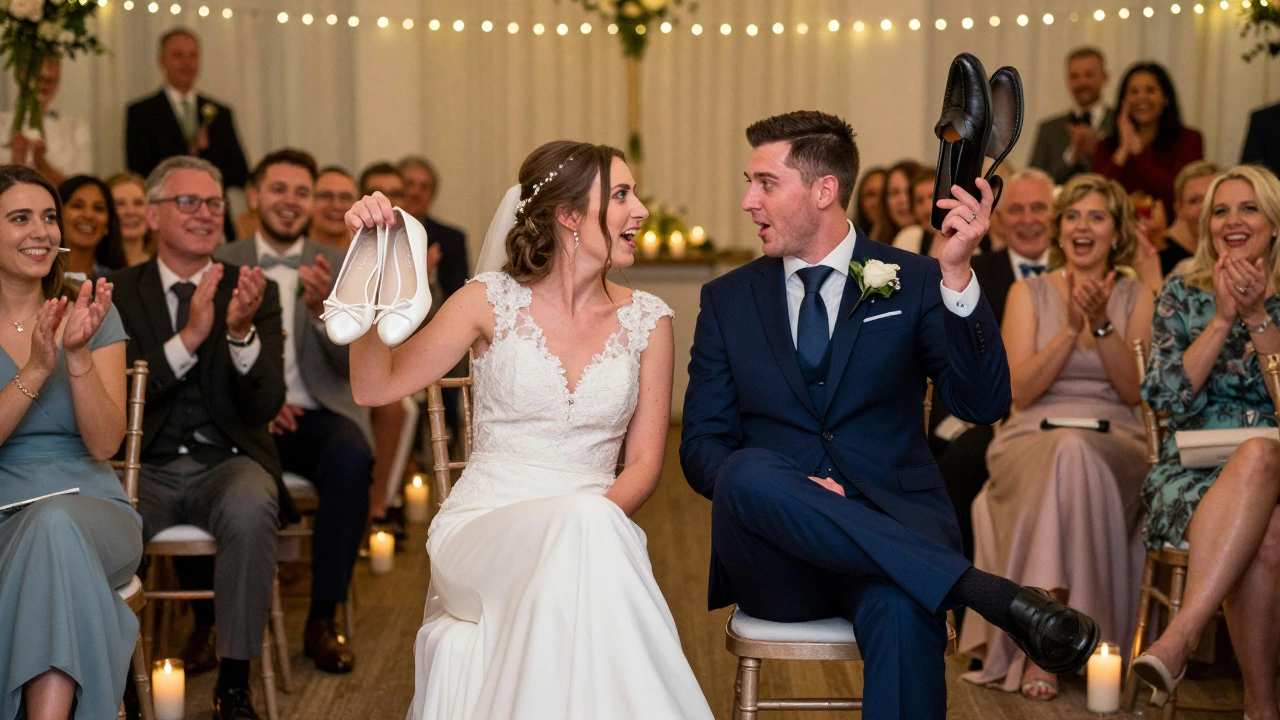
Imagine your guests cheering not just for a dance move, but because they correctly guessed that you two once got lost in a car rental in Bali. That’s the magic of the wedding shoe game is a popular interactive reception activity where the bride and groom answer questions about their relationship while holding up one of two pairs of shoes to indicate whose preference it was. It turns passive attendees into active participants, breaking the ice and revealing funny stories you might have forgotten.
This isn’t just a random party trick; it’s become a staple at modern weddings because it requires zero skill from the couple, minimal setup, and generates genuine laughter. Whether you’re planning a small intimate gathering or a large hall event, this game fits almost any vibe. Here’s everything you need to know to pull it off without the awkward silences.
How the Wedding Shoe Game Actually Works
The mechanics are simple, which is why it works so well. You sit on stage with two pairs of shoes: one pair belonging to the bride, the other to the groom. The MC or an emcee asks a question like "Who has the messier bathroom?" Both partners hold up the corresponding shoe simultaneously. If they match, the crowd cheers. If they don’t, the tension (and comedy) spikes.
Here is the standard flow:
- Setup: Place a chair for each partner on stage. Ensure the shoes are visible to the audience.
- Questioning: The host reads a question. It should be clear and unambiguous.
- Answering: On the count of three, both partners raise the shoe representing who the answer applies to (e.g., Bride's shoe if she is the messy one).
- Reveal: The host confirms if they matched. A brief explanation or story often follows here, adding depth to the moment.
The key is speed. Hesitation kills the momentum. Practice with your partner beforehand so you know your instincts align-or intentionally disagree for dramatic effect.
Why This Game Beats Traditional Trivia
You’ve probably seen couples try to play "Guess Who" or general knowledge quizzes. Those often fall flat because they test facts rather than personality. The shoe game tests compatibility. It highlights the quirks that make your relationship unique. For example, knowing that your partner is the one who always forgets the birthday vs. the one who remembers every anniversary gift is more relatable to guests than knowing the capital of France.
It also serves a dual purpose: entertainment and storytelling. When a mismatch happens, it’s a perfect segue for a short anecdote. "We actually fought about this last week," you might say, turning a simple game into a memory lane trip for the room.
Curating the Perfect Question List
Your success depends entirely on the questions. Avoid anything too personal or controversial. Stick to lighthearted, observational queries. Here are categories that work best:
- Daily Habits: Who wakes up first? Who leaves dishes in the sink longer?
- Tastes: Who eats spicy food better? Who prefers sweet over savory?
- Money & Shopping: Who spends more on clothes? Who checks the bank account daily?
- Travel: Who packs light? Who gets motion sick?
- Funny Fails: Who broke something recently? Who had the worst haircut?
Aim for 10 to 15 questions. Any more, and the energy dips. Any fewer, and it feels rushed. Mix easy wins (where you definitely agree) with tricky ones (where you might genuinely differ) to keep the suspense alive.
Logistics: Making It Run Smoothly
Even the best game fails if the logistics are sloppy. Here’s what to check before the big day:
| Item | Detail | Why It Matters |
|---|---|---|
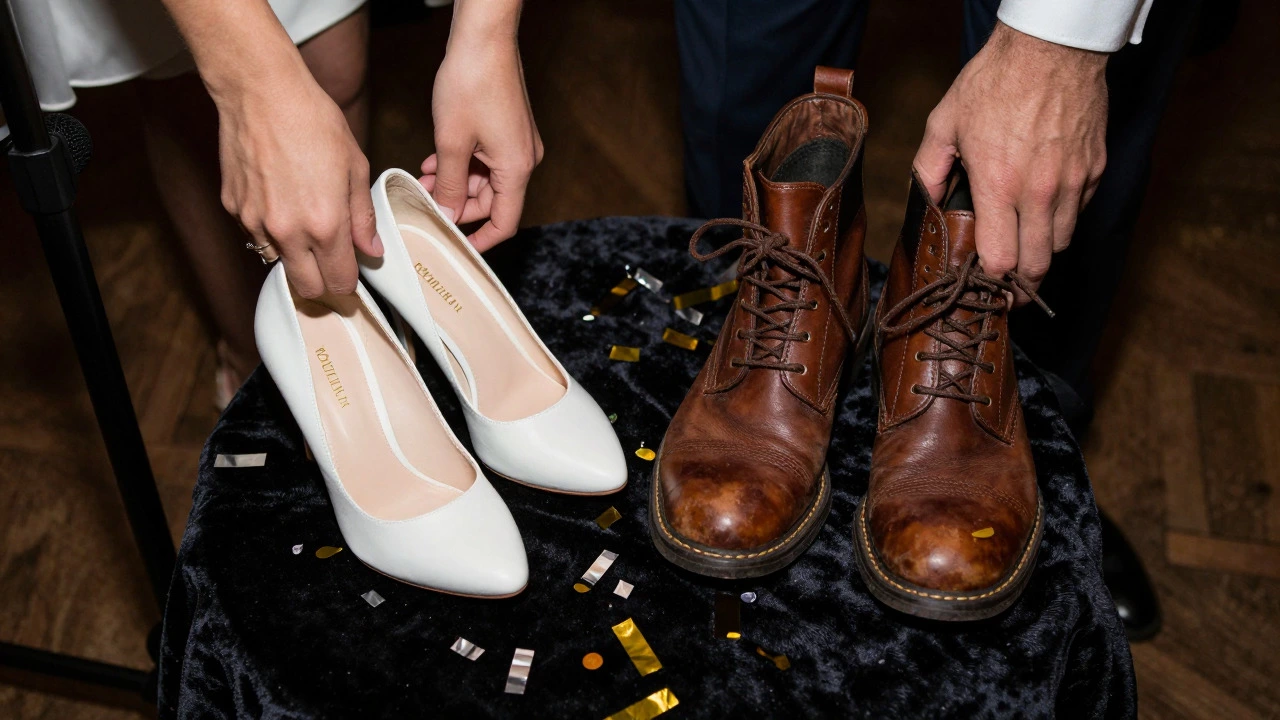
| Shoes | Use distinct, comfortable flats or sneakers. Avoid heels if standing/sitting is unstable. | Visibility and comfort prevent fumbling during answers. |
| Microphone | Ensure the MC has a working mic. Consider handheld mics for the couple if they plan to comment. | Clear audio keeps distant guests engaged. |
| Timing | Schedule for 15-20 minutes max. Place after dinner, before dancing. | Guests are alert but relaxed. Energy is high for transition to dancing. |
| Backup Plan | If one partner is shy, let them nod instead of raising shoes initially. | Reduces anxiety and ensures participation. |
Don’t forget to brief your MC. They need to know when to pause for laughs and when to move quickly. A good MC can turn a boring question into a highlight reel by reacting to the couple’s expressions.
Common Mistakes to Avoid
Many couples think they need to prepare perfectly. In reality, perfection is boring. Here are the pitfalls that ruin the fun:
- Over-rehearsing: If you memorize the answers, it looks staged. Trust your gut.
- Too many questions: Fifteen is plenty. Twenty-five will bore half the room.
- Negative framing: Instead of "Who is lazier?", ask "Who relaxes more on weekends?" Keep it positive.
- Ignoring the audience: Make eye contact with guests, not just each other. Invite them to guess before you reveal.
Also, avoid questions that require deep context. If only your parents understand the reference, the rest of the room will zone out. Keep it universal.
Customizing for Different Vibes
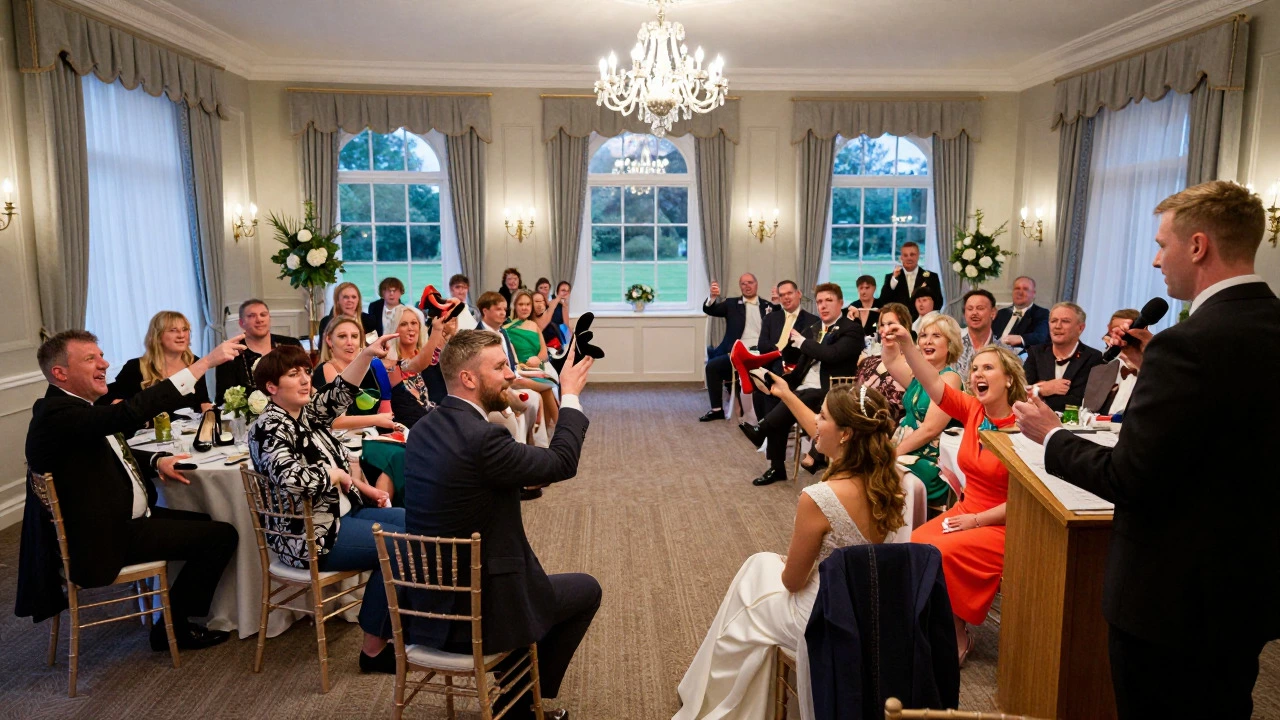
The shoe game is versatile. For a formal black-tie event, keep the questions elegant and brief. For a backyard barbecue wedding, go wild with inside jokes and physical comedy. If you’re having a destination wedding, include travel-related questions that resonate with the location.
Some couples add a twist: they give small prizes to guests who predict the outcome correctly. This boosts engagement significantly. A simple chocolate bar or a bottle of wine goes a long way in getting people leaning forward in their seats.
When to Include It in Your Timeline
Timing is everything. The ideal slot is right after the main meal and speeches, but before the first dance. Why? Because guests are fed, happy, and ready for entertainment. If you do it too early, they’re still digesting. Too late, and they’re tired or already on the dance floor.
Coordinate with your photographer. They’ll want shots of the reactions-especially the mismatches. Tell them exactly when the game starts so they can position themselves for the best angles.
Final Thoughts on Making It Memorable
The wedding shoe game isn’t about winning. It’s about celebrating the little things that make your partnership work. It shows your guests that you’re comfortable being imperfect together. And that’s a powerful message to send on your wedding day.
Keep it light, keep it short, and keep it real. Your guests will remember the laugh, not the specific question. So pick the ones that make *you* smile, and let the rest unfold naturally.
Do we need to buy special shoes for the game?
No. Use the shoes you’re actually wearing or a separate pair of comfortable flats. They just need to be distinguishable from each other (e.g., white vs. black). Comfort is key since you’ll be holding them up repeatedly.
How long does the game usually take?
Plan for 15 to 20 minutes. With 12-15 questions, allowing time for reveals and brief comments, this keeps the pace energetic without dragging on.
What if we disagree on an answer?
That’s the fun part! Mismatches create drama and laughter. Don’t worry about being wrong. Just hold up your honest instinct. The MC can facilitate a quick debate if needed.
Can we use this game for engagements or anniversaries?
Absolutely. It works for any couple celebration. Adjust the questions to fit the length of your relationship. For anniversaries, focus on recent memories or changes in your dynamic.
Who should ask the questions?
Your MC, DJ, or a confident friend/family member. If you don’t have a professional MC, assign someone who knows how to read the room and keep the energy up. Avoid shy individuals unless they’re very close to you.