Wedding Cake Coating Selector
Answer these questions to find the perfect coating for your wedding cake. We'll analyze your preferences for taste, aesthetics, and environment.
You’re standing in front of a bakery display case or scrolling through Instagram, trying to figure out what the smooth, glossy white coating on that stunning tiered cake actually is. It looks like paint, it feels like clay, and it tastes... well, that depends entirely on who made it. The question "what is wedding cake icing called" seems simple, but the answer is tricky because there isn't just one thing. In the professional baking world, we don’t usually use the word "icing" as a catch-all term. Instead, we talk about specific types of coatings, each with its own name, texture, and purpose.
If you are planning your wedding, understanding these differences saves you from ordering something you hate. You might love the look of a crisp, perfect square but realize halfway through the reception that you can’t stand the taste of sugar paste. Or maybe you want a rustic, homemade feel but worry it won’t hold up in the Sydney heat. Let’s break down exactly what those coatings are, so you can tell your baker exactly what you want without speaking their secret language.
The Big Three: Buttercream, Fondant, and Royal Icing
Most people think there are two options: creamy stuff or hard stuff. That’s an oversimplification. There are three primary categories used for wedding cakes, and they serve different jobs. Knowing the names helps you communicate with your cake maker.
Buttercream is a sweet, fluffy frosting made primarily from creamed butter and sugar, often stabilized with egg whites or meringue powder. It’s the most popular choice for modern weddings because it tastes like actual food rather than pure sugar. Unlike the old-school crumbly frostings, modern Swiss or Italian meringue buttercreams are silky, stable, and not overly sweet.
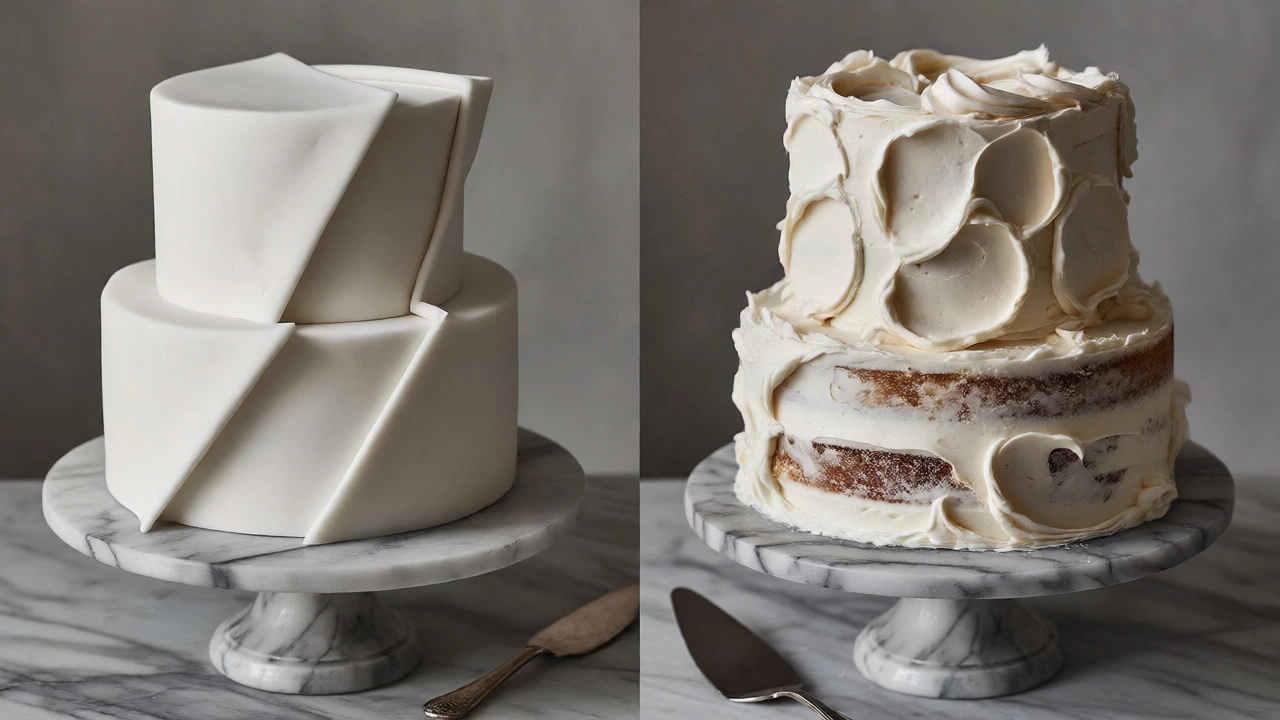
Then there is Fondant, which is a pliable sugar paste made from sugar, water, gelatin, glycerin, and glucose syrup. When people ask "what is wedding cake icing called," they are almost always referring to fondant if the cake looks perfectly smooth and matte. It rolls out like dough and drapes over the cake like fabric. It’s great for structure but controversial for taste.
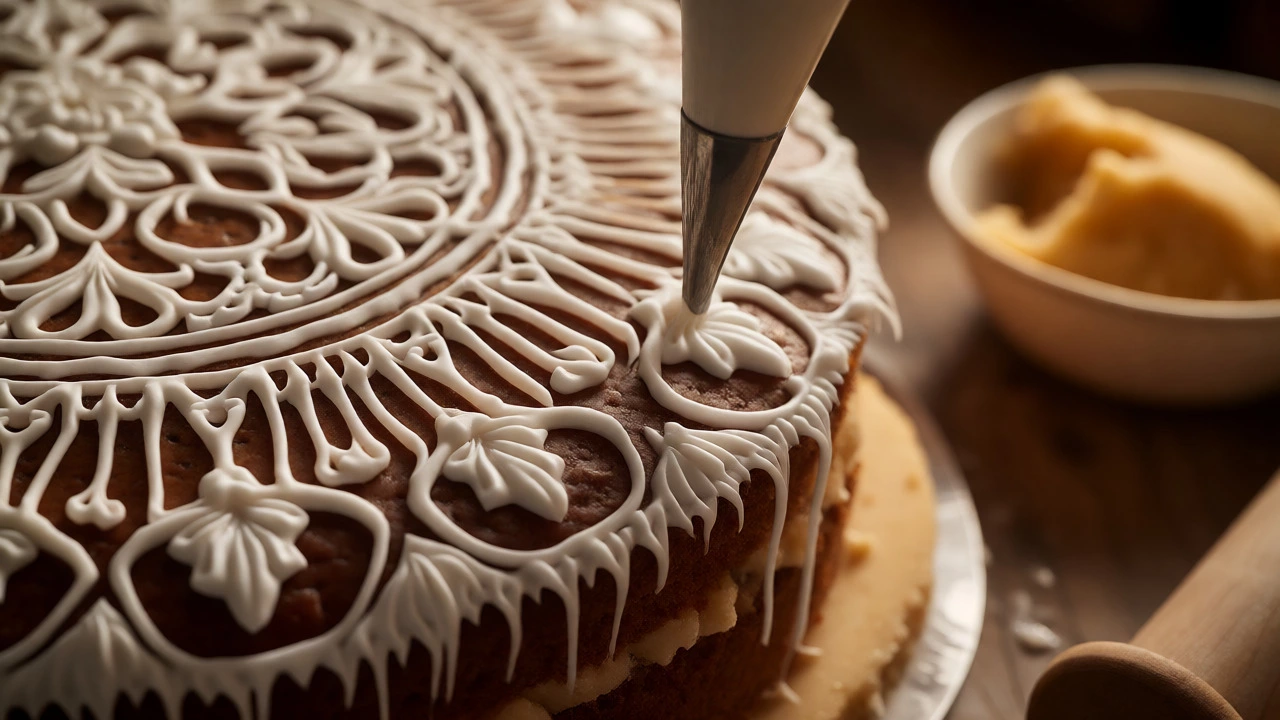
Finally, we have Royal Icing, defined as a hard-drying icing made from whipped egg whites (or meringue powder) and powdered sugar. This isn’t typically used to cover the whole cake. It’s the glue that holds decorations together and creates sharp, piped details that dry rock-hard.
Why Do Bakers Use Different Names?
It’s not just pedantry. The terminology tells you how the cake will behave. If you ask for "icing," a baker might give you a thin glaze that drips off. If you ask for "frosting," they might give you a thick, messy layer. But if you ask for "Swiss Meringue Buttercream," they know you want stability and elegance. If you ask for "Fondant," they know you want a sculptural, clean finish.
Here is a quick breakdown of the main types you’ll encounter:
| Type | Main Ingredients | Texture & Taste | Best For |
|---|---|---|---|
| American Buttercream | Butter, powdered sugar, milk/cream | Sweet, dense, slightly gritty | Casual weddings, budget-friendly options |
| Swiss/Italian Meringue Buttercream | Egg whites, sugar, hot syrup/butter | Silky, less sweet, stable | Modern elegant designs, warm weather |
| Fondant | Sugar, gelatin, glycerin, gum tragacanth | Chewy, very sweet, neutral flavor | Intricate shapes, tall tiers, photo-ready finishes |
| Royal Icing | Meringue powder, powdered sugar, water | Hard, brittle, extremely sweet | Piping flowers, lace work, structural support |
| Ganache | Chocolate, heavy cream | Rich, glossy, firm when set | Drip cakes, chocolate lovers, rich flavors |
Fondant: The Smooth Operator
Let’s address the elephant in the room. Many guests peel off the outer layer of a wedding cake before eating it. Why? Because traditional fondant has a reputation for tasting like cardboard wrapped in sugar. But here’s the thing: high-quality fondant shouldn’t taste bad. It should be mild. The issue usually arises when cheap, mass-produced fondant is used, or when the baker applies it too thickly.
So, why do bakers still use it? Structure. If you want a three-tier cake that stands perfectly straight under the weight of itself and decorations, fondant provides a rigid shell. It protects the cake underneath from drying out and allows for intricate piping, ruffles, or smooth, minimalist aesthetics that buttercream simply can’t achieve without looking wobbly.
If you choose fondant, ask your baker about the brand. Some premium brands incorporate real vanilla bean or almond extract into the paste itself, making it edible and enjoyable. Also, consider a "fondant-covered buttercream" approach. This means the cake is coated in buttercream first, then covered in fondant. This adds moisture and flavor between the sponge and the sugar shell, solving the dryness complaint.
Buttercream: The Crowd Pleaser
If you want your guests to actually eat the cake, go with buttercream. Specifically, ask for Swiss Meringue Buttercream or Italian Meringue Buttercream. These are made by cooking sugar syrup into egg whites before whipping in butter. The result is a frosting that is incredibly smooth, stable at room temperature, and significantly less sweet than American buttercream.
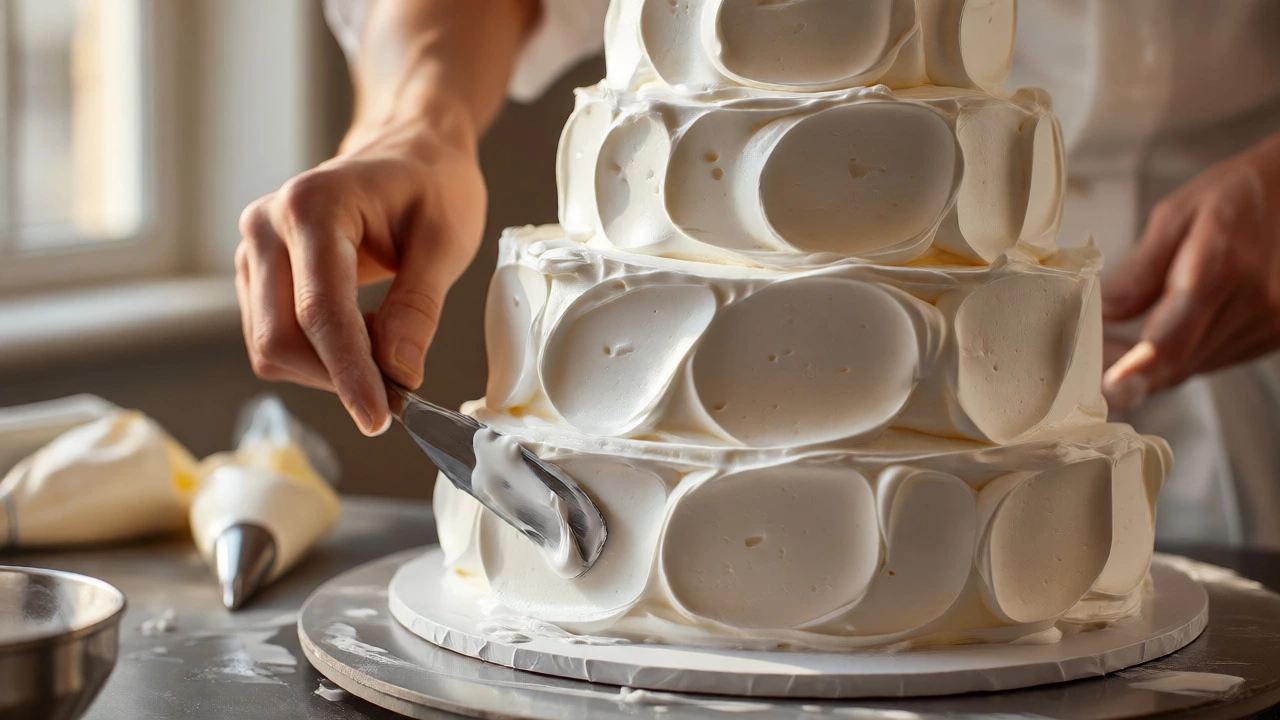
Buttercream allows for more artistic freedom in terms of texture. You can get a "semi-naked" look where the cake layers show through, or a heavily textured, rustic finish with spatula strokes. It feels more organic and handmade. However, it requires care. Buttercream melts. If your wedding is outdoors in February in Australia, you need shade or refrigeration until the last possible moment. If you’re in a hot venue, Italian meringue is generally more heat-stable than Swiss.
One common misconception is that buttercream cakes look "messy." Not true. A skilled decorator can create razor-sharp edges and perfectly smooth sides with buttercream. It just takes more skill and time than rolling out fondant. Expect to pay a bit more for labor if you want a flawless buttercream finish compared to a standard fondant job.
Royal Icing and Other Specialized Coatings
You rarely see a whole cake covered in royal icing today unless it’s a traditional fruitcake style, which is common in the UK and some Australian traditions. Royal icing dries completely hard. It’s excellent for piping detailed borders, monograms, or delicate floral patterns that need to hold their shape.
Another rising star is Ganache. This is essentially melted chocolate mixed with cream. When cooled, it becomes a firm, glossy coating. It’s fantastic for "drip cakes" where the ganache runs down the sides. It’s also sturdy enough to support heavy decorations. If you love chocolate, this is a delicious alternative to sugar-heavy icings. Just note that ganache can seize or crack if handled too roughly during transport, so find a baker experienced with it.
There’s also Marzipan. In traditional British-style wedding cakes, the fruitcake is often covered in a layer of marzipan (almond paste) before being covered in royal icing. Marzipan adds moisture and a distinct almond flavor. It’s not common for light sponge cakes, but if you’re going for a classic, old-world vibe, this is the layer you’re looking for.
How to Choose the Right Coating for Your Wedding
Don’t just pick based on photos. Consider these factors:
- Venue Temperature: Is your ceremony indoors with AC? Or outdoors in summer? Buttercream struggles in direct sun. Fondant holds up better but can sweat in humidity.
- Guest Demographics: Are your guests adventurous eaters or traditionalists? Older relatives might prefer the familiarity of fondant on fruitcake; younger crowds often prefer buttercream on sponge.
- Budget: Fondant is cheaper in material cost but higher in labor. Buttercream is more expensive in ingredients (butter!) but faster to apply if you like a textured look. Intricate fondant designs cost the most.
- Design Style: Want geometric, sharp, modern lines? Fondant is your friend. Want boho, rustic, flowery vibes? Buttercream shines.
Here’s a pro tip: Ask for a tasting session that includes the coating. Don’t just taste the cake layers. Taste the buttercream alone. Taste the fondant alone. See if you can tolerate them. Many couples decide against fondant after tasting it raw. If you hate it, negotiate with your baker. Can they make the fondant thinner? Can they offer a hybrid model where only the top tier is fondant and the rest is buttercream?
Common Myths About Wedding Cake Icing
Myth 1: Fondant is inedible. False. It’s edible, just dense. Think of it like a thick candy bar wrapper. If you enjoy sweets, you’ll be fine. If you don’t, skip it.
Myth 2: Buttercream cakes collapse easily. Not if they’re built correctly. Professional bakers use dowels and board separators inside the tiers. The exterior coating doesn’t determine structural integrity; the internal engineering does.
Myth 3: All white cakes are covered in fondant. No. White buttercream exists. It’s just harder to keep pristine white because butter has a yellow tint. Bakers use titanium dioxide or shortening blends to whiten it, but it may look slightly creamier than fondant.
Final Thoughts on Terminology
Next time you’re chatting with a baker, drop the word "icing" and use the specific names. Say, "I’m interested in a Swiss Meringue Buttercream finish," or "Can we discuss a thin coat of fondant?" You’ll instantly sound like you know what you’re talking about, and they’ll respect your input more. Remember, the best coating is the one that matches your design vision and your palate. Whether it’s the smooth perfection of fondant or the rich comfort of buttercream, make sure you taste it first. Your wedding day is long, and you deserve a cake that tastes as good as it looks.
Is fondant the same as icing?
No, they are different products. Icing is typically a thin, liquid-based glaze made from sugar and liquid that sets hard or semi-soft. Fondant is a thick, pliable sugar paste that can be rolled out and draped over a cake. While both are used for decoration, fondant is used for covering entire cakes smoothly, while icing is often used for detailing or glazing.
Which tastes better, buttercream or fondant?
Generally, buttercream is considered to taste better because it contains butter and eggs, providing richness and flavor. Fondant is mostly sugar and has a neutral, sometimes chewy texture that many people dislike. However, high-quality flavored fondants exist, and some people prefer the sweetness of fondant over the greasiness of buttercream.
Can I have a buttercream cake that looks like fondant?
Yes, but it requires a highly skilled decorator. Achieving perfectly smooth, sharp edges with buttercream is difficult and time-consuming. It often costs more than a standard fondant cake due to the extra labor involved. It may also have a slight sheen rather than the matte finish of fondant.
What is royal icing used for on wedding cakes?
Royal icing is rarely used to cover an entire cake today. It is primarily used for piping intricate designs, creating lace effects, attaching sugar flowers, or sealing the seams between cake layers. It dries very hard, making it ideal for decorative elements that need to hold their shape.
Does fondant melt in hot weather?
Fondant does not melt like buttercream, but it can become sticky and lose its shape in high humidity. It may also develop condensation droplets if moved from a cold fridge to a warm room. It is structurally more stable than buttercream in heat but vulnerable to moisture.