Wedding Cake Style & Flavor Matcher
Answer three simple questions to get a personalized recommendation for your wedding cake style and flavor profile.
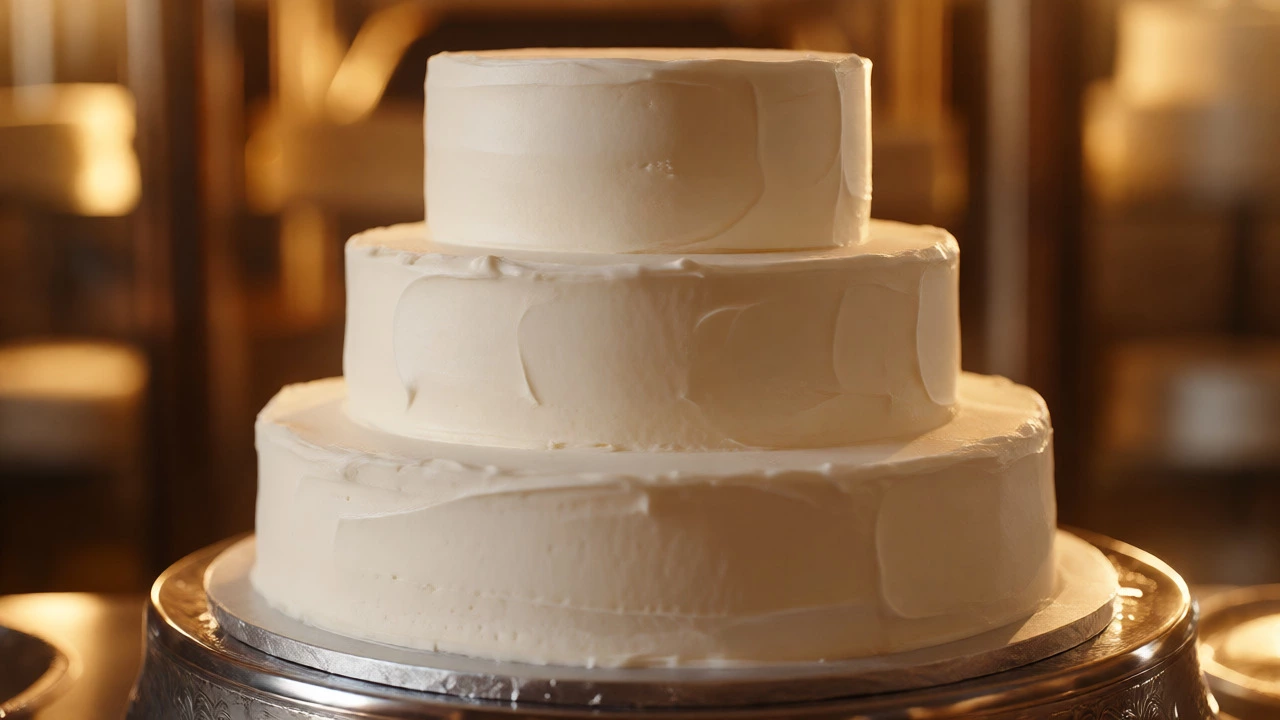
You walk into a bakery or scroll through Instagram, and suddenly you are drowning in options. Naked cakes, drip cakes, fondant masterpieces, floral towers. It’s overwhelming. But if you look at the data from thousands of weddings globally, one style consistently dominates. The answer isn't as complicated as you might think. Traditional Tiered Cakes with smooth buttercream or fondant icing remain the most common choice for modern weddings. Why? Because they offer the perfect balance of elegance, structural integrity, and flavor versatility.
But knowing "what is most popular" doesn't mean it's what you should choose. Your wedding cake needs to fit your venue, your budget, and your guests' tastes. Let’s break down exactly why certain cakes win every time, what the alternatives look like, and how to pick the right one without getting stuck in decision paralysis.
The Undisputed Champion: Traditional Tiered Cakes
If you had to guess what sits on the head table at 60% of weddings, you’d be right guessing a classic tiered structure. This isn't just about tradition; it's about physics and presentation. A Tiered Cake consists of multiple circular layers stacked vertically, usually supported by dowels inside each layer to prevent collapse. This design creates height and drama without requiring exotic ingredients.
Why do couples keep choosing this? First, it photographs beautifully. Vertical lines draw the eye upward, making the cake look grander than its actual volume. Second, it allows for distinct flavors per tier. You can have chocolate on the bottom, vanilla in the middle, and lemon on top. Guests get variety without the baker needing to create separate desserts.
The finish matters more than people realize. You generally have two main choices here:
- Buttercream: Soft, matte, and forgiving. It hides imperfections well and tastes better than most fondant. Modern trends favor "semi-naked" or textured buttercream looks.
- Fondant: Smooth, glossy, and sculptable. It holds sharp edges and intricate designs but can taste waxy if not made with high-quality sugar paste. Best for structured, architectural cakes.
Beyond the Classic: Other Dominant Styles
While tiered cakes rule, they aren't the only game in town. Depending on your region and aesthetic, other styles hold significant market share. Understanding these helps you see where you fit in the landscape.
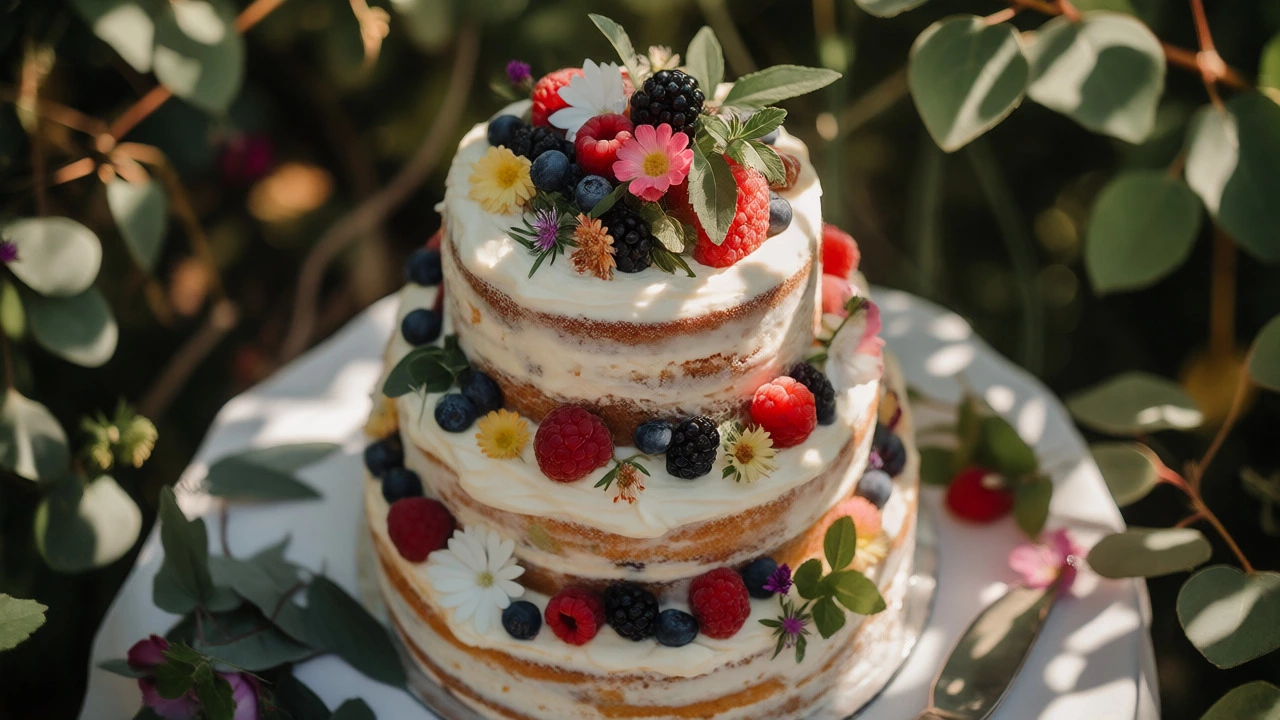
Naked Cakes are a type of semi-finished cake where the sides are left exposed, showing the sponge layers and filling. These exploded in popularity around 2015 and haven't gone away. They work best for rustic, outdoor, or boho-themed weddings. The lack of heavy icing means the cake dries out faster, so they must be served within hours of cutting. If your reception is long, naked cakes can become crumbly.
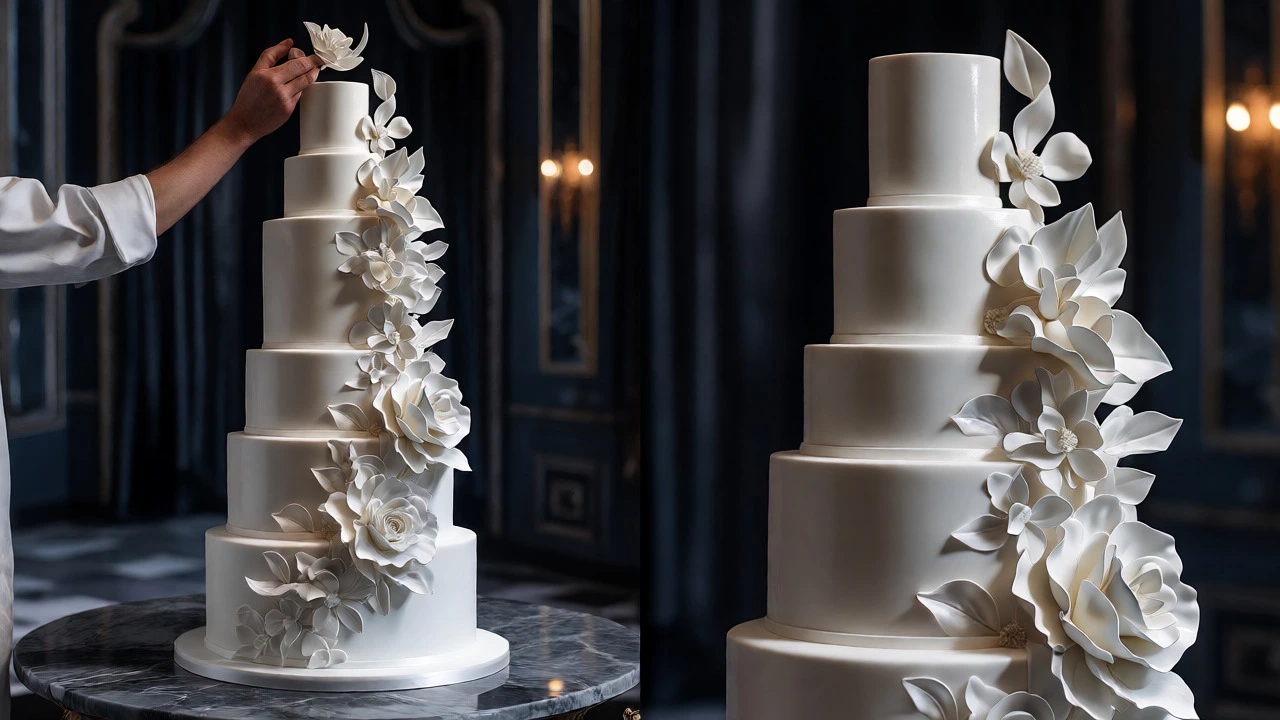
On the opposite end of the spectrum are Sculptural Cakes, which use fondant and modeling chocolate to create 3D shapes resembling flowers, animals, or objects. These are less about eating and more about being a centerpiece. They often require a dummy cake (styrofoam) for the top tiers to save cost and weight. Only the bottom tier is real cake. This is a smart hack if you want the "wow" factor without paying for ten pounds of extra sponge.
Flavor Profiles That Actually Sell
Style gets the photos, but flavor gets the compliments. What do people actually eat? Data from major catering associations shows that while vanilla is safe, it's rarely the star. Couples want something memorable but not polarizing.
| Flavor Profile | Popularity Rank | Best Paired With | Risk Factor |
|---|---|---|---|
| Vanilla Bean & Raspberry | High | Classic Buttercream | Low - Crowd pleaser |
| Lemon & Elderflower | Medium-High | Spring Weddings | Medium - Can be tart |
| Dark Chocolate & Salted Caramel | Medium-High | Drip Icing | Low - Rich but familiar |
| Red Velvet | Medium | Cream Cheese Frosting | Medium - Can be dry |
| Champagne | Low-Medium | White Fondant | High - Flavor often lost |
Notice that Vanilla Bean & Raspberry tops the list. Why? It provides contrast. The richness of vanilla cuts through the acidity of raspberry jam. It feels sophisticated but tastes like home baking. Avoid overly experimental flavors like lavender or matcha unless your guest list shares those tastes. Grandma probably wants cake, not tea.
Structural Integrity and Logistics
Here is the part no one tells you: wedding cakes are engineering projects. The prettier the cake, the harder it is to move. A five-tier fondant cake weighs over 40 kilograms. Moving it requires a specialized vehicle and a team of two. If you live in Sydney, consider the humidity. High humidity kills buttercream. It melts. It slides off. In coastal areas, bakers often switch to ganache underlayers or high-ratio shortening blends to stabilize the icing.
Transportation costs can add $150-$300 to your bill. If your venue is far from the bakery, ask if they deliver assembled or if they assemble on-site. Assembling on-site is safer for tall cakes but takes longer. Plan for a setup window of at least two hours before guests arrive.
How to Choose: A Decision Tree
Don't let trends dictate your choice. Use this simple logic flow to narrow it down:
- What is your venue vibe? Rustic barn? Go naked or semi-naked. Luxury hotel ballroom? Go smooth fondant or polished buttercream.
- How many guests? Under 50? A single large round cake or sheet cake is cheaper and easier. Over 150? You need tiers for portion control.
- What is your budget? Sculptural and multi-tiered cakes cost more due to labor. Single-tier decorated cakes offer high value.
- Do you care about leftovers? If yes, avoid fondant-heavy cakes. Buttercream freezes better.
Remember, the cake is one element of a larger experience. Don't blow 20% of your food budget on it if the rest of the meal is mediocre. Balance is key.
Common Pitfalls to Avoid
I’ve seen too many brides regret their cake choice because they didn't taste test properly. Here are three mistakes to dodge:
- Tasting cold cake: Cake tastes different at room temperature. Always request samples at ambient temp, not straight from the fridge.
- Ignoring the serving plan: Who cuts the cake? Is there enough staff? If you expect 200 slices, ensure the baker calculates yield correctly. A 10-inch tier serves roughly 20-30 people depending on slice size.
- Last-minute changes: Sugar art takes time. Changing the design two weeks before the wedding often incurs rush fees or results in rushed execution.
Ultimately, the "most popular" cake is the one that fits your day. While traditional tiered cakes lead the pack, your specific context-venue, season, guest count-should drive the final decision. Trust your palate, respect the logistics, and don't be afraid to skip the trendiest option if it doesn't feel like you.
Is fondant or buttercream better for wedding cakes?
It depends on your priority. Buttercream tastes better and is softer, making it ideal for casual or rustic weddings. Fondant offers a smoother, cleaner look and holds up better in warm weather, making it better for formal events or hot climates. Many modern bakers now use a thin layer of ganache under buttercream to get the best of both worlds.
How many tiers do I need for my wedding?
Tier count is determined by guest count and desired height. Generally, a 3-tier cake serves 75-100 guests. For smaller weddings (under 50), a single large tier or two small tiers may suffice. For large weddings (over 200), you might need 4-5 tiers or supplement with sheet cakes hidden in the kitchen.
Are naked cakes still popular in 2026?
Yes, but they have evolved. Fully naked cakes are less common now than semi-naked cakes, which have a thin veil of frosting. This style remains popular for outdoor, beach, and garden weddings because it looks natural and organic. However, they require careful timing as they dry out faster than fully frosted cakes.
What is the most expensive part of a wedding cake?
Labor is typically the highest cost, not ingredients. Intricate piping, hand-painted details, and complex structural engineering take hours. A simple tiered cake costs significantly less than a sculptural cake of the same size because of the artist's time involved.
Can I mix different flavors in one tiered cake?
Absolutely. This is a standard practice. Most bakers allow you to choose a different flavor for each tier. Just ensure the flavors complement each other rather than clash. For example, pairing strong spices with delicate florals might result in an unbalanced taste profile.