Wedding Cake Cost & Professional Estimator
Configure Your Cake
You have the venue booked, the dress picked out, and the guest list finalized. Now you need that towering, sugar-dusted centerpiece for your reception. You scroll through Pinterest and Instagram, seeing breathtaking multi-tiered masterpieces. But when you try to find someone to make one, the search results get confusing. Is it a pastry chef? A baker? A cake decorator? The terminology matters more than you might think, especially when you are planning a wedding.
Knowing exactly what to call these professionals helps you find the right person for your specific needs. It also ensures you aren’t paying for skills you don’t need or missing out on expertise you do. Let’s clear up the confusion between bakers, chefs, decorators, and confectioners so you can hire with confidence.
The Short Answer: It Depends on the Scope
If you are looking for the most accurate term for someone who makes elaborate, custom cakes-especially for weddings-the best title is usually Pastry Chef or a professional baker specializing in decorative cakes. However, "professional cake maker" is a broad umbrella. Underneath it, there are distinct roles with different skill sets, training backgrounds, and price points.
A home baker might make delicious vanilla sheet cakes. A Confectioner is an expert in sugar work, chocolate, and candies. A Pâtissier is a French-trained pastry chef specializing in desserts and pastries. For a wedding, you typically want someone who bridges baking and structural engineering.
Baker vs. Pastry Chef: What’s the Difference?
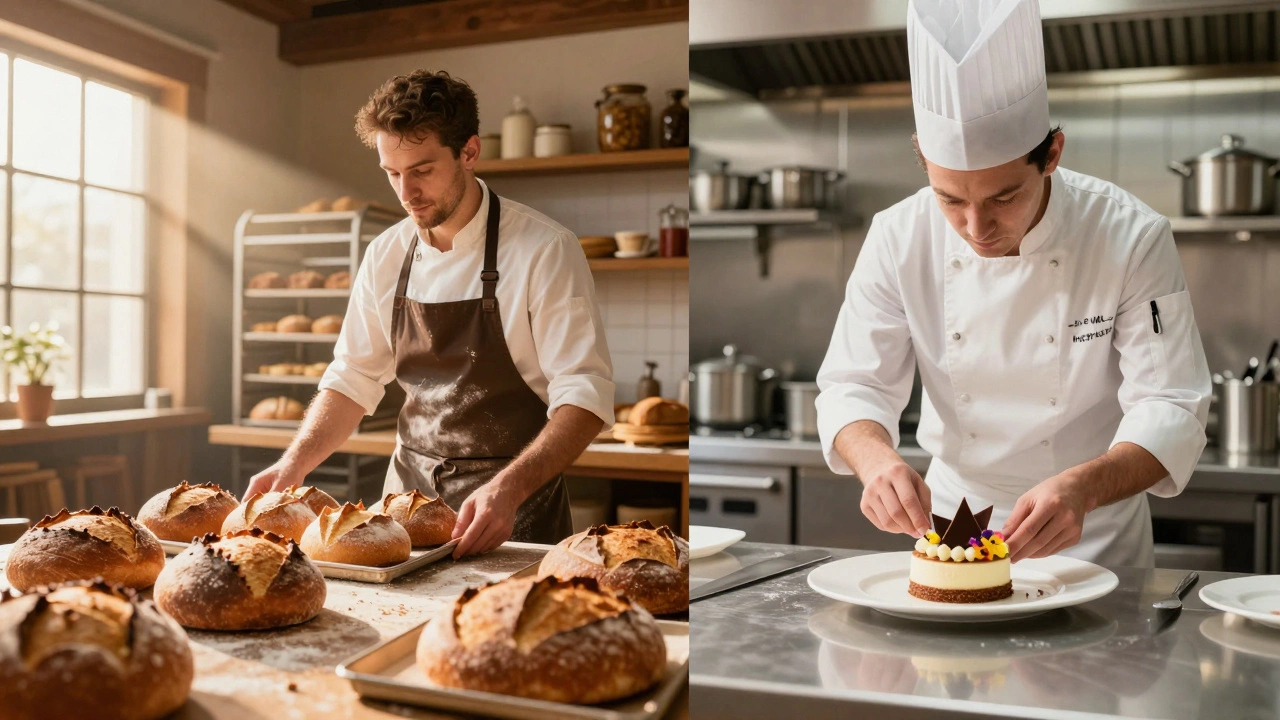
This is the most common point of confusion. While both people bake, their training and focus areas differ significantly.
Baker is a professional who specializes in breads, rolls, and basic cakes. Bakers often start early in the morning to ensure fresh bread for breakfast service. Their expertise lies in fermentation, dough handling, and consistent volume production. If you need fifty dozen croissants for a brunch reception, you want a baker.
Pastry Chef is a culinary professional trained in sweet and savory baked goods, including complex desserts, tarts, and plated entrees. Pastry chefs usually undergo formal culinary training. They understand flavor profiles, texture contrasts, and advanced techniques like tempering chocolate or making custards from scratch. When you order a layered wedding cake with mousse fillings and fondant detailing, you are hiring a pastry chef’s skill set.
| Feature | Baker | Pastry Chef |
|---|---|---|
| Primary Focus | Breads, rolls, simple cakes | Complex desserts, plated sweets, wedding cakes |
| Training | On-the-job or vocational school | Culinary institute or apprenticeship |
| Skill Set | Dough management, fermentation | Sugar work, chocolate, plating, design |
| Typical Workplace | Bakery, hotel kitchen | Restaurant, high-end bakery, catering company |
The Role of the Cake Decorator
Some professionals identify primarily as Cake Decorators are artists who specialize in the visual presentation of cakes using icing, fondant, and sugar flowers. In the industry, you will sometimes find a split role: one person bakes the cake layers, and another decorates them. This is common in large commercial bakeries.
However, for a wedding, you generally want a single point of contact who handles both. Why? Because the structure of the cake affects how it can be decorated. A dense pound cake holds up differently than a light chiffon cake. A decorator who doesn’t understand baking might apply heavy fondant to a delicate sponge, causing it to collapse. Look for a pastry chef who lists decorating as a core competency, or a bakery where the same team handles both steps.
Confectioner: The Sugar Artist
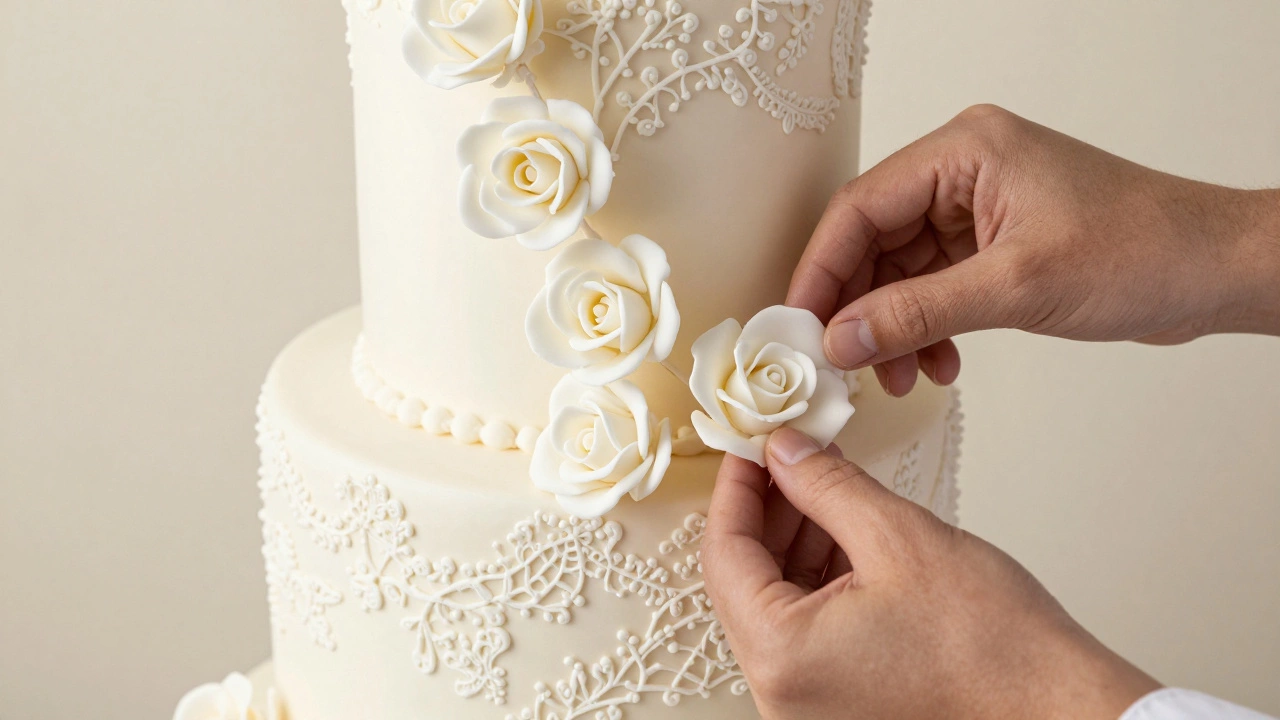
You might hear the term Confectioner is a specialist in creating candies, chocolates, and intricate sugar sculptures. If your wedding theme involves massive sugar-pulled roses, chocolate cascades, or hand-made truffles for favors, you are looking for confectionery skills.
Many high-end wedding cake designers are also confectioners. They use techniques like isomalt casting (clear sugar glass) or gumpaste modeling to create edible art. If your vision includes non-traditional elements like crystal-like structures or hyper-realistic fruit replicas, ask your potential vendor if they have confectionery training. This specialized skill set often commands a higher price but delivers a show-stopping result.
Home-Based Bakers vs. Commercial Kitchens
In many regions, you will encounter Cottage Food Operators are home-based bakers licensed to sell low-risk foods like cakes from their private kitchens. These bakers often offer personalized service and unique flavors that big bakeries might not carry. They are a great option for intimate weddings or smaller receptions.
However, there are limits. Cottage food laws vary by state and country. Generally, home bakers cannot handle certain allergens or require refrigeration in ways that commercial kitchens do. For a wedding with 200+ guests, a commercial kitchen provides insurance, backup equipment, and staff redundancy. If your primary baker gets sick, a commercial shop has others who can step in. A solo home baker does not. Always verify the vendor’s license type before signing a contract.
How to Choose the Right Professional for Your Wedding
Finding the right cake maker involves more than just checking their portfolio. Here is a practical checklist to guide your decision:
- Check the License: Ensure they operate out of a licensed commercial kitchen unless you are comfortable with cottage food limitations.
- Taste Test Everything: Visuals lie; taste doesn’t. Some decorators prioritize looks over flavor. Make sure the cake tastes as good as it looks.
- Ask About Structure: For tall cakes, ask how they support the tiers. Do they use internal dowels, pillars, or external stands? Structural integrity prevents disasters during transport.
- Review Contracts Carefully: Look for clauses about delivery delays, weather damage, and payment schedules. Never pay 100% upfront.
- Confirm Dietary Needs: If you need gluten-free, vegan, or nut-free options, confirm they have experience with these substitutions. Cross-contamination is a real risk in shared kitchens.
Questions to Ask Potential Vendors
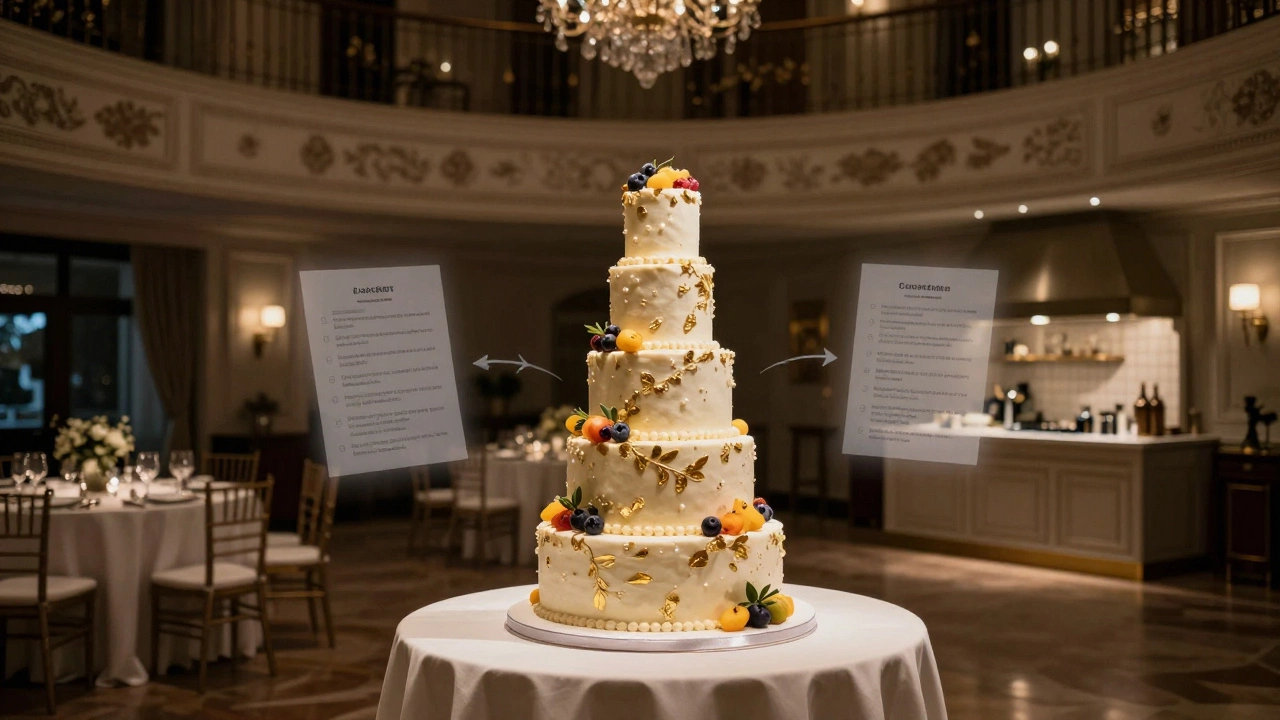
When you interview candidates, these questions will reveal their true level of professionalism:
- "Do you bake and decorate in-house, or do you outsource any part of the process?"
- "What is your policy if the cake arrives damaged?"
- "Can you provide references from recent weddings similar in size to mine?"
- "Do you offer a trial tasting session, and is there a fee?"
- "Who will deliver and set up the cake on the day of the event?"
Don’t be afraid to ask for specifics. A confident professional will welcome these questions. If they seem vague or defensive, keep looking.
Understanding Pricing Structures
Wedding cakes are priced per slice, but the calculation isn’t always straightforward. Prices depend on complexity, ingredients, and labor. A simple buttercream two-tier cake might cost $4-$6 per slice. An elaborate fondant cake with sugar flowers could run $8-$12 per slice or more.
Remember that "per slice" pricing assumes standard serving sizes. If you request larger servings or unusual shapes, the cost may increase. Always ask for a detailed breakdown. Hidden fees for delivery, setup, or extra decorations can add up quickly. Get everything in writing.
Timeline: When to Book Your Cake Maker
Popular pastry chefs and wedding cake specialists book up fast. Aim to secure your vendor 9-12 months before your wedding date. For peak season (spring and fall), start even earlier. Early booking gives you more choice and often allows for a complimentary tasting. Last-minute bookings limit your options and may incur rush fees.
Is a pastry chef the same as a baker?
No. A baker typically focuses on breads and simple cakes, while a pastry chef has specialized training in complex desserts, pastries, and decorative techniques. For a wedding cake, a pastry chef’s skills are usually required.
What should I look for in a wedding cake designer?
Look for a portfolio that matches your style, evidence of structural stability in tiered cakes, positive reviews regarding taste (not just looks), and proof of a licensed commercial kitchen.
Can I hire a home-based baker for my wedding?
Yes, if they are a licensed cottage food operator. However, check local laws regarding allergen handling and refrigeration. For large weddings, commercial vendors offer more security and backup support.
How much does a professional wedding cake cost?
Prices vary widely based on location and complexity. Expect to pay $4-$12 per slice. Intricate designs, premium ingredients, and sugar art can push prices higher. Always request a detailed quote.
What is the difference between fondant and buttercream?
Fondant is a smooth, pliable sugar paste used for sleek designs and sharp edges. Buttercream is a creamy frosting made from butter and sugar, offering a softer look and richer taste. Many couples choose buttercream for taste and fondant accents for decoration.