Wedding Cake Cutting Script Generator
Configure Your Moment
Your Script
Select your options and click "Generate Script" to see what to say.
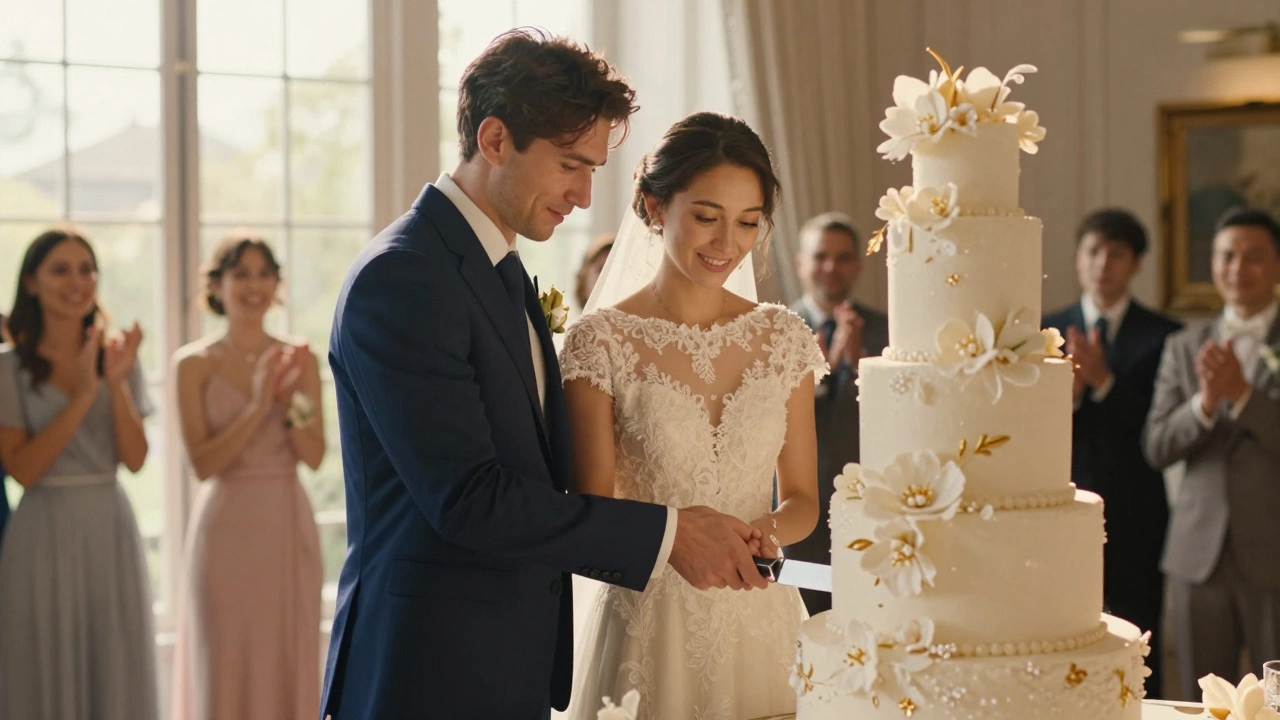
You’ve tied the knot. You’ve danced until your feet hurt. Now, you’re standing in front of a towering masterpiece of sugar and buttercream, holding a sword or a fancy knife, with half the room staring at you. The photographer is crouching low. The guests are waiting. And suddenly, your mind goes blank. What do you actually *say* during this moment?
For couples, the cake cutting is often seen as just another photo op. But for wedding cake makers, it is the climax of their craft. It’s the moment the structure they built over weeks finally meets the world. If you are a couple planning this moment, or a baker advising clients, understanding the script can save awkward silences and ensure perfect photos.
The Unspoken Rules of the Cake Cutting Moment
Before we get to the words, let’s talk about the vibe. This isn’t a toast. You aren’t giving a keynote address. The cake cutting is a symbolic gesture that signals the end of the formal reception and the beginning of the party phase where food is served. It usually happens between one and two hours after dinner.
The key here is brevity. Most photographers want this done in under three minutes so they can capture the feeding, the slicing, and the exit without dragging out the schedule. Your words should be light, sweet, and directed either at each other or the guests. Think of it as a micro-celebration within the celebration.
If you are a custom cake designer, you know that the visual impact matters more than the audio. However, a few well-placed words can add personality to the image. A shared joke, a whisper of "I love you," or a simple "Ready?" creates a candid, emotional snapshot that looks far better than a stiff, silent pose.
What Couples Should Say (And Not Say)
Let’s be real: most people don’t have a prepared speech for this. That’s fine. In fact, it’s better. Here are a few approaches depending on your comfort level.
The Classic & Simple Approach
Sometimes, less is more. You don’t need to announce anything profound. Just acknowledge the moment.
- To your partner: "Shall we?" or "Together?"
- To the guests: "Thank you all for coming!" (A quick wave while looking up from the cake works wonders.)
- The Whisper: Lean in and say something private. "I’m glad I married you." Photographers love capturing these intimate reactions because they look natural.
The Humorous Angle
If you’re both funny people, lean into the stereotype. The cake cutting has always been associated with... well, let’s just say "enthusiasm."
- To the crowd: "We promise to keep it clean... mostly."
- To your partner: "Try not to drop any crumbs on the dress/suit."
- The Self-Deprecating Joke: "If this cake falls, please don’t blame the baker; blame my nerves."
The Romantic Gesture
If you prefer sentimentality, use this moment to reinforce your bond. This works best if you’ve already given long speeches earlier in the evening.
- To your partner: "Here’s to our first task as a team."
- To the guests: "Thank you for sharing our sweetness today."
What you should not do is launch into a story about how you met. Save that for the reception toasts. Standing at a high-top table with a microphone (if you even have one) trying to tell a long anecdote while balancing a heavy cake layer is a recipe for disaster-literally and figuratively.
A Note for Wedding Cake Makers: Guiding Your Clients
If you bake weddings for a living, you know the stress of the delivery window. You also know that clients often forget that the cake is fragile. Part of your job as a professional pastry chef specializing in tiered structures is managing expectations about this moment.
Many bakers include a "Cake Cutting Guide" in their final contract or consultation packet. This isn’t just about etiquette; it’s about protecting your art. Here is what you should advise your clients to say and do:
- "Wait for the Photographer": Tell them to literally say this to their coordinator. "Photographer, when are we ready?" This ensures the lighting is right and the guests are positioned correctly before they touch the blade.
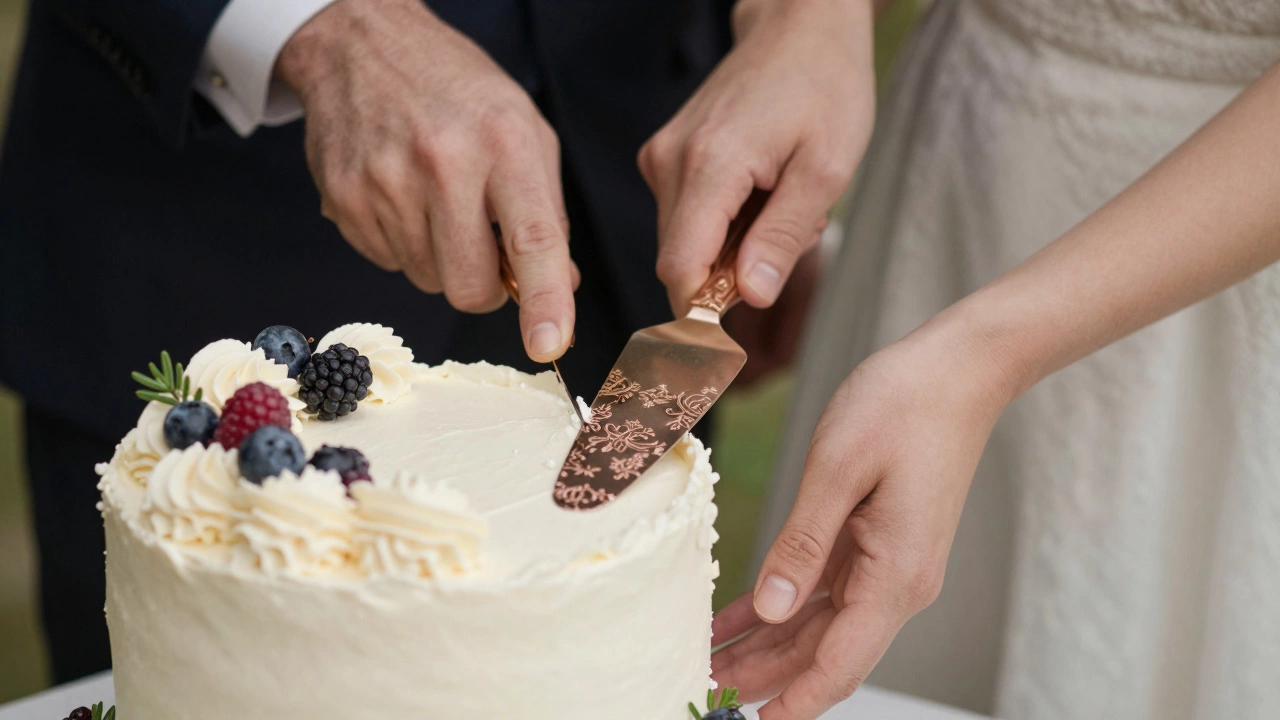
- "Support the Bottom Tier": Instruct them to verbally cue each other. One person holds the knife, the other supports the bottom tier with their hand (hidden behind the cake board). Say, "Hold steady," before pressing down.
- "Cut, Don't Saw": Advise them to use a gentle downward pressure rather than a sawing motion. A good phrase to use internally is "Press and lift."
When you speak to clients, frame these instructions as part of the "performance." Explain that the cake cutting is a staged event. By giving them specific lines or cues, you reduce their anxiety and increase the likelihood that the cake remains intact for the photos.
The Role of the Officiant or MC
Who announces the cake cutting? Usually, it’s the Master of Ceremonies (MC) or the venue coordinator. They might say, "Ladies and gentlemen, please join us for the cutting of the cake!" This clears the path and draws attention.
If you don’t have an MC, the couple needs to take charge. A simple announcement to the nearest group of friends, who will then shout it out, works surprisingly well. Alternatively, the band leader can make the announcement. The goal is to create a focal point. Without a verbal cue, guests wander around, blocking shots, and the moment loses its energy.
Timing and Logistics: The Silent Script
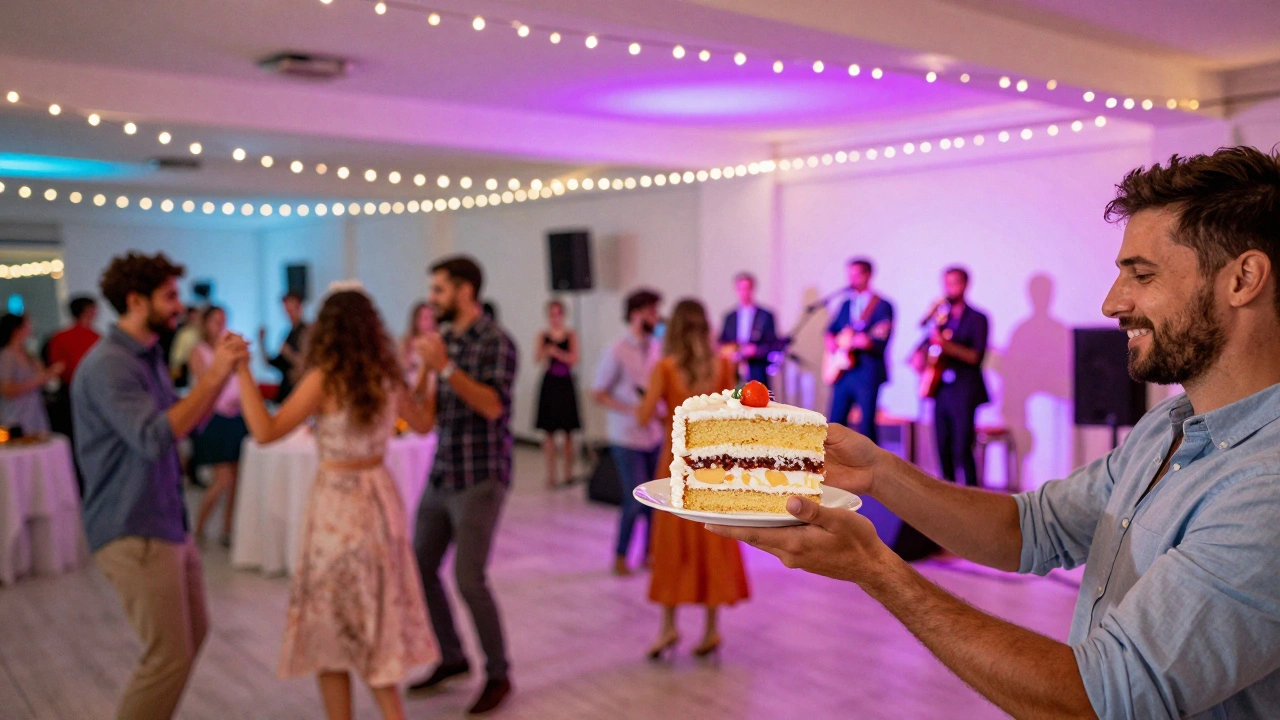
Words matter, but timing matters more. The cake cutting typically marks the transition from "dinner/reception" to "open bar/dancing." Once the cake is cut, the kitchen starts plating desserts. If you delay the cutting by twenty minutes because you’re chatting with Aunt Mary, you delay dessert service for two hundred people. Hungry guests are unhappy guests.
As a baker, you might notice that some cakes are designed to be cut easily, while others are dense fondant sculptures. If you’ve made a particularly intricate design, advise the couple to say, "Let’s take our time," and suggest cutting only the top tier for the photos. The rest can be sliced by staff later. This preserves the aesthetic integrity of your work while still fulfilling the tradition.
Common Mistakes to Avoid
I’ve seen it happen too many times. The couple tries to feed each other cake aggressively, resulting in a mess that ruins the mood. Or, worse, they try to cut through a hidden internal support dowel and snap the knife. Here’s how to avoid those pitfalls:
- Don’t Force the Knife: If the knife hits resistance, stop. It’s likely a dowel. Say, "Oops, hit a nail," and move the cut slightly to the side. Laugh it off. Guests appreciate honesty.
- Don’t Ignore the Camera: Even if you hate posing, spend ten seconds looking at the lens. Say, "Cheese!" or "Smile!" to each other. It breaks the tension.
- Don’t Forget the First Slice: The tradition dictates that the first slice is fed to the partner. Make sure you actually have a small plate ready. Saying, "Here, eat this," while handing over a crumb-covered fork is charming. Trying to balance a whole slice on a spoon is not.
Creating a Personal Touch
Your wedding is unique. Why should the cake cutting be generic? Consider incorporating a personal element into your dialogue. Did you meet at a bakery? Mention it. "Finally, something sweet we agree on." Do you share a favorite inside joke? Use it. These small verbal nods make the memory stickier for you and more engaging for the guests watching.
For bakers, consider asking your clients about their dynamic during the tasting. Are they shy? Loud? Playful? Tailor your advice to their personalities. If they’re nervous, give them a script. If they’re extroverts, encourage them to improvise. Your expertise extends beyond the frosting; it’s about curating the experience.
Final Thoughts on Sweet Moments
The cake cutting is brief, but it’s iconic. It’s one of the few moments where the couple, the guests, and the vendors are all aligned in focus. For the couple, saying something simple, genuine, and timely keeps the momentum going. For the baker, ensuring the structural integrity allows that moment to shine without disaster. For the guests, it’s a signal that the night is officially open for fun.
So, what do you say? Whatever feels natural. But do say something. Silence can feel heavy in a crowded room. A laugh, a thank you, or a whispered promise turns a logistical necessity into a cherished memory.
How long should the cake cutting ceremony last?
The actual cutting and feeding process should take no longer than 3 to 5 minutes. This includes posing for photos, cutting the first slice, feeding each other, and taking a bow. Keeping it short ensures the reception timeline stays on track for dancing and dessert service.
Do I need a microphone for the cake cutting?
Usually, no. The cake cutting is a visual moment, not a spoken one. Unless you plan to give a speech, a microphone is unnecessary and can look cluttered in photos. If you want to make an announcement, rely on your MC or band leader to project your voice.
What if the cake collapses while we are cutting it?
Stay calm and laugh it off. Say something like, "Looks like we're eager for dessert!" Most professional bakers build in extra stability, but accidents happen. The photographer will capture the reaction, which often becomes a favorite candid shot. Focus on smiling, not fixing.
Should we cut the whole cake or just the top tier?
Traditionally, couples only cut the top tier for the photos. The rest of the cake is sliced by catering staff later. This is safer for intricate designs and faster for the timeline. If you have a simple sheet-cake style, you might cut deeper, but always consult your baker first.
Who holds the knife during the cake cutting?
Traditionally, the bride holds the knife with the groom placing his hand over hers. Modern couples often switch this up: the groom holds it, both hold it, or they alternate. There is no strict rule anymore. Choose what feels comfortable and balanced for your photos.
Can we skip the cake cutting entirely?
Yes, absolutely. Some couples opt for a dessert table, cupcakes, or ice cream instead. If you skip the traditional cutting, you lose the symbolic photo op, but you gain flexibility. Just ensure your photographer knows there won't be a cake moment so they can adjust their shot list.
What is the best type of knife to use?
A serrated bread knife or a specialized cake server works best. Avoid dull steak knives, which can crush the sponge. Many bakers provide a decorative sword or knife as part of the package. If you bring your own heirloom knife, ensure it is sharp enough to cut through fondant without tearing.
How do we coordinate with the photographer?
Ask your planner or MC to signal the photographer when you are ready. Look for the photographer's cue (often a nod or a thumbs up) before you start cutting. This ensures they have framed the shot and adjusted the lighting. Don't start cutting until you see them ready.