
Wedding RSVP Timeline Calculator
There is nothing quite as stressful as staring at an empty spreadsheet two weeks before your wedding day, wondering if you have enough chairs for the people who haven't replied. You sent out beautiful invitations. You waited patiently. And now, silence. Or worse, a flood of last-minute 'yes' answers that throw your catering budget into chaos. This scenario happens more often than you might think, and it usually comes down to one critical detail: getting the wedding RSVP deadline right.
Setting the correct date for guests to reply isn't just about etiquette; it's the backbone of your logistical planning. It dictates your final headcount for the caterer, your seating chart, your bar tab, and even your floral arrangements. If you get this wrong, you either overpay for empty seats or scramble to find extra plates at the last minute. Let’s break down exactly when to set that deadline and how to build a timeline that protects your sanity and your wallet.
The Golden Rule: Six Weeks Before the Big Day
So, what is the magic number? For most weddings, whether intimate backyard affairs or grand ballroom receptions, the industry standard is to ask guests to RSVP by six weeks before the wedding date. This window gives you enough time to chase down non-responders without feeling like you are harassing them, while still leaving a buffer for vendors to finalize their numbers.
Why six weeks? Because vendors operate on strict deadlines. Most caterers require a final headcount three to four weeks in advance. By setting your guest deadline at six weeks, you buy yourself two full weeks to handle the inevitable stragglers. You can call those relatives who never check their mail or email those friends who forgot they received an invite. Those two weeks are your safety net. Without them, you are playing Russian roulette with your reception layout.
If your wedding is very small-say, under 50 people-you might be tempted to shorten this window. Don’t. Even with a small group, life gets busy. People travel, kids get sick, and work schedules tighten up. Stick to the six-week rule unless you have a compelling reason not to.
Working Backwards: Building Your Invitation Timeline
To hit that six-week RSVP deadline, you need to work backwards from your wedding day. This reverse-engineering approach ensures every step lands perfectly. Here is how the calendar should look for a typical summer wedding:
- 6-8 Months Out: Finalize your guest list. This is the hardest part. Be ruthless. If you aren't sure if you want someone there, don't invite them. A smaller, happier party is better than a crowded, chaotic one.
- 4-6 Months Out: Send Save the Dates. These give guests heads-up so they can block off the date and book travel early. This is crucial for destination weddings or holidays.
- 6-8 Weeks Out: Mail your formal invitations. This timing allows the invitations to arrive roughly 4-6 weeks before the event, giving guests ample time to respond by your deadline.
- 6 Weeks Before Wedding: The RSVP Deadline hits. Start tracking responses immediately.
- 3-4 Weeks Before Wedding: Submit final headcount to vendors. Follow up with anyone who missed the deadline.
- 1 Week Before Wedding: Finalize seating charts and place cards.
This structure feels rigid, but it provides clarity. When you know exactly when each piece needs to go out, you remove the guesswork. You stop worrying about whether you mailed invites too late and start focusing on the fun stuff, like choosing your playlist.
Destination Weddings and Holidays: Adjusting the Clock
Not all weddings fit the standard mold. If you are tying the knot in Bali, Italy, or even just a few hours away in a remote national park, your timeline needs to stretch. Destination weddings require guests to make significant financial and logistical commitments. They need to book flights, secure accommodation, and potentially take extra time off work.
For destination weddings, push your RSVP deadline back to eight or even twelve weeks before the ceremony. Why? Because you need to know who is coming earlier to help them coordinate travel groups or negotiate hotel room blocks. If you wait until six weeks out, many guests will have already booked cheaper flights elsewhere or decided against the trip entirely due to uncertainty.
Similarly, if your wedding falls on a major holiday weekend, such as New Year's Eve, Valentine's Day, or Labor Day, treat it like a destination event. Hotels fill up fast, and traffic is a nightmare. Give guests plenty of notice. In these cases, sending Save the Dates nine to twelve months in advance is not excessive; it is considerate.
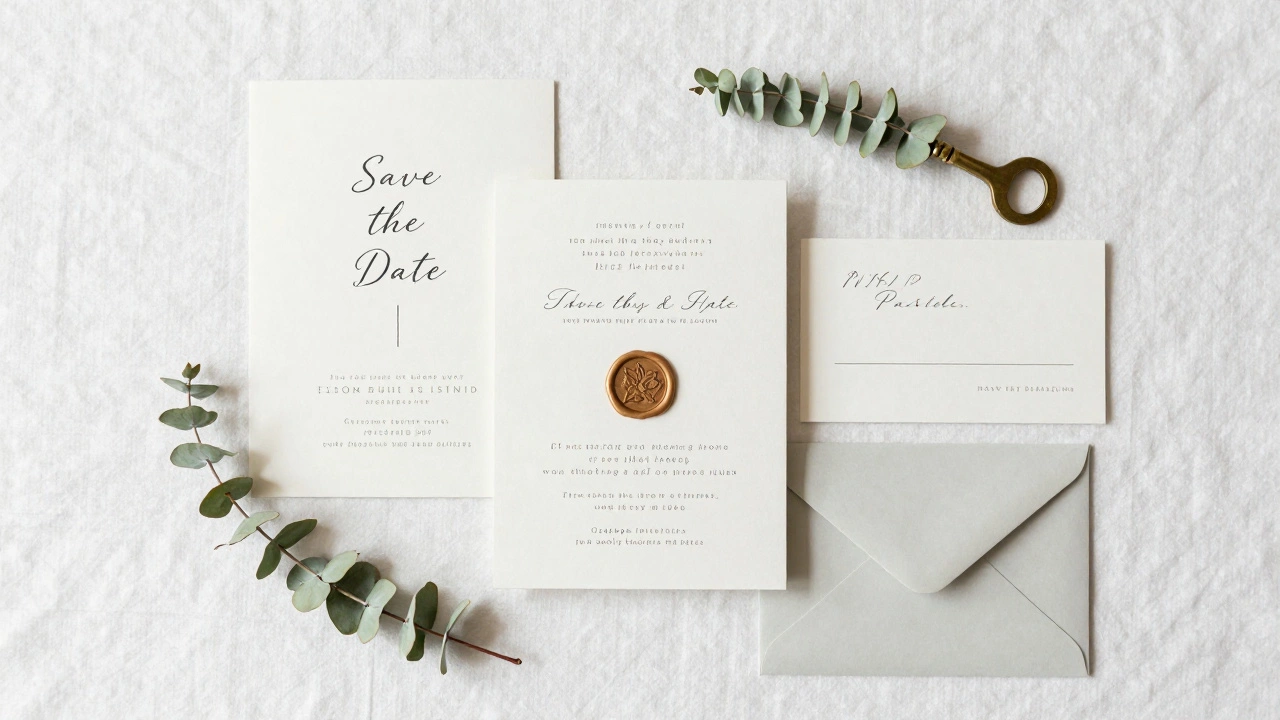
Digital vs. Paper: How Format Changes Speed
The medium you choose for your invitations plays a surprising role in response times. Traditional paper invites feel special and tangible, but they rely on the postal service and human initiative. Guests have to write something down, put it in an envelope, buy a stamp, and drop it in a mailbox. Friction kills momentum. That is why paper invites often see slower response rates, especially among younger demographics.
Online RSVPs, hosted on wedding websites or platforms like Zola or The Knot, remove that friction. Guests can click a link and confirm attendance in seconds. Studies consistently show that digital RSVPs return faster and with higher accuracy. If you choose to go digital, or offer a hybrid option where guests receive a paper invite but reply online, you can sometimes afford to set your deadline slightly closer to the date-perhaps five weeks instead of six. However, do not assume everyone will use the tech. Always provide a phone number or address for those who prefer old-school methods.
Also, consider the age range of your guest list. If half your attendees are grandparents, a QR code on an invite might confuse them. Offering multiple channels ensures no one misses the boat because they didn't know how to navigate your website.
The Art of the Follow-Up
Here is the uncomfortable truth: some people will not RSVP, regardless of how clear your instructions are. They forget. They lose the card. They intend to reply but get distracted by life. This is where the follow-up comes in, and it is not rude if done correctly.
Start following up one week after the deadline passes. Do not wait until the night before. Personalize your approach. A quick text message works wonders for friends and peers. "Hey! Just checking if we should save you a seat at the wedding next month?" is casual, low-pressure, and effective. For older relatives or distant acquaintances, a polite phone call is more appropriate. Frame it around logistics rather than obligation. "We are finalizing our meal orders with the caterer and wanted to make sure we have everything sorted for you."
Keep a master spreadsheet. Track who has said yes, who has said no, and who is silent. Color-code it. Green for confirmed, red for declined, yellow for pending. This visual aid helps you prioritize who to call first. Usually, you should chase the 'maybe' guests and the 'silents' before worrying about the 'nos.'

Handling Last-Minute Changes
Even with a perfect timeline, surprises happen. Someone gets food poisoning. A flight gets canceled. A plus-one decides to come along unexpectedly. How do you handle these curveballs?
First, build a buffer into your budget. Caterers often charge per person, but some allow a small margin of error. Ask your venue if they can accommodate two or three extra guests without charging for a full additional table. Second, communicate clearly with your vendors. Let them know you are expecting potential fluctuations. Most professionals have seen this before and will have contingency plans.
If someone cancels at the last minute, try to fill the spot if you have a waitlist. Many couples keep a short list of close friends or family who were not invited due to space constraints but would love to attend. Calling them to offer a spot is a kind gesture that solves a logistical problem. If no one is available, simply adjust the seating chart. An empty chair is better than an overcrowded table.
Common Mistakes to Avoid
Even experienced planners slip up. Here are a few pitfalls to watch out for:
- Vague Deadlines: Writing "Please reply soon" is useless. Always provide a specific date. "Kindly respond by June 1st" leaves no room for interpretation.
- Missing Contact Info: Ensure your RSVP card or website link is prominent. If guests have to hunt for how to reply, they likely won't bother.
- Ignoring Plus-Ones: Be clear about whether guests can bring a partner. Ambiguity here leads to awkward conversations later. If you are not allowing plus-ones, address the invitation specifically to the individual's name only.
- Overcomplicating the Card: Keep the RSVP card simple. Name, attending/not attending, meal choice (if applicable), and maybe a song request. Too many fields increase the chance of errors or abandonment.
Avoid using humor in the deadline instruction. While a joke about "replying or else" might seem funny to you, it can stress out anxious guests or be misinterpreted. Clarity beats comedy every time when it comes to logistics.
Final Thoughts on Stress-Free Planning
Planning a wedding is a marathon, not a sprint. The RSVP process is just one leg of that race, but it is a critical one. By setting a realistic deadline, working backwards from your wedding date, and communicating clearly with your guests, you take control of the situation. You stop reacting to chaos and start managing expectations.
Remember, your guests want to celebrate with you. They just need a little guidance on how to do so smoothly. Give them the tools they need-a clear date, easy instructions, and a friendly reminder-and you will likely find that most people respond promptly. The ones who don't? That is where your follow-up strategy shines. Stay organized, stay calm, and trust the process. Your big day will arrive sooner than you think, and having a solid headcount is the best way to ensure you enjoy every moment of it.
How long before the wedding should I send out invitations?
You should mail your formal wedding invitations 6 to 8 weeks before the wedding date. This timing ensures that guests receive them approximately 4 to 6 weeks prior to the event, giving them enough time to plan and respond by your deadline.
Is it rude to follow up on an RSVP?
No, it is not rude. In fact, it is necessary for planning purposes. Most guests understand that you need a final count for catering and seating. Follow up politely via phone or text one week after the deadline has passed, framing it around finalizing vendor details rather than accusing them of forgetting.
What is the difference between Save the Dates and Invitations?
Save the Dates are informal notices sent 6 to 12 months in advance to alert guests of the wedding date and location so they can reserve time and book travel. Formal Invitations contain specific details like time, venue address, dress code, and RSVP instructions, and are sent 6 to 8 weeks before the wedding.
Should I include a meal choice on the RSVP card?
Yes, if you are serving plated dinners with different entrée options. Including meal choices on the RSVP card simplifies the process for both you and your guests. It eliminates the need for separate dietary restriction surveys later. Make sure to list the options clearly, including vegetarian and gluten-free alternatives.
How many weeks before the wedding do caterers need a final headcount?
Most caterers require a final headcount 3 to 4 weeks before the wedding. Some may ask for it as early as 6 weeks or as late as 1 week, depending on their contract and kitchen operations. Always check your specific catering agreement, but aiming for 4 weeks is a safe standard to meet most vendor requirements.