Wedding Invitation Name Order Simulator
Quick Guide to Name Order
- Traditional: The bride's name almost always comes first.
- Modern: Order is based on preference, alphabetical order, or visual balance.
- Same-Sex Couples: Alphabetical order or a coin toss is common.
- Formal/Religious: Often follows the tradition of the bride preceding the groom.
The Traditional Standard: Why the Bride Comes First
If you're planning a classic, black-tie affair, you'll likely lean toward traditional etiquette. In this world, Wedding Invitation Etiquette is a set of social guidelines governing the wording, layout, and distribution of marriage announcements . Traditionally, the woman's name is listed first. Why? Because historically, the bride's parents were the hosts of the wedding and were paying for the event. Listing the daughter first acknowledged the family hosting the celebration.
In a traditional setup, you'll see "Jane Doe and John Smith." This isn't just about gender; it's about the flow of the event. The bride is traditionally viewed as the center of the celebration, and her name leads the way. If you are using a formal Calligraphy style, this order feels natural to guests who are expecting a classic approach. If your parents are traditionalists, following this rule can prevent a lot of unnecessary dinner-table debates before the big day.
Breaking the Mold: Modern Approaches to Name Order
We aren't in the 1950s anymore. Many couples today are splitting the costs or hosting the wedding themselves, which means the old "host-based" rules don't really apply. This is where you get to be creative with your wedding invitation name order. If you feel that the groom's name sounds better first, or if you simply prefer the way "John and Jane" looks in a specific font, go for it.
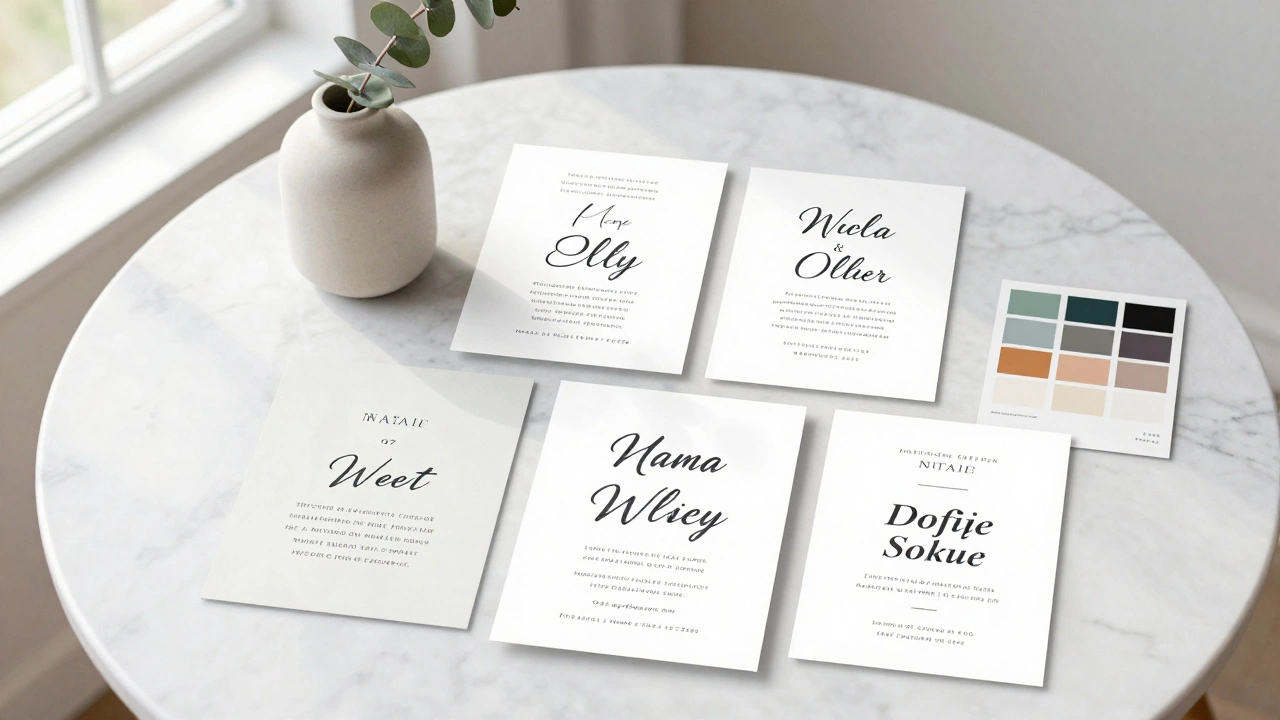
Some couples choose alphabetical order to keep things completely neutral. Others look at the length of the names. If the groom has a very short first name and the bride has a long one, putting the shorter name first can sometimes create a more balanced visual line on the card. It's all about the aesthetic of the Graphic Design. When you move away from strict rules, the invitation becomes a reflection of your relationship rather than a checklist of social obligations.
Handling Same-Sex and Gender-Neutral Invitations
When two people of the same gender are marrying, the "woman first" rule is obviously irrelevant. This leaves a lot of room for interpretation. Many couples in the LGBTQ+ community opt for alphabetical order by first name. It's a fair, objective system that removes any hierarchy from the equation.
Another popular move is to simply decide based on who has the more "melodic" name. Read them both ways out loud: "Alex and Sam" vs. "Sam and Alex." One usually flows better than the other. Some couples even use a coin flip to decide, turning a potentially stressful decision into a fun moment of chance. The key here is consistency; once you pick an order for the invitation, stick with it for the programs, the thank-you notes, and the wedding website.
The Impact of Last Names and Combined Branding
The conversation gets trickier when you start talking about last names. Are you taking a partner's name, hyphenating, or keeping your own? This decision often dictates how the names are positioned. If one person is changing their name, listing the bride first followed by the new shared last name is a common way to announce the transition.
For those creating a "brand" for their wedding-like a custom logo or a monogram-the order of names is often decided by how the letters intersect. If you're using a Monogram (a motif of two or more letters), the central letter is usually the shared last name, flanked by the first initials. In these cases, the order is often determined by symmetry rather than etiquette.
| Wedding Style | Standard Order | Primary Driver | Vibe |
|---|---|---|---|
| Traditional / Formal | Woman first | Social Etiquette | Classic & Respectful |
| Contemporary / Casual | Either way | Personal Preference | Relaxed & Modern |
| Alphabetical | A $\rightarrow$ Z | Objectivity | Fair & Neutral |
| Visual / Aesthetic | Based on length | Design Balance | Artistic |
Common Pitfalls to Avoid
One of the biggest mistakes couples make is overthinking the "correctness" to the point where they stop enjoying the process. Remember that your guests are coming for the celebration, not to audit your name placement. However, there are a few genuine traps to avoid. First, avoid switching the order between different pieces of Stationery. If your save-the-dates say "Sarah and Mark," but your formal invitation says "Mark and Sarah," it can look like a mistake rather than a choice.
Second, be mindful of the cultural context. In some cultures, the seniority or the role of the family is more important than the gender of the couple. If you are incorporating traditional customs from different backgrounds, it's worth having a quick chat with your parents to see if there is a specific cultural expectation regarding name order. A ten-minute conversation now can save you from a frosty relationship with a grandparent later.
Practical Tips for Making the Choice
If you're still stuck, try these three simple tests to break the tie:
- The Visual Test: Type both versions in the exact font you plan to use. Print them out. Sometimes seeing the letters on paper makes the choice obvious. One version will simply look more balanced.
- The Verbal Test: Say the names out loud five times fast. "Jessica and David"... "David and Jessica." Your tongue will naturally gravitate toward the one that requires less effort to say.
- The "Vibe Check": Look at your venue. If you're getting married in a cathedral with gold leaf and organ music, go traditional (woman first). If you're at a brewery with a taco truck, do whatever feels most "you."
Is it rude to put the man's name first?
Not at all, unless you are adhering to extremely strict, old-world etiquette. In most modern circles, it is completely acceptable. The only time it might be perceived as "wrong" is if you have very traditional guests who view the bride's name coming first as a sign of respect for her family's role as hosts.
What if we are using our first names only?
When using first names only, the rules are even more relaxed. You can prioritize based on how it sounds or how it looks. Since the formality is already lowered by omitting surnames, the order becomes a matter of personal style rather than social protocol.
Does the order change if the groom's parents are paying?
Traditionally, the person whose parents are paying is listed first. However, the "bride first" rule is so deeply ingrained in wedding culture that it usually overrides the payment factor. Most couples still list the bride first regardless of who is funding the event to keep with the traditional aesthetic.
How do we handle names if we are both keeping our last names?
If you are both keeping your names, the visual layout becomes more important. You can list the names on separate lines to give them equal weight, or use a coordinator like "and" or an ampersand (&). In this case, alphabetical order is a great way to keep the invitation feeling balanced and modern.
Should the name order match the order of the wedding party?
Not necessarily. The wedding party is usually organized by relationship or role. The invitation name order is more about the "announcement" of the couple as a unit. While consistency is nice, your invitation order doesn't need to dictate how you list your bridesmaids and groomsmen in the program.
What to Do Next
Once you've decided on the name order, your next move is to check the surrounding wording. If you've gone traditional with the names, make sure your request for the guests' presence (e.g., "request the honor of your presence") matches that level of formality. If you've gone modern and casual, a simple "we're getting married!" works perfectly.
If you're still feeling a bit of tension with family members over this, try presenting it as a design choice. It's much harder for someone to argue with "the calligrapher said this layout looks more balanced" than "we just wanted to do it this way." Focus on the big picture-the names are just the introduction to the best party of your lives.