
Engagement Ring Budget Calculator
Define Your Budget
Mined Diamond
$5k - $15k+Traditional prestige with resale value potential.
Lab-Grown Diamond
$1.5k - $5kIdentical chemistry, eco-friendly, significant savings.
Vintage / Antique
$800 - $4kUnique design, sustainable, often cheaper.
Gemstone (Sapphire/Ruby)
$1k - $6kColorful, unique, durable alternative to diamonds.
Recommendation Summary
There is a quiet tension that often hangs over the proposal moment. It’s not just about the fear of rejection or picking the wrong stone; it’s the unspoken question of who actually opens their wallet. For decades, the answer was simple: the groom pays. But in 2026, with average home prices soaring and wedding costs skyrocketing, that old rule feels less like a tradition and more like a financial trap for many couples.
You might be wondering if you’re breaking some sacred law by asking your partner to split the cost. Or perhaps you’re the one being asked to pay and feeling the weight of it on your shoulders. The truth is, the etiquette around who pays for an engagement ring has shifted dramatically. It is no longer a binary choice between him paying or her paying. It is now a negotiation, a partnership discussion, and sometimes, a creative financial puzzle.
The Old Rule vs. The New Reality
To understand where we are today, we have to look at where we came from. Traditionally, the engagement ring was seen as a symbol of the groom’s commitment and his family’s ability to provide. In the mid-20th century, marketing campaigns cemented the idea that a man should spend two to three months’ salary on the ring. This wasn’t based on economics; it was based on diamond industry advertising.
Fast forward to 2026. Dual-income households are the norm, not the exception. Women are just as likely to be the primary breadwinners, or at least equal partners in financial stability. The idea that one person bears the entire burden of a luxury purchase that can easily range from $5,000 to $20,000+ feels outdated to many. According to recent surveys from major wedding planners, nearly 40% of couples now discuss ring budgets together before the proposal even happens.
This shift isn’t about cheapening the gesture. It’s about aligning the symbolism of the ring with the reality of modern relationships. If you are building a life together, why start with a debt incurred by one person alone?
Common Payment Models in 2026
Since there is no single legal requirement, couples are adopting various models. Here are the most common approaches seeing traction right now:
- The Traditional Split: The proposer (usually the groom) pays for the engagement ring, and the other partner pays for their own wedding band. This keeps the surprise element intact while balancing the overall jewelry cost.
- The Joint Budget: Both partners agree on a total budget for all rings (engagement + wedding bands). They shop together beforehand, removing the surprise but ensuring financial comfort. This is popular among couples who value transparency over tradition.
- The Surprise Compromise: The proposer picks out the ring within a pre-agreed price cap. If they go under budget, the leftover money goes into a joint honeymoon fund. If they go over, they cover it themselves without expecting reimbursement.
- Family Contributions: In some cultures or families, grandparents or parents contribute to the cost. This is becoming more common as intergenerational wealth transfer increases, though it comes with its own set of expectations.
How to Talk About Money Without Killing the Romance
The biggest hurdle isn’t the money itself; it’s the conversation. Many people worry that bringing up finances will make the proposal feel transactional. Here is how to navigate that delicate balance:
1. Set the Timeline Early
Don’t wait until you’re looking at settings online to talk about money. Have this discussion when you first start talking about marriage. Frame it as part of your broader financial planning. "We’re thinking about getting married soon. How do we want to handle big purchases like rings and the wedding venue?"
2. Define Your Values
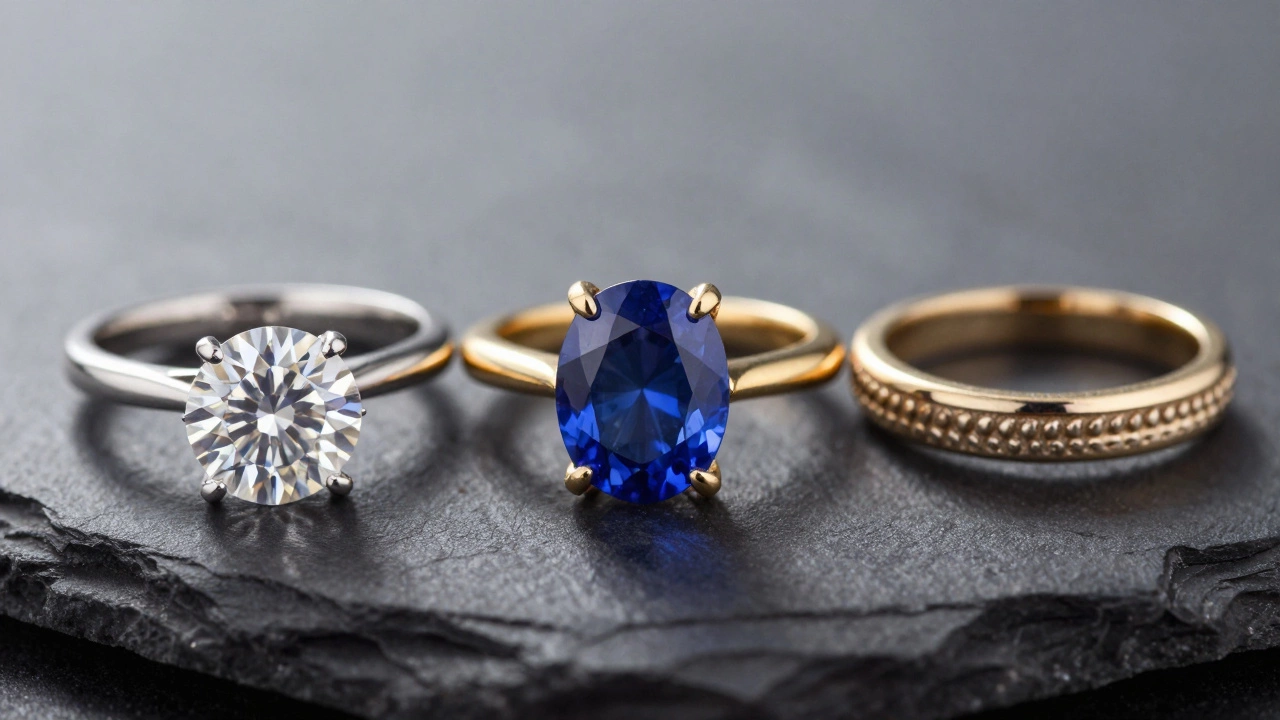
Ask each other what the ring represents. Is it an investment? A sentimental heirloom? A fashion accessory? If one partner values a large diamond highly and the other values debt-free living, you need to find a middle ground early. Maybe that means a lab-grown diamond, which offers similar aesthetics at a fraction of the cost, or a vintage ring that carries history rather than markup.
3. Use the "Surprise Box" Method
If the proposer wants to keep the surprise but respect the budget, they can give their partner a general range. "I’m planning to propose in six months. I’d like to stay under $4,000 for the ring. Does that work for you?" This gives the partner agency without spoiling the specific design.
Financial Pitfalls to Avoid
Even with the best intentions, ring shopping can lead to financial stress. Here are three common mistakes couples make:
- Ignoring the Wedding Band Cost: Many couples focus so much on the engagement ring that they forget about the wedding bands. These aren’t cheap either. A platinum band can cost $1,000-$2,000. Factor this into your total jewelry budget.
- Falling for the "Months of Salary" Myth: This rule is arbitrary. Spending three months’ salary on a ring could mean $3,000 for some and $30,000 for others. Instead, use a percentage of your disposable income or a fixed amount that doesn’t impact your savings goals.
- Using High-Interest Credit Cards: Financing a ring through a credit card with 20% APR is a recipe for disaster. If you must finance, look for 0% APR promotional periods from reputable jewelers, but only if you can pay it off within the promo window.
Alternative Options for Budget-Conscious Couples
If the traditional diamond market feels out of reach, you have more options than ever. The stigma around non-traditional choices has largely vanished.
| Option | Avg. Cost Range | Pros | Cons |
|---|---|---|---|
| Mine-Diamond | $5,000 - $15,000+ | Traditional resale value, prestige | High cost, ethical concerns |
| Lab-Grown Diamond | $1,500 - $5,000 | Identical chemistry, lower cost, eco-friendly | No resale value, newer technology |
| Vintage/Antique | $800 - $4,000 | Unique design, sustainable, often cheaper | May need resizing/cleaning, limited stock |
| Gemstone (Sapphire/Ruby) | $1,000 - $6,000 | Colorful, unique, durable | Less traditional, varying hardness |
Lab-grown diamonds, in particular, have disrupted the market. They are chemically identical to mined diamonds but cost significantly less. For many couples in 2026, this allows them to get a larger, higher-quality stone without sacrificing their financial security. Similarly, vintage rings offer character and sustainability. Buying second-hand doesn’t mean settling; it means choosing style over markup.
What If You Can’t Afford It?
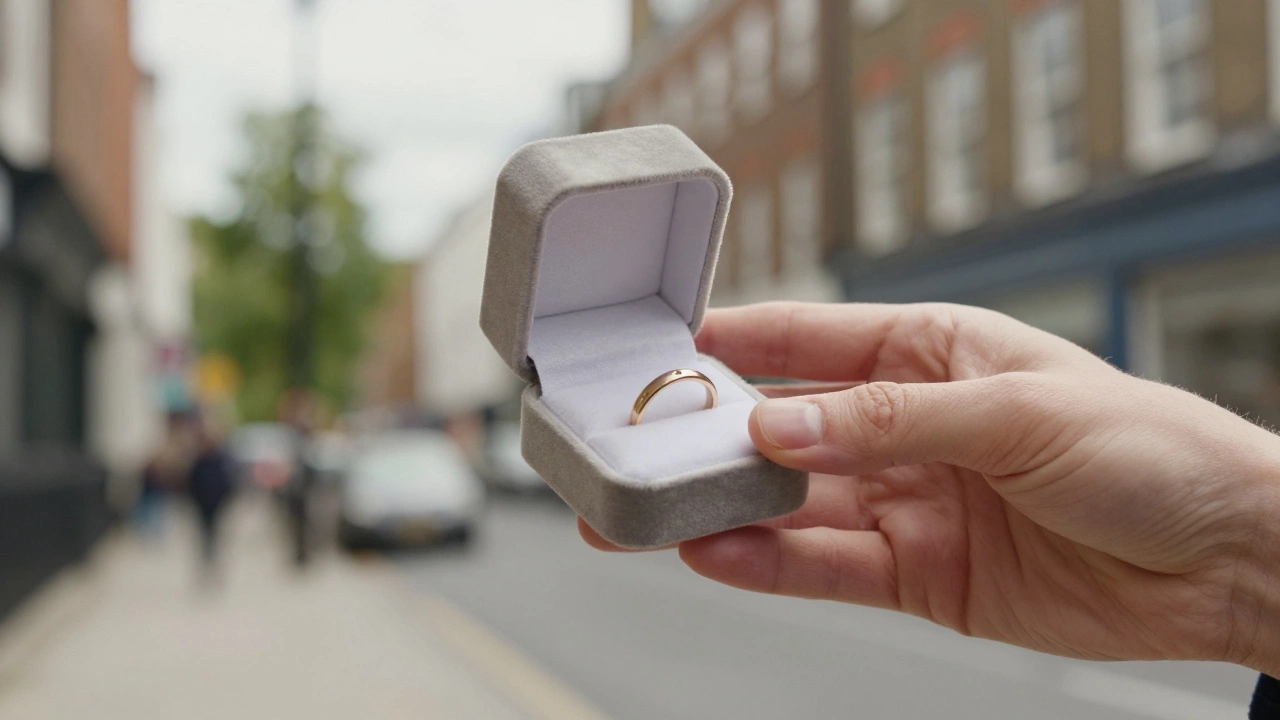
This is a scary thought, but it’s real. If you are struggling financially, remember that the ring is a symbol, not a bank statement. A simple gold band with a small stone, or even a placeholder ring with the promise to upgrade later, is infinitely better than drowning in debt.
Communication is key here. If you are the proposer, be honest with your partner about your current financial situation. Most partners would prefer a modest ring and a stable future over a flashy ring and immediate stress. You can also consider DIY options, such as designing a simple setting yourself or using a family heirloom stone reset in a new band.
Final Thoughts on Etiquette
The bottom line is that etiquette serves people, not the other way around. If paying for the ring yourself brings you joy and fits your budget, do it. If splitting the cost makes you both feel more secure, do that. The goal is to start your marriage on solid ground-financially and emotionally. There is no right or wrong way to pay for a ring, as long as both partners are happy with the decision.
Does the groom always have to pay for the engagement ring?
No. While tradition suggests the groom pays, modern couples often split the cost, use joint funds, or have the proposer pay regardless of gender. There is no legal requirement dictating who must pay.
Is it rude to ask my partner to split the cost of the engagement ring?
Not at all. In fact, it’s often appreciated as a sign of partnership. As long as the conversation happens respectfully and early in the planning process, most partners view it as a practical step toward a shared future.
How much should I spend on an engagement ring in 2026?
There is no fixed amount. Financial experts recommend spending what you can comfortably afford without impacting your emergency fund or savings goals. The average spend varies widely, but many couples aim for $3,000-$7,000 depending on location and preferences.
Can we buy the engagement ring together without ruining the surprise?
Yes. You can shop together for the style and budget, then let the proposer choose the final piece or coordinate with the jeweler to keep the exact selection secret. Alternatively, you can pick a placeholder ring and upgrade together later.
Are lab-grown diamonds considered less valuable?
Chemically and physically, they are identical to mined diamonds. While they have lower resale value due to abundance, they offer significant upfront savings. For most couples, the value lies in the symbolism and beauty, not the investment potential.