Wedding Cake Tradition Quiz
Loading question...
Think you know why couples cut the cake together? From ancient Roman bread-breaking to modern donut walls, test your knowledge of this sweet tradition.
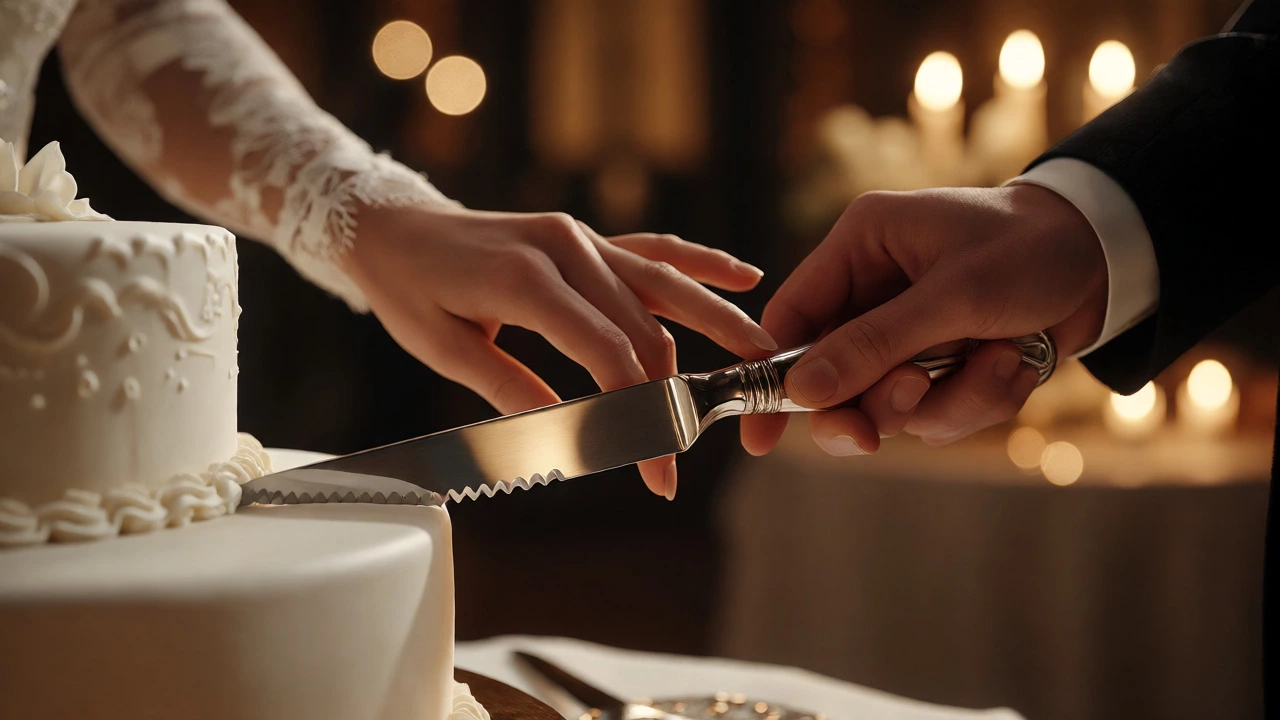
You’ve seen it a thousand times in movies and real life: the lights dim, the band plays a soft tune, and the couple approaches a towering confection. They place their hands together on the knife blade, slice through the frosting, and feed each other a bite. It looks romantic, sure. But have you ever wondered why they actually do it? Is it just for the photographer’s shot, or is there something deeper going on?
The truth is, this ritual isn’t just about getting dessert to the guests. It’s one of the oldest surviving wedding cake traditions that symbolizes unity, prosperity, and the couple’s first joint task as partners. Understanding the history behind the cut changes how you view the moment entirely. Whether you’re planning your own big day or just curious about the customs we follow without questioning, knowing the "why" adds a layer of meaning to the sugar and flour.
The Ancient Roots of Breaking Bread (and Cake)
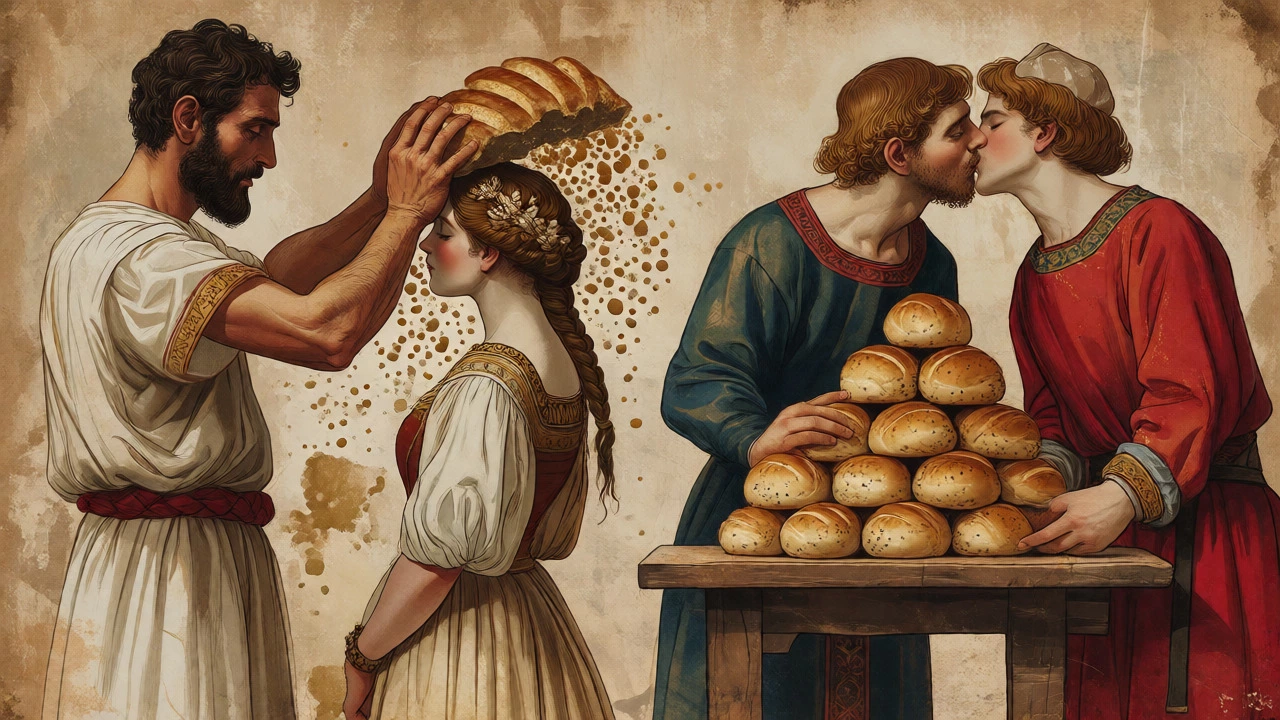
To get to the bottom of this, we have to go back way before fondant and tiered stands existed. In ancient Rome, the groom would break a loaf of barley bread over his bride’s head. This wasn’t an accident; it was a symbolic act meant to signify his dominance and her submission. Yikes, right? But it also represented fertility and good fortune. The crumbs were gathered by guests for luck.
Fast forward to medieval Europe, and things got sweeter-literally. Guests would bring small cakes and buns to the wedding feast. These were stacked high in the center of the table. The bride and groom would try to kiss over the top of the stack without knocking it over. If they succeeded, it was believed they’d have a prosperous life together. Eventually, someone decided that stacking dry biscuits was messy and hard to eat, so they started pouring sweetened icing over the pile. That sticky mess evolved into the modern cake we know today.
This evolution shows us that the wedding cake is not just food but a historical artifact of social bonding. It shifted from a tool of hierarchy to a symbol of shared joy. When you cut that cake now, you aren’t submitting to anyone. You’re participating in a centuries-old game of cooperation.
Symbolism Behind the Joint Slice
So, what does holding the knife together actually mean? Most wedding planners will tell you it represents the couple’s first joint action as a married pair. Think about it: marriage is about teamwork. Deciding where to live, how to spend money, and how to raise kids requires constant negotiation and coordination. Cutting the cake is a low-stakes rehearsal for those bigger challenges.
There are three main layers of symbolism here:
- Unity and Partnership: By placing both hands on the handle, the couple demonstrates that they face life’s tasks together. Neither person leads; they move as a unit. It’s a visual promise that burdens and joys will be shared.
- Prosperity and Fertility: Historically, sharing food was a sign of abundance. By feeding each other, the couple promises to provide for one another. In many cultures, the act of eating together signifies that they will never go hungry, literally or metaphorically.
- Trust and Vulnerability: Feeding someone else puts them in control of what enters your mouth. It’s a tiny act of trust. You’re letting your partner take care of you, even if it’s just a piece of sponge cake.
Some couples worry that the tradition feels outdated because of its patriarchal roots. But most modern interpretations strip away the gender roles. Today, it doesn’t matter who holds the knife tighter. What matters is the intent behind the gesture. It’s about choosing to share the sweetness of life with your chosen person.
How to Execute the Perfect Cut Without Disaster
We’ve all seen the awkward moments. One partner pulls while the other pushes. The cake wobbles. A tier slides off. Or worse, the knife gets stuck in the dense fruitcake, and everyone starts laughing nervously. To avoid becoming a meme at your own reception, you need a strategy.
First, practice makes perfect. Seriously. Ask your baker for a dummy tier or use a foam replica. Spend ten minutes practicing the grip. Your dominant hand should usually hold the knife handle, while your non-dominant hand rests gently on top of theirs to guide the angle. Don’t squeeze too hard. You want a steady pressure, not a wrestling match.
| Aspect | Do This | Avoid This |
|---|---|---|
| Hand Placement | Non-dominant hand lightly guides; dominant hand cuts. | Both hands gripping tightly like you’re sawing wood. |
| Knife Choice | Use a sharp, serrated knife provided by the caterer. | Using a dull butter knife or trying to cut with a fork. |
| Pace | Slow, deliberate slices for photos. | Rushing to finish before the music ends. |
| Feeding | Gentle bite, maybe a little playful smear. | Smashing the entire face of your partner in cake. |
| Eye Contact | Look at each other after the cut. | Looking only at the camera or the cake. |
Another pro tip: coordinate with your photographer. Tell them when you plan to make the first cut. They’ll position themselves for the best angle. Usually, the photographer wants to capture the moment your hands meet the knife and the moment you look up. If you rush, you’ll miss the shot. Take a breath. Smile. Then slice.
Modern Twists on a Classic Tradition
Not every couple wants to stick to the script. And honestly, that’s great. The tradition is flexible. Some couples skip the mutual feeding entirely because they hate sweets. Others replace the cake with a different dessert that means more to them, like a pie or a tower of donuts.
Here are a few creative alternatives we’ve seen in Sydney and beyond:
- The Champagne Toast Swap: Instead of feeding cake, some couples pour champagne into a glass tower (a croquembouche or similar structure) and toast. It’s less messy and keeps the focus on celebration rather than calories.
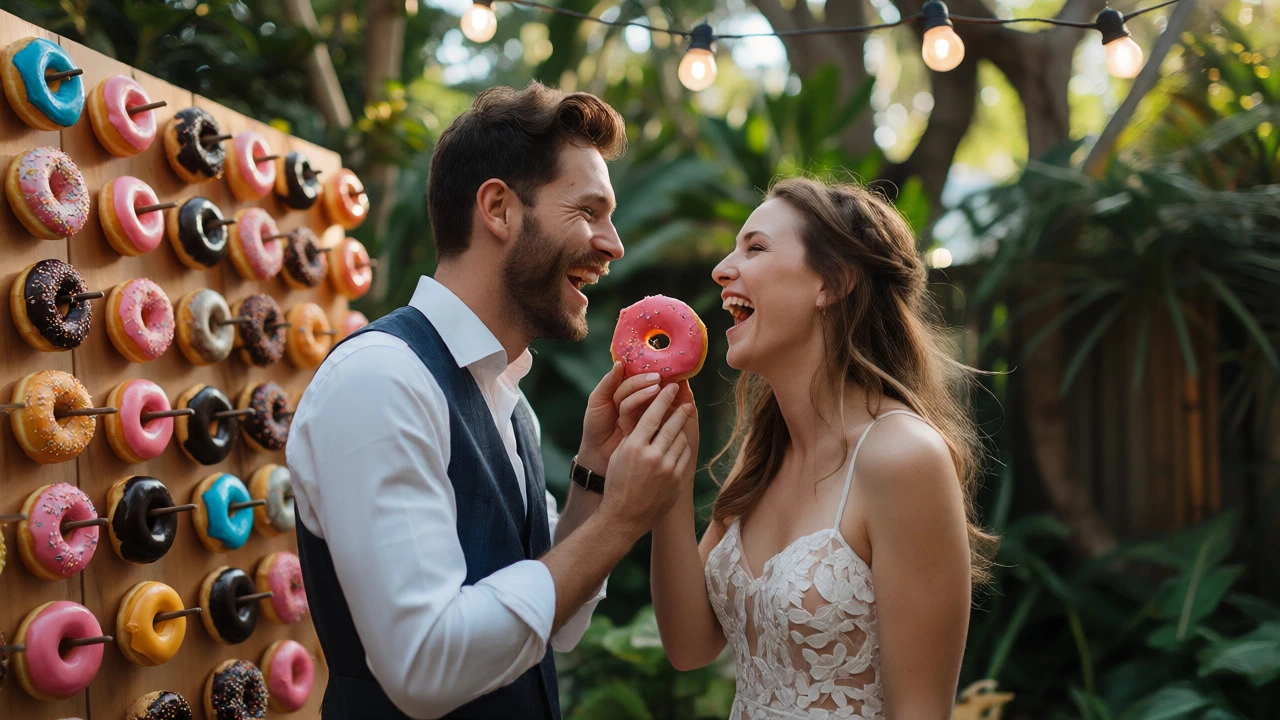
- Donut Walls: Popular in casual weddings, a wall of glazed donuts replaces the tiered cake. Couples pick one off the wall to share. It’s interactive and fun for guests.
- Chocolate Fountain Dip: For chocolate lovers, dipping strawberries or marshmallows into a fountain is a delicious twist. It’s still a shared activity but feels more relaxed.
- No-Cake Option: Some eco-conscious couples opt out of traditional baking altogether. They might serve ice cream cones or sorbet shooters. The key is maintaining the ritual of sharing the first treat together.
If you decide to ditch the cake, keep the symbolism. Make sure you still perform a joint action that represents your partnership. Maybe you light a candle together instead. The object matters less than the intent.
What Happens After the Cut?
Once the ceremonial slice is done, the real work begins for your catering team. Here’s a common misconception: the cake you cut is often not the cake everyone eats. Many couples pay extra for a "dummy" tier-the top layer that is styrofoam covered in fondant-to save money on edible ingredients. The actual serving cake is hidden in the kitchen.
If you’re using a fully edible cake, the staff will quickly distribute the slices to waiters. Timing is crucial. If the cake service drags on, guests get restless. Ideally, the cake is served during a lull in the dancing or right after dinner. Some venues prefer to serve it late at night as a midnight snack, which keeps the energy high on the dance floor earlier in the evening.
Also, consider the bottom tier. Traditionally, the bottom layer is saved for the couple’s first anniversary. Freezing it can be tricky, though. If you plan to do this, wrap it tightly in plastic wrap and foil, then place it in an airtight container. Label it with the date. When next year rolls around, thaw it slowly in the fridge overnight. Note that heavy fruitcakes freeze better than delicate sponge cakes with fresh cream fillings, which can separate upon thawing.
Etiquette for Guests Watching the Ceremony
If you’re attending a wedding and wondering when to clap or cheer, here’s the deal. The cake cutting is a performance moment. Silence is golden while they approach the table. Once the cut is made and they turn to feed each other, polite applause is appropriate. Cheering is fine, but don’t shout instructions unless you’re close family and the vibe is very informal.
Guests should also respect the photo opportunity. Step back. Let the photographers do their job. Nothing ruins a candid shot faster than an uncle walking across the frame holding a drink. Wait until the couple finishes their bite and moves away from the table before approaching to congratulate them or ask for a selfie.
For the couple, remember that this moment is for you, not just the audience. It’s easy to get caught up in performing happiness. Take a second to actually taste the cake. Share a laugh if it’s dry. Enjoy the connection. It’s a fleeting moment in a long day, so savor it.
Is it mandatory to cut the wedding cake?
No, it is not mandatory. While it is a popular tradition, many couples choose to skip it entirely or replace it with another ritual, such as lighting a unity candle or planting a tree. The choice depends entirely on personal preference and cultural background.
Who holds the knife during the cake cutting?
Traditionally, the groom holds the knife with his dominant hand, and the bride places her hand on top of his to guide it. However, modern couples often swap roles or hold the knife together symmetrically. There is no strict rule, and comfort should dictate the arrangement.
What kind of knife should be used for cutting the wedding cake?
A sharp, serrated knife is ideal for cutting through layers of sponge and filling without crushing the cake. Many caterers provide a specific cake-cutting set that includes a server and a decorative knife. Avoid using a standard chef’s knife or a dull butter knife, as these can damage the cake's structure.
Can I freeze my wedding cake for my first anniversary?
Yes, but it works best with dense cakes like fruitcake or mud cake. Light sponge cakes with fresh cream or mousse fillings do not freeze well and may become soggy or separate when thawed. Wrap the cake tightly in multiple layers of plastic wrap and aluminum foil to prevent freezer burn.
Why do people smash cake in faces?
The practice of smashing cake in a partner's face is a relatively modern, playful addition to the tradition. It originated in the mid-20th century as a humorous way to break the tension of the formal ceremony. It is optional and should only be done if both partners are comfortable with the mess.