Wedding Traditions Quiz: The Garter Toss
Loading question...
Quiz Complete!
You scored 0 out of 5.
You’re at a wedding reception. The music swells, guests cheer, and suddenly the groom is doing something that looks less like romance and more like a gymnastics routine. He’s kneeling, reaching, or sometimes even climbing under the bride’s wedding dress to retrieve a small piece of fabric called the garter. It’s awkward. It’s funny. And if you’ve ever wondered why on earth this happens, you’re not alone. This isn’t just a random quirk of modern weddings; it’s a leftover from centuries-old superstitions about luck, fertility, and proving that the marriage was actually consummated.
The Medieval Roots of the Garter Toss
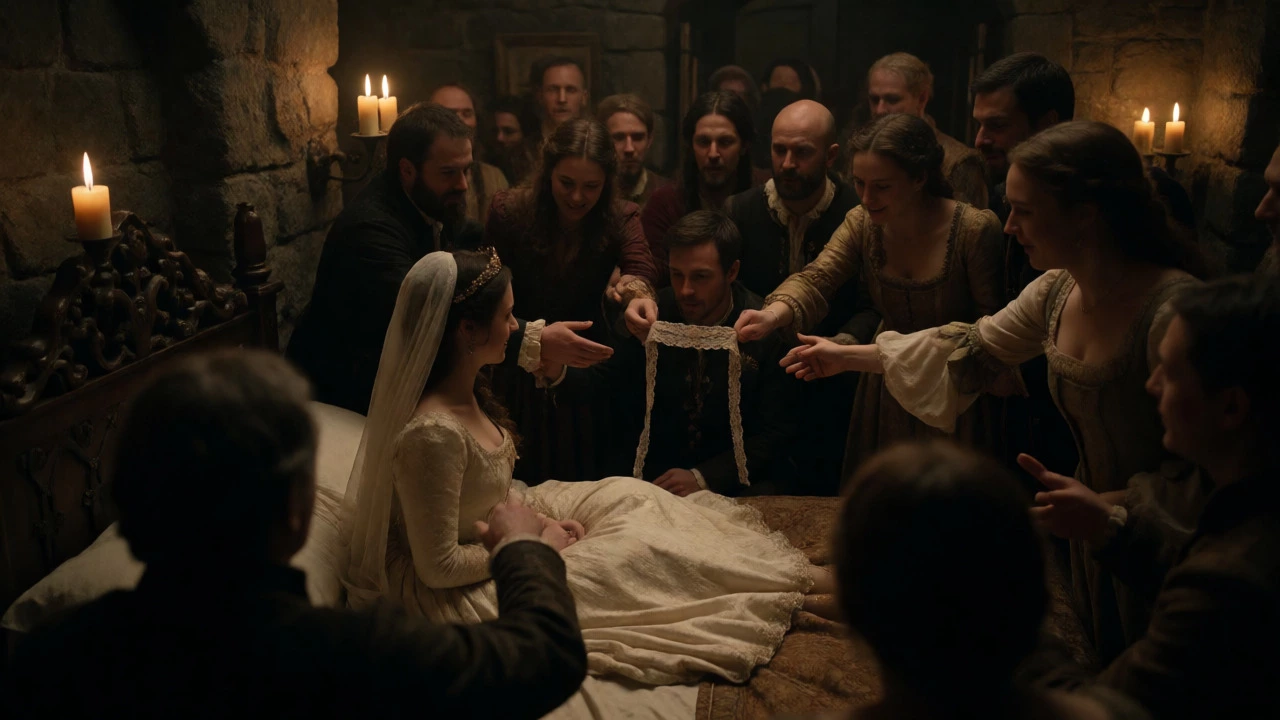
To understand why a grown man in a tailored suit is rummaging around his new wife’s legs, we have to look back to medieval Europe. Back then, guests didn’t just watch the couple leave; they followed them into the bridal chamber. Yes, really. They wanted to witness the first night. If they couldn’t get inside, they’d try to tear pieces off the bride’s clothing for good luck. A scrap of her veil or a strip of her stocking was considered a powerful talisman.
This created a problem. The bride needed a way to distract the mob without losing all her clothes. Enter the garter, a band of elastic or lace worn around the thigh to hold up stockings. By tossing the garter out the window or into the crowd, the groom could appease the guests while keeping the bride’s main outfit intact. Over time, this practical distraction evolved into a ritualized game.
From Public Witness to Private Symbol
In the Middle Ages, there was also a legal aspect to this. Witnesses often accompanied the couple to the bedchamber to verify that the marriage had been consummated. If the groom managed to remove the bride’s garter with his teeth (yes, with his teeth), it was seen as a sign of virility and potency. Guests would shout and celebrate. If he failed? Well, let’s just say the gossip traveled fast.
As society became more private, the public witnessing of the first night faded away. But the symbolism stuck. The act of removing the garter shifted from a literal proof of intimacy to a symbolic gesture of the groom taking possession of his bride’s “luck.” It became a playful nod to their new life together, minus the prying eyes of half the village.
How the Modern Garter Toss Works
Today, the tradition is mostly performed for entertainment during the reception. Here is how it usually plays out:
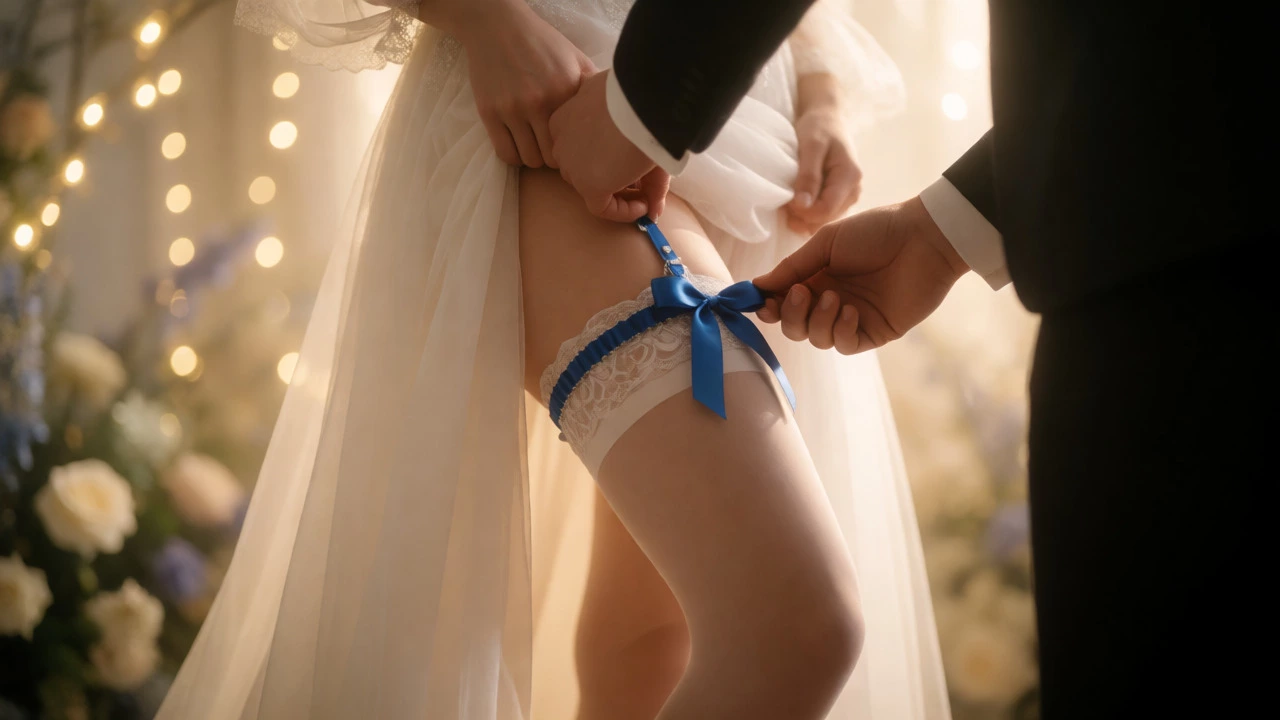
- The Setup: The bride wears two garters: one to keep (the "something blue" or heirloom) and one to throw (often cheaper, decorative).
- The Removal: The groom removes the tossable garter. He can use his hands, but many still attempt the traditional method using only their teeth. This is where the humor comes in-especially if he’s wearing a tight tuxedo jacket that limits movement.
- The Toss: The groom turns around and throws the garter over his shoulder to a group of single men, mirroring the bride’s bouquet toss.
- The Prize: The man who catches it traditionally gets to place the garter on the leg of the woman who caught the bouquet. In modern weddings, this final step is often skipped or replaced with a joint dance.

Why Some Couples Skip It (And Why You Should Consider It)
Not every couple loves this tradition. For some, it feels outdated or overly sexualized. Others find it physically uncomfortable, especially if the bride is wearing a heavy ballgown or if the groom has mobility issues. There’s also the risk of wardrobe malfunctions. If the dress is too tight or the garter is positioned high up, getting it off gracefully can be a challenge.
However, if you enjoy breaking the ice and adding a bit of lighthearted chaos to your reception, it works well. It gives the guys something to do besides standing against the wall holding drinks. Plus, it creates great photo opportunities. Just make sure the groom practices beforehand. There’s nothing worse than watching a groom struggle for five minutes while the DJ awkwardly waits for the beat drop.
Groom Fashion Tips for the Big Moment
If you are planning to do the garter toss, think about your attire. This moment requires flexibility. If you are wearing a very stiff, structured tuxedo, bending down might feel restrictive. Consider a suit with a bit of stretch in the trousers or ensure your jacket allows for arm movement.
Also, consider the length of your jacket. A long coat tails can get in the way when you are trying to reach under a skirt. Many grooms opt to take off their jackets before the toss to avoid pulling buttons or wrinkling the fabric. It’s a practical move that saves the suit and makes the action smoother.
| Aspect | Traditional Approach | Modern Adaptation |
|---|---|---|
| Removal Method | Teeth only (symbolizing virility) | Hands allowed (for comfort and speed) |
| Guest Interaction | High energy, rowdy cheering | Mild applause, often paired with bouquet catcher |
| Symbolism | Proof of consummation/luck | Fun party game/transition to dancing |
| Attire Impact | Minimal concern for suit structure | Consideration for jacket fit and trouser flexibility |
Alternatives to the Garter Toss
If the idea of your husband-to-be diving under your dress makes you cringe, you aren’t forced to do it. Many couples replace the garter toss with other activities. Some choose to skip it entirely and move straight to the first dance. Others incorporate the garter removal into the ceremony itself, making it a quiet, intimate moment between the couple rather than a public spectacle.
Another popular option is the "garter game," where the groom has to guess which leg the garter is on by feeling through the dress (with permission, obviously). It’s silly, interactive, and keeps the focus on the couple’s chemistry rather than just the physical act of undressing.
What Happens After the Catch?
Historically, the man who caught the garter was believed to be the next to marry. Today, it’s mostly a joke. However, some couples still ask the bouquet catcher and garter catcher to stand together for a photo, symbolizing future matches among friends. It’s a nice way to involve the single guests without forcing them into an uncomfortable spotlight.
Remember, the goal of any wedding tradition is to reflect your relationship. If the garter toss feels authentic to you, go for it. If it feels like a relic of a different era, drop it. Your guests will remember the laughter and the joy, not whether a specific piece of lace hit the floor.
Why does the groom remove the garter with his teeth?
Traditionally, removing the garter with the teeth symbolized the groom’s virility and strength. It was a playful display of masculinity meant to entertain guests and signal that the couple was ready for their marital duties. Today, many grooms use their hands for ease and dignity, but the teeth method remains a popular humorous choice.
Is the garter toss mandatory at weddings?
No, it is not mandatory. While it is a common tradition in Western weddings, particularly in the US, UK, and Australia, many modern couples choose to skip it. It is entirely up to the couple’s preference and comfort level regarding public displays of affection.
What should the groom wear to make the garter toss easier?
Grooms should choose suits or tuxedos with some flexibility in the trousers and jacket. Avoid overly stiff fabrics or tight cuts that restrict bending. Removing the jacket before the toss is a common strategy to prevent wrinkles and allow for better range of motion.
Who pays for the garter?
Typically, the bride purchases the garters. She may buy a special silk or lace one for herself to keep and a simpler, decorative one for the toss. Sometimes, the maid of honor helps select these items as part of the bridal preparations.
Does the garter toss happen before or after the cake cutting?
There is no strict rule, but it often occurs after the dinner service and before the dancing begins. Some couples do it immediately after the bouquet toss, while others save it for later in the evening when the energy is higher. It depends on the flow of your reception schedule.