Bridal Makeup Cost Estimator
Understand why bridal makeup quotes are higher than regular appointments. Adjust the sliders to see how time, travel, and skill contribute to the final price.
Service Details
Estimated Quote Breakdown
You just got the quote. It’s double, maybe triple, what you pay your regular aesthetician for a night out. You sit there staring at the number, wondering if they’re pulling your leg or if there’s some secret tax on happiness. Here is the truth: bridal makeup isn't just "regular makeup" done by someone with a fancier brush. It is a specialized service involving high-performance products, hours of prep work that happens before you even walk in the door, and a level of durability that standard cosmetics simply cannot match.
If you are planning a wedding in Sydney or anywhere else, understanding where that money goes helps you budget without feeling ripped off. It’s not about vanity; it’s about physics, chemistry, and logistics. Let’s break down exactly why your face costs more on your big day than it does on a Friday night.
The Product Difference: HD and Long-Wear Formulas
When you buy drugstore foundation, you’re buying convenience. When a professional buys bridal-grade products, they are buying performance. Standard makeup often breaks down under heat, humidity, tears, and sweat within four to six hours. Wedding days, however, can last twelve to fourteen hours. A bride might start getting ready at 7 AM and dance until midnight.
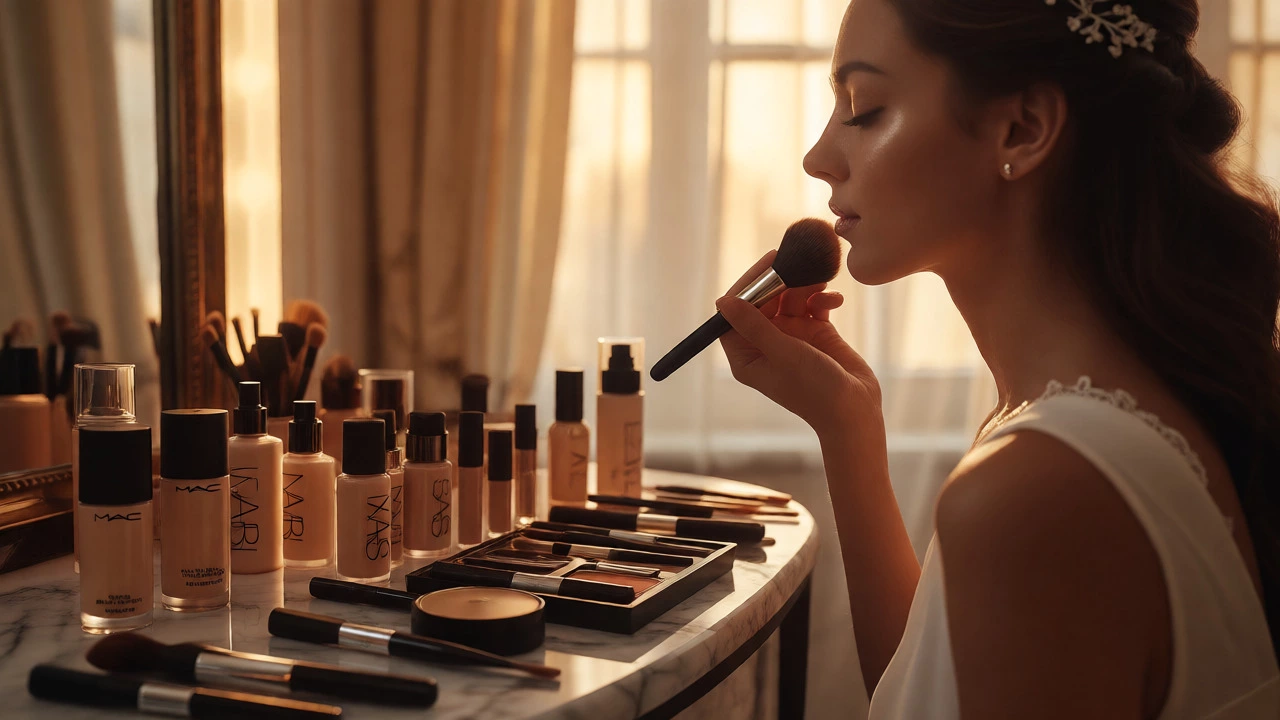
Professional artists use specific lines like MAC Pro, NARS, or Make Up For Ever. These brands formulate their foundations with higher pigment loads and polymers that lock color onto the skin. They are also designed to be photograph-friendly. Ordinary makeup can look great in person but turn orange or ashy under harsh camera flashes or natural sunlight. Bridal products are engineered to look flawless both to the naked eye and through a lens.
This comes at a cost. A single bottle of professional setting spray might cost $40, whereas a drugstore version is $15. But the real expense isn’t just the sticker price; it’s the inventory. Artists have to stock dozens of shades to match every skin tone perfectly. If they guess wrong, they have to mix custom shades on the spot, which takes time and skill. You aren’t paying for the product alone; you’re paying for the guarantee that it won’t slide off when you cry during your vows.
The Trial Run: The Hidden Cost of Perfection
Most people forget this part: you rarely get just one appointment. A standard makeup trial is included in the package price, or sometimes charged separately, but it always adds to the total labor hours. During a trial, which usually lasts two to three hours, the artist tests different looks, adjusts colors based on your dress, and ensures you feel comfortable.
Think about it from their perspective. If they spend three hours with you in May for a trial, and then another three hours on your actual wedding day in October, they’ve invested six hours of skilled labor into your face. A regular makeup session for a party is typically 45 minutes to an hour. The bridal rate reflects this extended commitment. If you cancel the wedding, the artist has already spent those hours prepping, consulting, and reserving their calendar slot exclusively for you.
| Service Type | Average Duration | Prep Work Included | Product Usage |
|---|---|---|---|
| Regular Event Makeup | 45-60 Minutes | Minimal (Quick consult) | Standard Consumer Lines |
| Bridal Makeup (Day Of) | 90-120 Minutes | Extensive (Skin prep, primer layers) | High-End Professional Lines |
| Bridal Trial | 120-180 Minutes | Full Consultation & Testing | Multiple Products Tested |
Skill Level and Specialization
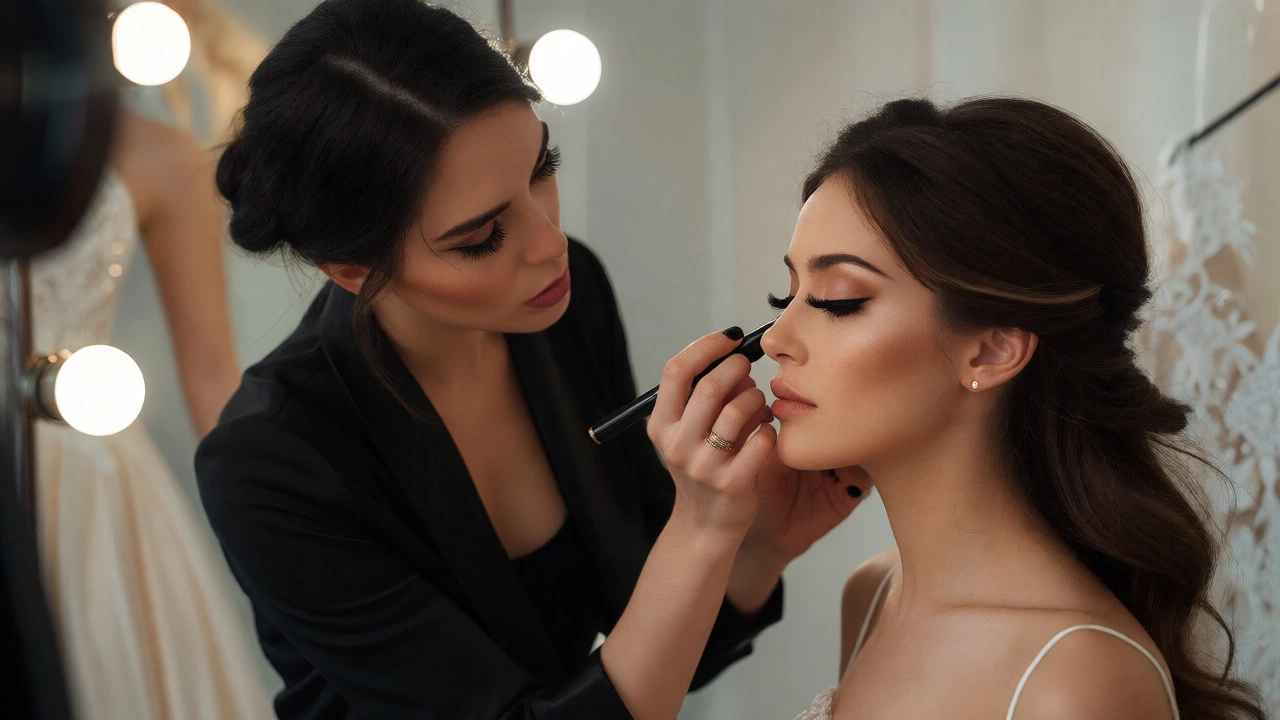
Not all makeup artists are created equal. A generalist might do proms, photoshoots, and occasional weddings. A dedicated bridal specialist focuses almost exclusively on brides. This specialization requires advanced training in lighting conditions, longevity techniques, and emergency touch-ups.
Bridal artists need to know how to contour for video cameras versus still photography. They need to understand how different fabrics reflect light so your blush doesn’t clash with your lace veil. This knowledge comes from years of practice and continuing education. Many artists attend workshops specifically for bridal trends, which cost money and take them away from billable hours. When you hire a specialist, you are paying for their expertise in handling high-stress situations where mistakes cannot be fixed with a quick wipe and reapply.
Consider the stakes. If a regular client hates their eyeliner, they can fix it themselves or go back tomorrow. If a bride hates her makeup, she can’t redo her wedding. That pressure demands a higher skill tier, and skilled professionals charge accordingly.
Travel, Timing, and Early Mornings
Here is a logistical reality most couples overlook: timing. Weddings don’t happen at noon. They happen at sunset, which means makeup starts at dawn. If your ceremony is at 4 PM, you likely need to be glammed up by 10 AM or earlier to account for hair, dressing, and photos.
This means the artist is working unsociable hours. They are waking up at 5 AM to drive across town-or worse, to a venue outside the city center. Travel time is unpaid labor. If they have to commute 45 minutes each way, that’s 1.5 hours of their day gone before they pick up a brush. Most bridal packages include a travel fee to compensate for this inconvenience and wear-and-tear on their vehicle.
Additionally, the schedule is rigid. Unlike a salon appointment where you can reschedule if you’re running late, a wedding timeline waits for no one. If the bride is late, the photographer loses light, the caterer’s food gets cold, and the DJ’s schedule shifts. The artist charges a premium because they are holding their entire morning hostage for you. They cannot book another client at 10 AM because they are committed to being at your venue since 8 AM.
Durability Testing and Weather Factors
Australia is beautiful, but our weather is brutal on makeup. In Sydney, humidity can hit 80% in summer. Sweat and oil production increase significantly under stress and heat. Regular makeup melts. Bridal makeup must survive dancing, hugging relatives who smell like perfume, and possibly crying happy tears.
To achieve this, artists use multiple layers. It’s not just foundation. It’s skincare prep, hydrating mist, primer, color-correcting concealer, foundation, powder, cream blush, powder blush, eyeshadow primer, shadow, liner, false lashes, mascara, lip liner, lipstick, and setting spray. Each layer adds durability but also increases the amount of product used per client. While the product cost per head might only be $20-$30, the technique required to make it last eight hours without looking cakey is an art form.
Artists also carry emergency kits. Blotting papers, extra lashes, safety pins, and touch-up palettes are standard. If your lipstick smudges during dinner, they might come back for a quick fix. This availability is part of the service contract. You are paying for peace of mind that if something goes wrong, help is on standby.
Is It Worth the Extra Cost?
Let’s look at the numbers realistically. In Australia, a regular event makeup session might range from $80 to $120 AUD. A full bridal package, including a trial and day-of service, often ranges from $350 to $600+ AUD. Why the jump?
- Labor Hours: You are paying for 4-6 hours of skilled labor instead of 1 hour.
- Exclusivity: The artist blocks their entire day for you.
- Risk Management: High-end products reduce the risk of makeup failure in photos.
- Convenience: On-site service saves you from traveling to a salon early in the morning.
If you are having a small elopement at home and don’t care about professional photography, you might skip the pro and do it yourself. But if you want your wedding album to look timeless ten years from now, the investment protects your memories. Cheap makeup fades, oxidizes, or disappears under flash. Quality bridal makeup holds its structure.
Do I really need a makeup trial?
Yes, absolutely. A trial allows you to test how the products react with your skin type over several hours. It also lets you communicate your preferences clearly so there are no surprises on the wedding day. Skipping the trial risks dissatisfaction and wasted time on the critical morning of your wedding.
Can I bring my own makeup products?
You can, but most artists prefer using their own professional kit. They know how their products layer and set. Bringing your own may void their guarantee that the makeup will last all day. If you have sensitive skin or allergies, discuss this during the trial so they can accommodate you.
How far in advance should I book a bridal makeup artist?
Book 6 to 12 months in advance. Popular dates fill up quickly, especially during peak wedding seasons in spring and autumn. Booking early secures your preferred artist and gives ample time for trials and adjustments.
What happens if I’m running late on the wedding day?
The artist will work efficiently, but delays can compress their schedule. Communicate immediately. Some artists charge overtime fees if the delay extends beyond the agreed-upon window, as it impacts their ability to serve other clients or leave on time.
Does bridal makeup hurt my skin?
Not if done correctly. Professional artists use non-comedogenic products and ensure proper removal afterward. However, heavy layering can clog pores if not cleansed thoroughly. Always remove makeup gently and follow up with your regular skincare routine post-wedding.