Wedding Attire Decider
Not sure if you should skip the tie? Answer three simple questions to get a tailored verdict.
Not sure if you should skip the tie? Answer three simple questions to get a tailored verdict.
You might be standing in front of your closet wondering if you really have to wear that uncomfortable piece of fabric around your neck. The short answer is yes, absolutely, a groom can choose not to wear a tie. But while the rule has loosened significantly by 2026, there's a fine line between looking stylish and looking sloppy. It isn't just about cutting a knot; it's about understanding what fills the space left behind.
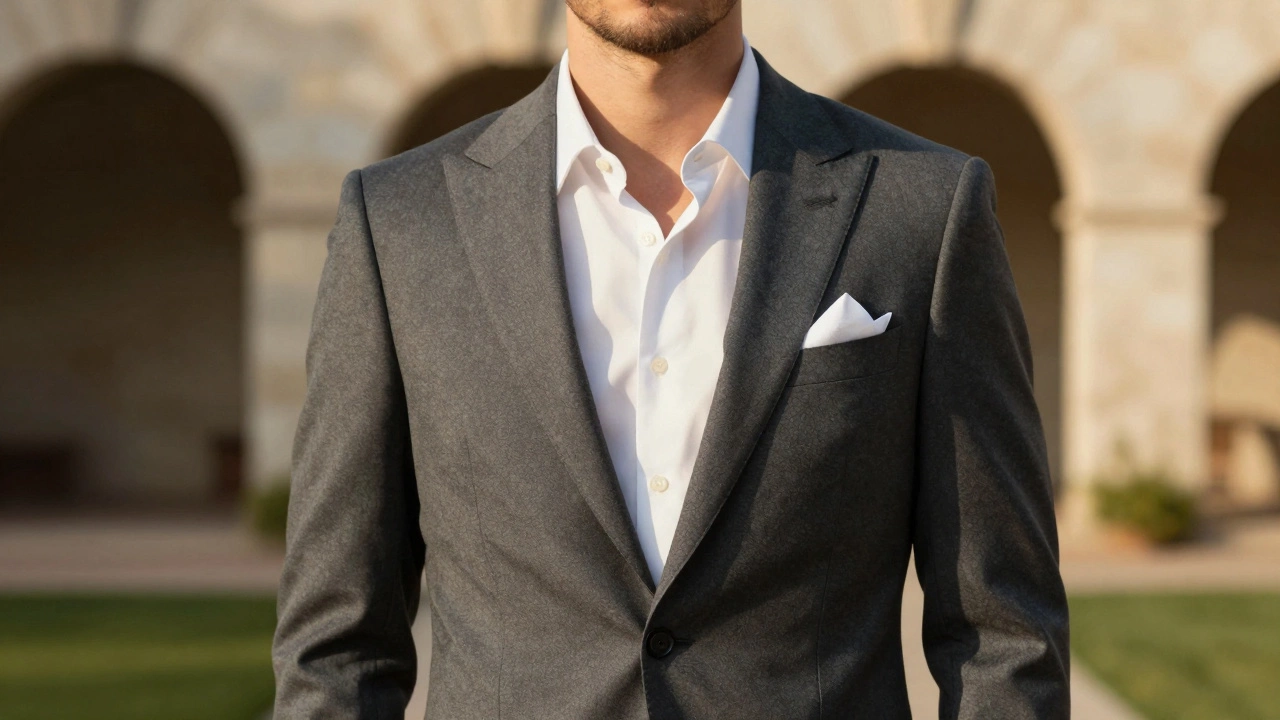
Fashion evolves slowly, but wedding attire has accelerated faster than any other sector recently. Twenty years ago, showing up to a ceremony without a tie felt like a breach of contract. Today, we see grooms walking down aisles in sharp Wedding Suitstailored ensembles designed specifically for nuptial ceremonies with their collars popped open, confident and comfortable.
This shift began with the rise of destination weddings. Think beach venues in Santorini or mountain lodges in Colorado. In these settings, heavy silk ties became impractical. The humidity alone could make a cotton blend wilt. As guests saw grooms skipping ties in magazine spreads and social media, the anxiety faded. Now, in 2026, "modern classic" is a recognized aesthetic category that often omits the standard necktie entirely.
However, the permission to skip a tie doesn't mean you can wear just any outfit. It requires more intentionality. A tie hides flaws; it draws the eye down the center of your chest. Without it, your shirt fit and the drape of your jacket take center stage. If the shoulder pads sag or the shirt bunches, you won't have a tie to mask the error.
Before you ditch the tie, look at the invitation and the venue. These two elements dictate the acceptable level of formality.
| Scenario | Verdict | Key Requirement | |
|---|---|---|---|
| Casual / Semi-Formal | Daytime Outdoor | ✅ Go Tieless | Linen shirt, lightweight blazer |
| Evening Urban | ⚠️ Optional | Dark suit, open collar button-up | |
| Formal | Black Tie Optional | 🚫 Avoid | Requires Bowtie or Long Tie |
| Traditional Church | ⚠️ Consult Family | Conservative families may expect one | |
A Sunday morning brunch wedding is perfect for a no-tie look. You can pair a light-colored sport coat with an Oxford cloth button-down shirt. This feels relaxed yet put-together. Conversely, a 6:00 PM ceremony in a Gothic cathedral implies tradition. If the bride is wearing a ballgown and the setting is historic, skipping the tie creates a visual imbalance. She looks like royalty; you look like you're going to work.
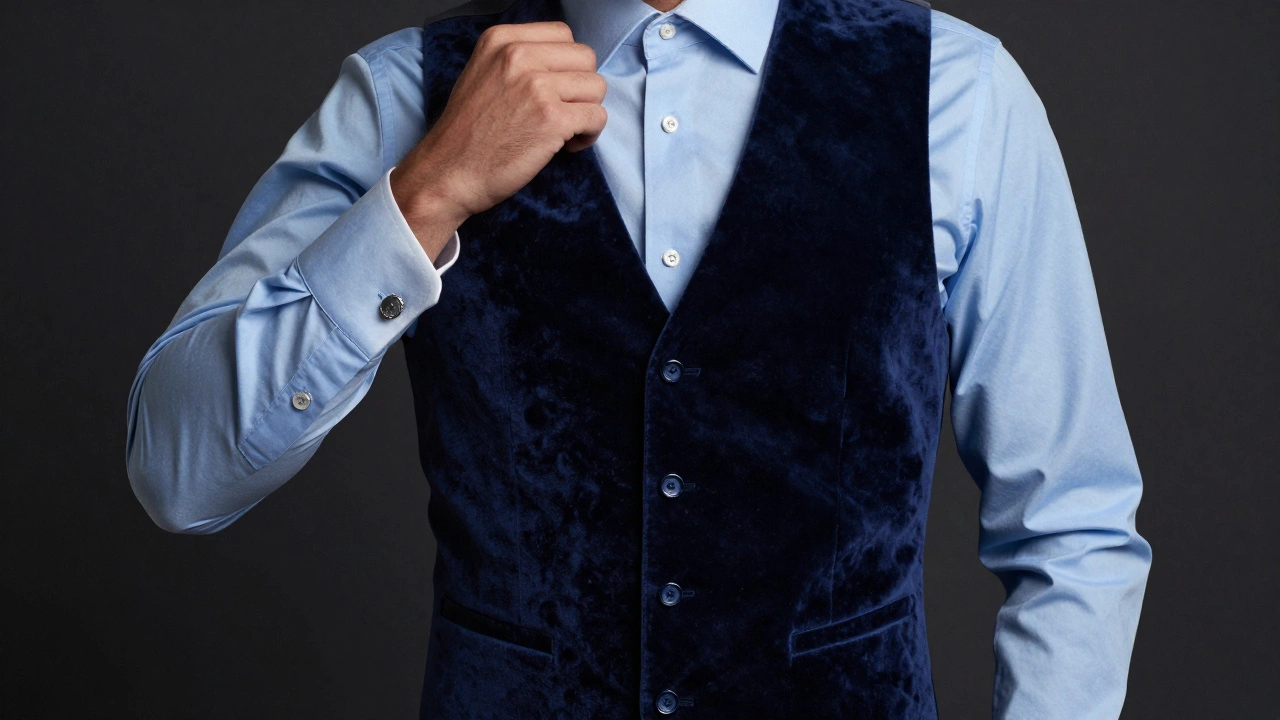
Sometimes you want the coverage of a tie without the strangulation of a tight knot. There are three excellent substitutes that maintain structure.
If you are worried about being "too casual," switch to a Bowtiea short, wide necktie tied horizontally across the collar. It anchors the neck visually like a regular tie but adds instant personality. In 2026, textured fabrics like wool or velvet are making a comeback. A patterned bowtie gives you a pop of color that breaks up the monotony of a solid black suit. Plus, it pairs perfectly with a cummerbund or vest, bridging the gap between formal and fun.
A three-piece suit is old money, new money, everything money. Adding a vest is the ultimate trick to looking polished without a tie. The vertical lines created by the buttons of a waistcoat replace the vertical line of a tie. This allows you to wear an open-collared shirt underneath while still maintaining a layered, formal silhouette. It adds warmth during winter weddings too, making it practical.
Less common, but highly fashionable in Europe and increasingly popular in urban US settings. A cravat sits slightly lower than a standard necktie and drapes differently. It signals high style awareness. While it requires practice to tie well, it offers a distinct alternative to the corporate necktie vibe.
Without a tie, your shirt isn't hiding behind fabric anymore. The collar quality dictates how good the whole outfit looks.
Stay away from thin, flimsy cottons that get wrinkled after one hour. You need structure. A spread collar or a cutaway collar works best because it frames the neck area even when the top button is undone. These wider shapes create a nice triangle shape on your chest that fills the void left by the tie.
Consider the placket. On many budget shirts, the placket (the strip of fabric holding the buttons) gets puckered after washing. A barrel-placket or French cuff style shirt holds its shape better. Also, ensure the armhole fits. If the sleeve pulls when you reach out, the shirt pulls at the chest. That tension shows up clearly without a tie to draw attention away.
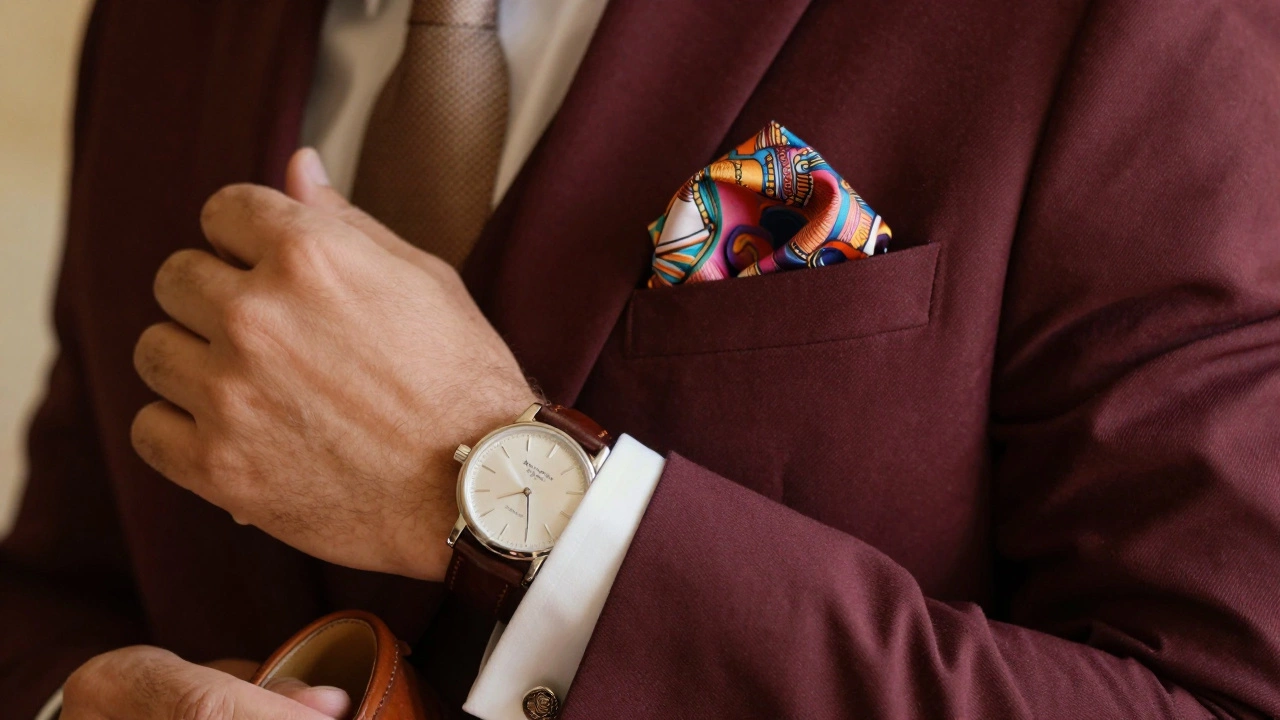
If you leave out the tie, you can't just walk in bare-faced. You need other accents to complete the Groom Attirethe total ensemble worn by the male partner during the ceremony.
People ask me constantly about the risks. Here is the reality check on the fears.
No, not if the couple agrees. The biggest mistake grooms make is deciding this alone. Always run the look by your partner. If she loves the idea, no guest can say otherwise.
Actually, it photographs better. Photographers love clean lines. Without a tie, there is no worrying about the knot shifting in wind or sweat. It makes the portrait session easier. Just ensure your hair is styled back enough so your face stands out.
Just smile and say it's part of the modern look. Most younger generations won't blink. Older relatives might comment, but remember it's your day.
Fashion rules are meant to guide you, not chain you. The beauty of the wedding industry in 2026 is that comfort meets couture. You can stand tall in your Suit Jacketa tailored upper garment worn over a shirt, feeling the fabric breathe against your skin, breathing freely without a knot choking you. If you respect the event's formality and coordinate with your partner, the tie is optional. Your confidence is the only mandatory accessory anyway.
Technically, a standard tuxedo calls for a black bow tie. However, for a "Black Tie Optional" wedding, you can omit the tie if the jacket is dark charcoal rather than midnight blue or satin-lapel black. For strict Black Tie, keep the bow tie.
White is the classic safe choice. Light blues and pale pinks also work well. Avoid loud patterns unless the rest of your suit is very solid, as too much print on the shirt can look messy without a tie to ground it.
Not strictly necessary. A high-quality blazer with structured shoulders works fine. A vest adds warmth and formality, making the look appear intentional rather than accidental.
It is risky. Traditional religious institutions often associate ties with respect and reverence. If the venue is conservative, ask the officiant or senior family members before skipping the tie to avoid controversy.
It depends on the season. Summer evenings allow for open collars. Winter evenings usually require a tie or scarf to maintain warmth and structure against colder environments.