
Wedding Invitation Timeline Planner
Save-the-Dates
Send By
Invitations
Mail/Send By
RSVP Deadline
Guests Reply By
Why this timeline?
You’ve picked the venue, tasted the cake, and finally locked in your date. Now comes the part that makes most couples sweat: when to send wedding invitations. It’s not just about getting them in the mail; it’s about managing guest expectations, securing travel plans, and ensuring you don’t end up with empty seats or a catering bill based on a guess.
The short answer? There is no single "magic number." The right timeline depends entirely on where you’re getting married, who you’re inviting, and how much notice people need to rearrange their lives. But there are solid rules of thumb that keep stress low and attendance high. Here is exactly how to time it, broken down by scenario.
The Standard Rule for Local Weddings
If you are hosting a traditional ceremony within driving distance of your guests, the gold standard is sending formal wedding invitations six to eight weeks before the big day. This gives people enough time to check their calendars, arrange childcare, and book time off work without feeling rushed. Sending them earlier than ten weeks often leads to lost invites-guests put them in a drawer and forget they exist. Sending them later than four weeks looks like an afterthought and can feel disrespectful to those traveling from out of town.
For this timeline, pair your invites with a clear RSVP deadline set three to four weeks before the wedding. Why so early? You need two full weeks to chase down stragglers and give your caterer final headcounts. If you wait until one week before, you’ll be calling relatives at midnight trying to confirm if Aunt Linda is bringing her plus-one.
Destination Weddings Need More Lead Time
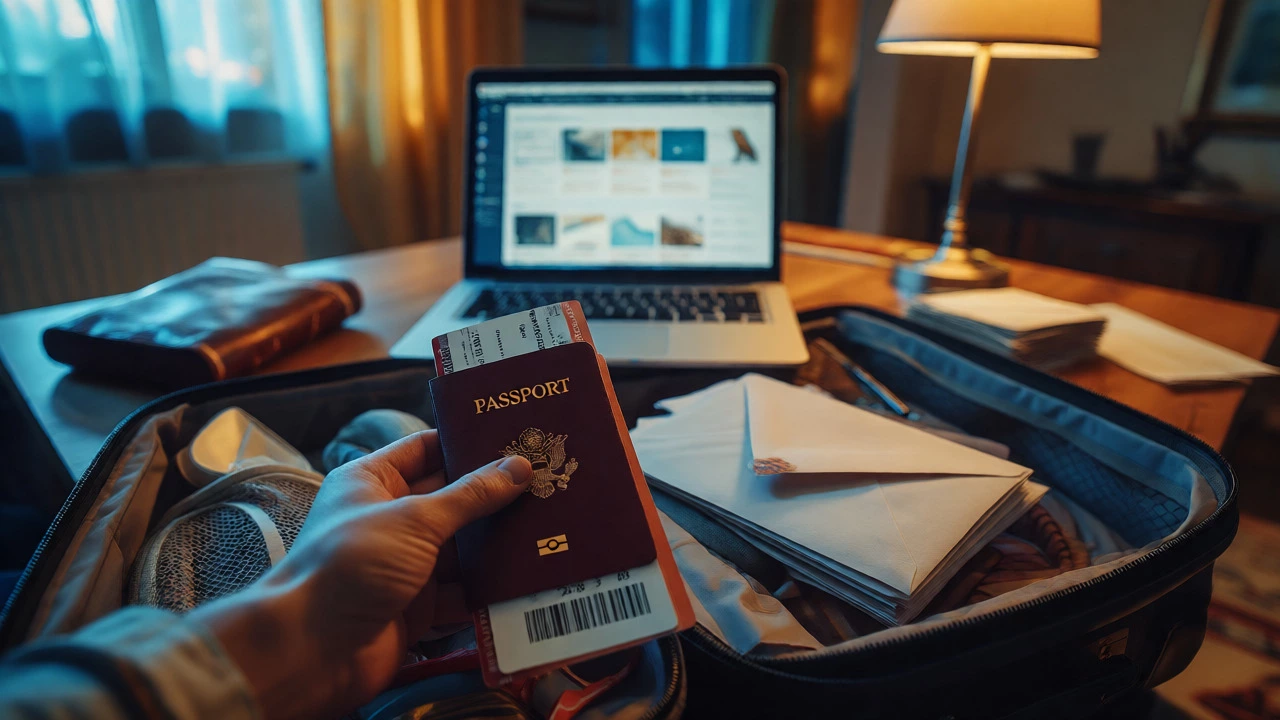
Travel changes everything. If your wedding involves flights, hotels, or passports, you cannot stick to the six-week rule. Guests need time to budget for expensive trips and coordinate vacation days. For destination weddings, send invitations three to four months in advance.
This extended window allows guests to:
- Compare flight prices and lock in deals.
- Block hotel rooms near the venue before rates spike.
- Arrange pet sitters or house-sitters for long absences.
- Plan around school breaks or work conferences.
Crucially, you must send save-the-dates for destination weddings even further ahead-six to twelve months prior. These aren't optional courtesy cards; they are essential tools for helping guests secure affordable travel. Without them, many guests will assume they can’t afford the trip and decline before the formal invite even arrives.
Summer Weddings and Holiday Conflicts
Timing shifts when you’re fighting the calendar. Summer is peak wedding season, meaning your guests might already have other weddings, graduations, or family reunions booked. In these cases, lean toward the earlier side of the standard range: send invites eight to ten weeks out. This helps your guests prioritize your event over competing summer obligations.
Holidays present a different challenge. If you’re marrying during Thanksgiving, Christmas, or New Year’s, send invitations four to five months in advance. People plan holiday travel months ahead. If they don’t know you’re getting married until November, they may have already committed to visiting cousins in another state. Early notice lets them consolidate trips or adjust plans specifically for your celebration.
The Digital vs. Paper Dilemma
Many couples now use hybrid approaches. You might send digital save-the-dates immediately upon booking the venue, followed by paper invitations closer to the date. This works well for younger crowds who prefer email links, but be careful with older relatives. A generic email link can sometimes get lost in spam folders or ignored as marketing noise.
If you go digital-only for the main invite, ensure you track opens and clicks. Tools like Paperless Post or Greenvelope provide analytics, letting you see who has viewed the invite but hasn’t RSVP’d. With paper invites, you rely on phone calls and texts. Whichever method you choose, consistency matters. Don’t mix digital and paper invites for the same guest group unless you have a specific reason (like elderly grandparents who hate screens).
| Wedding Type | Save-the-Date Timing | Invitation Timing | RSVP Deadline |
|---|---|---|---|
| Local / Traditional | 6-8 months prior | 6-8 weeks prior | 3-4 weeks prior |
| Destination | 9-12 months prior | 3-4 months prior | 6-8 weeks prior |
| Holiday Season | 8-10 months prior | 4-5 months prior | 8-10 weeks prior |
| Last Minute | N/A | 2-4 weeks prior | 1 week prior |
What About Last-Minute Weddings?
Sometimes life happens. You elope, or you decide to marry quickly due to visa requirements or health reasons. If you’re under two months’ notice, skip the save-the-dates entirely. They add confusion rather than clarity. Send formal invitations-or a polished digital announcement-as soon as possible, ideally two to four weeks before the date.
In these scenarios, communication style matters more than formality. A heartfelt phone call or personal video message often lands better than a stiff card arriving late. Explain why the timeline is compressed. Most friends and family will appreciate the honesty and rush to make it work, especially if you handle the logistics simply (e.g., casual dress code, local venue).
Common Pitfalls to Avoid
One major mistake is waiting for the final design proof before mailing. Printing takes time. Add two weeks to your mental timeline for printing and addressing. Another error is setting RSVP deadlines too close to the wedding. Caterers usually require final counts 7-10 days out. If your RSVP deadline is 5 days out, you have zero buffer for follow-ups.
Also, consider your address list accuracy. Update addresses for anyone who moved recently. Returned mail delays RSVPs and creates unnecessary panic. Double-check spelling of names-especially hyphenated ones. Nothing annoys a guest more than receiving an invite addressed to "Mr. Smith" when they’ve been Mrs. Jones-Smith for years.
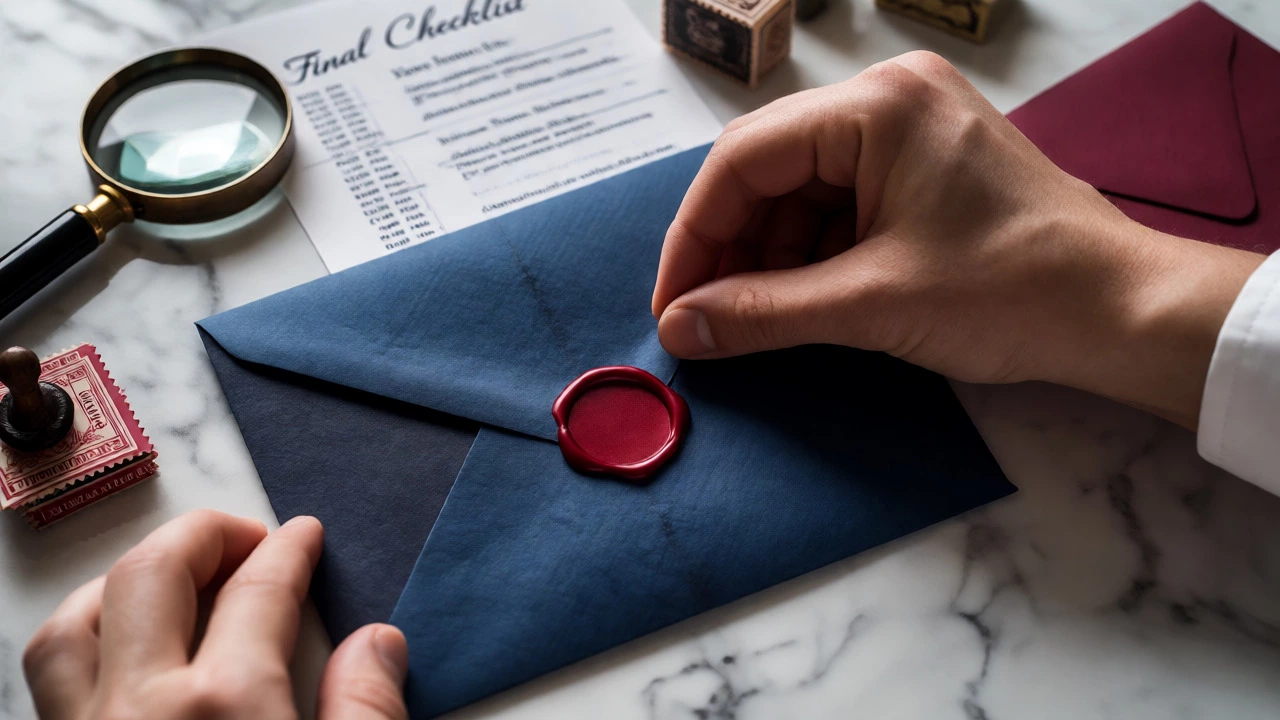
Final Checklist Before You Mail
- Verify Dates: Triple-check the wedding date against your contract and calendar.
- Test Print: Order one sample suite to check colors and font readability.
- Calculate Stamps: Heavy envelopes require extra postage. Buy non-machinable stamps if your envelopes are square or odd-shaped.
- Prepare Reply Cards: Ensure self-addressed stamped envelopes are included if required.
- Digital Backup: Have a website URL ready for detailed info (travel, registry, schedule) to keep the physical invite clean.
Getting the timing right isn’t about perfection; it’s about respect for your guests’ time. By aligning your invitation timeline with their logistical needs, you remove friction from their decision-making process. They say yes faster, plan better, and arrive relaxed. And honestly, that’s worth every second spent addressing envelopes.
Do I really need save-the-dates for a local wedding?
Not always. For local weddings where guests live nearby and don't need to travel, save-the-dates are optional. However, they are helpful if you have many guests with young children who need to arrange childcare, or if your wedding falls on a busy weekend. If you're unsure, a simple digital email announcement 6 months out serves the same purpose without the cost of printing.
What if my guests haven't RSVP'd by the deadline?
Don't panic. Set aside one week after the deadline to follow up personally. Call or text them directly. Often, people mean to reply but got busy. A friendly reminder like, "Hey! Just checking if you can make it-we're finalizing numbers for the caterer," usually gets a quick response. If they still don't respond, assume they aren't coming to avoid paying for an empty seat.
Can I send invitations via email instead of mail?
Yes, especially for casual weddings or younger guest lists. Digital invitations are eco-friendly, cheaper, and easier to track. However, for formal black-tie events or older relatives, physical paper invitations carry more weight and tradition. If you go digital, ensure the platform allows easy RSVP tracking and provides a mobile-friendly view.
How far in advance should I order the invitations?
Order your invitations 3-4 months before you plan to mail them. Custom designs take longer to produce than stock options. Add extra time for revisions, proofs, and shipping. If you're using a boutique printer, ask about turnaround times early in the planning process to avoid last-minute stress.
Should I include a registry link on the invitation?
Traditionally, no. Etiquette suggests keeping the main invitation focused on the event details. Include a small insert card or direct guests to your wedding website where the registry is listed. Putting the registry directly on the invite can sometimes feel transactional, though modern norms are becoming more flexible.