Wedding Flower Cost Estimator
Find Your Perfect Flowers
Estimate costs based on seasonality and your preferences. Select your wedding date and flower choices to see availability and estimated pricing.
Your Flower Estimate
Recommended Alternatives
When you walk into a wedding venue and see those lush, fragrant arrangements lining the aisle or sitting atop the reception tables, you might think it’s pure magic. But behind every stunning bouquet is a well-worn playbook. Florists don’t pick flowers randomly-they rely on a shortlist of reliable, beautiful, and practical blooms that work season after season, year after year. If you’re planning a wedding and wondering what flowers florists actually reach for most, the answer isn’t about trends. It’s about performance.
Peonies: The Wedding Classic That Never Fades
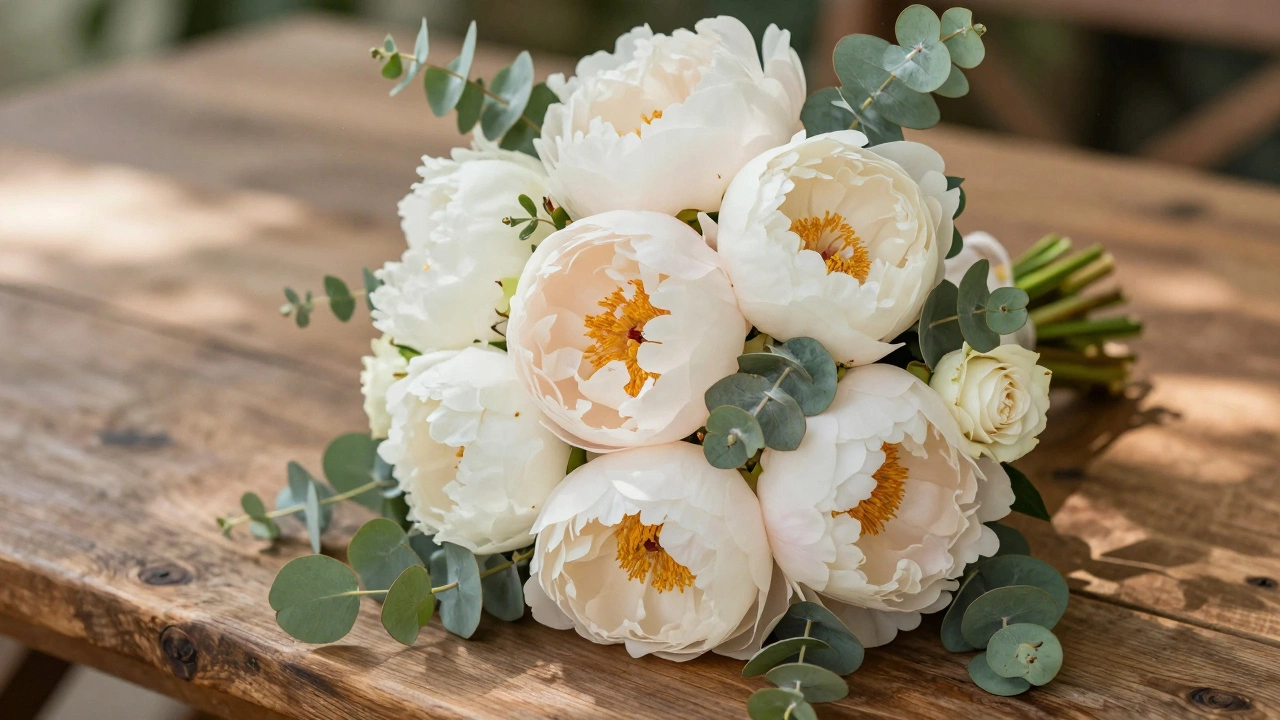
Peonies are the undisputed queen of wedding flowers. Their full, ruffled petals look like something out of a fairy tale, and they’ve held the top spot for over a decade. Florists love them because they’re dramatic without being loud, and they pair beautifully with almost anything-roses, eucalyptus, ranunculus. But here’s the catch: peonies have a short season. They peak in late spring, around May and early June, which is why so many June weddings are booked around them. If you’re getting married outside that window, your florist might suggest garden peonies (a more affordable, longer-lasting hybrid) or even substitute with tree peonies for a similar look. They’re expensive, yes-often $5 to $8 per stem-but brides keep coming back because nothing else gives that same soft, romantic volume.
Roses: Timeless, Versatile, and Always in Stock
If peonies are the queen, roses are the backbone. Florists keep roses in stock year-round because they’re reliable. Whether it’s a classic red, soft blush, or crisp white, roses hold their shape, last for days, and come in hundreds of varieties. For weddings, the go-to is usually the Garden Rose-a fuller, more fragrant version of the standard rose. They’re less uniform than supermarket roses, which makes them feel more organic and luxurious. A typical bridal bouquet might include 8 to 12 garden roses, with stems wrapped in greenery. They’re also the most common flower in boutonnieres and centerpieces because they’re sturdy enough to survive travel, heat, and handling. Unlike peonies, roses are available in every season, which is why they’re the safety net for every florist.
Calls and Eucalyptus: The Secret Sauce
Most people don’t notice the green stuff. But if you look closely at any professional wedding arrangement, you’ll see it everywhere-long, silvery stems of eucalyptus, trailing vines of ivy, or delicate ferns. These aren’t just filler. They’re structural. Florists use eucalyptus (especially the silver dollar or seeded variety) because it’s flexible, fragrant, and lasts longer than most foliage. It adds movement and texture without competing with the blooms. Calla lilies are another staple, especially for modern or minimalist weddings. Their sleek, architectural shape works in both traditional and contemporary designs. They’re also surprisingly durable, holding up well in heat and humidity. Many florists will use 3 to 5 stems of eucalyptus for every one rose or peony. That’s not decoration-that’s engineering.
Ranunculus: The Underdog That’s Taking Over
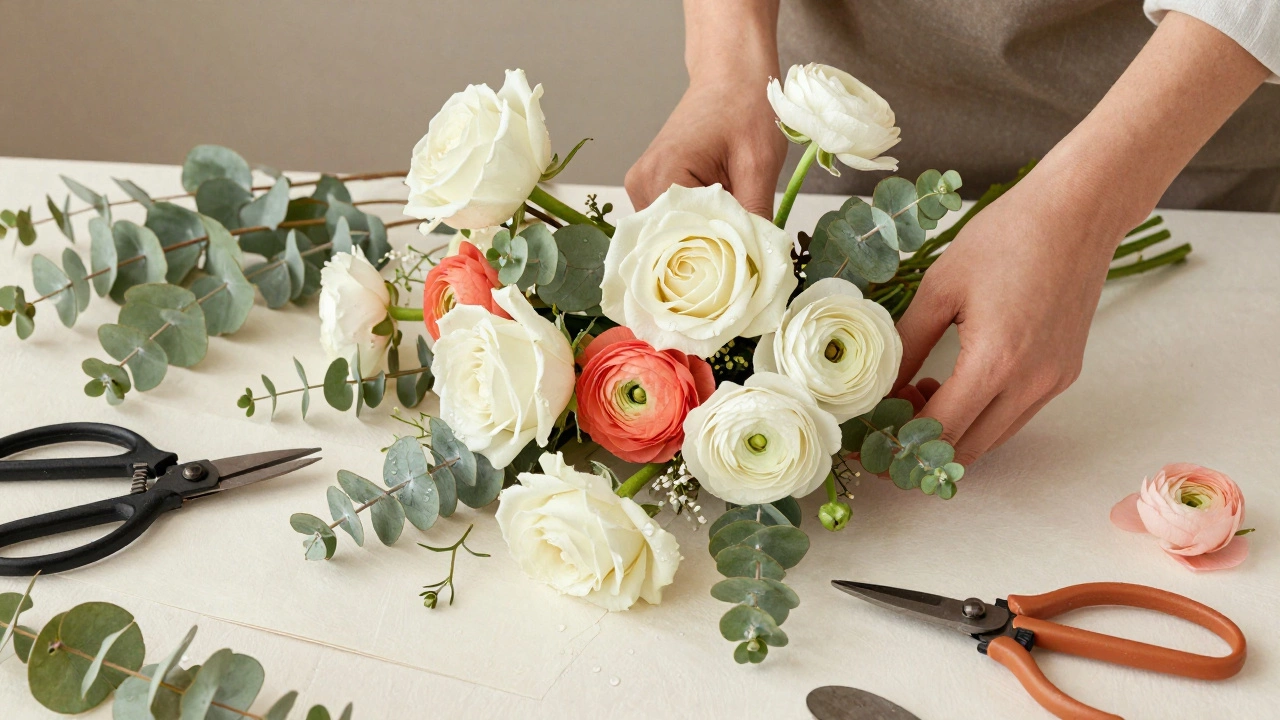
Five years ago, ranunculus were rare in wedding bouquets. Now, they’re everywhere. These layered, paper-thin petals look like a cross between a peony and a rose, but they’re more affordable and have a longer vase life. Florists love them because they come in bold colors-deep burgundy, coral, butter yellow-and they hold their shape even in warm weather. Unlike peonies, ranunculus bloom in early spring and again in fall, making them a great option for weddings outside of peak season. They’re also smaller, so you need more of them to fill a bouquet, which means they stretch your budget further. A florist might use 15 to 20 ranunculus in a single arrangement, layered with a few roses and plenty of eucalyptus. They’re not as expensive as peonies, but they deliver the same lush, romantic effect.
Hydrangeas: The Volume Masters
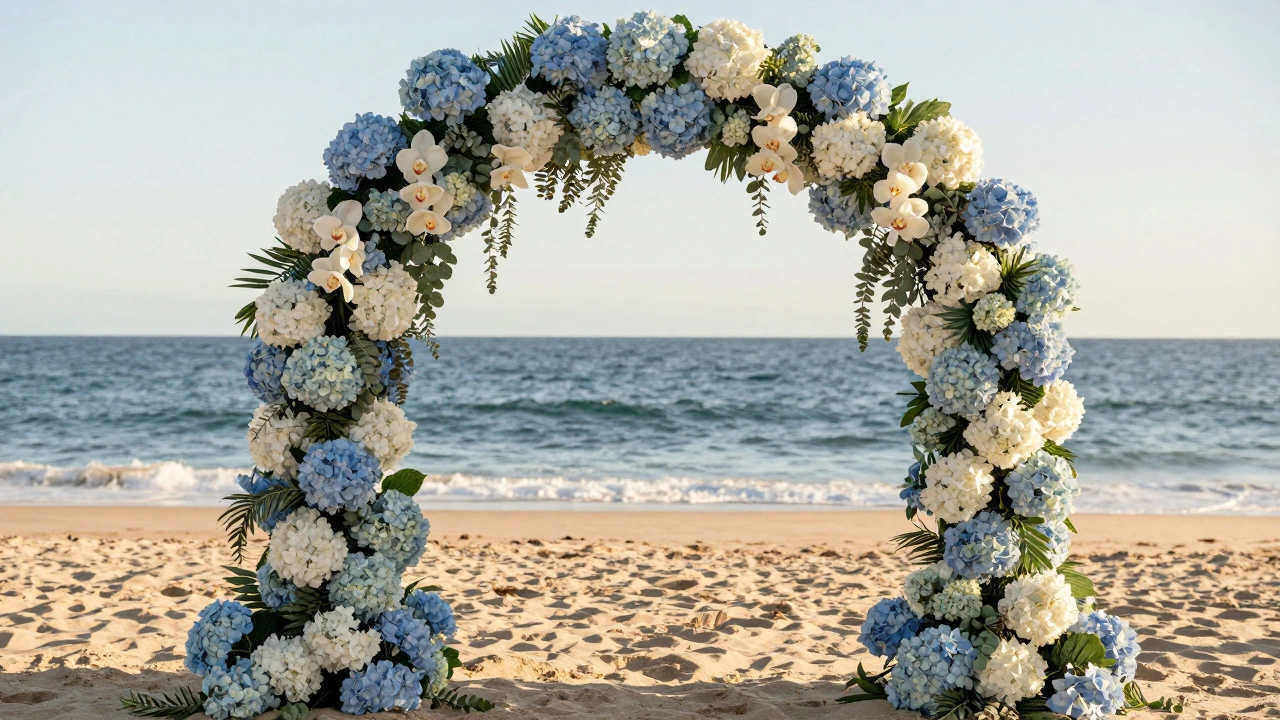
If you want a bouquet that looks like a cloud, you ask for hydrangeas. These big, fluffy blooms are the go-to for florists when a bride wants maximum impact with fewer stems. One hydrangea head can replace 10 to 15 small flowers. They’re perfect for large centerpieces, arches, or cascading bouquets. The downside? They’re thirsty. Hydrangeas need constant water, and if they dry out even for a few hours, their petals start to curl. That’s why florists always soak them overnight before an event and keep them in coolers until the last minute. They’re also seasonal-best from late spring through summer-but their size and color range (white, blue, pink, lavender) make them impossible to ignore. Many couples choose hydrangeas for beach weddings because their soft texture mirrors the ocean breeze.
Orchids: For the Bold and the Modern
Not every bride wants soft and romantic. Some want drama. That’s where orchids come in. Florists use Cymbidium and Dendrobium orchids most often because they last for weeks and come in striking shapes and colors-deep purple, neon pink, crisp white. They’re expensive, but a single stem can be the focal point of a whole arrangement. Orchids work best in modern, minimalist, or destination weddings. They’re common in tropical venues, city halls, or weddings with a sleek, architectural theme. A florist might use just 3 to 5 orchid stems in a bouquet, paired with monochrome greenery and clear glass vases. They’re not for everyone, but when they’re used right, they turn heads.
Why Florists Stick to This List
It’s not about what’s trendy. It’s about what works. Florists don’t gamble with wedding flowers. They know that a bouquet that wilts by noon or a centerpiece that collapses during the reception isn’t just disappointing-it’s a reputation killer. That’s why they rely on flowers that are:
- Available year-round (or reliably in-season)
- Sturdy enough to handle travel and heat
- Easy to arrange and wire
- Cost-effective at scale
- Visually forgiving when slightly imperfect
What to Ask Your Florist
If you’re hiring a florist, don’t just say, “I want roses and peonies.” Ask:
- “What flowers are in peak season for my wedding date?”
- “Can we substitute any blooms if prices go up?”
- “Which flowers will last through the ceremony, photos, and reception?”
- “Can we use more greenery to keep costs down?”
Real-World Example: A Sydney Summer Wedding
Last November, a couple in Bondi hired a local florist for their beachside wedding. They wanted something light, airy, and not too expensive. The florist used:
- 12 white garden roses
- 18 ranunculus in blush and ivory
- 30 stems of seeded eucalyptus
- 8 hydrangea heads for the arch
- 5 Cymbidium orchids as accents
What flowers are the most affordable for weddings?
Ranunculus, chrysanthemums, and carnations are among the most budget-friendly options. Ranunculus give you a luxurious look without the price tag of peonies. Chrysanthemums last longer and come in many colors, making them great for large arrangements. Carnations, while often overlooked, are incredibly durable and perfect for filling out bouquets or centerpieces on a tight budget.
Are peonies worth the cost for weddings?
If your wedding is in late spring and you’re after that soft, romantic look, yes. Peonies are expensive, but they’re also unforgettable. If you’re not set on them, ranunculus or garden roses can give you a similar feel for less. Many florists offer peony alternatives that mimic the shape and texture-ask for them.
Can I use seasonal flowers to save money?
Absolutely. Seasonal flowers are cheaper and fresher. For example, in summer, sunflowers, zinnias, and dahlias are abundant and affordable. In winter, anemones, amaryllis, and hellebores are in bloom. Your florist can help you swap out expensive out-of-season blooms for beautiful local alternatives that still match your vision.
Why do florists use so much eucalyptus?
Eucalyptus is the secret weapon. It’s affordable, lasts for days, adds texture and scent, and hides stems. It’s also incredibly versatile-it works with rustic, modern, boho, or classic styles. A single bunch can be used in bouquets, centerpieces, and even hanging installations. Most florists use it because it’s reliable, not because it’s trendy.
What flowers should I avoid for outdoor weddings?
Avoid tulips, hydrangeas (unless kept cool), and delicate flowers like lisianthus. Tulips continue growing after being cut and can bend in the wind. Hydrangeas wilt fast in heat. Lisianthus are beautiful but fragile and prone to bruising. Stick with sturdy blooms like roses, ranunculus, orchids, and solid greenery like eucalyptus or ferns for outdoor events.
Florists don’t just arrange flowers-they solve problems. They balance beauty with durability, budget with impact, and your dream with reality. The flowers they use most aren’t chosen for Instagram likes. They’re chosen because they’ve been tested, trusted, and proven to hold up when it matters most.