Wedding Decor Budget Planner
Based on of your total wedding budget.
Cost Breakdown
| Item | Est. Cost |
|---|---|
| Subtotal (Items) | |
| Delivery & Setup Fees | |
| Total Estimated Cost |
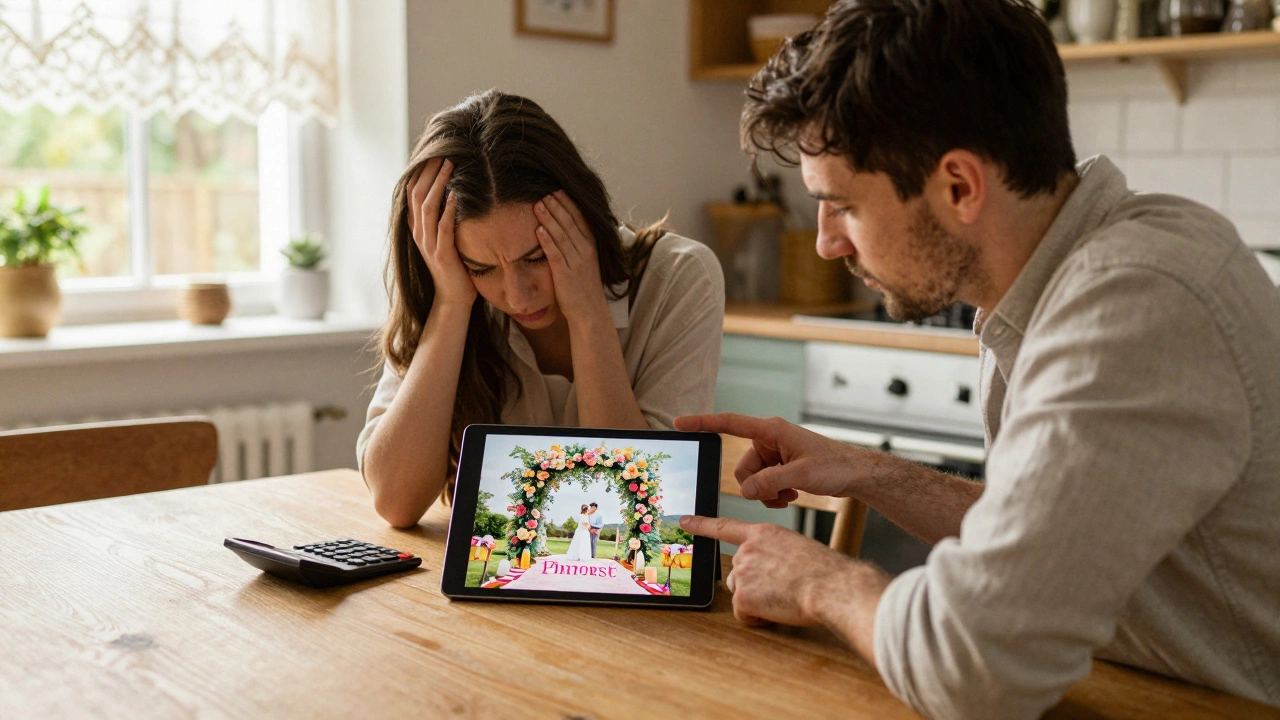
Let’s be honest: looking at Pinterest boards for wedding inspiration can feel like a financial trap. You see lush archways, cascading centerpieces, and lighting that makes the venue look like a starry night sky, and suddenly your bank account feels very small. The question isn’t just "what looks good?" It is "what can I actually afford without stressing out on the big day?" Understanding what a typical budget for wedding decor looks like helps you separate the dream from the doable.
The short answer? Most couples spend between 10% to 20% of their total wedding budget on decorations. If you are planning a $30,000 wedding, that means setting aside $3,000 to $6,000 specifically for decor. But this number fluctuates wildly based on where you live, the season you choose, and whether you are doing it yourself or hiring professionals. Let’s break down exactly where that money goes so you can plan with confidence.
How Much Does Wedding Decor Actually Cost?
To get a realistic picture, we need to look at the average costs in major markets. In cities like Sydney, New York, or London, labor and material costs are higher. In rural areas or smaller towns, you might save significantly. Here is a general breakdown of what couples typically spend on key decorative elements.
| Decor Item | Budget-Friendly Option | Mid-Range Option | Luxury Option |
|---|---|---|---|
| Ceremony Arch/Backdrop | $150 - $400 (Rental/DIY) | $500 - $1,200 (Floral rental) | $2,000+ (Custom built) |
| Table Centerpieces | $15 - $30 per table | $50 - $100 per table | $150 - $300+ per table |
| Lighting | $200 - $500 (String lights) | $800 - $2,000 (Uplighting) | $3,000+ (Intelligent moving lights) |
| Linens & Rentals | $5 - $10 per chair/tablecloth | $15 - $25 per chair/tablecloth | $30+ per chair/tablecloth |
| Signage & Paper Goods | $50 - $150 (DIY printing) | $200 - $500 (Designer calligraphy) | $600+ (Acrylic/Laser cut) |
Notice how quickly those centerpiece costs add up? If you have ten tables and spend $100 each, that is $1,000 right there. This is why prioritizing which areas get the most attention is crucial. Guests remember the ceremony backdrop and the head table more than the corner table near the restrooms.
The Big Three: Flowers, Lighting, and Linens
When people talk about wedding decor budgets, three categories usually dominate the spending. These are the items that transform a plain hall into a romantic venue.
Flowers are the biggest expense. Fresh flowers are perishable, require skilled labor to arrange, and vary by season. Roses and peonies are pricey because they are high-demand and delicate. To keep costs down, consider mixing expensive blooms with greenery or cheaper alternatives like hydrangeas or carnations. Many florists offer "rental" options where you return the arrangements after the event, though this is less common for fresh flowers and more common for potted plants or artificial installations.
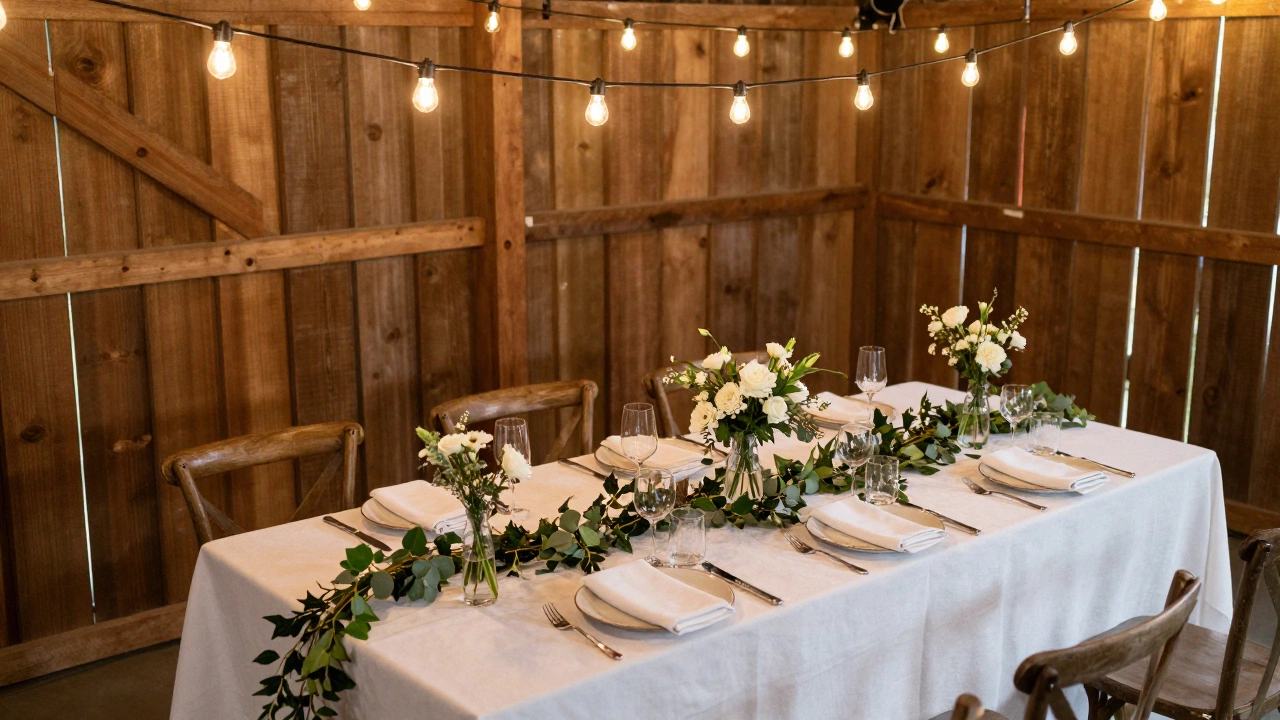
Lighting sets the mood. You don’t need expensive intelligent lighting rigs unless you want a club-like atmosphere. Simple string lights (often called Edison bulbs) draped across a ceiling or patio can create a magical effect for a fraction of the cost. Uplighting, which washes the walls in color, is another affordable way to change the vibe of a room. Just ensure the venue has enough power outlets to support your lighting plan.
Linens tie everything together. While tablecloths seem minor, they cover large surface areas. White linens are standard but can show stains easily. Colored or textured linens can hide imperfections and add elegance without the need for elaborate centerpieces. Renting chairs is also part of this category. Standard Chiavari chairs are popular but costly. Look for simpler wooden or metal chairs if you are on a tight budget.
DIY vs. Hiring Professionals: Where to Draw the Line
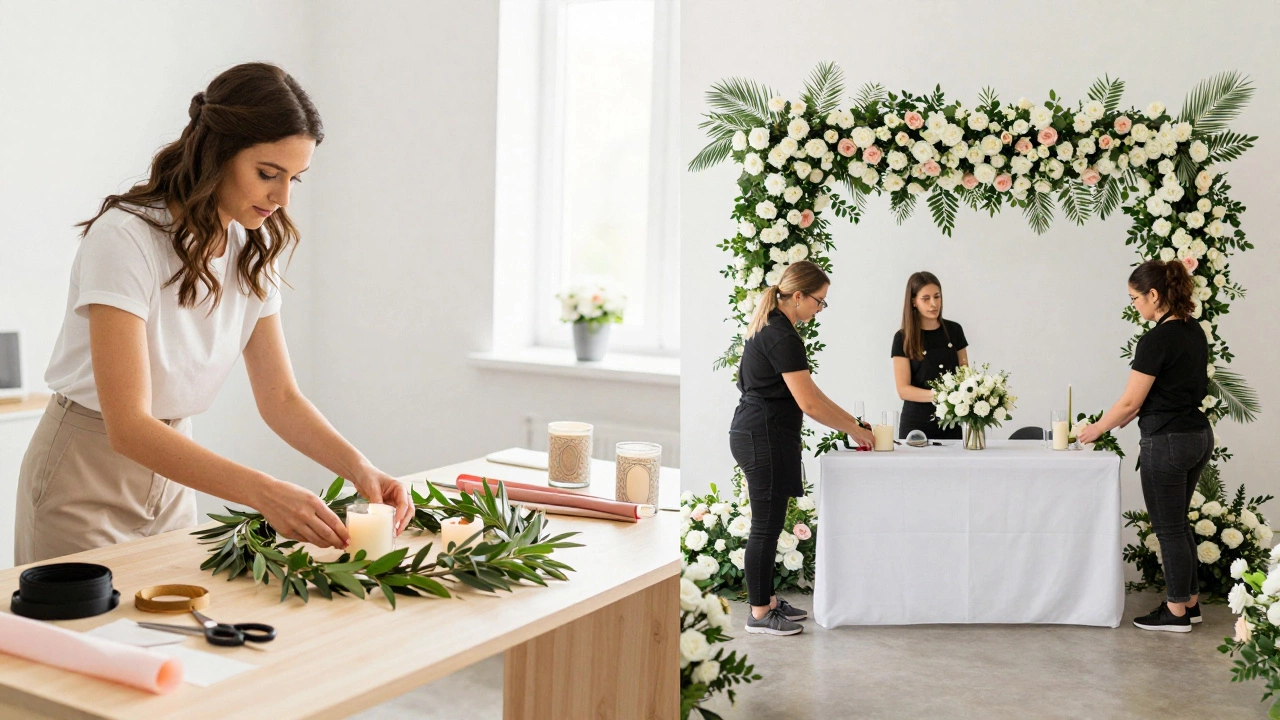
Do-it-yourself decor can save thousands, but it comes with hidden costs: your time and stress levels. Ask yourself: Do you have the skills to build a ceremony arch? Can you arrange fifty flower bouquets in one weekend? If the answer is no, hiring help might be worth it.
- Good DIY candidates: Signage, place cards, simple garlands, candle arrangements, and photo booth props. These items require creativity but not specialized tools.
- Hire professionals for: Complex floral installations, heavy structural builds (like arches), lighting setup, and anything involving electricity or safety risks.
A hybrid approach often works best. Hire a florist for the bridal party bouquets and ceremony backdrop-the things that will be photographed extensively. Then, DIY the reception centerpieces using simple bud vases or candles. This balances quality with cost.
Smart Strategies to Stretch Your Decor Budget
You don’t need to cut corners to look elegant. Strategic choices can make a small budget look like a large one. Here are some practical tips used by experienced planners.
- Choose an off-season date. Flowers and venues are cheaper in winter or late autumn. Spring and summer are peak seasons, meaning higher demand and higher prices.
- Use fewer, larger statements. Instead of small centerpieces on every table, create one stunning focal point, like a massive floral installation on the head table or a dramatic entrance arch. Leave other tables simple with candles or greenery.
- Rent instead of buy. Unless you plan to use items again, renting furniture, lanterns, and even some floral structures is often cheaper than purchasing them new.
- Embrace greenery. Leaves like eucalyptus, ivy, or ferns are much cheaper than blooms. They provide volume and texture, making arrangements look full and lush.
- Negotiate with vendors. Ask if they have leftover inventory from other events that they can sell at a discount. Sometimes you can find beautiful pieces for half price.
Hidden Costs to Watch Out For
Budgeting for the items themselves is only half the battle. There are additional fees that can creep up and blow your budget if you aren’t prepared.
Delivery and Setup Fees: Most decor vendors charge for delivering and setting up their items. This can range from $100 to $500 depending on distance and complexity. Always ask if setup is included in the quote.
Venue Restrictions: Some venues charge extra for outside vendors or require you to use their preferred list, which may have higher prices. Others restrict open flames, meaning you can’t use real candles, forcing you to buy electric alternatives.
Breakage and Damage Deposits: When renting items, you may need to pay a deposit that is returned if nothing breaks. Factor this into your cash flow for the month before the wedding.
Final Thoughts on Planning Your Decor
Your wedding decor should reflect your style, not break the bank. By focusing on high-impact areas, choosing seasonal flowers, and mixing DIY efforts with professional help, you can create a memorable atmosphere within a realistic budget. Remember, guests care more about the food, music, and how happy you look than the exact type of vase on their table. Prioritize what matters to you, and let go of the rest.
How much should I spend on wedding flowers?
On average, couples spend between $2,000 and $3,500 on flowers. This includes bridal bouquets, boutonnieres, ceremony arrangements, and reception centerpieces. To reduce costs, opt for seasonal blooms and mix flowers with greenery.
Is it cheaper to do my own wedding decor?
Yes, DIY decor can save you 30-50% on costs. However, it requires significant time and effort. Focus on DIY for simple items like signage and candles, while hiring pros for complex floral or structural elements.
What is the most expensive part of wedding decor?
Flowers are typically the most expensive component due to labor and perishability. Lighting and custom-built structures like arches can also drive up costs significantly if you choose luxury options.
Can I rent wedding decor instead of buying it?
Absolutely. Renting items like arches, lanterns, furniture, and even some floral installations is often more cost-effective than buying, especially if you won't reuse the items. Check local rental companies for packages.
How far in advance should I book decor vendors?
It's best to book florists and decor specialists 6-12 months in advance, especially for peak season dates. This ensures availability and gives you time to negotiate pricing and design details.