Groom Suit Color Innocence Calculator
Why this works:
Styling Tips:
You’ve picked the venue, you’ve hired the photographer, and you’re staring at a rack of suits. The question isn’t just “what looks good?” It’s “what is the most innocent color to wear?” In wedding culture, innocence usually signals purity, simplicity, and a lack of pretension. For a groom, this often translates to light, neutral tones that avoid shouting for attention. But here’s the catch: wearing the wrong shade can accidentally steal the bride’s spotlight or make you look like a waiter. So, which color actually strikes that perfect balance of humble, clean, and timeless?
Why White Is the Ultimate Symbol of Innocence
When people talk about innocence in fashion, White is the color most universally associated with purity, new beginnings, and simplicity. Historically, white has been reserved for significant life events because it shows dirt easily-meaning only those who could afford frequent cleaning wore it. Today, it remains the standard for bridal gowns. For a groom, however, wearing a full white suit is a bold move. It screams confidence, but it can also cross into territory traditionally held by the bride.
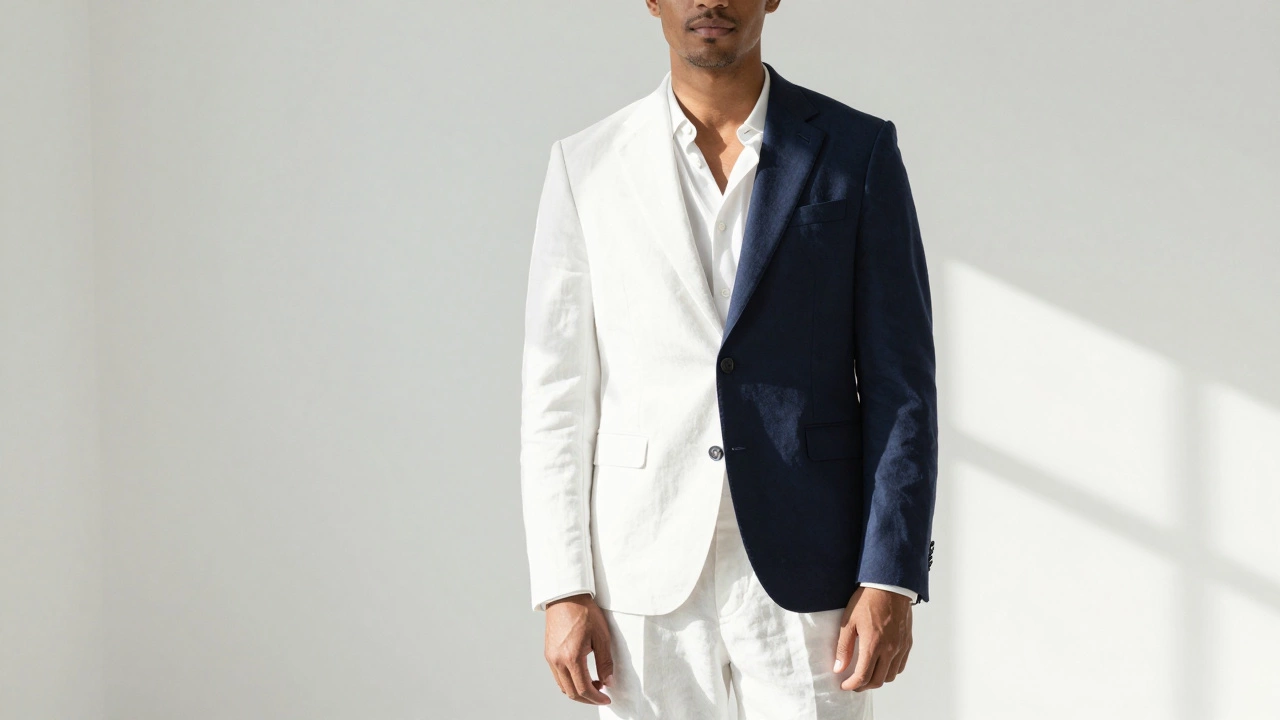
If you want the aesthetic of innocence without the controversy, consider how white functions in different contexts. A white linen shirt under a navy blazer feels fresh and unassuming. A white tuxedo jacket paired with black trousers is classic evening wear that feels crisp and clean. The key is balance. Pure white from head to toe is rare outside of tropical beach weddings or specific cultural traditions. If you choose white, ensure it’s part of a coordinated ensemble that respects traditional wedding hierarchy.
Ivory and Cream: The Soft Alternatives
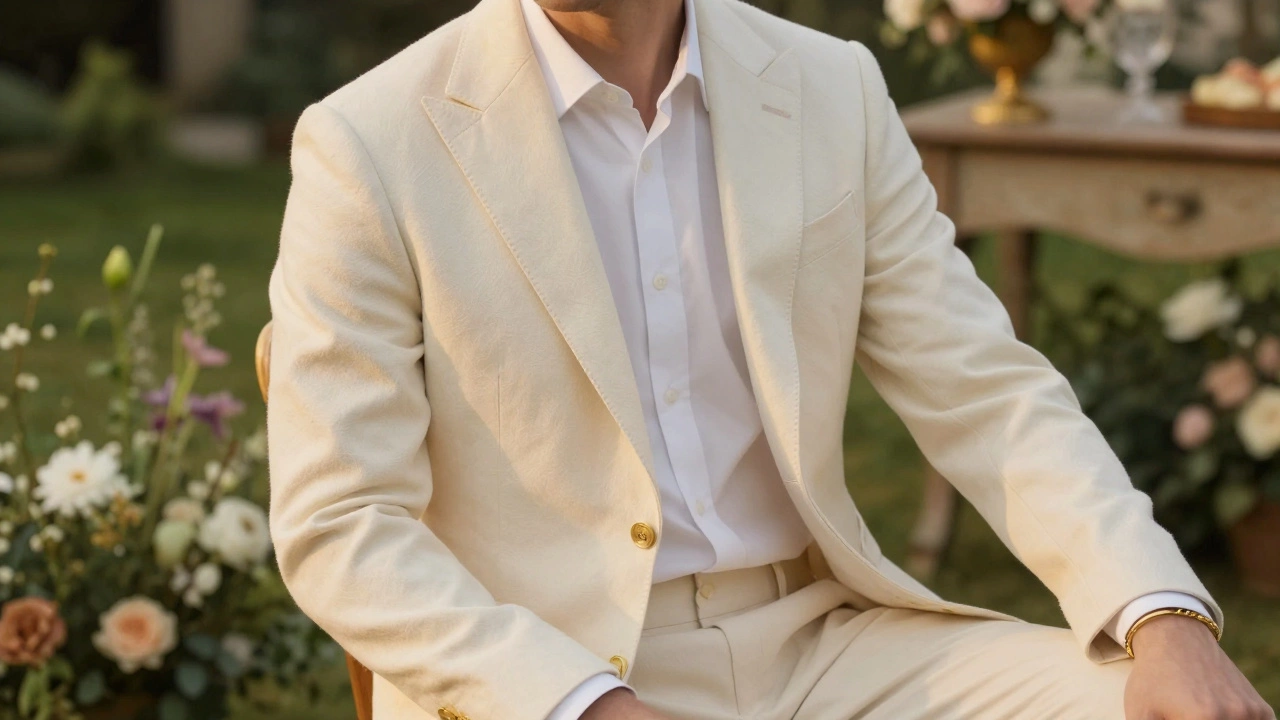
Sometimes pure white feels too stark or clinical. That’s where Ivory and warm off-white shades that offer a softer, more vintage appeal than bright white come in. These colors retain the sense of innocence and lightness but add a touch of warmth. They are less likely to clash with your partner’s dress if she is wearing an ivory gown, creating a harmonious visual palette rather than a competitive one.
- Ivory: Slightly yellowish undertones; pairs beautifully with gold accessories and warm wood venues.
- Cream: Even softer than ivory; ideal for spring weddings and garden settings.
- Ecru: A pale beige tint; works well for rustic or bohemian themes.
These shades are forgiving on camera. Unlike bright white, which can blow out in photos (losing detail), ivory retains texture and depth. If you’re worried about looking too formal or rigid, cream-colored suits offer a relaxed elegance that still feels respectful and innocent.
The Role of Light Neutrals: Beige and Pastels
Innocence doesn’t always mean white. Sometimes it means understated. Light neutrals like Beige and natural earth tones that convey humility and approachability are excellent choices for grooms who want to blend in rather than stand out. Beige suits are versatile. They work for daytime ceremonies, outdoor receptions, and even semi-formal affairs. They don’t demand attention, which aligns perfectly with the concept of innocence as modesty.
Pastel colors like light blue, soft pink, or mint green can also evoke a sense of youthfulness and innocence. However, these require careful styling. A pastel suit can look playful rather than solemn. If your wedding has a lighthearted vibe, a powder blue blazer might be the perfect choice. Just avoid neon or overly saturated hues, which signal energy and aggression rather than calm innocence.
| Color | Vibe | Best For | Risk Level | |
|---|---|---|---|---|
| White | Pure, Bold | Beach, Summer, Formal Evening | High (can upstage bride) | |
| Ivory/Cream | Soft, Warm | Garden, Spring, Vintage | Low | Medium (check bride's dress) |
| Beige | Humble, Natural | Daytime, Rustic, Casual | Very Low | |
| Light Blue | Youthful, Calm | Spring, Outdoor, Semi-Formal | Low |
Context Matters: Venue and Season
The "most innocent" color changes depending on where and when you get married. A white suit in a snowy winter wedding looks appropriate and clean. The same suit in a muddy backyard ceremony looks impractical and naive. Always match your color choice to the environment.
- Summer/Beach: White linen or light beige cotton. Breathable fabrics enhance the innocent, carefree vibe.
- Winter/Indoor: Ivory wool or cream velvet. Heavier textures add richness while maintaining lightness.
- Spring/Garden: Pastel blues or soft greens. Nature-inspired colors feel organic and gentle.
- Fall/Rustic: Taupe or oatmeal. Earthy neutrals ground the outfit without being dark or heavy.
Think about the lighting too. Natural sunlight enhances white and ivory, making them glow. Indoor artificial lighting can sometimes cast yellow or blue tints on light colors. Test your suit under similar lighting conditions before the big day.
Avoiding Common Pitfalls
Even with the best intentions, some color choices backfire. Here’s what to avoid if you’re aiming for innocence:
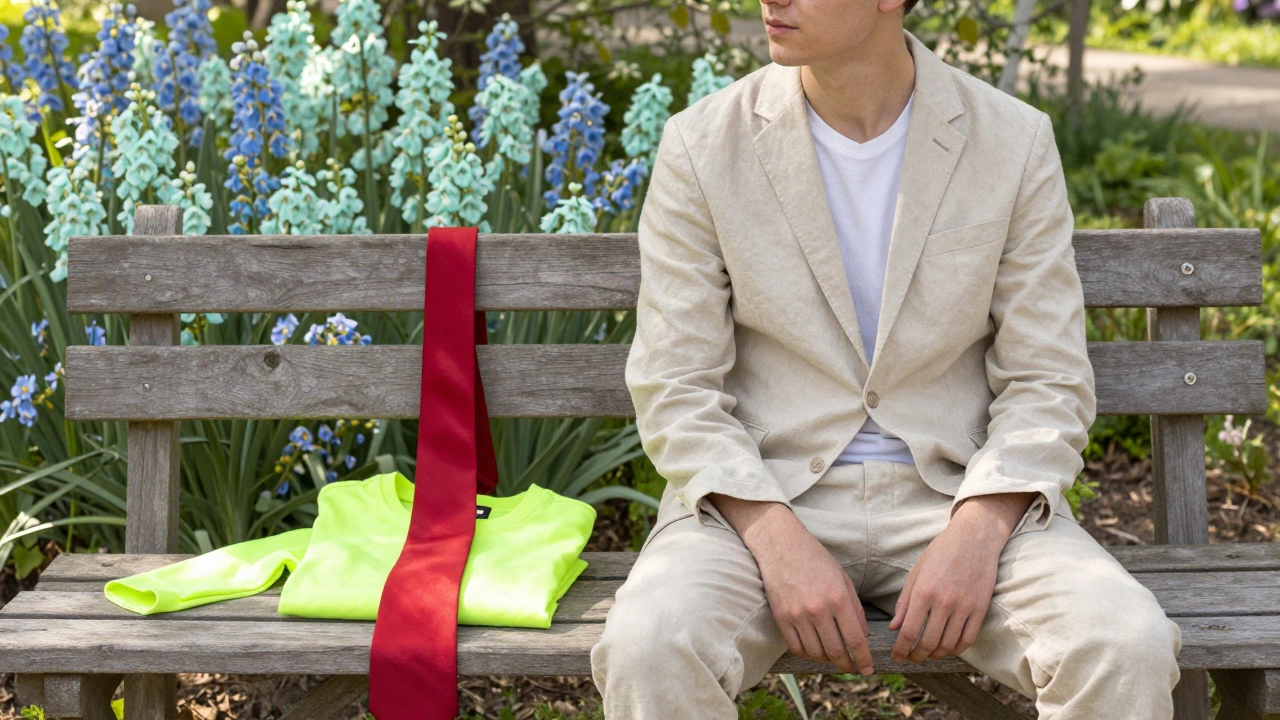
- Bright Red: Associated with passion, danger, and power. Not innocent.
- Black: While classic, black is formal and serious. It lacks the lightness associated with innocence.
- Neon Shades: Loud and distracting. They draw eyes away from the couple’s connection.
- Pattern Overload: Busy patterns can look chaotic. Solid colors feel cleaner and more sincere.
Also, consider your skin tone. Some whites can wash out certain complexions, making you look tired rather than pure. Off-whites and creams often provide better contrast and flatter more face shapes.
Final Thoughts on Choosing Your Color
The most innocent color to wear as a groom is rarely a single answer. It’s a combination of hue, context, and coordination. White offers the strongest symbolic link to innocence, but ivory, cream, and beige provide safer, more versatile alternatives. The goal is to look polished yet humble, present but not overpowering. Talk to your partner, check the venue’s palette, and choose a color that makes you feel comfortable and confident. After all, true innocence in fashion comes from authenticity, not just a shade on a swatch.
Can a groom wear a white suit to a wedding?
Yes, but it depends on the formality and location. White suits are acceptable for beach weddings, summer events, or black-tie optional affairs. Avoid wearing a full white suit if the bride is also wearing white, as it may cause confusion in photos. Pair a white jacket with darker trousers for a balanced look.
Is ivory better than white for a groom?
Ivory is often a better choice because it is softer and less likely to clash with the bride’s dress. It also photographs well, avoiding the blown-out highlights that bright white can create. Ivory adds warmth and sophistication while maintaining a light, innocent aesthetic.
What color represents innocence in wedding attire?
White is the primary color associated with innocence, symbolizing purity and new beginnings. Other colors like ivory, cream, and light pastels (such as baby blue or soft pink) also convey a sense of gentleness and humility, making them suitable for grooms seeking an innocent look.
Should the groom’s suit match the bridesmaids’ dresses?
Not necessarily. The groom’s suit should complement the overall wedding palette rather than match the bridesmaids exactly. Coordinating colors creates harmony, while exact matching can look staged. Focus on ensuring your outfit contrasts nicely with the bride’s gown and blends well with the venue’s decor.
Are beige suits considered formal enough for weddings?
Beige suits are perfect for semi-formal, casual, or daytime weddings. They are generally not appropriate for black-tie or very formal evening events. For a more formal look, pair a beige blazer with dark trousers or opt for a lighter grey or navy suit instead.