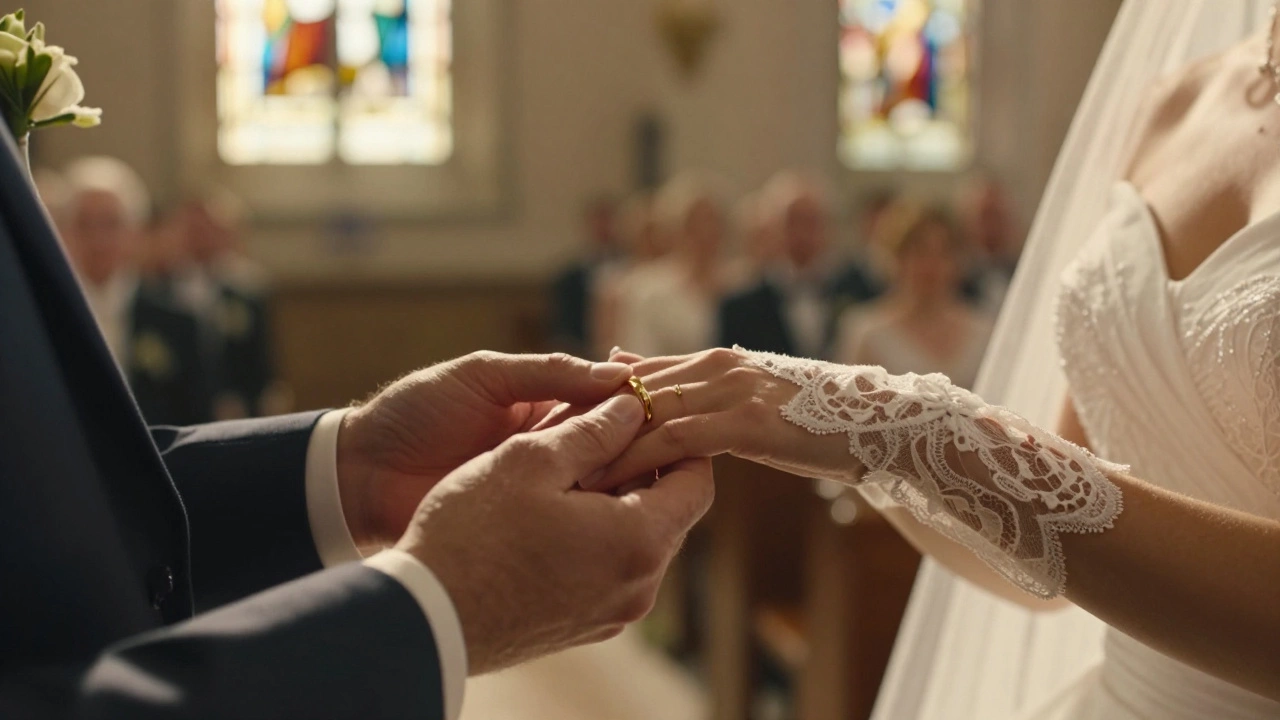
Wedding Ring Exchange Simulator
In Western traditions, the bride typically receives her ring first for logistical reasons related to jewelry and attire complexity.
There is a specific rhythm to a wedding ceremony. You know the drill: vows are exchanged, hands are held tight, and then comes the moment everyone has been waiting for-the rings. But if you have ever wondered who actually gets their ring placed on their finger first, the answer might surprise you. In the vast majority of Western traditions, the bride receives her ring before the groom puts his on.
This isn't just random; it’s rooted in centuries of custom, logistics, and even a bit of old-school chivalry. If you are planning your big day or just curious about the mechanics of the ceremony, understanding this flow helps remove any anxiety from the rehearsal. It also ties into how we think about the structure of the event itself. While most couples stick to the traditional script, some modern weddings flip the script entirely. Before we get into the nitty-gritty of the ceremony timeline, let’s look at why this order exists and how it fits into the broader picture of getting married.
Interestingly, while wedding planning focuses heavily on local vendors and venues, some people traveling for destination events look for very different kinds of companionship or services. For instance, those exploring options in other parts of the world might check out resources like this directory to understand what is available in cities like Almaty, though that is certainly a different kind of arrangement than a lifelong marriage commitment! Back to the altar, however, where the focus is squarely on the union of two people.
The Traditional Order: Bride First
In a standard Christian or secular Western wedding, the officiant will typically ask the groom to place the ring on the bride's finger first. Why? There are a few practical and symbolic reasons for this.
- Logistics: Traditionally, the bride wears more jewelry. She might have gloves, elaborate sleeves, or multiple bracelets. Placing her ring first ensures it sits correctly without being pushed around by the groom’s subsequent movements. Plus, she often has the "cold hand" advantage-rings fit better when fingers aren't swollen from standing in heels all day (though this is a minor factor).
- Symmetry: Many couples believe that since the bride walks down the aisle last, she should be the first to receive the symbol of the union. It balances the ceremony’s pacing.
- Historical Precedent: In many older texts and liturgies, the woman was seen as the one being "given away," and the ring was the seal of that transfer. While we’ve moved past the ownership aspect, the sequence remained.
Once the bride’s ring is secure, the officiant turns to the groom. He places the ring on the bride’s finger, and then the bride places the ring on the groom’s finger. Wait-did I say that right? Let’s clarify. The groom places the ring on the *bride*. Then the bride places the ring on the *groom*. So, the bride is the recipient first, but she is the giver second.
Why Does the Groom Go Second?
If the bride goes first, the groom naturally follows. This creates a nice visual symmetry. The couple stands facing each other. The groom reaches across to the bride. Then the bride reaches across to the groom. It’s a dance of sorts.
However, there is a twist. In some Jewish traditions, the order is reversed or handled differently. In a traditional Jewish wedding, the groom places the ring on the bride’s index finger during the ceremony. The bride does not traditionally give a ring back unless they add a modern adaptation. If both rings are used, the groom still usually goes first because the ritual centers on his act of giving. This shows how culture dictates the flow.
In Hindu ceremonies, the exchange of rings (Mangalsutra and Thali) is part of a larger ritual called Mangal Pheras. Here, the groom ties the necklace around the bride’s neck. The ring exchange, if included, often happens simultaneously or with the bride receiving hers first, depending on regional customs. The point is: there is no single universal law.
Modern Twists: Who Cares About Order?
Today, many couples don’t care about the historical "why." They care about what feels right for them. Some couples choose to put the rings on each other at the same time. Imagine that: both reach out, both slide the metal onto the partner’s finger in unison. It’s romantic, chaotic, and highly photogenic.
Others switch the order. Maybe the groom wants to go first to show he’s eager. Or maybe the bride has shaky hands and needs a steadier base before she tries to slip a diamond onto her partner’s finger. There’s no rulebook that fines you for breaking the sequence. The only rule is that you both end up wearing the rings.
For LGBTQ+ couples, the concept of "bride" and "groom" doesn’t apply in the traditional sense. So, who goes first? Often, it’s alphabetical. Or height-based. Or whoever has the easier-to-reach hand. One partner might wear a suit, the other a dress. The person in the suit might have pockets, making it easier to hold the ring. Practicality wins.
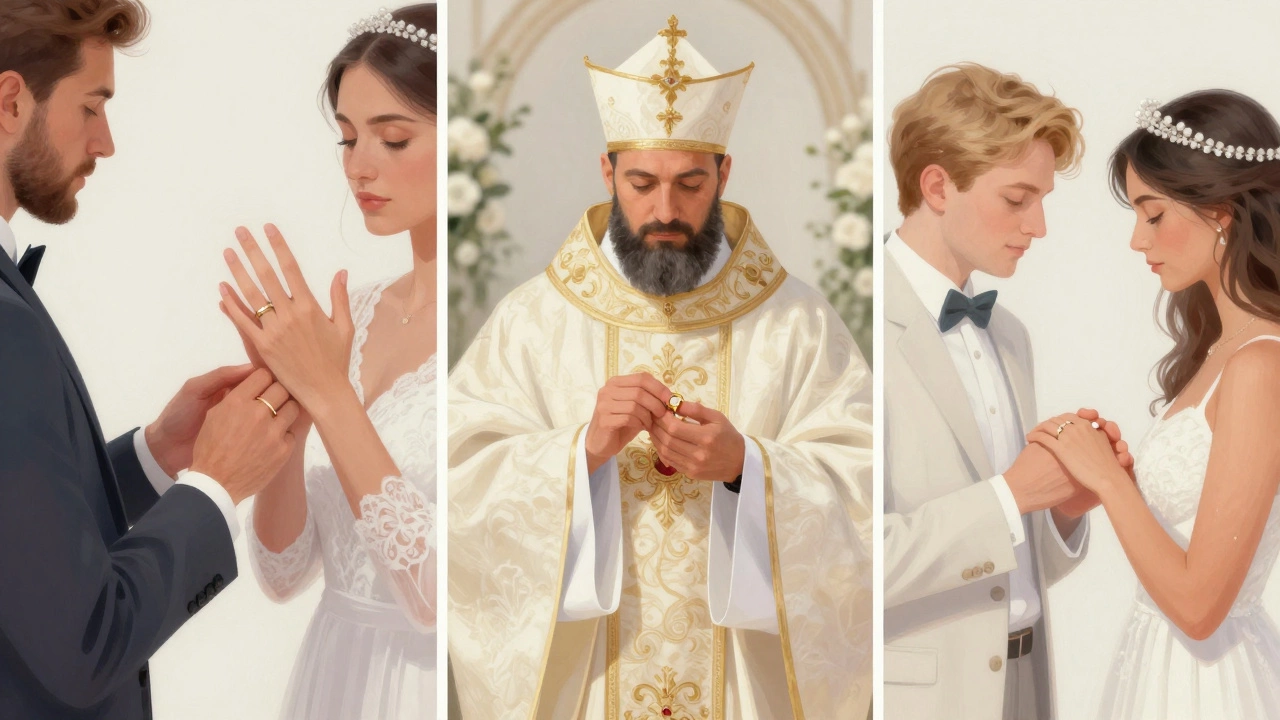
The Role of the Best Man and Maid of Honor
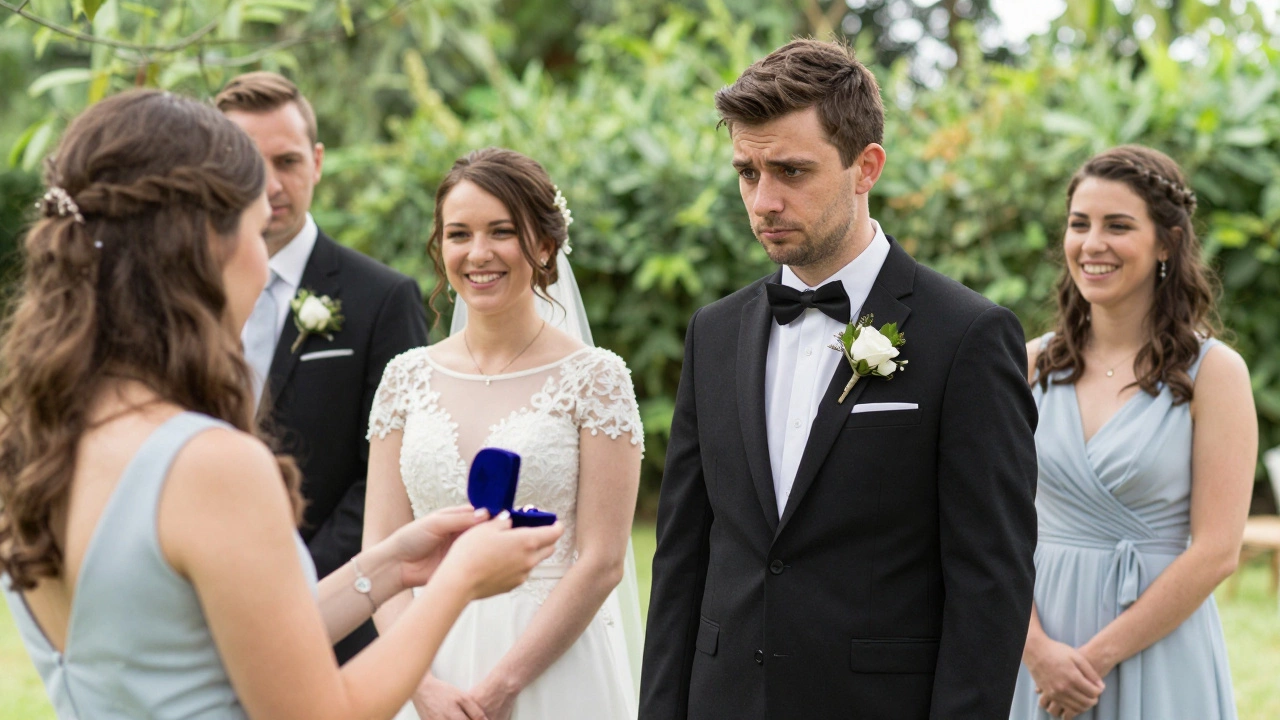
Before the rings hit the fingers, someone has to hold them. This is where your wedding party comes in. Traditionally, the best man holds the groom’s ring, and the maid of honor holds the bride’s ring. But here’s a pro tip: don’t trust them blindly.
Rings get lost. They slip off nervous palms. They fall behind pews. A common mistake is assuming the best man will remember to hand over the ring at the exact right second. Instead, consider having the officiant hold both rings in a small box on the altar. This removes the pressure from your friends and keeps the items safe.
If you do use your wedding party, rehearse the handoff. Practice the motion: Officiant asks for ring -> Best man steps forward -> Hands ring to groom -> Groom takes it. Do this three times at rehearsal. Muscle memory saves marriages (or at least prevents awkward pauses).
What If You Forget?
It happens. More often than you’d think. One partner forgets to put the ring on. The officiant moves on. The music swells. And then... silence. Did we miss a step?
If this happens, don’t panic. Just stop. Laugh it off. Say, "Oops, looks like we need to fix that." Then go back and do it. Guests will appreciate the authenticity. It’s a human moment in a highly scripted event. No one is grading your performance. They are there to celebrate your love, not your adherence to a 19th-century liturgy.
Cultural Variations Around the World
While the West leans toward bride-first, other cultures have different norms. In Greece, the priest blesses the rings and switches them between the couple’s fingers three times before placing them on the left hand. The order is less important than the blessing. In Russia, the rings are blessed beforehand and placed on the right hand. The groom places the ring on the bride, then the bride on the groom. Again, bride first.
In China, ring exchanges are relatively new, influenced by Western media. When they do happen, there’s no strict rule. Sometimes the parents present the rings. Sometimes the couple does it themselves. The flexibility reflects the evolving nature of marriage rituals globally.
| Culture/Region | Order | Notes |
|---|---|---|
| Western (Christian/Secular) | Bride first | Groom places ring on bride, then bride on groom. |
| Jewish | Groom first | Groom places ring on bride’s index finger. Bride may not return ring. |
| Hindu | Varies | Often simultaneous or bride first, tied to Mangal Pheras. |
| LGBTQ+ | Customizable | Alphabetical, height, or mutual preference. |
| Eastern Orthodox | Simultaneous/Blessed | Rings switched three times before placement. |
Practical Tips for a Smooth Ring Exchange
Want to avoid fumbling? Here are some actionable tips:
- Use a Ring Pillow or Box: Don’t carry rings in your pocket. They’ll bounce out. Use a dedicated container.
- Practice the Fit: Try the rings on each other’s hands before the wedding. If the bride’s ring is too tight, she won’t be able to slide it onto the groom’s finger easily.
- Assign a "Ring Guard": Have one person responsible for the rings from the morning until the ceremony. Not the best man. Not the maid of honor. A trusted adult who isn’t drinking champagne.
- Rehearse the Words: Know what the officiant will say. If you’re writing your own vows, keep them short. Long speeches delay the ring exchange and increase the chance of distraction.
- Check the Weather: Cold weather makes fingers stiff. Hot weather makes them swell. Adjust your ring sizes accordingly.
Conclusion: It’s Your Ceremony
So, who gets the ring first? Usually, the bride. But really, it doesn’t matter. What matters is that you both show up, hold each other’s hands, and mean the words you say. The ring is just metal. The promise is what counts. Whether you follow tradition, break it, or invent your own way, make sure it feels authentic to you. That’s the secret to a memorable ceremony-not perfection, but presence.
Does the bride always get the ring first?
In most Western weddings, yes, the bride receives her ring first. However, this is not a universal rule. Jewish traditions often have the groom go first, and many modern couples choose to exchange rings simultaneously or customize the order based on personal preference.
What happens if the groom forgets to put the ring on?
If the groom forgets, simply pause the ceremony, laugh it off, and complete the step. It’s a common mistake and adds a human touch to the event. There is no penalty for correcting the order mid-ceremony.
Can we exchange rings at the same time?
Absolutely. Simultaneous ring exchanges are becoming popular, especially among couples who want to emphasize equality. Just practice the timing to ensure both rings land securely on the fingers.
Who holds the rings during the ceremony?
Traditionally, the best man holds the groom’s ring and the maid of honor holds the bride’s ring. However, many couples now prefer to have the officiant hold both rings in a box on the altar to prevent loss or confusion.
Is there a religious reason for the bride going first?
Not strictly. While some interpret it as symbolic of the groom taking responsibility for the bride, most historians attribute the order to logistical convenience and historical precedent rather than divine command. Different religions have varying practices.