Wedding Aisle Escort Guide
Not sure who should walk you down the aisle? Answer a few questions to find the option that best matches your vision and values.
How do you feel about traditional wedding norms?
Your Recommended Approach:
- The Father: The most traditional choice, symbolizing the transition of the daughter.
- Both Parents: A growing trend that honors both the mother and father.
- The Bride Alone: A statement of independence and equality.
- A Sibling or Mentor: A heartfelt alternative when a parent isn't available or chosen.
- The Groom: Common in certain cultural traditions or non-traditional ceremonies.
The Traditional Role of the Father
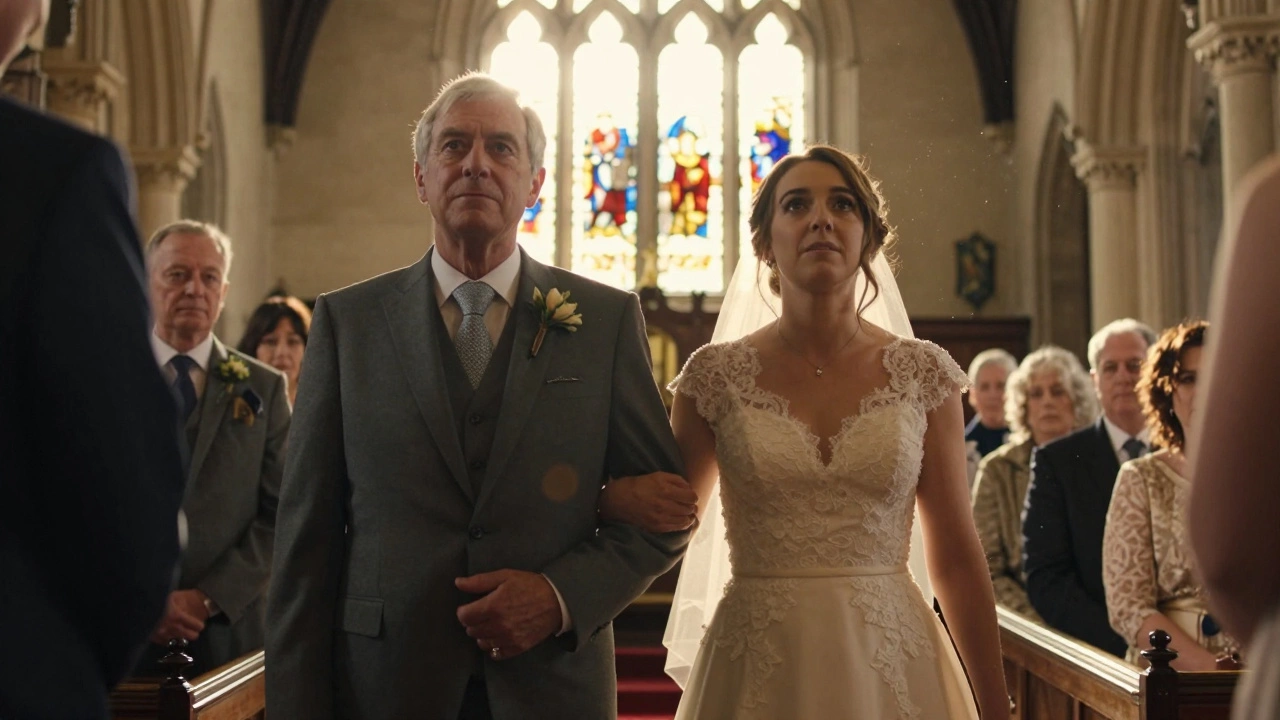
For generations, the standard has been the father of the bride. In a strict historical sense, Wedding Traditions is a set of customary practices passed down through generations that dictate the flow of a marriage ceremony . The act of the father "giving away" the bride was originally about the transfer of ownership from the father to the husband. Obviously, we've moved past that legalistic nightmare, but the emotional weight remains. Today, it's less about ownership and more about a father's blessing.
When the father walks the bride, it serves as a visual bridge. He is the anchor from her past, walking her toward her future with the groom. If you're following this route, the father usually keeps his arm linked with the bride's until they reach the altar. At that point, a brief kiss on the cheek or a handshake with the groom signals the handover. It's a heavy moment, often the one where the most tissues are used.
When Both Parents Take the Lead
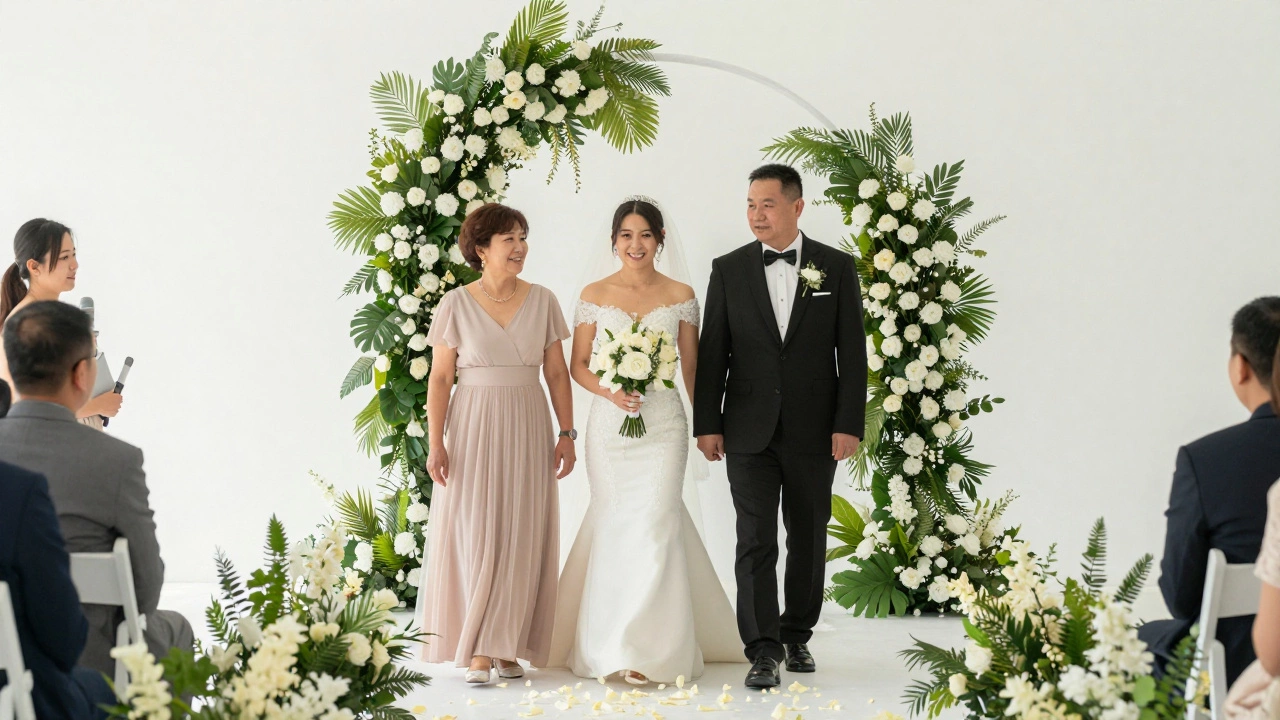
Why should the dad get all the glory? Many couples now choose to have both parents walk the bride down the aisle. This shift acknowledges that a daughter's relationship with her mother is just as pivotal as the one with her father. It creates a symmetrical, balanced look and often feels more inclusive of the entire family dynamic.
Logistically, this means the bride is flanked on both sides. It's a powerful image of total support. In these cases, the 'giving away' part becomes a joint effort. Both parents might place the bride's hand in the groom's, or they might simply step back together. This is particularly popular in families where the parents have a very strong partnership or where the mother has been the primary caregiver.
Walking Solo: The Independent Entrance
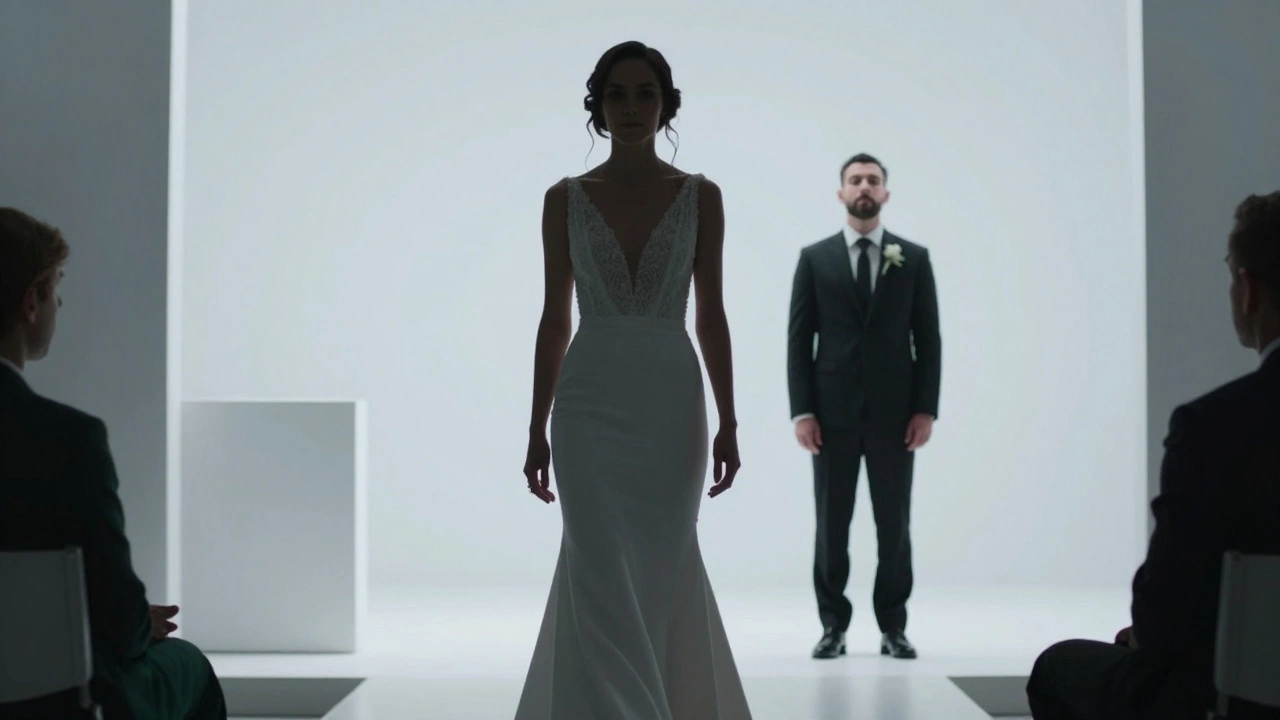
Some brides decide that the concept of being "given away" doesn't fit their values. Walking alone is a bold, empowering choice that says, "I am choosing this path for myself." It transforms the walk from a hand-off to a journey. The groom waits at the end of the aisle, and the bride approaches him as an equal partner.
If you choose this, don't worry about it feeling "empty." The focus shifts entirely to the bride's presence and the groom's reaction. It's a clean, modern approach that strips away the patriarchal layers of the ceremony. Many find that it removes the nervousness of coordinating steps with another person, allowing them to breathe and take in the moment.
Alternative Escorts: Siblings and Mentors
Life isn't always a textbook. Sometimes a father isn't in the picture, or perhaps a brother, sister, or step-parent has played a more significant role in the bride's life. Choosing a sibling to walk the bride down the aisle is an incredibly touching gesture that celebrates a different kind of lifelong bond.
In some cases, a mentor, a godparent, or even a close family friend takes this role. The important thing here is the relationship. If a specific person has been the one providing the emotional support and guidance that a father traditionally would, they are the logical choice. There is no rulebook that says it must be a parent; it just has to be someone the bride trusts to get her to the altar safely.
Can the Groom Walk the Bride?
In most Western traditions, the groom waits at the altar, but that's not a law. In some cultures and increasingly in modern, non-denominational weddings, the couple chooses to enter together. When the groom walks the bride, the dynamic changes from a "hand-off" to a "partnership start." They enter the space as a unit, signaling that they are entering this new chapter as a team from the very first second.
This is often paired with a more casual atmosphere. If you're wearing a Groom Suit is the formal attire worn by the groom, ranging from a classic tuxedo to a modern three-piece suit , walking in together allows the groom to showcase his style while supporting his partner. It removes the tension of the "reveal" and replaces it with a shared experience of facing the crowd together.
| Option | Vibe | Symbolism | Complexity |
|---|---|---|---|
| Father Only | Classic | Tradition & Blessing | Low |
| Both Parents | Inclusive | Family Unity | Medium (Coordination) |
| Bride Solo | Empowered | Independence | Very Low |
| Groom & Bride | Modern | Equality & Partnership | Low |
| Sibling/Mentor | Intimate | Chosen Bond | Low |
The Groom's Perspective and Etiquette
While the focus is on who is walking the bride, the groom's role is equally important. He is the destination. Regardless of who is escorting the bride, the groom's job is to remain composed and welcoming. When the escort reaches the altar, the groom should step forward slightly to acknowledge them. A firm handshake or a warm hug is standard here.
If the father is walking the bride, the groom often says a quick "Thank you" before the bride is handed over. This small act of courtesy recognizes the father's role in the bride's life. If the bride is walking alone, the groom's expression of awe and joy becomes the focal point of the moment. He isn't just waiting for a person; he's waiting for his partner to make her entrance.
Handling Potential Family Tension
Choosing who walks the bride can sometimes be a political minefield. If there are divorced parents who don't get along, or strained relationships with a father, the pressure can be immense. The golden rule is: the bride's comfort comes first. It's her day, and she shouldn't feel obligated to follow a tradition that causes her stress.
One solution for conflicted parents is the "split walk," where each parent walks her halfway. Another is to have the parents wait at the altar instead of walking. Communication is key. Discussing these roles weeks in advance-not days-prevents last-minute arguments. If a parent feels slighted, a heartfelt conversation explaining that the choice is about the bride's emotional well-being usually smooths things over.
What if my father has passed away?
There are many beautiful ways to honor a deceased father. You can be walked down the aisle by your mother, a brother, or a close uncle. Some brides choose to carry a small photo charm attached to their bouquet, or leave a seat open with a single flower to represent his presence. Walking alone while imagining him beside you is also a common and touching choice.
Do I have to be "given away"?
Absolutely not. The phrase "giving away" is a relic of the past. You can change the wording in your ceremony to "Who brings this woman to be married?" or simply have your escort walk you to the altar and then take their seat without any formal hand-off. The ceremony should reflect your relationship and values, not an old rulebook.
How do I tell my dad I want to walk alone?
Approach it as a personal choice rather than a rejection of him. Explain that you want the moment to be a symbolic step you take toward your partner. Reassure him of his importance in your life and perhaps find another special way to include him, like a dedicated dance or a private toast before the ceremony.
Who walks the bride in a Jewish wedding?
In traditional Jewish weddings, both parents typically escort the bride to the canopy (Chuppah). This emphasizes the importance of both the mother's and father's role in the bride's upbringing and their joint support for the new marriage.
Does the groom walk the bridesmaids?
Generally, no. Bridesmaids usually walk individually or in pairs, followed by the bride. However, the groom typically walks the mother of the groom to her seat before he takes his place at the altar. This is a standard way to honor the groom's side of the family.
Next Steps for Planning Your Entrance
Once you've decided who is walking you, it's time to practice. It sounds silly, but walking in a heavy dress or high heels while linked to another person can be tricky. A quick rehearsal of the "hand-off" at the altar ensures that the transition to the groom is smooth and doesn't result in any accidental tripping.
If you're opting for a non-traditional entrance, talk to your officiant. They can adjust the script to match your choice. For example, instead of asking "Who gives this woman?", they can say "Who supports this couple in their marriage?" This ensures the words spoken match the visual action taking place on the aisle.